Art

June 19, 2020

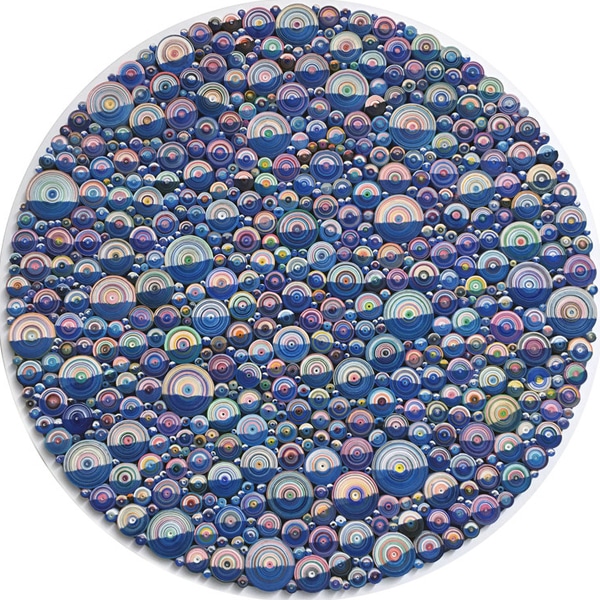
6 Contemporary Glass Painting Artists Who Are Keeping the Ancient Art Alive

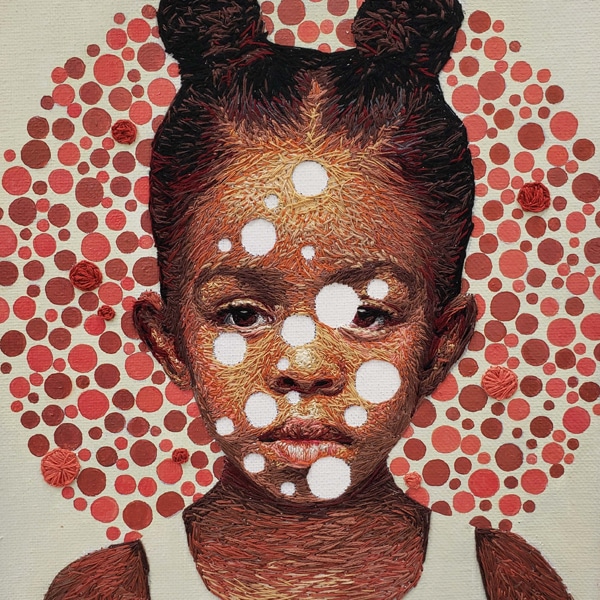
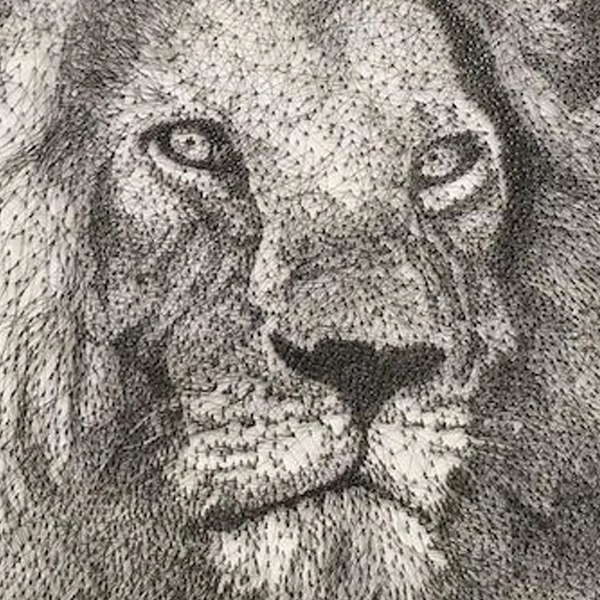
Whether it's blown, cast, cut, or colored, glass has endless artistic possibilities. The material was adopted by ancient Egyptians who used it to create trinkets and colored beads. From the 1st century onwards, the Romans used glass to create decorative vessels and mosaics. However, it wasn’t until the Middle Ages that artisans began painting the transparent material with colorful pigment to create vibrant stained glass designs.
Read Article


June 18, 2020

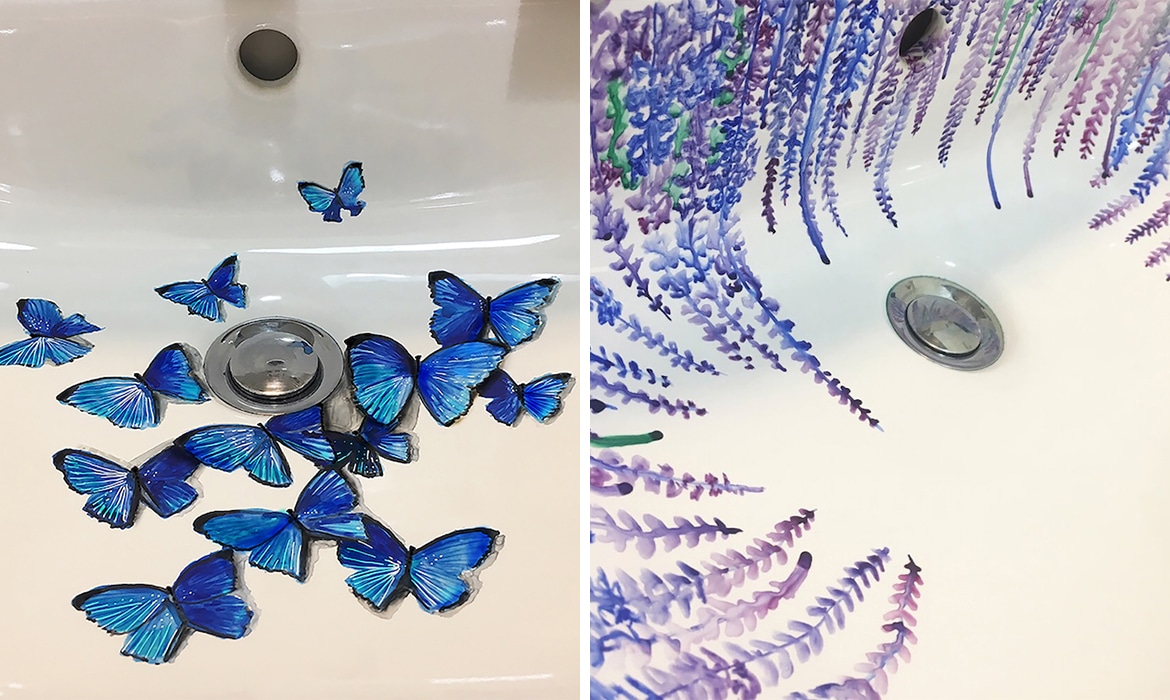
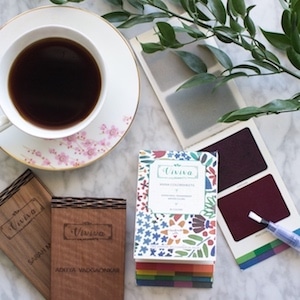
Artist Uses Sink as a Canvas for Extraordinary Watercolor Paintings

Creative director and artist Marta Grossi had just relocated to Milan when the coronavirus pandemic forced Italy to place the country on lockdown. Trapped indoors and unable to see her family, she began a new creative project to stay mentally and physically healthy. Each day, Grossi used her sink as a canvas for beautiful, yet ephemeral, watercolor paintings.
Read Article


June 16, 2020

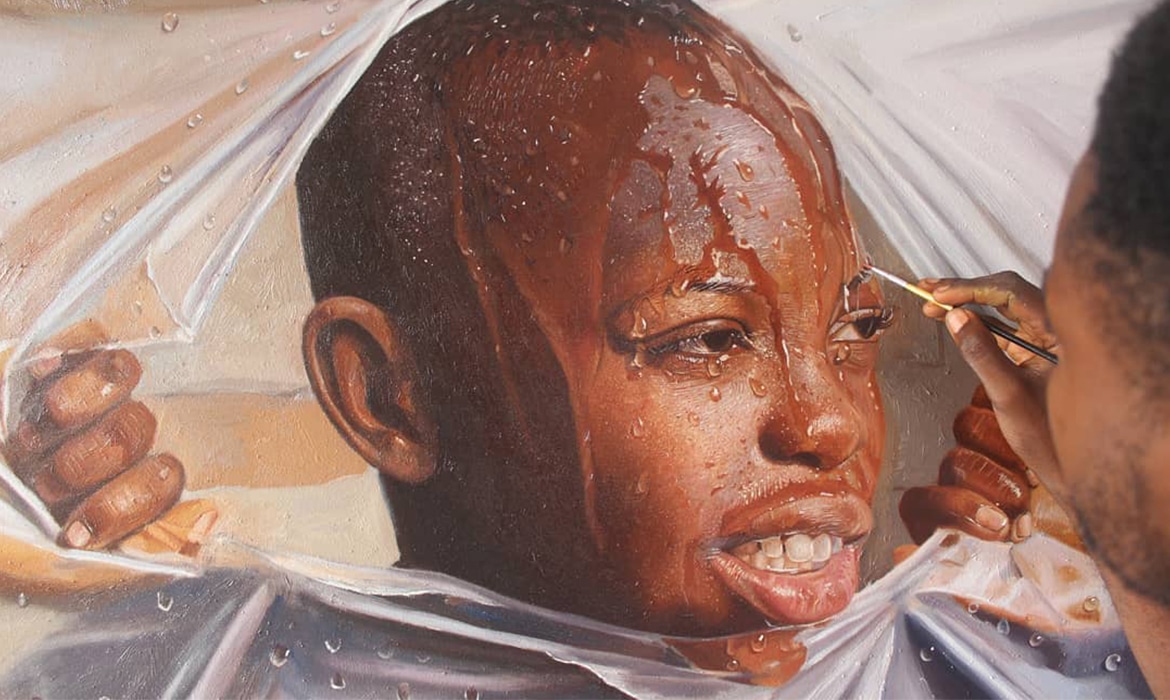
Nigerian Artist Paints Realistic Portraits of People Breaking Free From Clear Plastic

Nigerian artist Silas Onoja doesn't create ordinary portraits of people. His large-scale paintings take his skills to another level while simultaneously forcing the viewer to interpret what's before them. Each figure is presented, wrapped in or breaking free from a plastic film, absolutely drenched. He emphasizes the delicate textures of human skin doused by droplets of water and the mesmerizing way in which transparent material clings to the body.
Read Article


June 14, 2020

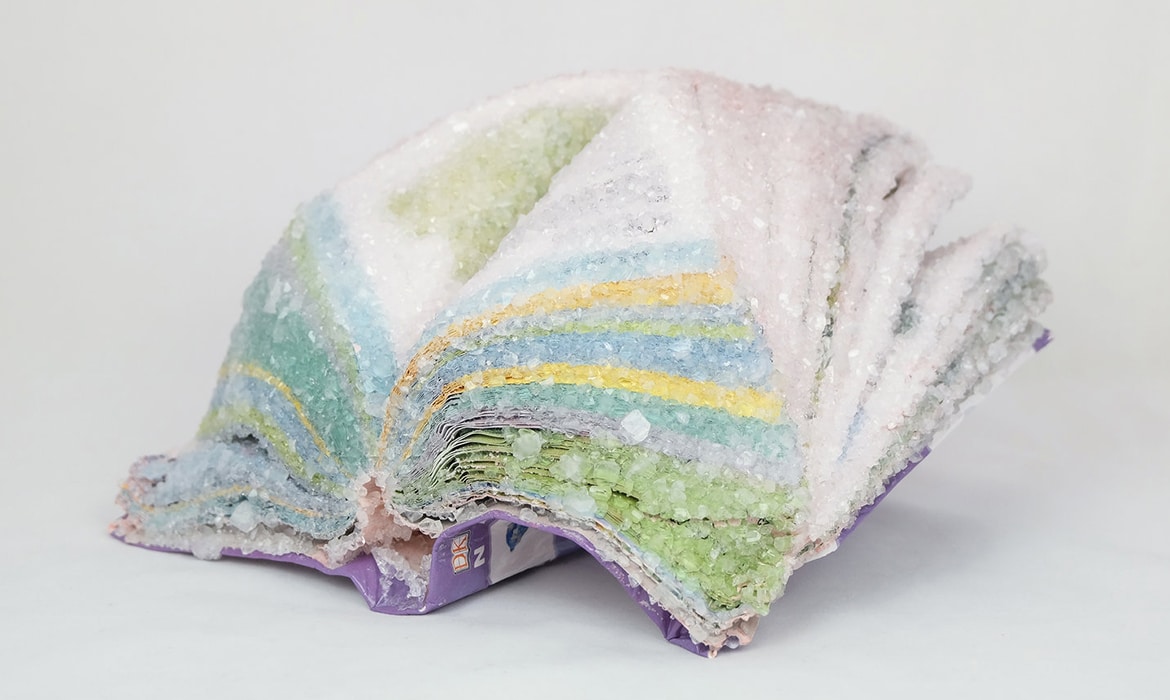
Artist Transforms Found Books Into Sparkling Crystallized Sculptures

Books contain fantastical stories, vast histories, and profound knowledge. However, with the predominance of e-books, it's easy to forget about the physical form of novels. San Francisco-based artist Alexis Arnold has spent 9 years exploring the malleability of printed media by transforming them into glittering, crystallized sculptures. “My Crystallized Books Series addresses the materiality versus the text or content of the book,” Arnold explains to My Modern Met.

Read Article