Archeology

September 21, 2024

Complex Life May Have Begun 1.5 Billion Years Earlier Than Believed

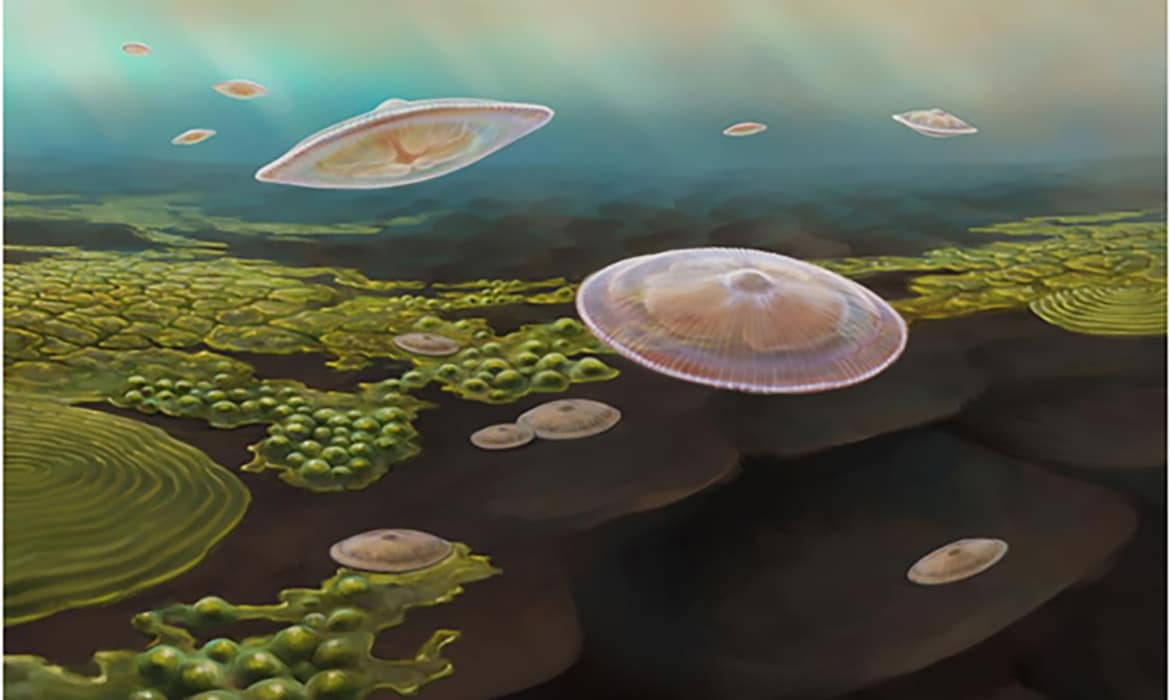
Humans, cats, dogs, chickens, rats, trees, fungi—today, complex life on Earth comes in a remarkable number of variations. Its evolution has taken many twists and turns over millions of years, including the asteroid that wiped out the dinosaurs and the development of “legs” for sea creatures to take to the land. But when did this prehistoric parade of evolution begin? Evidence of microbes has been discovered dating back 3.7 billion years.
Read Article


September 3, 2024

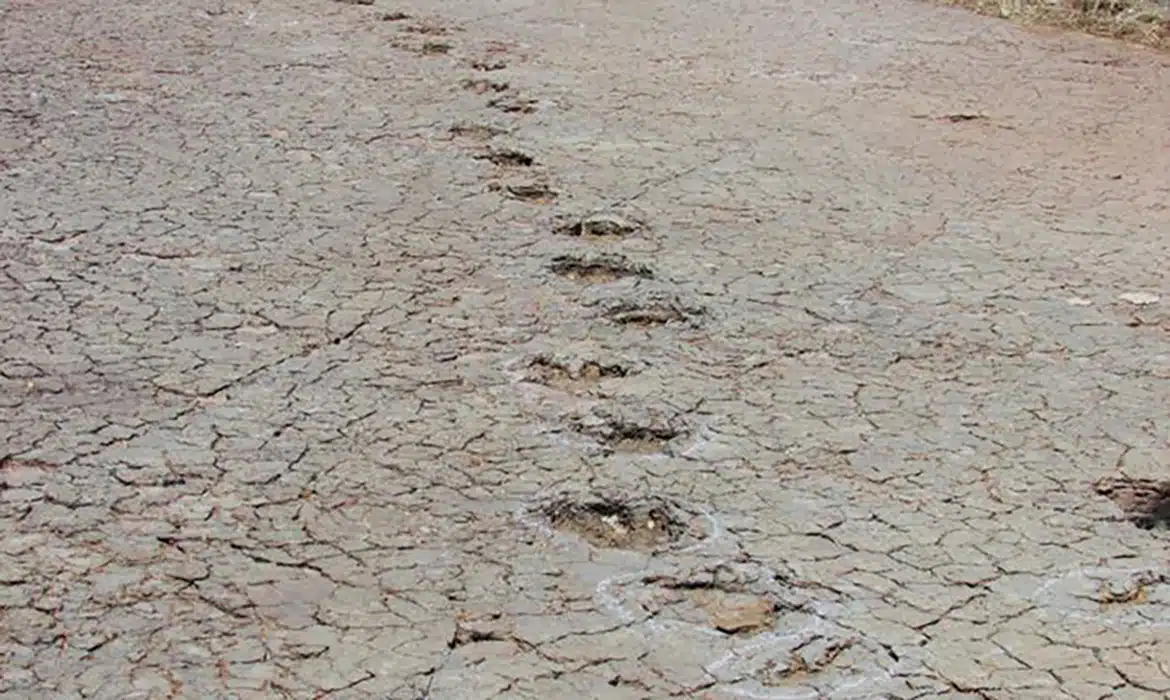
Matching Dinosaur Tracks Connect South America and Africa

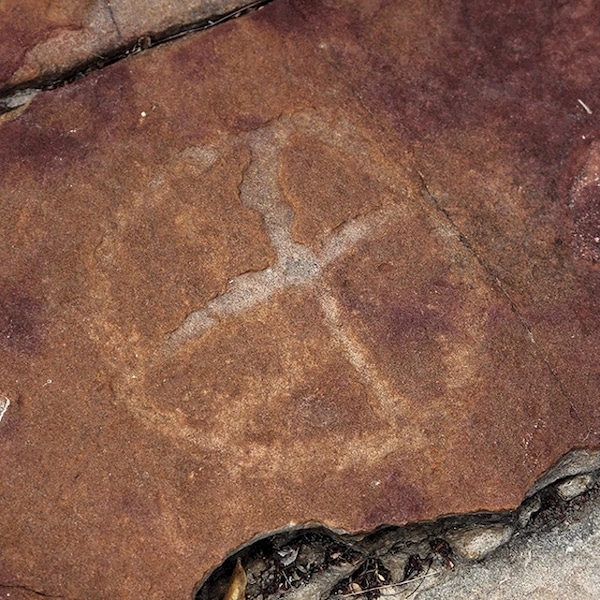
Millions of years ago, our seven continents were squished together in a supercontinent, one giant land mass known as Pangea. When Pangea began to break up, it eventually produced chunks of land that—though separated by oceans—once fit together. Most obviously, South America and Africa fit together like puzzle pieces, reminiscent of the post-Pangea continent named Gondwana that they once formed. Evidence of this historic connection between the landmasses can be seen beyond the map.

Read Article


August 29, 2024

Roman Road Is Found Buried Under an English Village Schoolyard

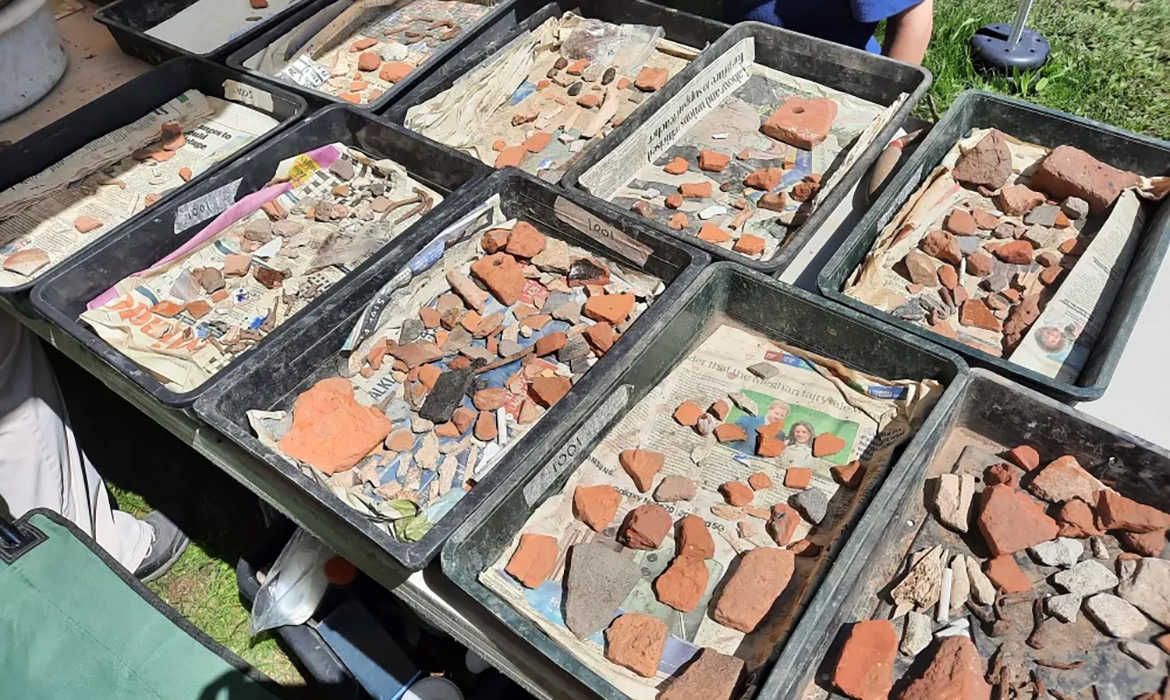
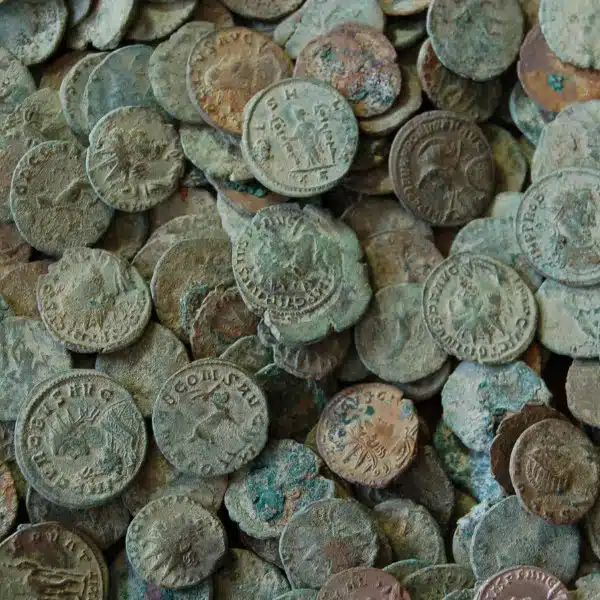
History can seem distant and obscure. It can be hard to imagine scenes of everyday life long ago. But for several classes of lucky children in England, history came alive this year. The Brightwell-cum-Sotwell Primary School sits in a charming little village in Oxfordshire, England. It has playing fields standard for children's activities. But little did they know, they were playing football atop history.


Read Article


August 19, 2024

Scientists Discover Where the Asteroid That Killed the Dinosaurs Came From

Once upon a time, dinosaurs roamed the Earth. Then, 66 million years ago, a gigantic chunk of space rock hurtled into the planet, creating a massive crater and raising clouds of dust and debris. Now known as the Chicxulub impactor, this asteroid obliterated thousands of species, including the massive land-roaming dinosaurs of yore. Yet much mystery still surrounds this event despite ample geological and paleontological research.

Read Article