Archeology

April 7, 2026

Archaeologists Discover 43,000 Ancient Egyptian “To-Do” Lists Offering a Rare Glimpse of Daily Life

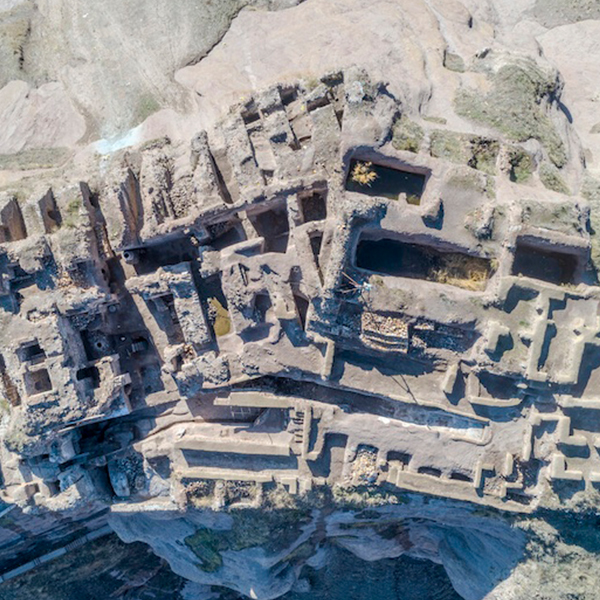
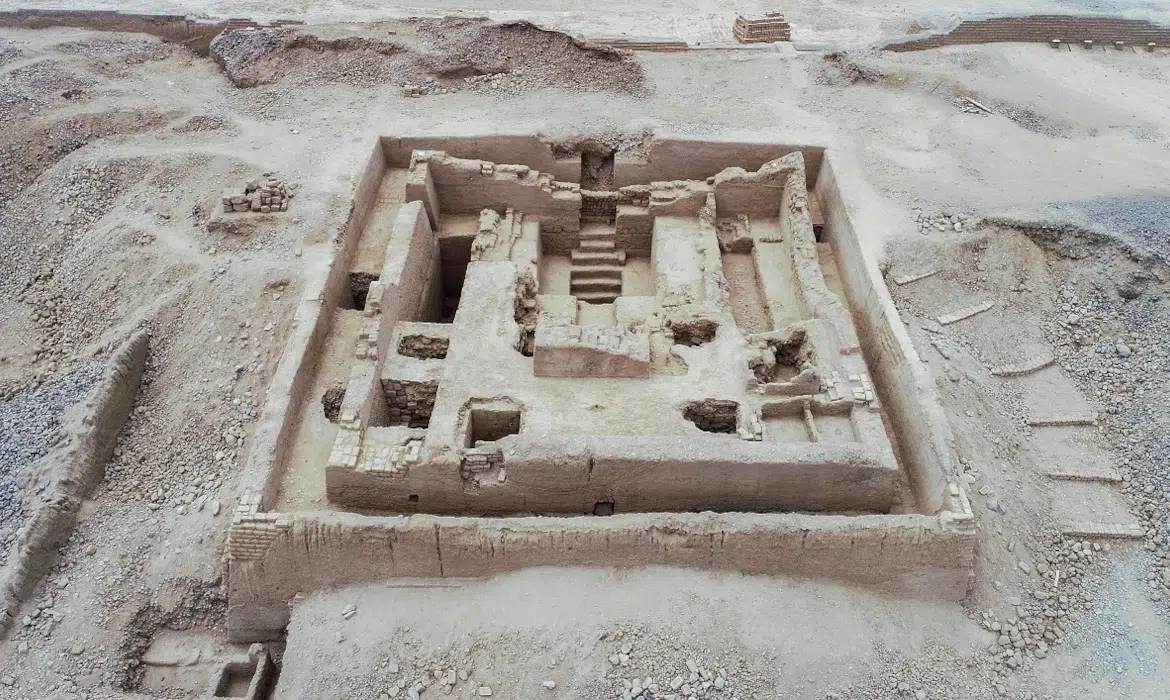
Archaeologists recovered more than 43,000 inscribed pottery fragments, called ostraca, at Athribis, an ancient city near modern Sohag in Upper Egypt. The fragments date from the 3rd century BCE to the 11th century CE, making this the largest collection of everyday written material from ancient Egypt. The University of Tübingen led the excavation with Egypt’s Ministry of Tourism and Antiquities. The team had been working at the site since 2005.

Read Article


March 17, 2026

Coin Used for Bus Fare Turns Out To Be 2,000-Year-Old Carthaginian Artifact

When transit workers in Leeds, England, sorted through the day’s bus fares in the 1950s, one coin in the pile looked noticeably different. Decades later, researchers have finally confirmed the surprising reason why: the coin had been minted more than 2,000 years ago. This small bronze coin recently made its way to the collection of Leeds Museums and Galleries after its unusual history was uncovered.

Read Article


February 8, 2026

How a Lost Hammer Led to the Discovery of Britain’s Greatest Roman Treasure

On November 16, 1992, a quiet field near Hoxne in Suffolk became the setting for an astonishing discovery. Retired gardener Eric Lawes had agreed to help his friend, farmer Peter Whatling, search for a missing hammer. He brought along a metal detector, expecting to locate a simple tool. Instead, the device signaled something far more unusual beneath the soil. When Lawes began digging, he uncovered silver spoons and gold coins.

Read Article