Archeology

July 23, 2026

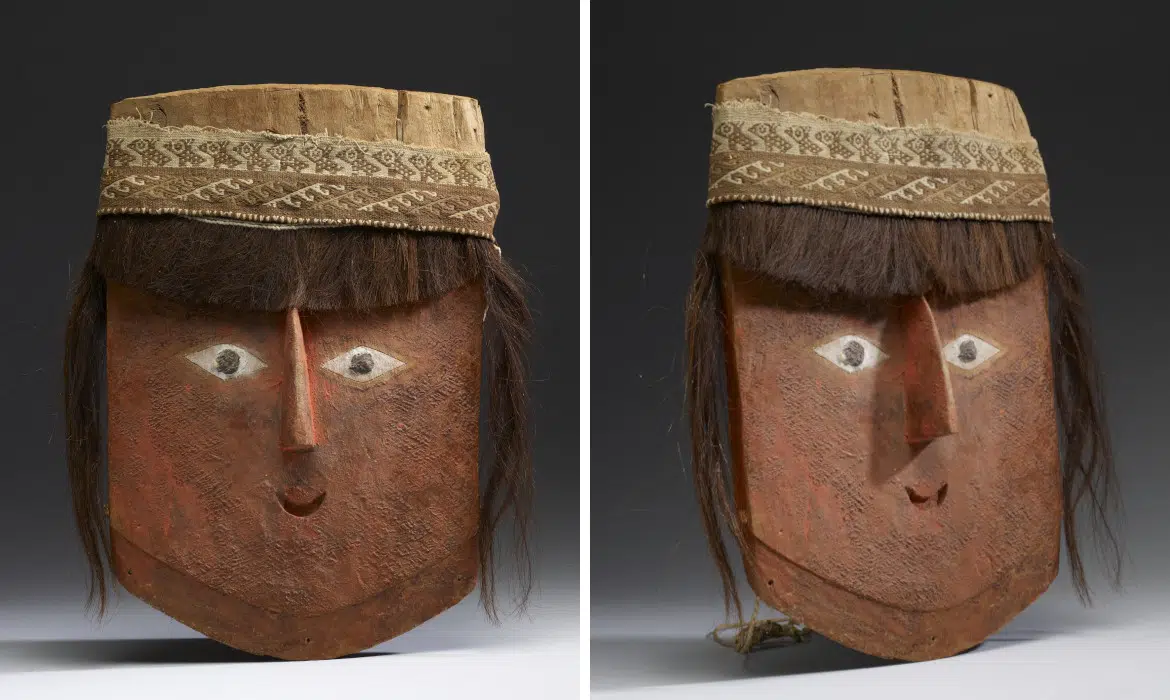
1,000-Year-Old ‘Mummy Mask With Wig’ Found in Peru Sheds Light on Ancient Civilization

Many ancient cultures around the world regarded death as a transition to another plane of existence, rather than a definite end. As such, their funeral rites prepared the deceased for whatever came ahead. For example, the Chancay culture, which thrived in modern-day Peru from about 1000 to 1532 CE, wrapped their dead in mummy bundles made of rich textiles to keep them warm and protected.
Read Article


June 23, 2026

1,800-Year-Old Egyptian Kohl Bottle Discovered in England Sheds New Light on Roman-Era Travel

It’s not every day that a small eyeliner bottle changes our understanding of Roman-era travel. But that’s exactly what happened when archeologist Hillary Cool identified an Egyptian glass kohl bottle in York, England. The bottle was discovered during excavations by the York Archaeological Trust at Tanner Row, an excavation site which was a dumping ground during the late 2nd century. First uncovered in 1983, it was believed to be a perfume flask distorted by age.


Read Article


June 1, 2026

800-Year-Old Notebook Found in Shockingly Good Condition in a Medieval Toilet

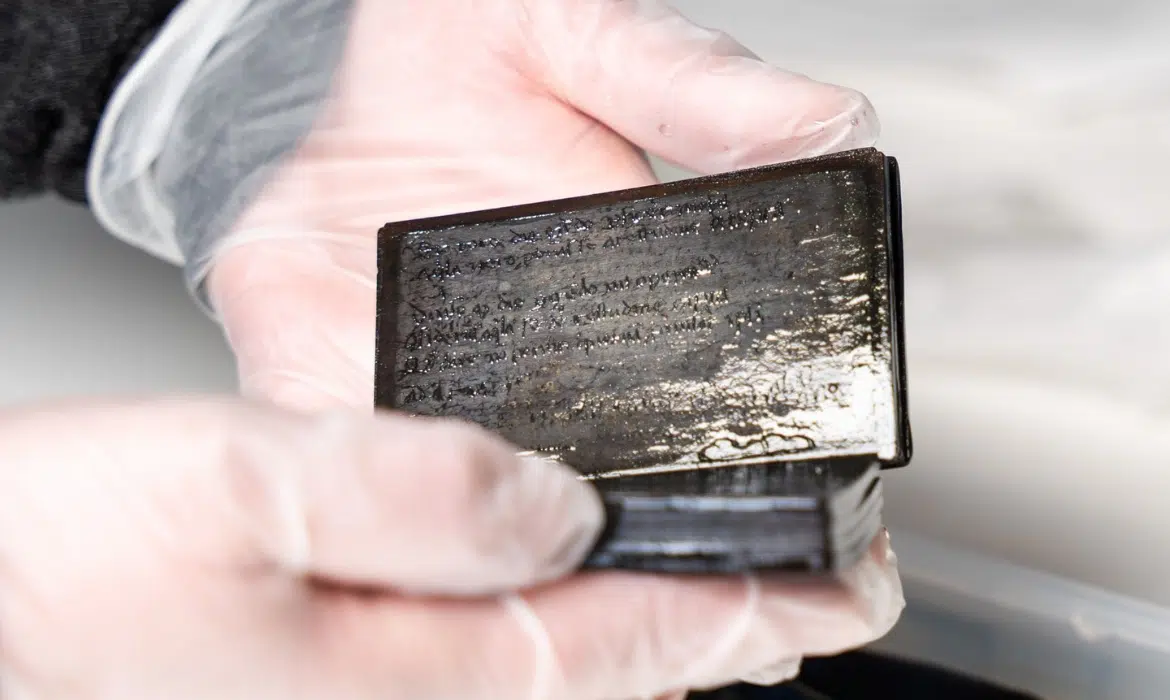
A small notebook made of wood, wax, and leather, and its accompanying ivory stylus, were unearthed from a latrine, or medieval toilet. The book was unearthed in North Rhine-Westphalia, Germany. While performing excavation for a construction project in a historically important part of Paderborn, workers discovered five latrines. The notebook and stylus were found in one of them, among other objects like remnants of barrels, pottery, and fabric.

Read Article


April 7, 2026

Archaeologists Discover 43,000 Ancient Egyptian “To-Do” Lists Offering a Rare Glimpse of Daily Life

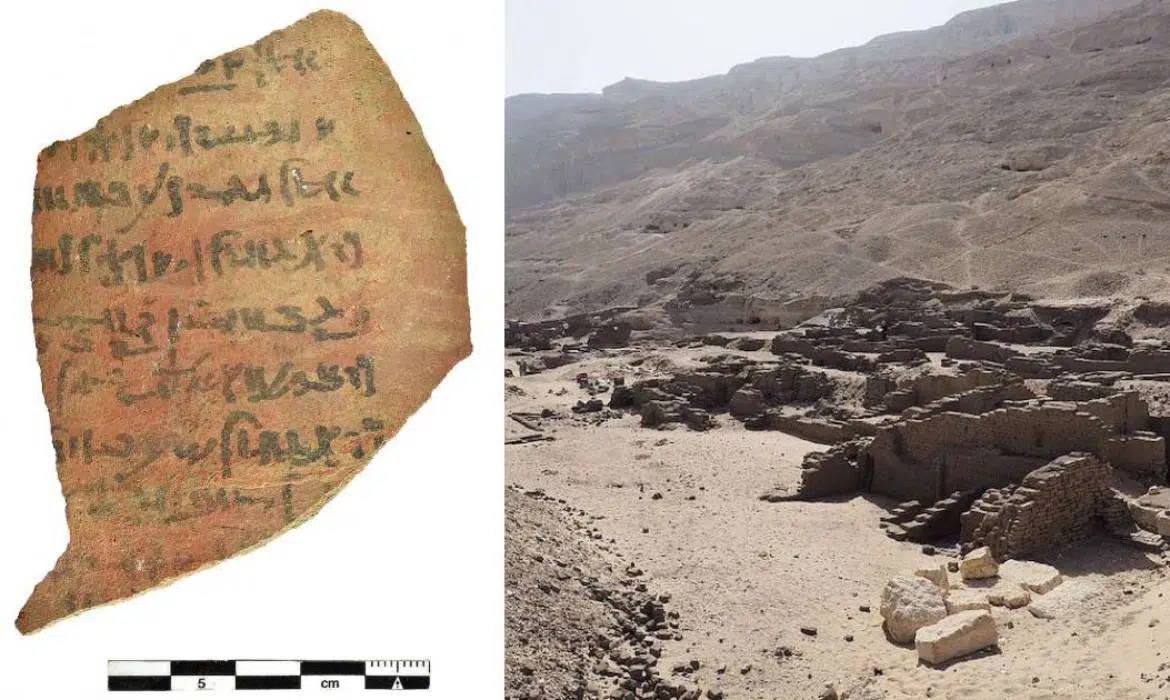
Archaeologists recovered more than 43,000 inscribed pottery fragments, called ostraca, at Athribis, an ancient city near modern Sohag in Upper Egypt. The fragments date from the 3rd century BCE to the 11th century CE, making this the largest collection of everyday written material from ancient Egypt. The University of Tübingen led the excavation with Egypt’s Ministry of Tourism and Antiquities. The team had been working at the site since 2005.

Read Article