Sculpture

April 3, 2018

Life-Sized Wire Animal Sculptures Look Perfectly at Home in Natural Environments

Artist Candice Bees is a woman of many creative talents. Formally trained as an illustrator, her practice has since shifted into making wire animal sculptures. But she hasn’t abandoned her drawing sensibilities; instead, she bundles the metal wire into dense forms that have an energetic quality to them, as if she scrawled them in pen and ink. Bees’ work is informed by the countless hours she’s spent around different species of animals.

Read Article


March 20, 2018

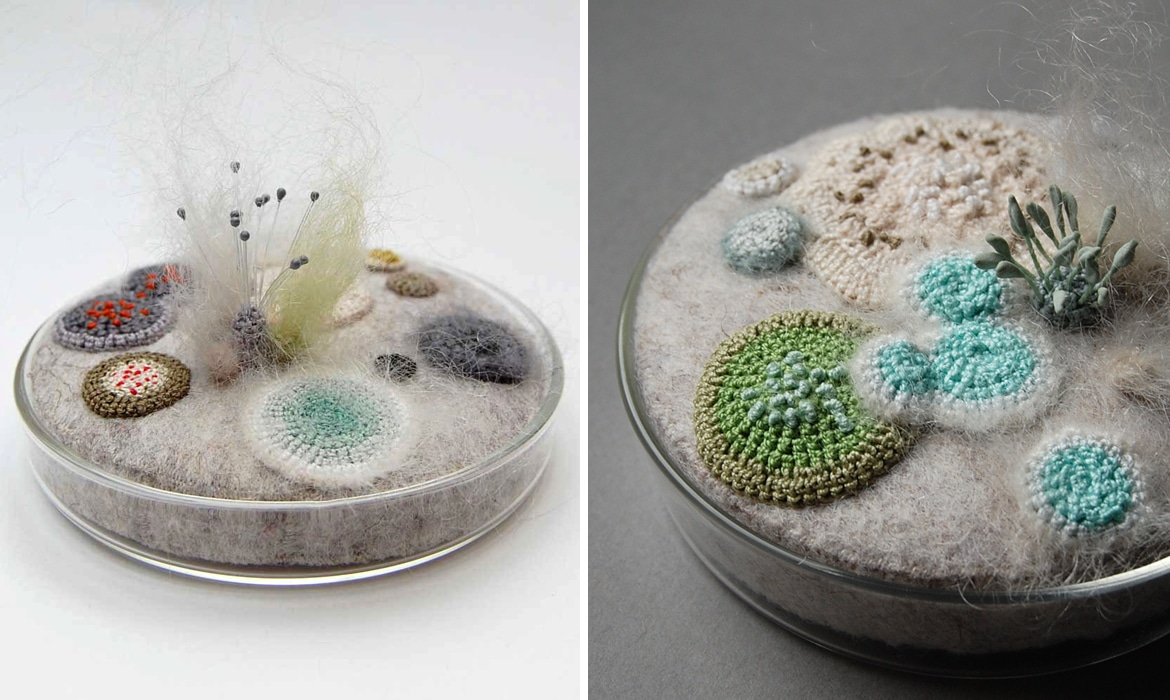
Felted Fungus Art “Growing” in Petri Dishes Shows the Unexpectedly Cute Side of Mold

Most people balk at mold, like the type that appears as spores on old loaves of bread. But not artist Elin Thomas; she pays homages to fuzzy fungus through her felt fiber art. Using techniques including crochet, needle felting, and embroidery, she creates one-of-a-kind petri dishes that really look like mold. The shallow vessels are filled to the brim with exquisite textures—including fuzzy, hair-like spores that invite you to touch, making them unexpectedly cute.

Read Article


February 27, 2018

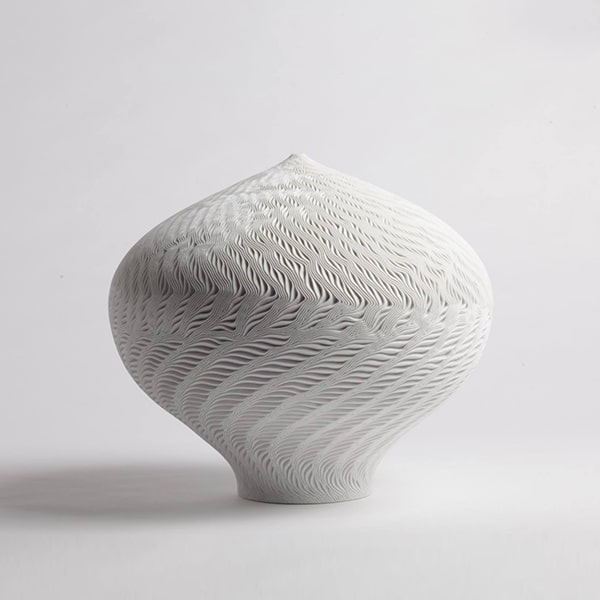
Mesmerizing Pieces Reveal the Textured Beauty of Thousands of Found Seashells

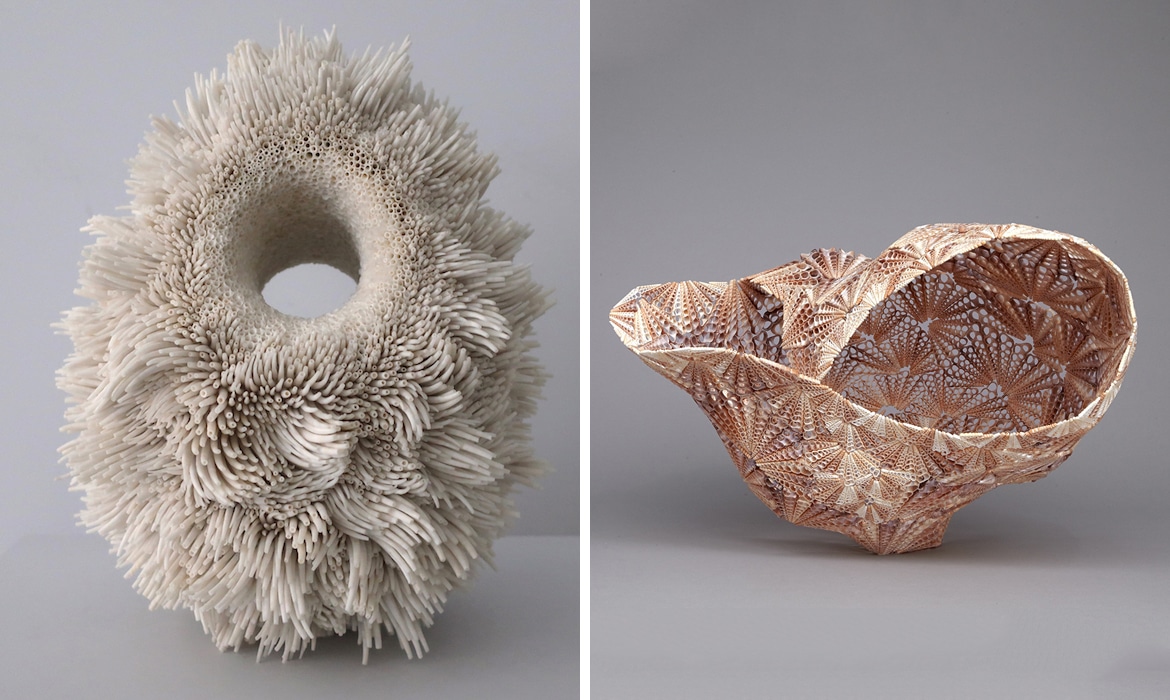
London-based multimedia sculptor Rowan Mersh creates mesmerizing textural artworks with seashells. By meticulously arranging thousands of the same type of shell, each of Mersh’s wall-mounted and stand-alone sculptures capture the organic material’s natural beauty. Although seashells are physically solid, the artist often manages to capture their delicacy by achieving a soft, ruffled fabric effect. Conscious of his environmental impact, Mersh sources the seashells from sustainable shellfish farmers and harvesters from around the world.
Read Article


February 6, 2018

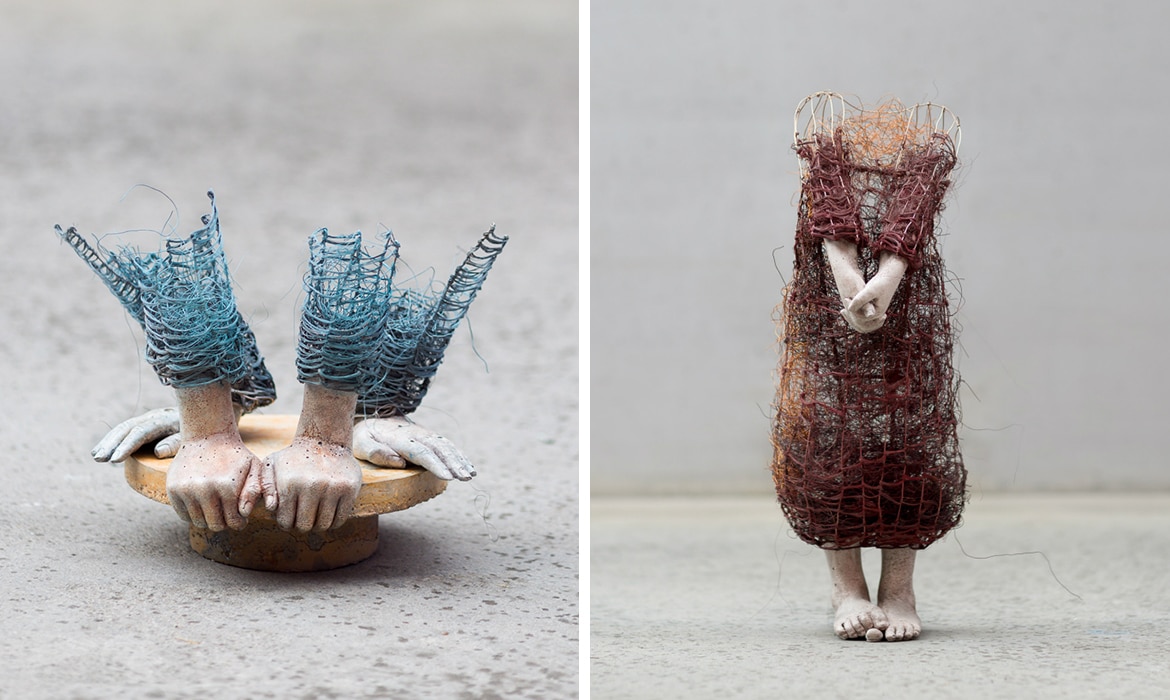
“Incomplete” Sculptures Capture the Playful and Timid Personalities of Children

Norwegian artist Lene Kilda creates figurative sculptures inspired by the emotions and personalities of children. Believing that body language is “their purest form of communication,” Kilda visualizes each childlike pose with cement-sculpted hands and feet, and fragments of textured clothing made from colored, metal mesh. The “incomplete” pieces invite the viewer to use their imagination to fill in the visual gaps and illusory contours, and perhaps delve into their own childhood memories.

Read Article