Interview

September 3, 2019

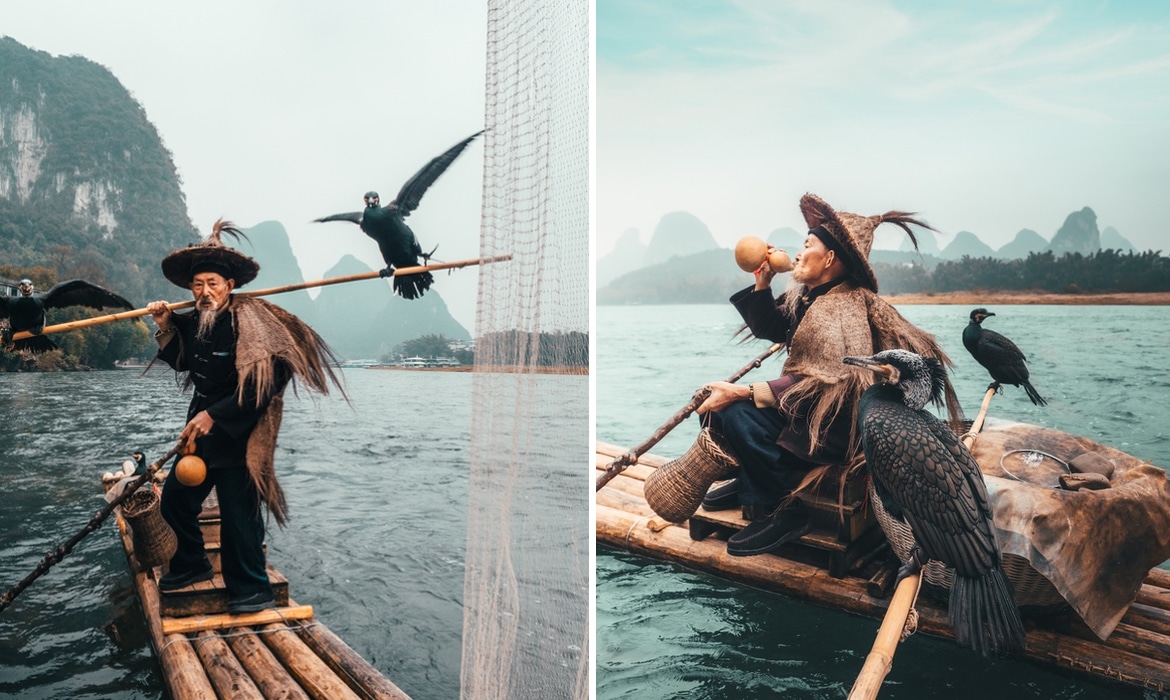
Interview: Travel Photographer Highlights China’s Traditional Cormorant Fishing

Travel photographer Peter Yan left behind a successful career at Apple to pursue his work as a respected visual storyteller. In a few short years, the Chinese-born Australian photographer has built an impressive following on Instagram, where over 150,000 people follow his inspiring imagery from around the globe. In particular, one image that was taken on a trip to Yangshuo, China has caused the internet to sit up and take notice.

Read Article


August 30, 2019

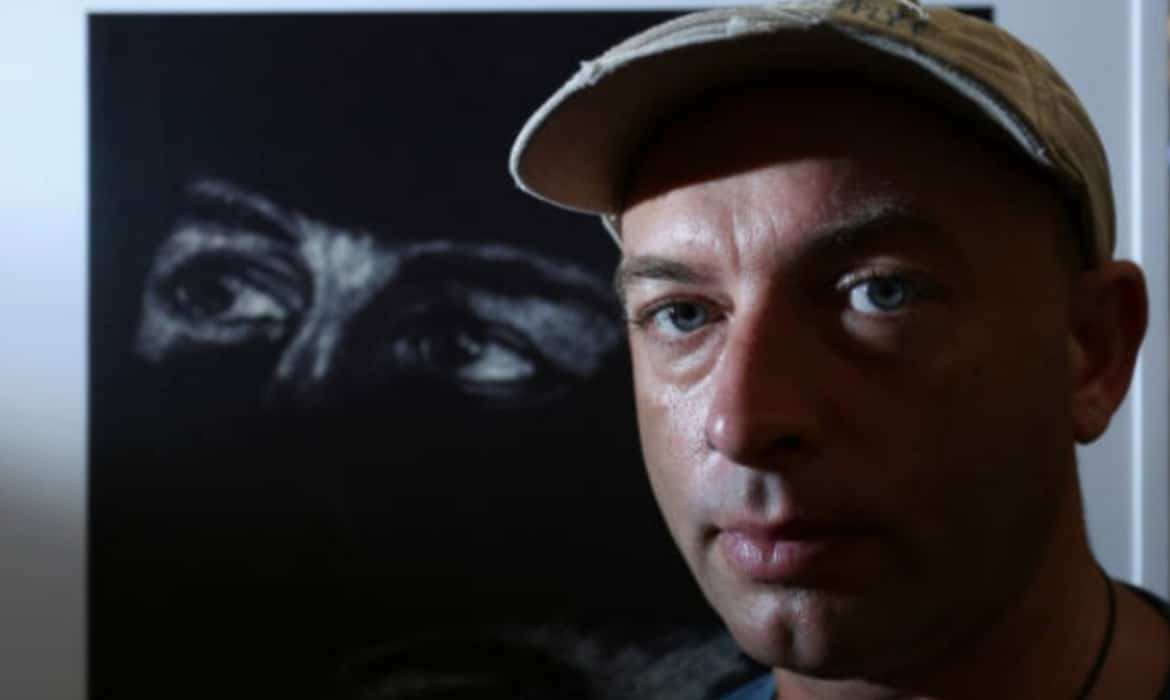
Interview: Man Makes World-Famous Art in His Sleep But Has No Creative Talent While Awake

When Lee Hadwin is awake, he identifies as someone with no artistic talent. But while he’s asleep, his creative side comes alive and he crafts portraits, landscapes, and abstract drawings that only someone with amazing artistic prowess can produce. Once Hadwin wakes from his slumber, he has snapped out of his art-making trance and carries on with life as a non-creative person. So, how does he do it?
Read Article


August 20, 2019

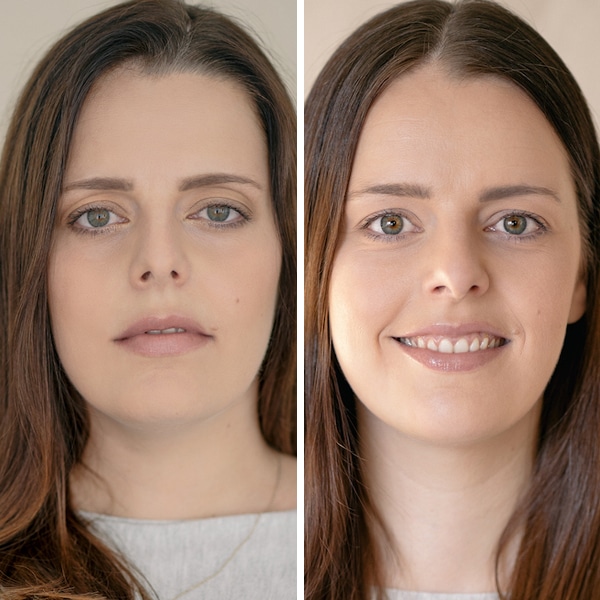
Interview: Photographer Debunks the “Crazy Cat Lady” Stereotype with Over 300 Portraits

The “crazy cat lady” is one of modern culture’s most enduring stereotypes. Photographer BriAnne Wills knows that this idea is largely false, and she has set out to dispel the myth with her ongoing project called Girls and Their Cats (GATC). Since 2015, she has snapped portraits of women and their felines to showcase them in a positive way—as interesting ladies who love their cats.

Read Article


August 13, 2019

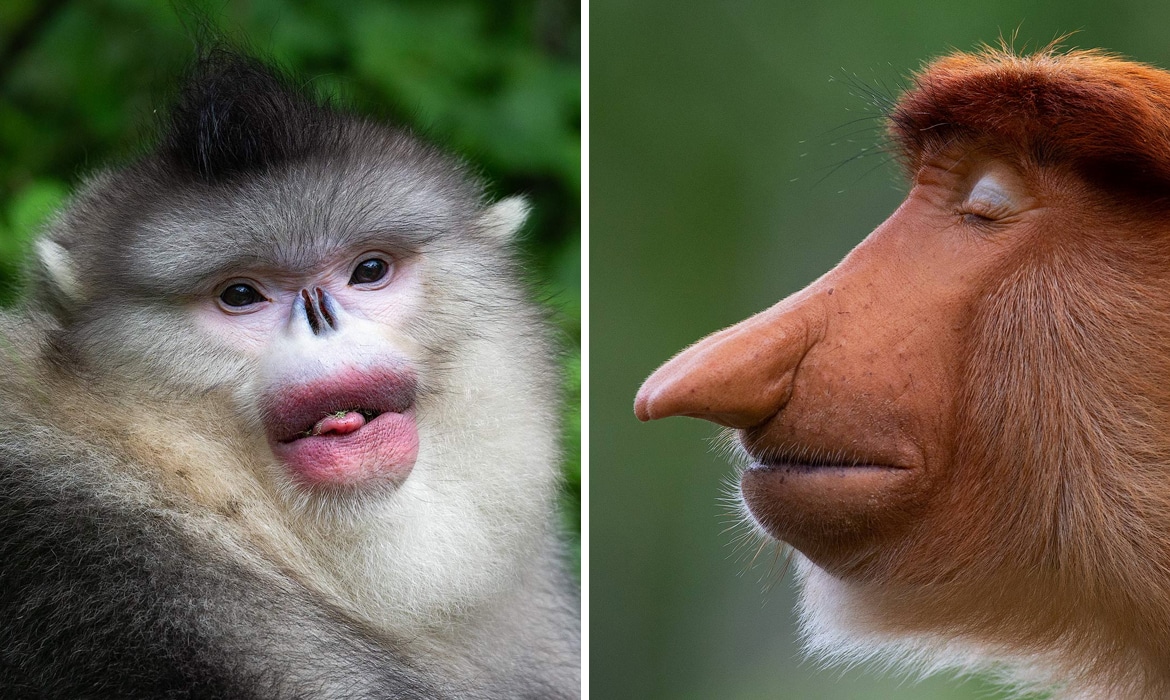
Interview: Human-Like Micro-Expressions of Endangered Animals Around the World

For over two decades, photographer Mogens Trolle has captured stunning wildlife pictures on all seven continents. Trained as a zoologist and wildlife biologist, he specializes in mammals and uses his knowledge of them—as well his keen eye—to capture each creature’s unique personality. His photographs, especially those of monkeys, showcase micro-expressions that look like the kind we’re used to seeing on other humans.

Read Article