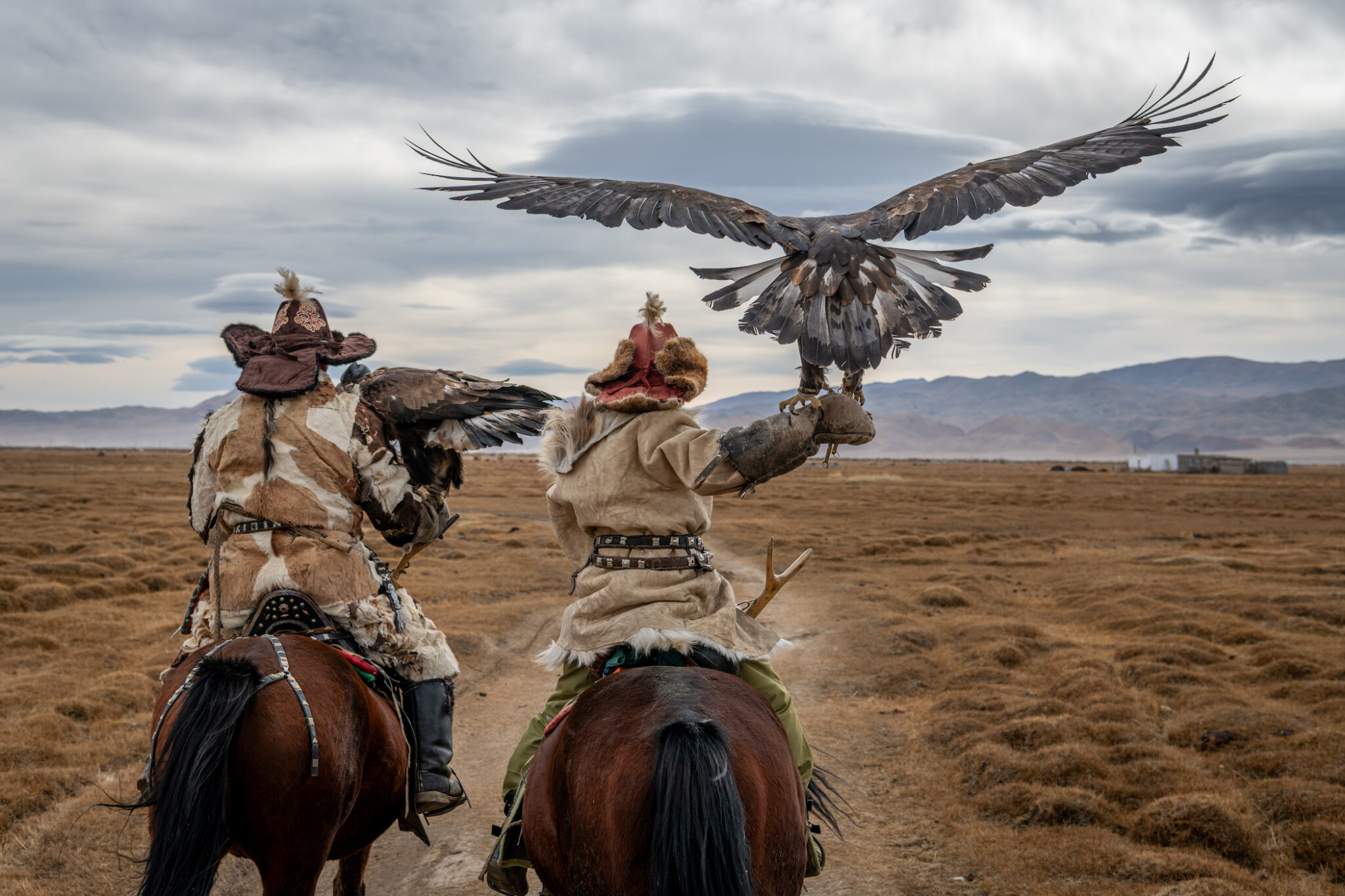
Mongolia, October 2019. Father and son, Alakosh (l.) and twelve-year-old Arkalak, ride with their golden eagles near their family home in the Altai Mountains.
Keeping track of all of Claire Thomas’s adventures is no easy task. Throughout her career, the photojournalist has ventured to the West Bank, chronicling the lives of Palestinians under military occupation; she has documented burning oil wells in Qayyarah, Iraq, set alight by retreating ISIS soldiers; she has investigated the Ghanaian women accused of witchcraft and banished to remote camps; and she has traveled across the vast expanse of the American West. But, despite all of these journeys, there’s one place in particular that Thomas hasn’t been able to shake: the Altai Mountains.
Stretching across Mongolia and naturally dividing the country from China and Russia, the Altai Mountains are home to a remote cluster of ethnic communities. Thomas had long nursed an interest in the region, hoping to capture the lives of Mongolia’s semi-nomadic animal herders and the iconic Kazakh eagle hunters. In October of 2019, she finally fulfilled that lifelong ambition. Alongside a small group of other photographers, she traveled to western Mongolia for the first time, in search of the people who define the region’s heritage, culture, and traditions.
“Horses had been a central part of my life growing up in Wales, and I found myself drawn to places where the relationship between people and animals remained essential to everyday survival,” Thomas tells My Modern Met. “I remember immediately feeling a sense of calm and belonging in the Altai Mountains. There was a quiet strength in the way people lived, intimately connected to the land, the seasons, and their animals.”
In the seven years since her first visit, Thomas has returned to Mongolia’s Altai Mountains countless times, deepening her connections with its dramatic landscape and the groups that populate it. Now, these images have been compiled in the photographer’s upcoming monograph, Altai: Hunters and Herders of Mongolia. Available later this spring from the boutique press Hemeria, the volume gathers photographs of hunters with eagles perched on their arms; herders tending to camels, cows, sheep, and horses; scenes of domestic life amid stunning mountain backdrops; and moments of resilience as seasons slowly shift.
“These communities maintain traditions that have been passed down through generations,” Thomas explains. “I hope the photographs convey both the beauty and the complexity of this way of life, and allow viewers to see beyond familiar symbols or romanticized ideas. Above all, I hope they reflect the individuality of the people themselves.”
Ahead of the book’s publication, we had the chance to speak with Claire Thomas about her work as a photojournalist, memorable moments throughout her career, and Altai. Read on for our exclusive interview with the photographer.
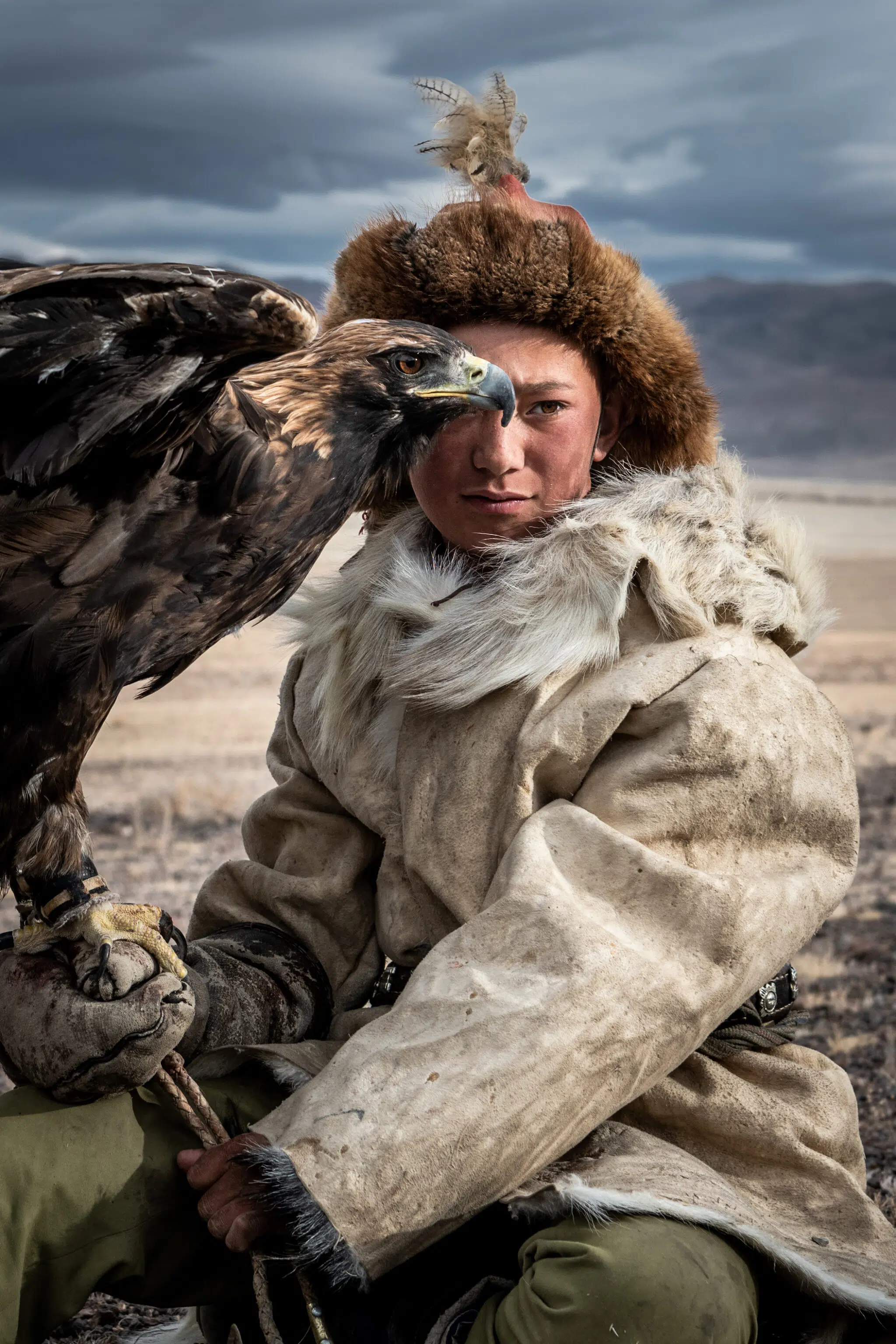
Mongolia, October 2019. Kazakh eagle hunter Arkalak sits with his golden eagle in the Altai Mountains, where the centuries-old tradition of eagle hunting continues.
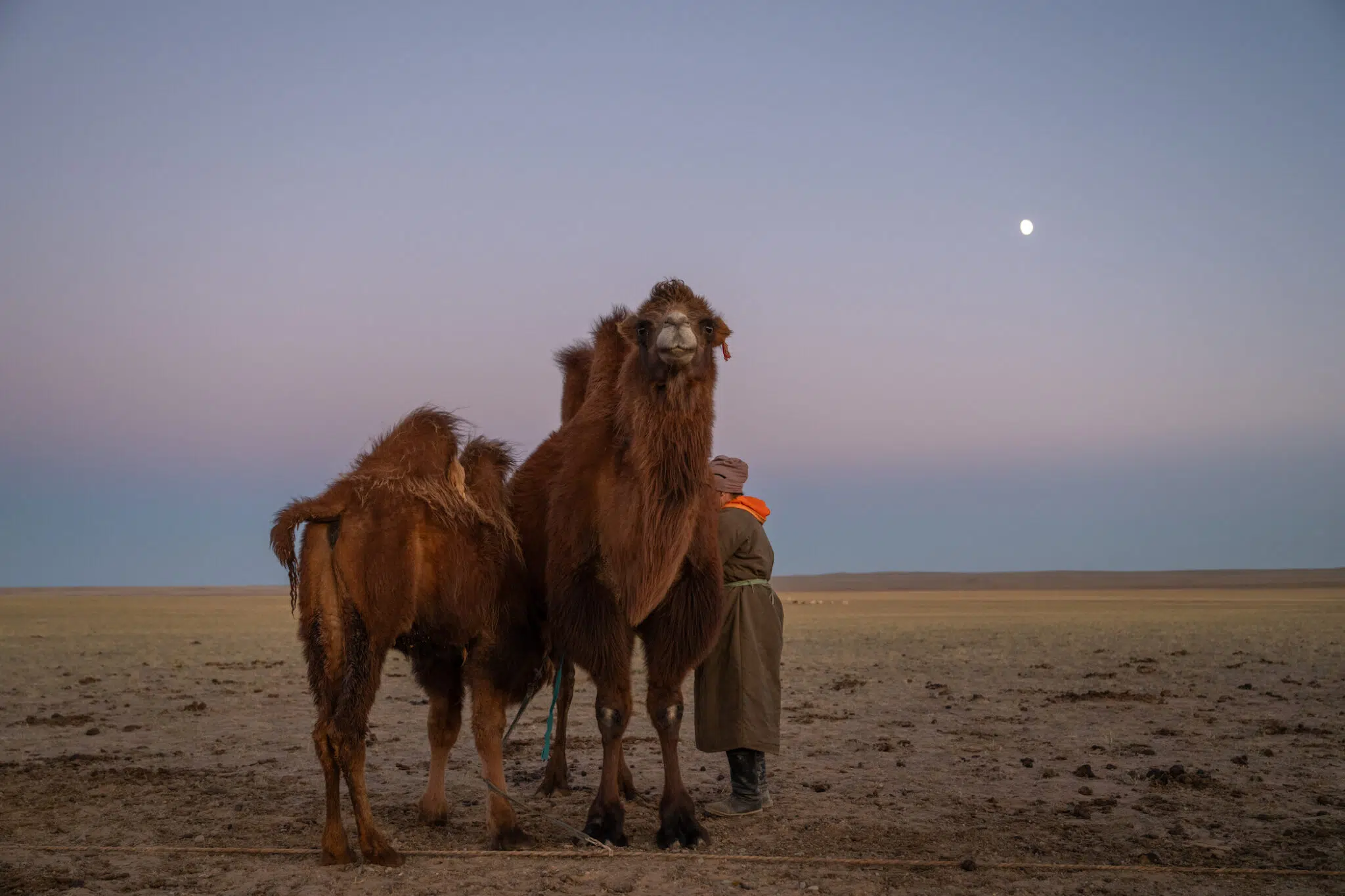
Mongolia, October 2025.
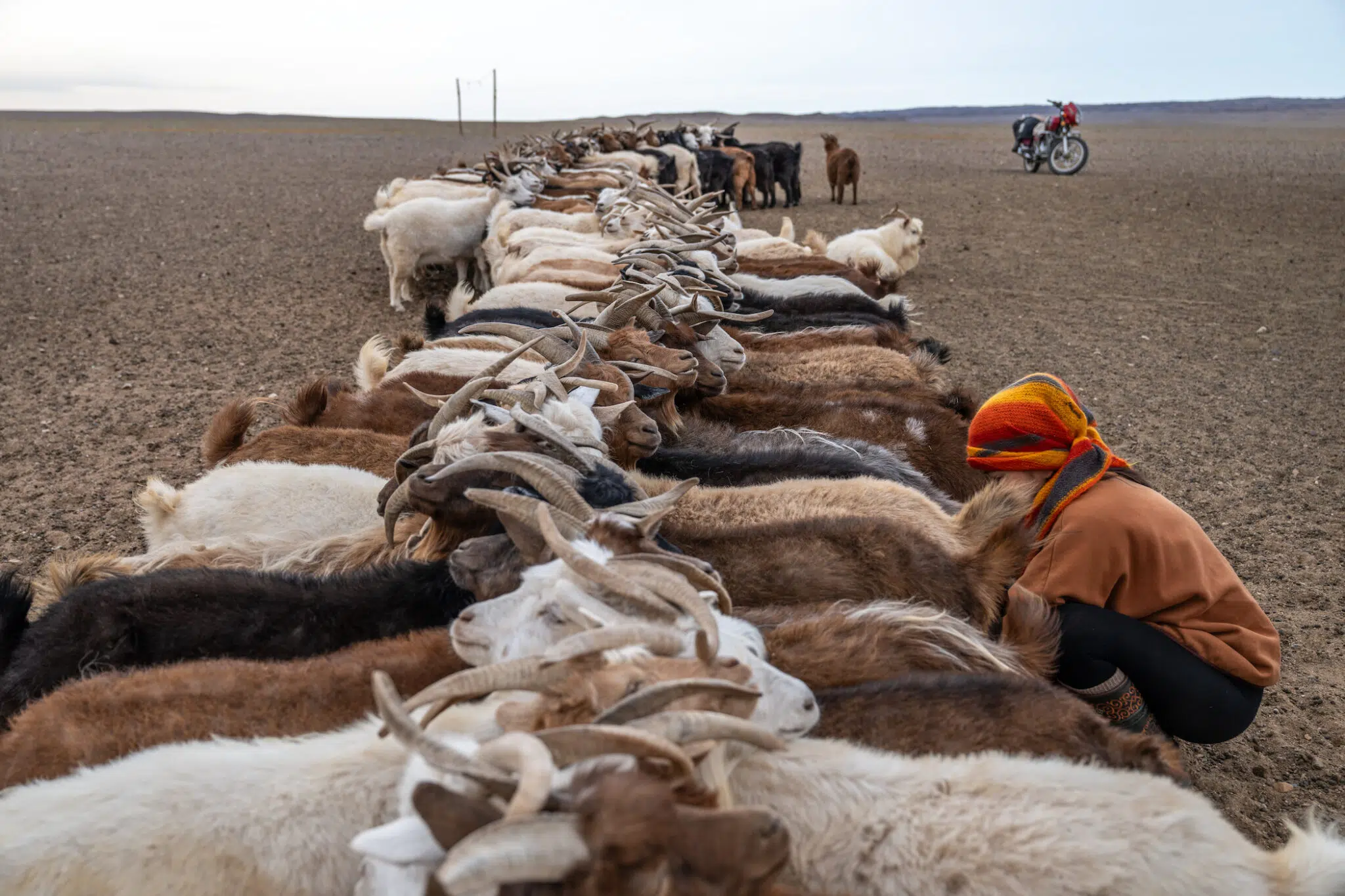
Mongolia, October 2025.
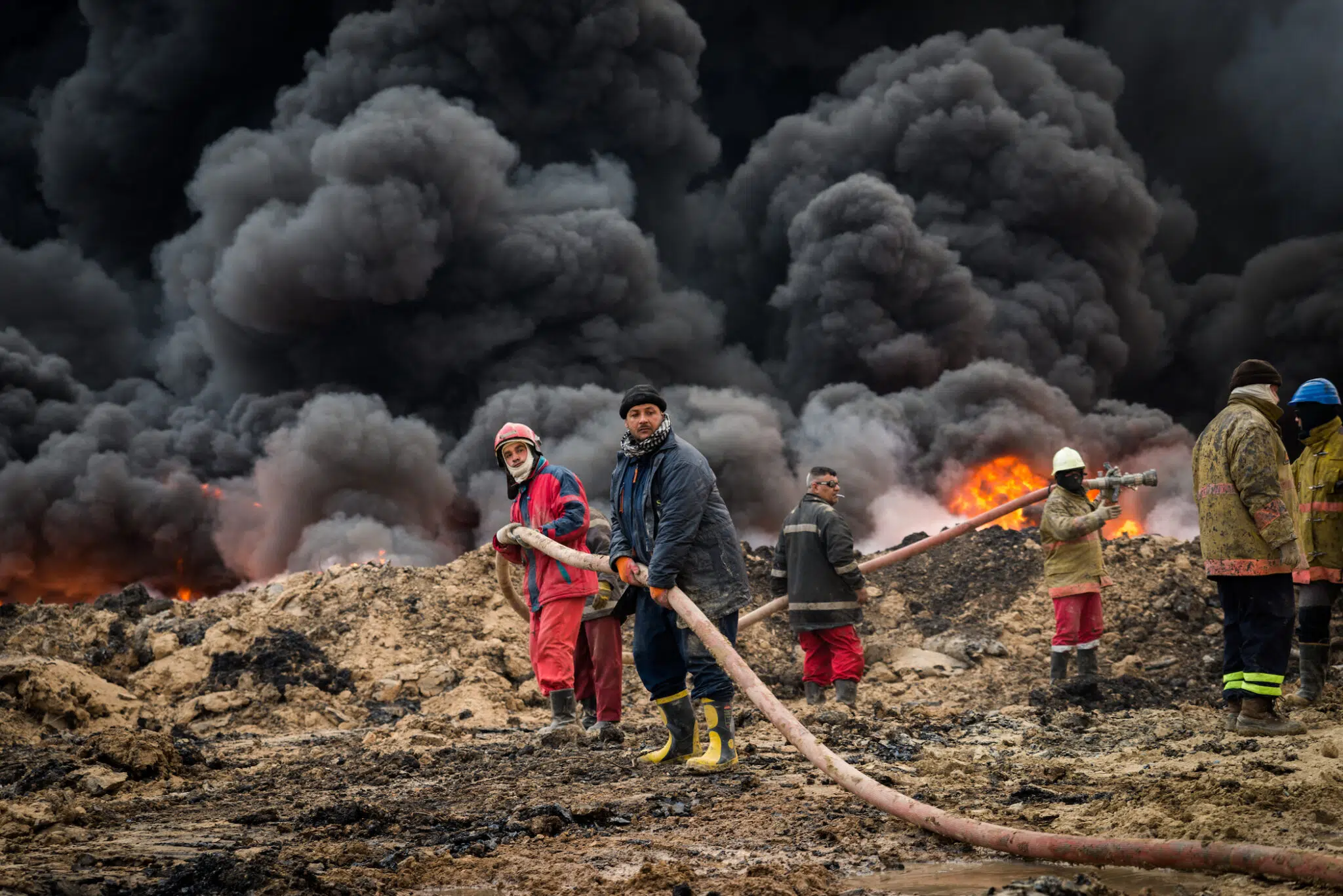
Iraq, December 2016. Firefighters drag a hose toward a fire. There are around 150 men working on this fire, including 28 firefighters, machine operators, engineers and mechanics. The entire operation depends on effective teamwork between each of these disciplines, which requires a great deal of co-ordination to ensure that the firefighters at the wellhead have all the tools and equipment they need.
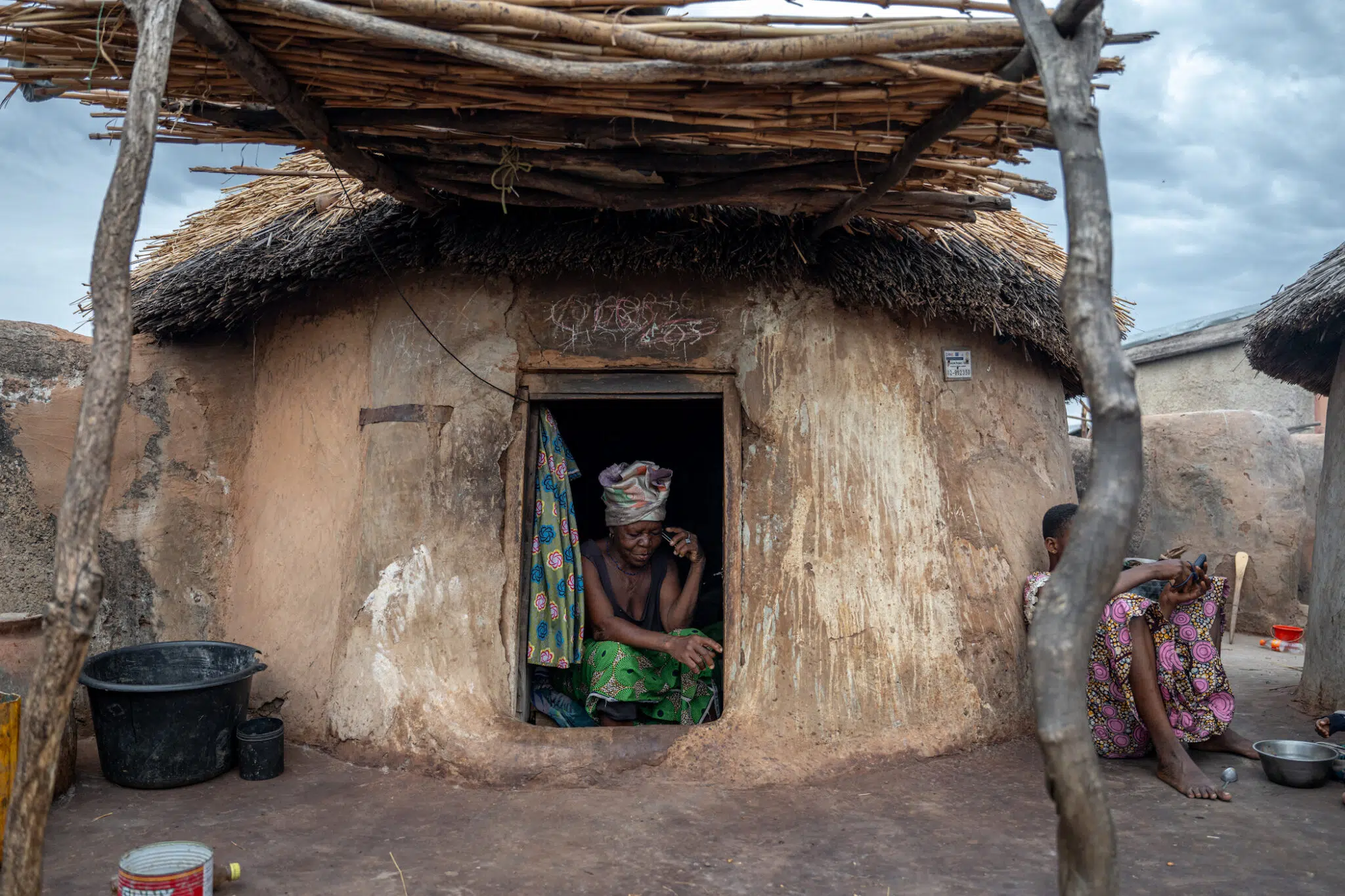
Ghana, May 14, 2025. In the Gambaga camp for women accused of witchcraft in Ghana's North East region, a woman speaks on the phone from inside her modest hut.
What first compelled you about photography as your primary artistic medium?
As a child, I spent hours poring over the pages of National Geographic and travel magazines, completely captivated by photographs from distant corners of the world. Those images felt like portals. Even then, photography felt like a way of crossing boundaries and connecting lives separated by geography, language, and circumstance.
But it wasn’t until my 20s, when I began working as a wrangler on a horse ranch in Wyoming during my university summers, that photography really took hold. Although I’d grown up riding ponies in the Welsh countryside, nothing prepared me for the scale of the American West. I remember watching cowboys drive vast herds of horses beneath towering mountain ranges that seemed almost unreal in their size and presence. I was overwhelmed by the beauty and strangeness of it all, and instinctively reached for my point-and-shoot camera, wanting to hold on to those moments and share them with people back home.
Photography has become my way of making sense of the world. It has given me access to lives and places I could never have imagined otherwise. At its heart, my work is still driven by that same impulse I felt as a young girl, a desire to connect, and to share stories that help others see beyond their own horizons.
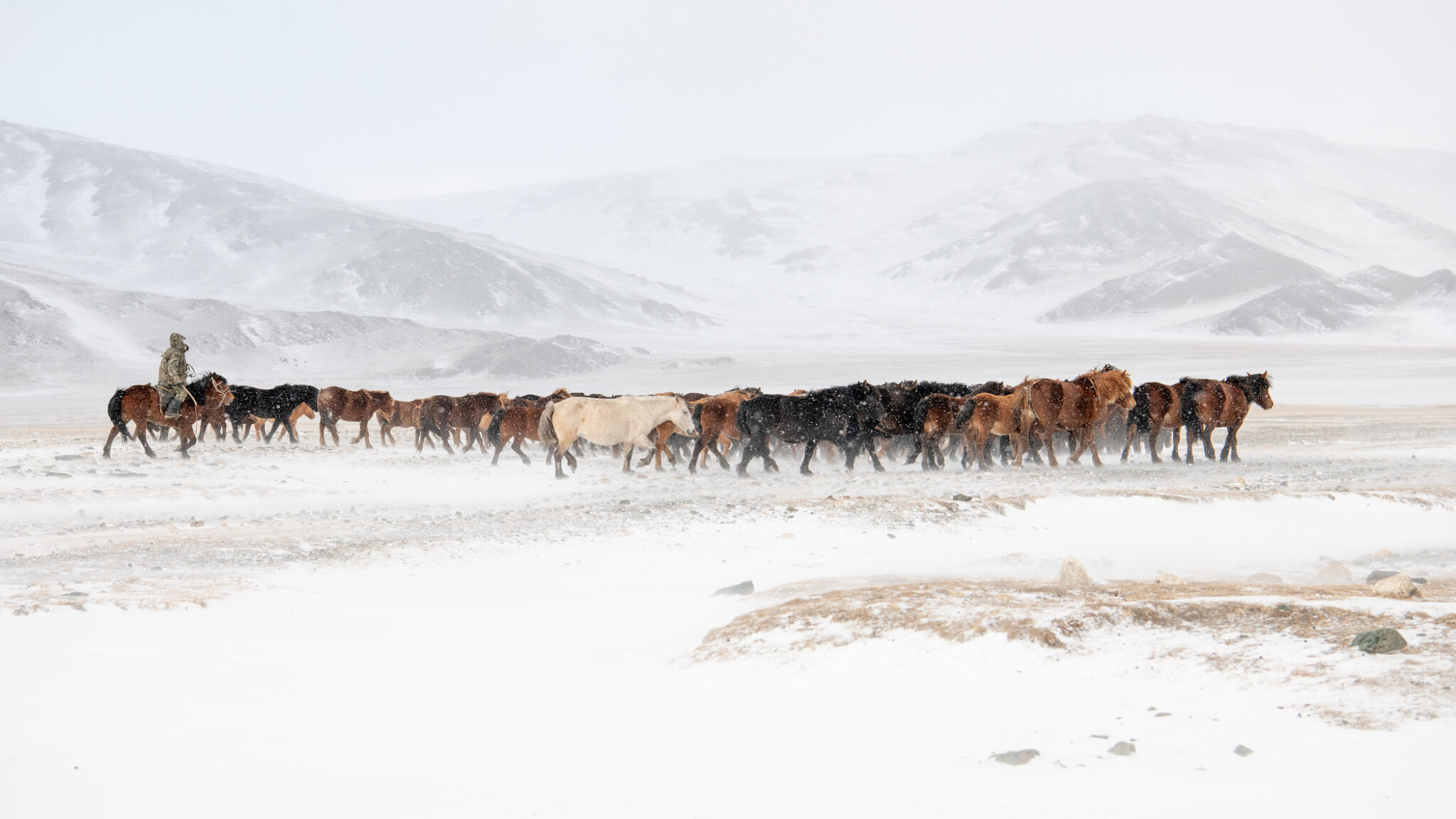
Mongolia, October 2019. A Kazakh horseman drives a herd of horses through drifting snow in the Altai Mountains, descending toward the valley as winter draws near.
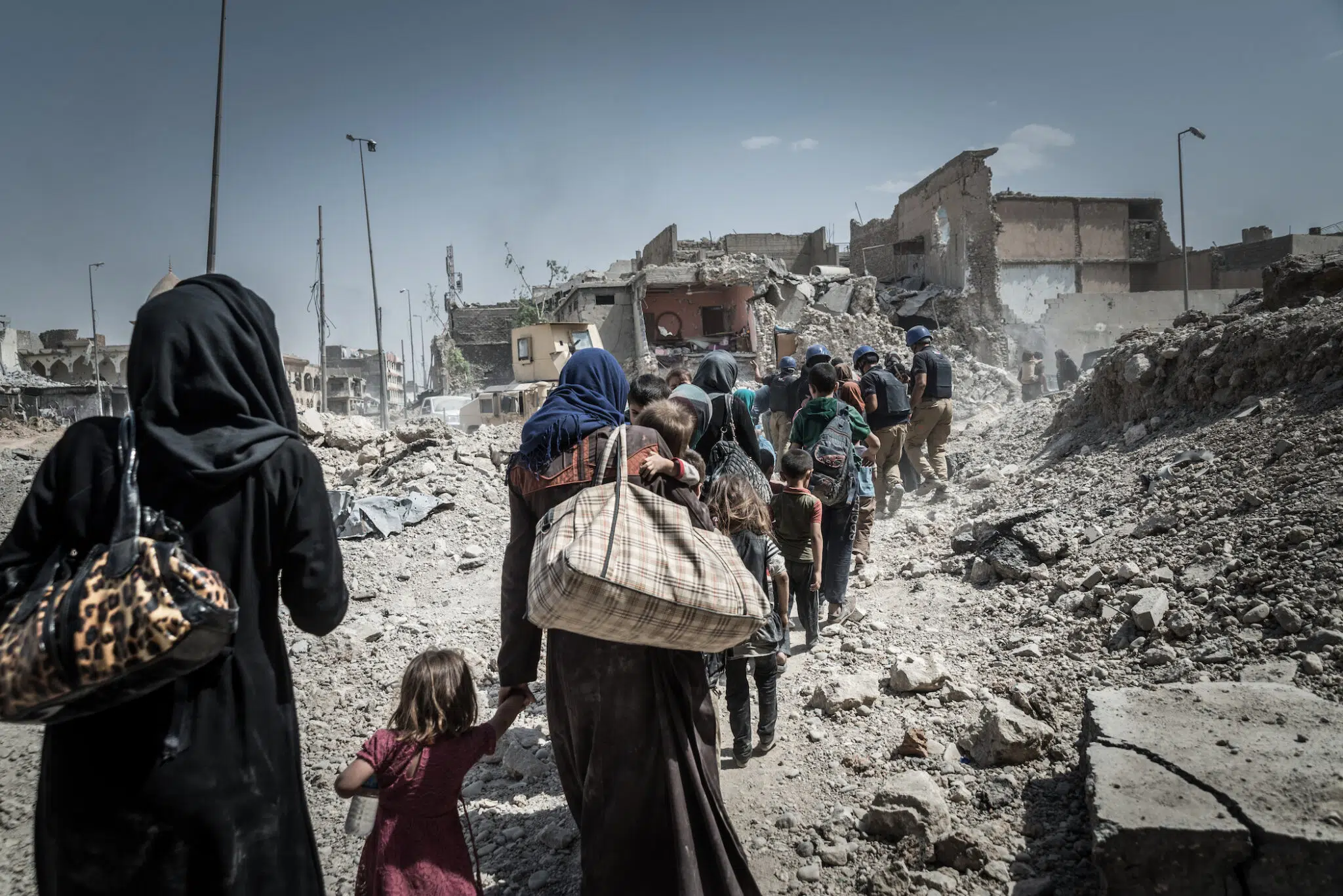
Iraq, July 4, 2017. Civilians flee the Old City of Mosul as the fighting to liberate the remaining pocket of ISIS-held territory continues.
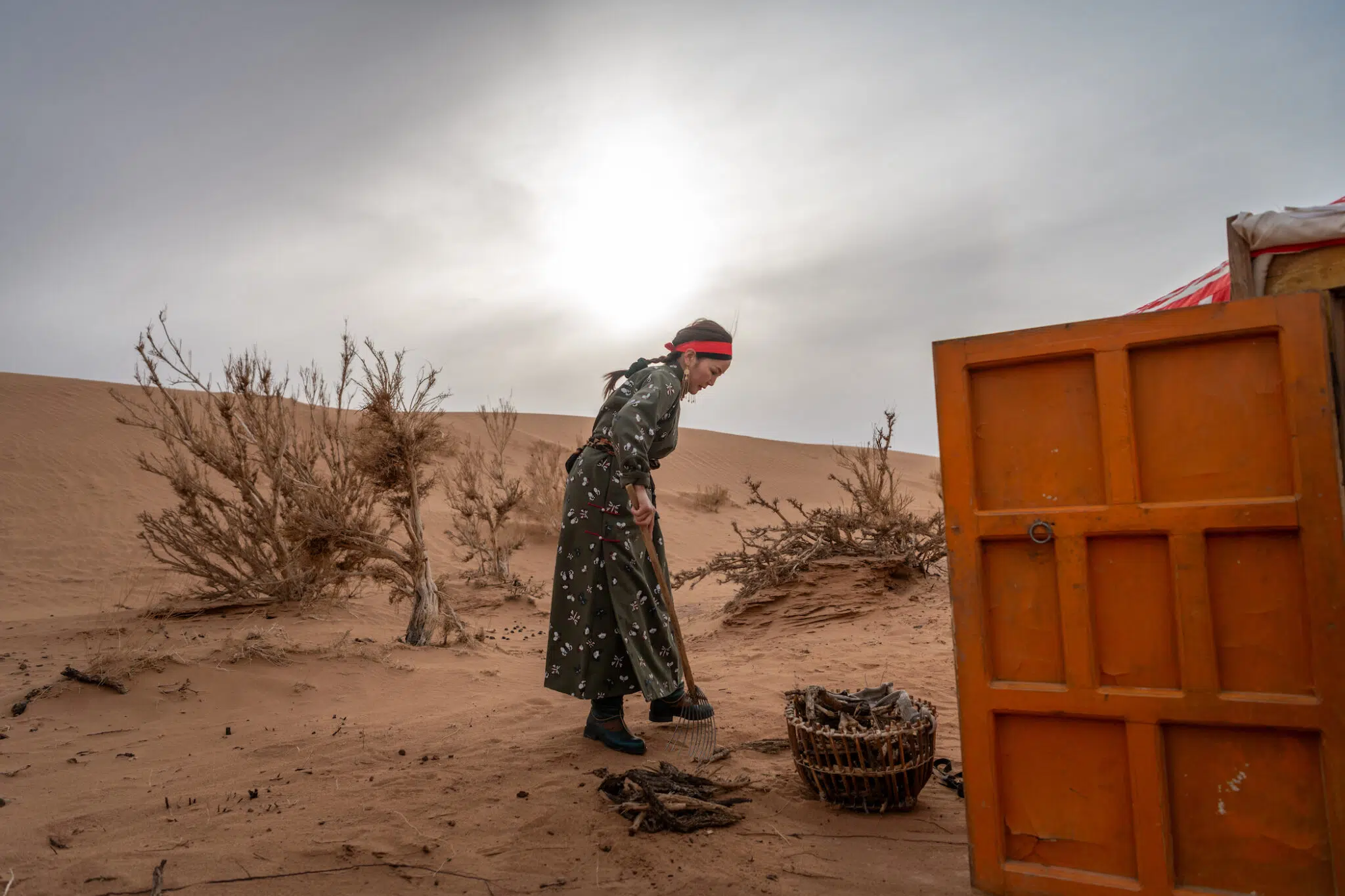
Mongolia, May 2023.
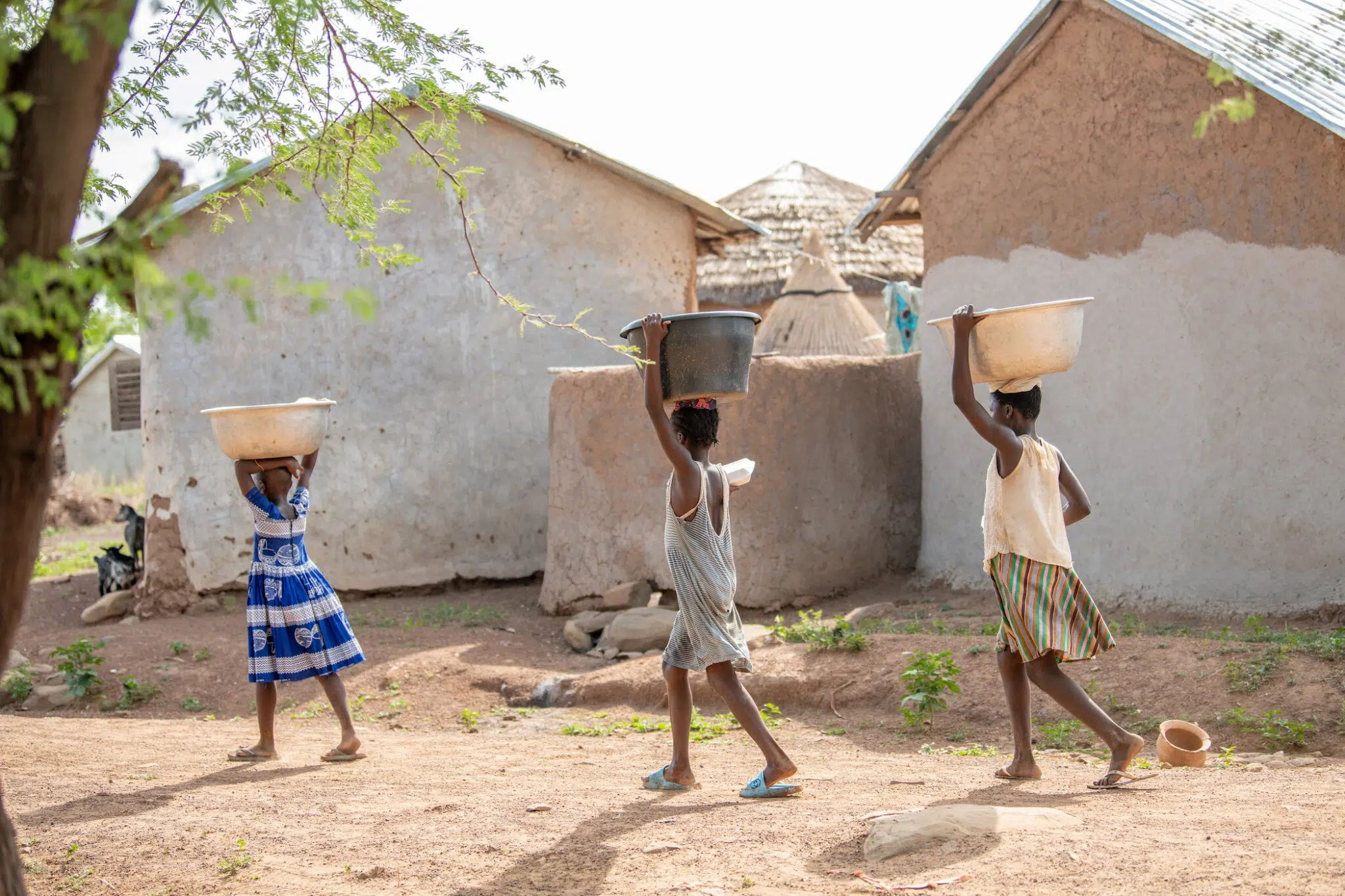
Ghana, May 11, 2025. Children carry water from the communal pump at the Gnani camp for women accused of witchcraft in northern Ghana. About 40 women live in exile at the camp after being banished from their communities. The stigma often extends to their children and grandchildren, as many believe spiritual powers can be inherited through birth.
What do you find most intriguing about photojournalism, and what do you think the field can reveal about culture, heritage, and humanity as a whole?
What I find most compelling about photojournalism is its ability to bear witness. A photograph can draw us into a moment we might otherwise never see, and allow us to stand, even briefly, in someone else’s reality. It can communicate emotion, atmosphere, and meaning in an immediate and instinctive way, often transcending language.
When approached with honesty and sensitivity, photojournalism has the power to reveal the layers of culture and heritage, not as abstract ideas, but as lived experience. It can show how people relate to their environment, their traditions, and to one another. It helps preserve ways of life that may be changing or disappearing, and gives visibility to stories that might otherwise go unnoticed.
For me, what makes photojournalism so powerful is that it is rooted in truth. What you are looking at is real. The people, the place, the moment all existed exactly as they appear. That authenticity creates a connection between the viewer and the subject. It allows us to recognize both the differences that define cultures, and the shared humanity that connects us all.
In a time when artificial intelligence is increasingly capable of generating convincing images, that foundation of truth and trust feels more important than ever. It reinforces the value of photographs created through lived experience, and the importance of supporting visual storytellers whose work is grounded in genuine human connection.
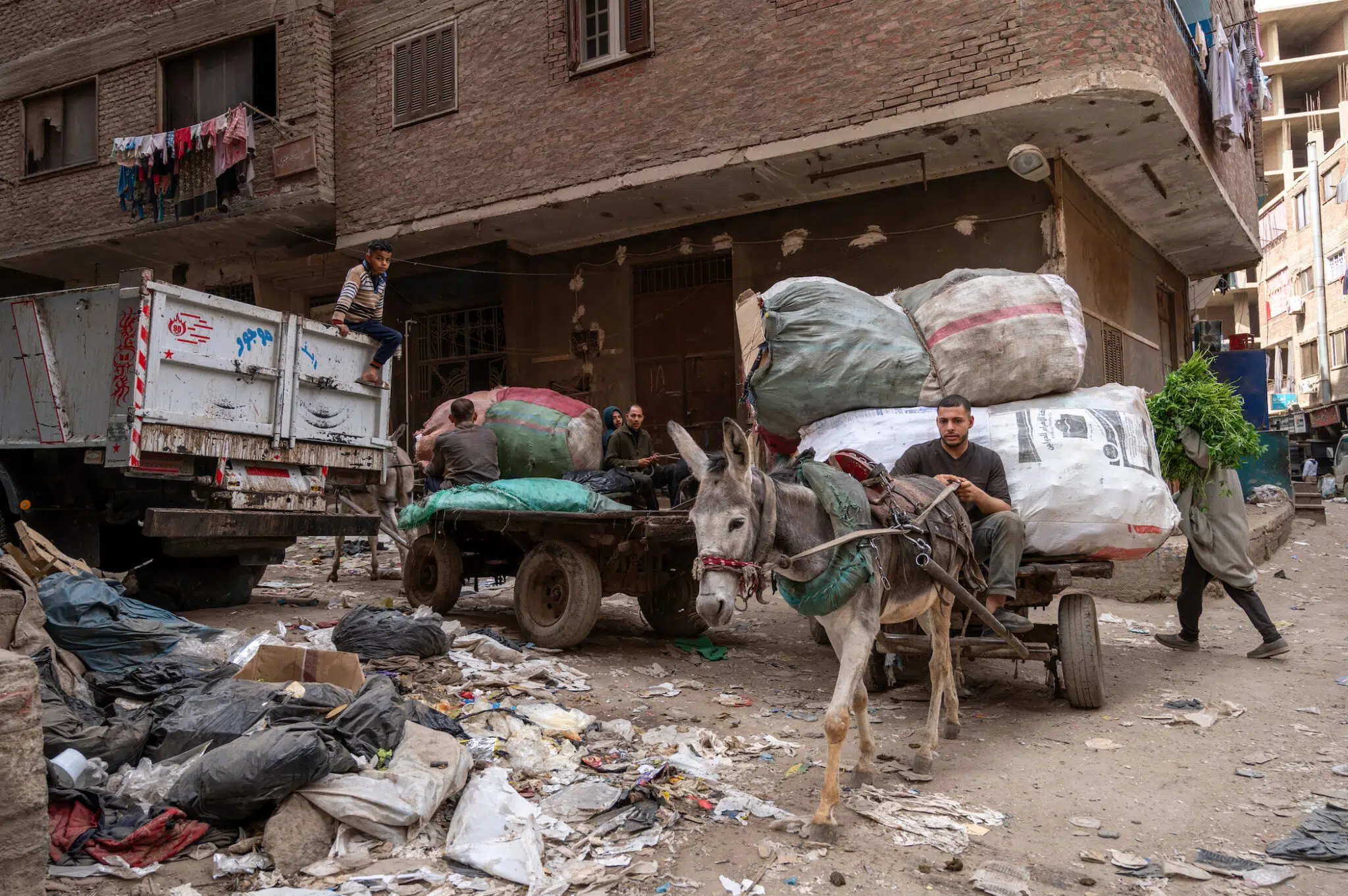
Egypt, March 2023. A donkey cart laden with sorted waste passes through one of Cairo’s Zabbaleen settlements, where the community plays a vital role in collecting, sorting, and recycling the city’s refuse.
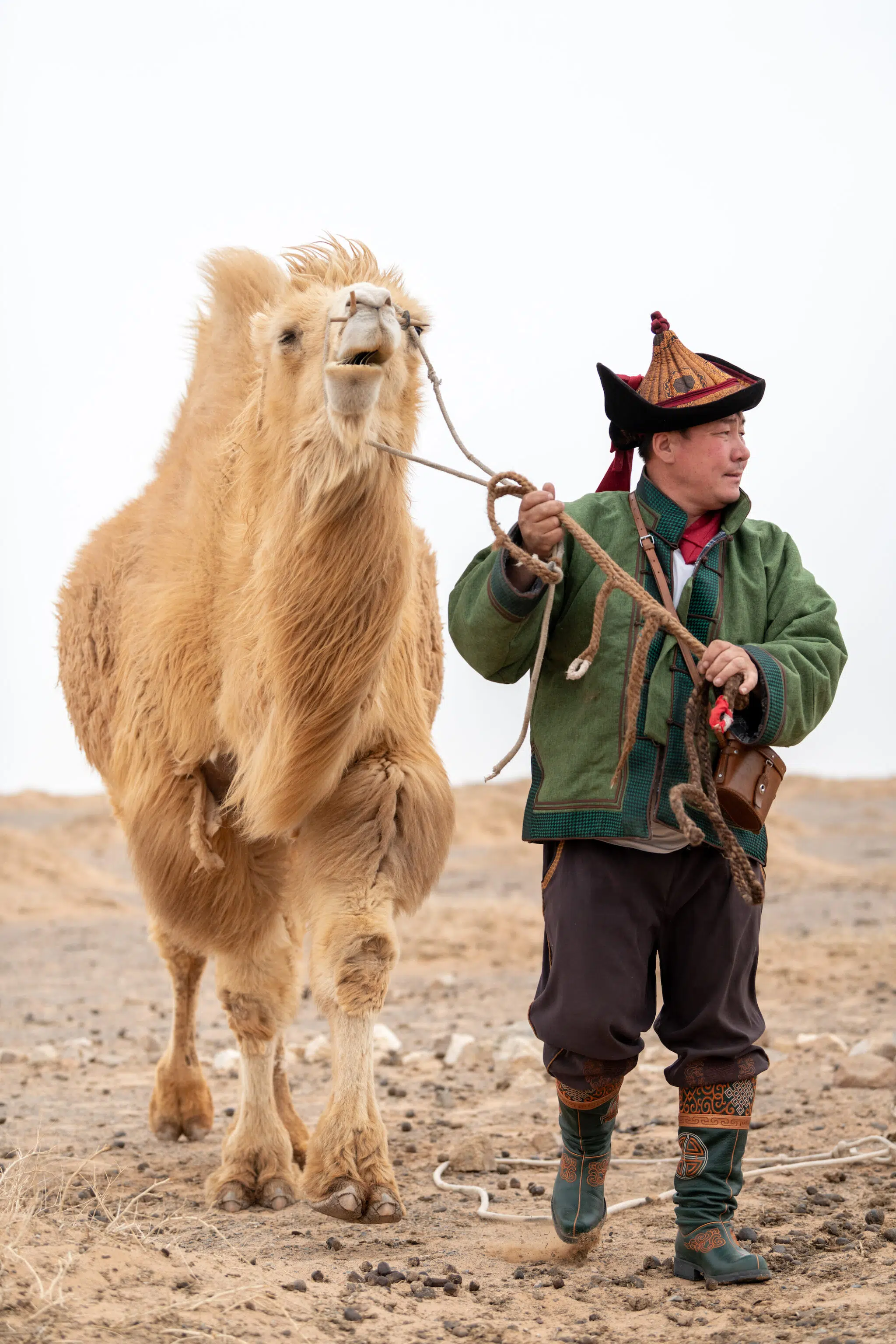
Mongolia, May 2023.
What are some of the most memorable moments within your photojournalistic career?
One of the earliest defining moments of my career came in 2015, when National Geographic published a photograph I captured of a camel yawning in front of the Pyramids of Giza in Egypt. At the time, I was teaching English in Spain and trying to figure out how to make photography my full-time profession. Seeing my image printed as a double-page spread was a huge confidence boost. I used the license fee to take a leap of faith and begin my career as a freelance photojournalist.
Soon afterwards, I moved to the West Bank, where I spent months documenting daily life for Palestinians living under military occupation. One image that has never left me is of a young boy being detained by Israeli soldiers for riding his bicycle in an area that had been cut off to Palestinians. The fear in his eyes, and the sudden loss of childhood innocence, was heartbreaking to witness. I later learned that he was released, but for many children in similar situations, the consequences can be far more severe.
In 2016, I traveled to Erbil, the capital of Iraqi Kurdistan, for what I thought would be a two-week independent assignment. Instead, I remained in Iraq for nearly three years. I became deeply invested in the story and in the people I met there, and over time the country came to feel like a second home. During that period, I documented the burning oil wells in the town of Qayyarah, which had been set alight by retreating ISIS fighters. For months, thick black smoke engulfed entire communities, turning the sky dark and coating the landscape in soot. It was one of the most visually dramatic and environmentally devastating scenes I had ever witnessed, and that work later became the cover story for Geographical Magazine.
One of the most impactful experiences of my career, and of my life, was documenting the work of volunteer medics operating less than a kilometer behind the frontline in the Old City of Mosul during the battle to defeat ISIS. For three weeks, I lived alongside them as they risked their lives each day to provide lifesaving care to civilians and soldiers injured in the fighting. It was an experience that exposed me to both the worst and the best of humanity.
Another major milestone came in February 2021, when the New York Times published my feature and images from the Altai series. I was based in New York at the time, and with the world in lockdown during COVID, travel was almost impossible. That period of stillness gave me the space to reflect on the stories I wanted to tell going forward, and to focus more intentionally on sharing my work. The exposure from the New York Times brought the Altai series to a much wider audience, and many of the photographs, including several now featured in the book, were acquired by collectors around the world.
More recently, I completed an important long-term project that I have been following since 2008, documenting the lives of women in northern Ghana who have been accused of witchcraft and banished to remote camps. Supported by the Pulitzer Center, the work explores the profound injustice these women face, as well as their resilience and efforts to rebuild their lives despite decades of stigma and exile.
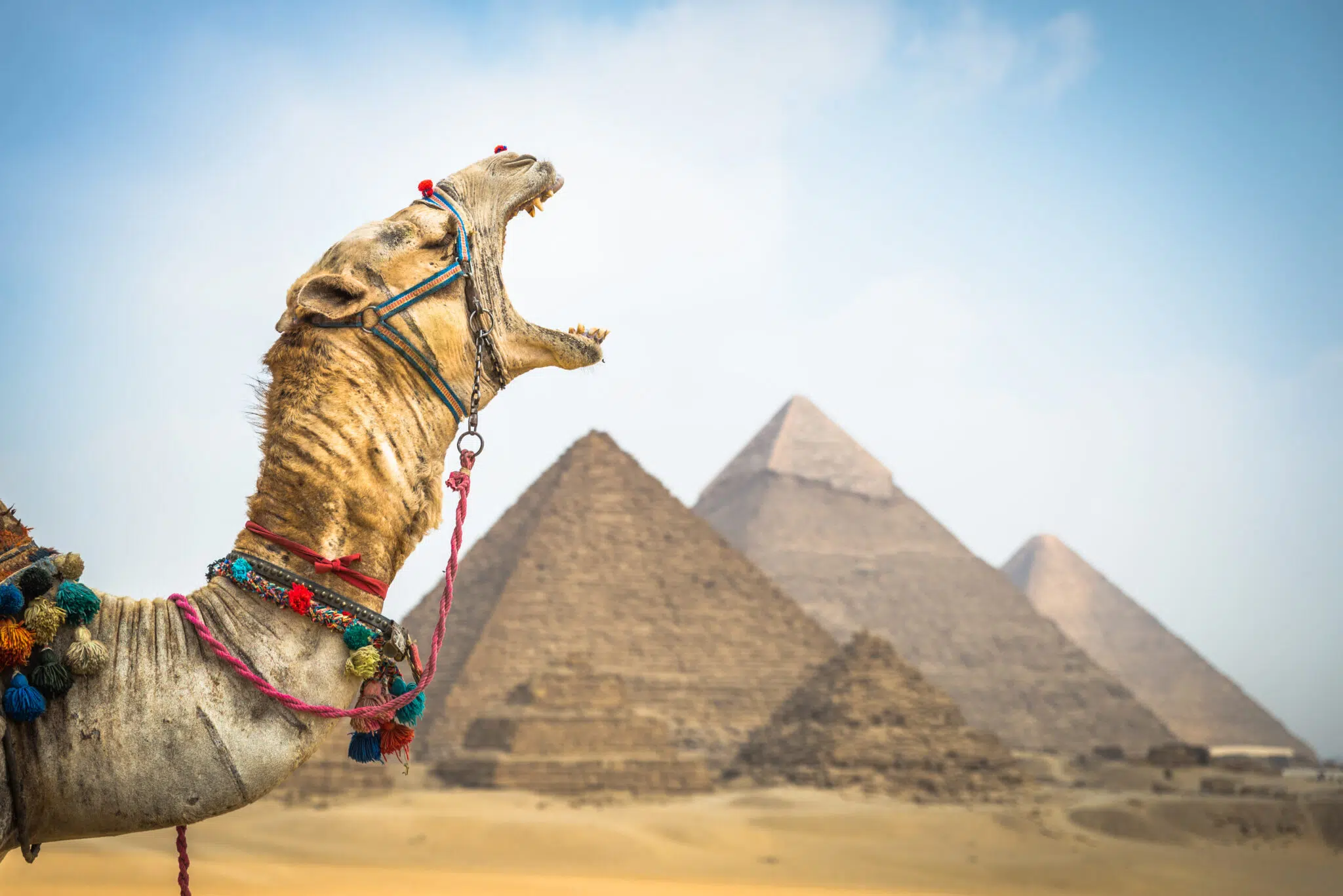
Egypt, 2015. A camel yawns before the Pyramids of Giza on the outskirts of Cairo.
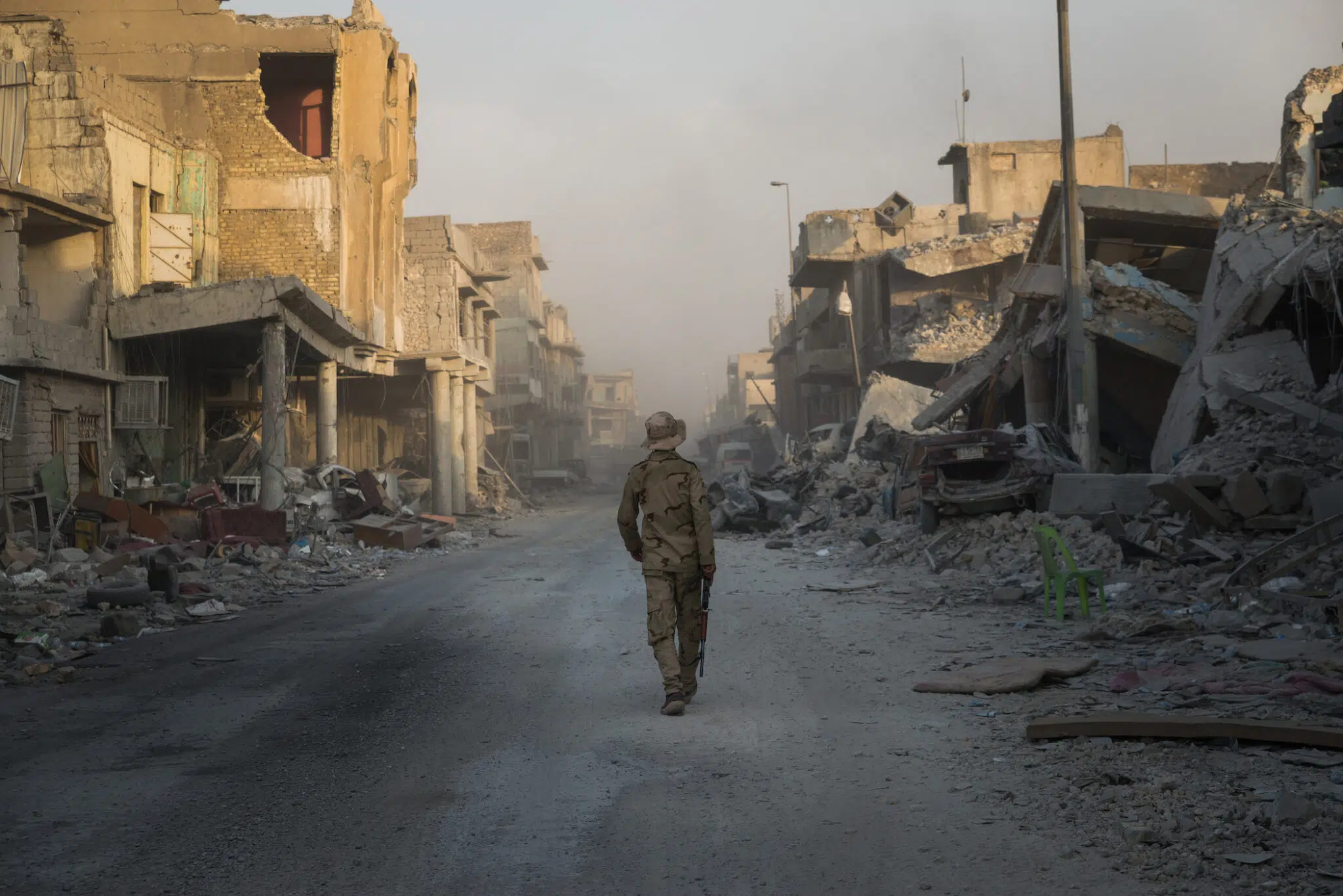
Iraq, July 9, 2017. An Iraqi soldier walks along a street in Mosul's devastated Old City as Iraq's Prime Minister Haider al-Abadi declared victory against the Islamic State in Mosul.
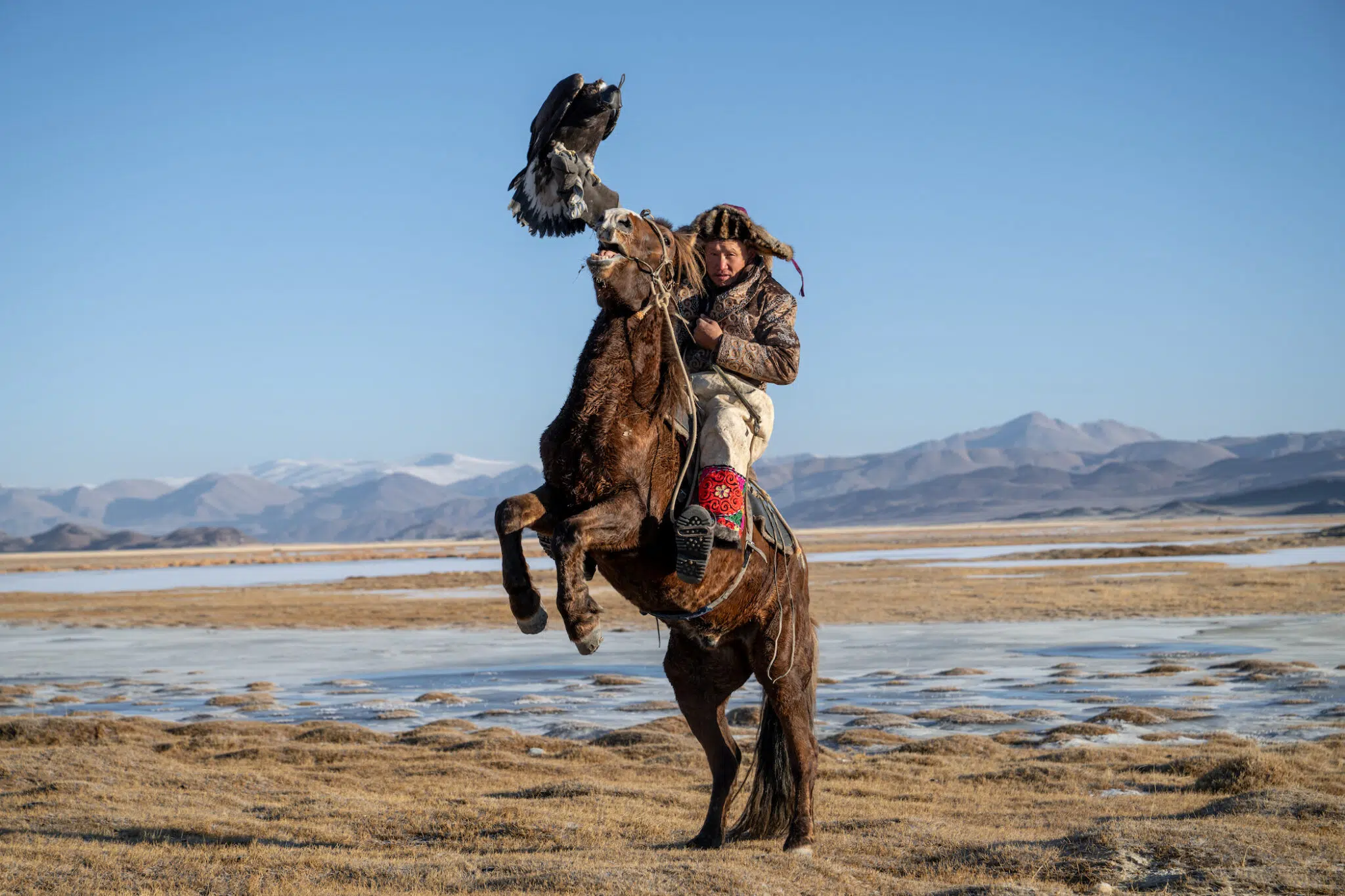
Mongolia, October 2025. Marat, a Kazakh eagle hunter, rises with his rearing horse as he balances his golden eagle against the vast backdrop of the Altai Mountains.
When were you first introduced to the Mongolian herders and hunters of the Altai Mountains?
I first traveled to Mongolia in October 2019, a few months after leaving Iraq. At the time, I felt I needed to step away, at least temporarily, from documenting stories shaped by conflict, displacement, and human loss, and to reconnect with something more personal. Horses had been a central part of my life growing up in Wales, and I found myself drawn to places where the relationship between people and animals remained essential to everyday survival.
I joined a small group of photographers traveling to western Mongolia, and it was there that I first met the Kazakh eagle hunters and herding families who would later become the heart of my book, Altai. I remember immediately feeling a sense of calm and belonging in the Altai Mountains. There was a quiet strength in the way people lived, intimately connected to the land, the seasons, and their animals.
What began as a single visit quickly became something much more enduring. I returned again and again, building relationships that have now spanned more than six years.
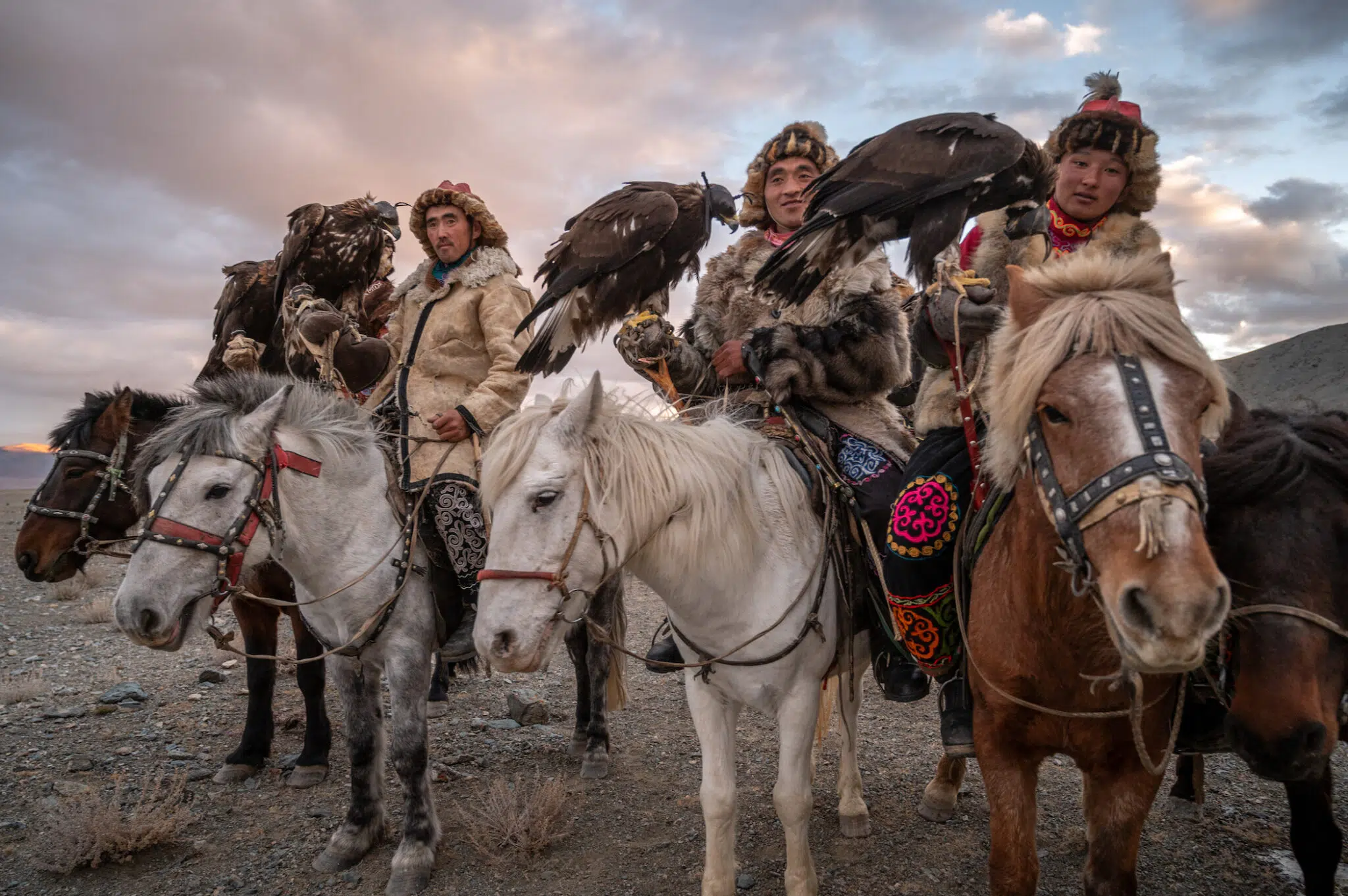
Mongolia, October 2024. High in the Altai Mountains, a group of Kazakh horsemen gather with their golden eagles, carrying forward a centuries-old tradition of eagle hunting.
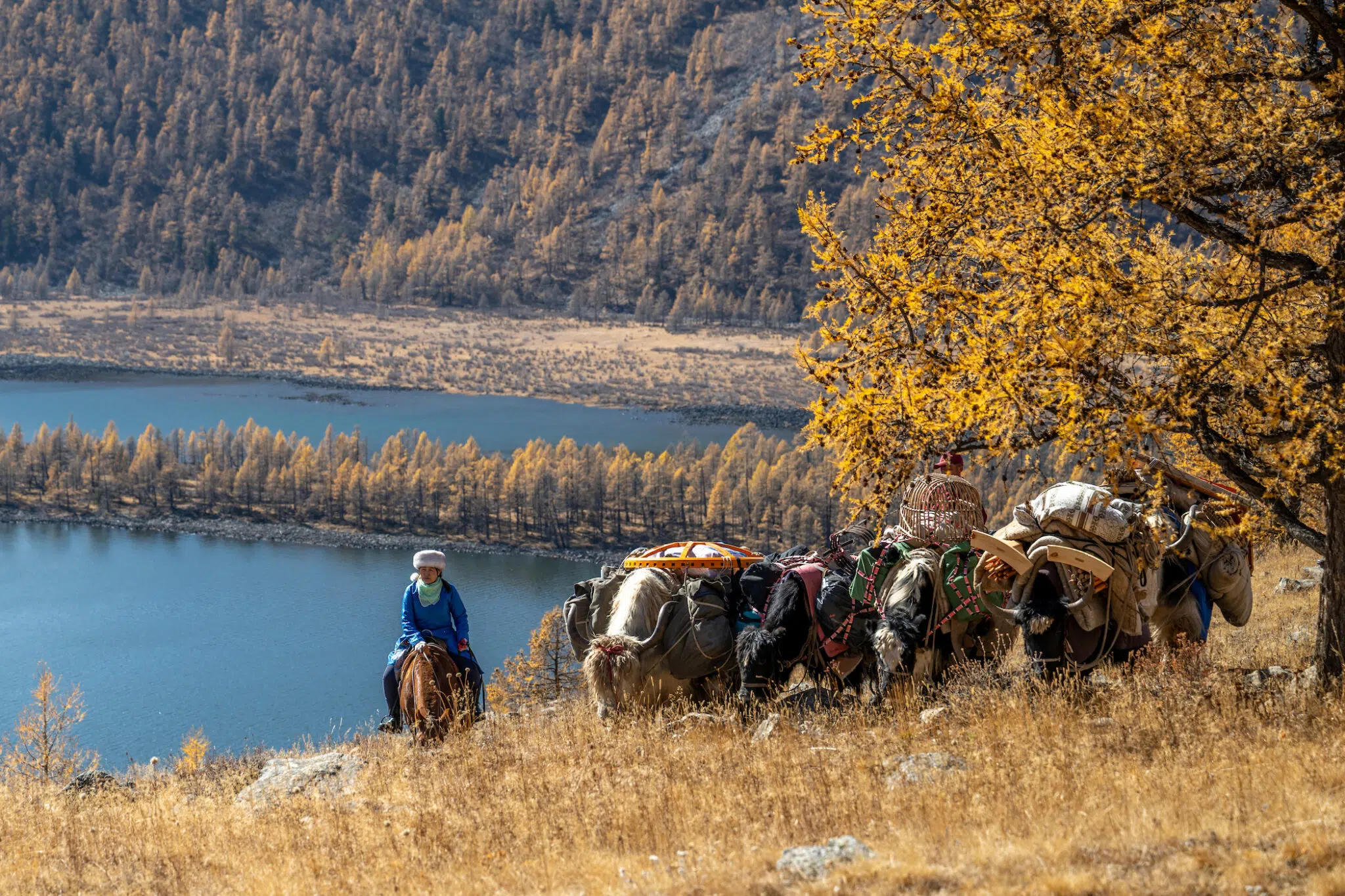
Mongolia, October 2025.
What was the process of documenting the lives of these herders and hunters? What was the relationship between you and your subjects?
The work evolved slowly and organically. In the beginning, I was simply a guest, observing and trying to understand daily life. Over time, I stopped arriving as a photographer first, and instead returned as a friend. I stayed with families in their homes, shared meals, and spent long stretches of time without photographing at all. The camera only came out when it felt natural and appropriate.
Many of the people in the book, including Khayni, a herder, and her family, have become incredibly important to me. I have watched her grandchildren grow up over the years, returning season after season and witnessing the evolving rhythms of their lives. These repeated visits allowed for a deeper level of trust, and for moments to unfold with honesty and ease.
On my first visit to the Altai, I also met an elderly woman named Baygan, whose portrait appears in the book. Her grandson, Arkalak, a fierce eagle hunter, is featured on the cover. Although I only met Baygan once, I felt an immediate connection with her. She had a wise and somewhat mischievous expression, as though she knew you and your secrets. When I returned shortly after she had passed away, I was moved to see her portrait displayed inside her family’s ger. It was a powerful moment, and a reminder of the responsibility that comes with documenting someone’s life.
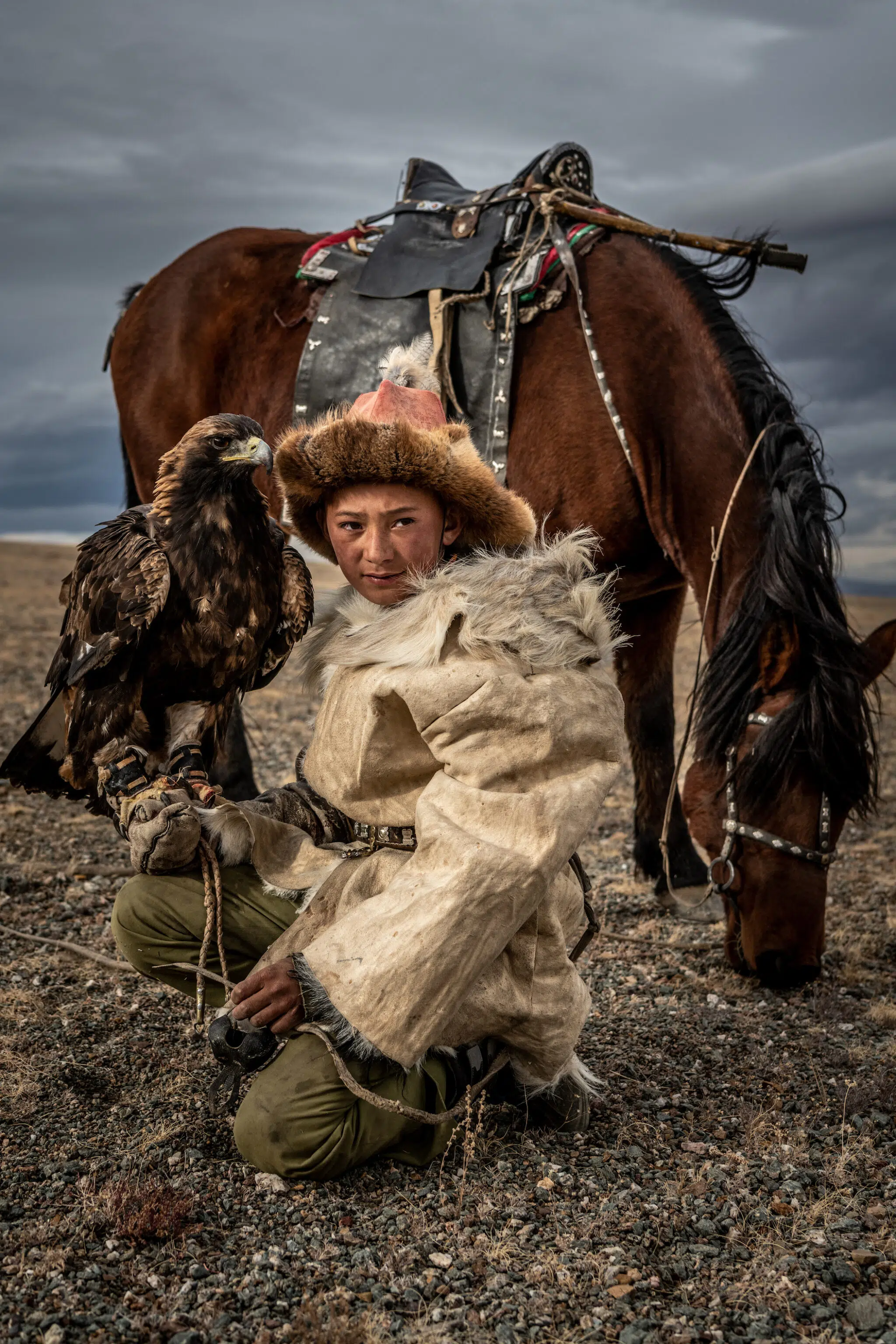
Mongolia, October 2019. 12-year-old eagle hunter Arkalak holds his golden eagle in the Altai Mountains. Following Kazakh tradition and inspired by his father, he began training his own eagle when he was just ten years old.
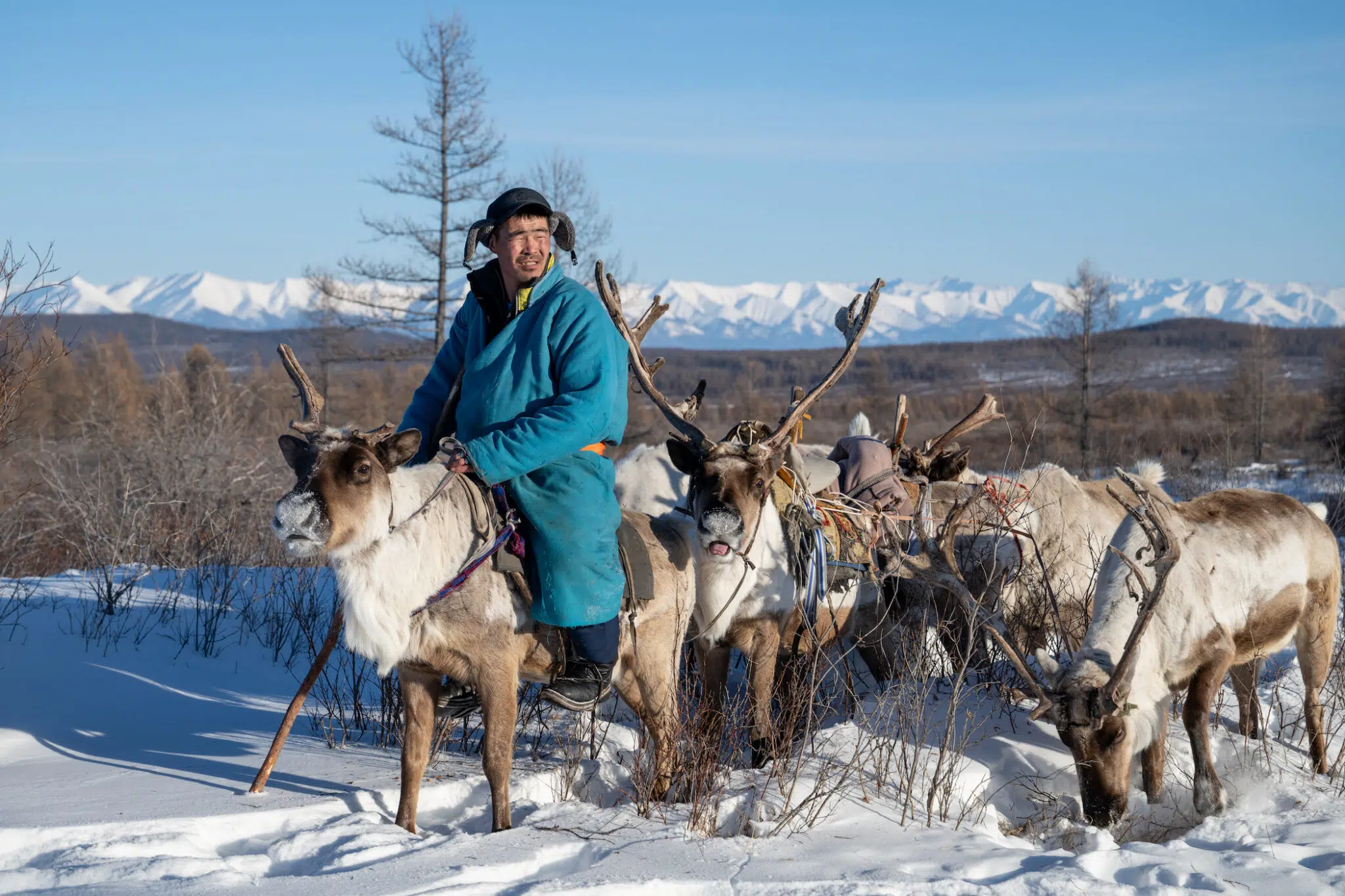
Mongolia, February 2026.
What do you hope the photographs and portraits from the Altai Mountains will reveal about Mongolia and its people, culture, and history?
I hope the photographs offer a nuanced and human portrait of Mongolia, and of the rich cultural heritage of the Kazakh families who live in the Altai Mountains. These communities maintain traditions that have been passed down through generations, including the ancient practice of hunting with golden eagles, a partnership built on trust, patience, and mutual dependence.
But what stayed with me most was not only the tradition itself, but the strength and adaptability of the people behind it. Life in the Altai is shaped by extremes—long, unforgiving winters, geographical isolation, and the constant movement required to sustain both livestock and family. Yet within that, there is also continuity, dignity, and a powerful sense of identity, rooted in a close relationship with the land and their animals.
I hope the photographs convey both the beauty and the complexity of this way of life, and allow viewers to see beyond familiar symbols or romanticized ideas. Above all, I hope they reflect the individuality of the people themselves—their humor, their resilience, and the quiet rhythms of their everyday lives.
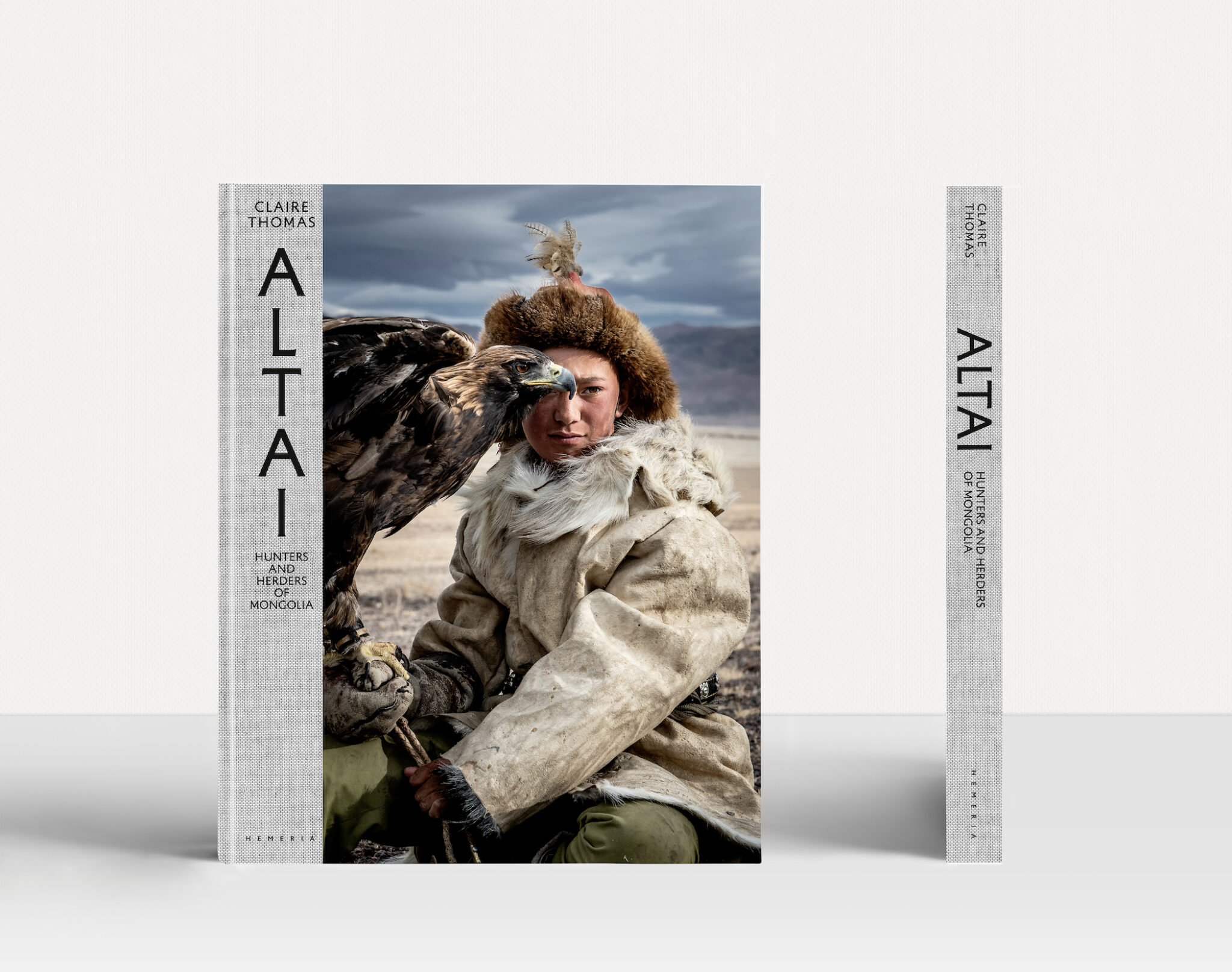
The front cover of “Altai: Hunters and Herders of Mongolia” by Claire Thomas, published by Hemeria, a boutique press founded in 2018 that specializes in fine photography books. ($60.00 via Hemeria)
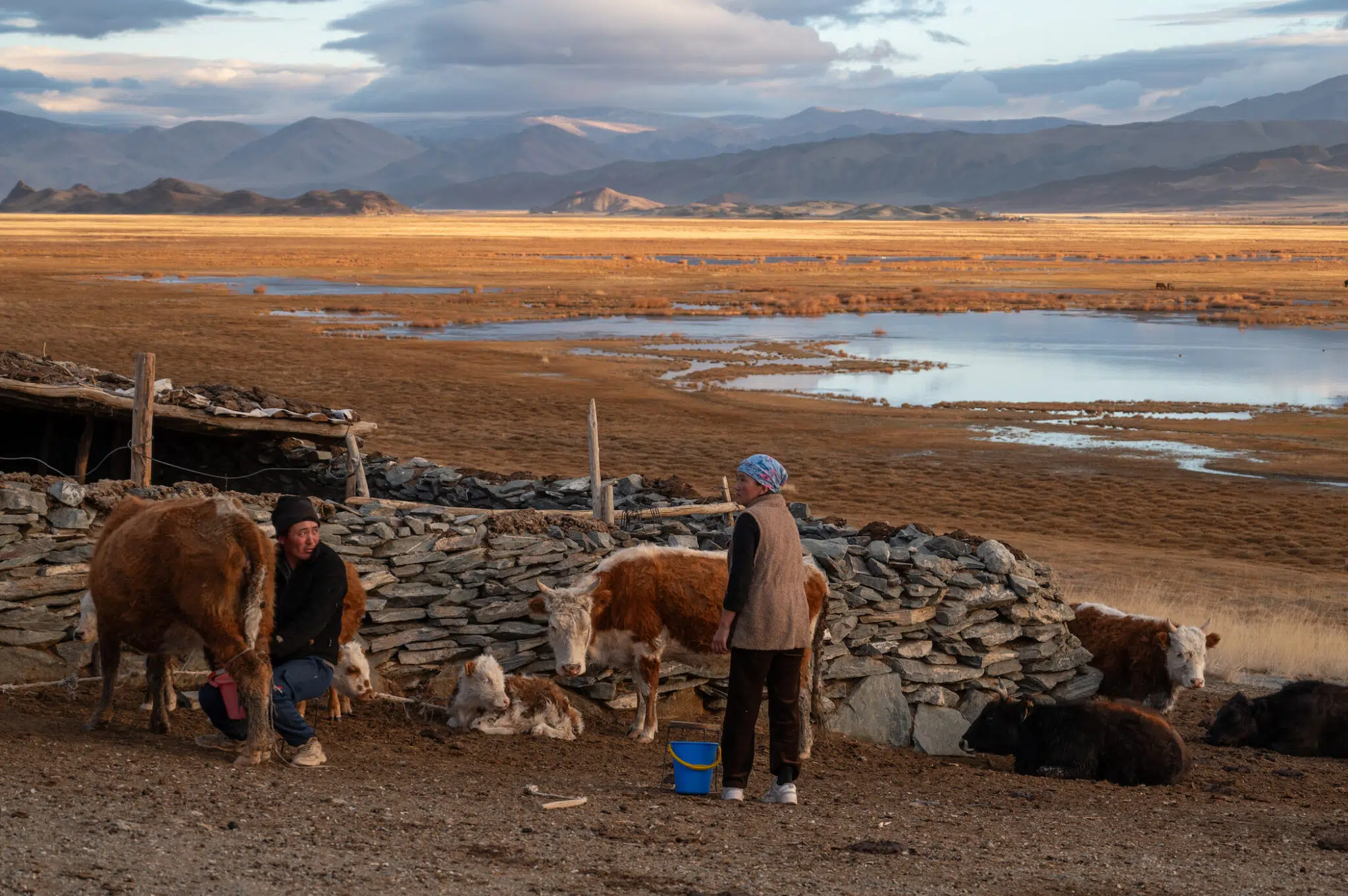
Mongolia, 2024. Kazakh herders Erlan and his wife Jangalgan milk their cows outside their home in the Altai Mountains, where daily work is shaped by the rhythms of herding life.
What was the process of compiling the series into the Altai monograph?
The editing process was one of the most challenging parts of the entire project. Over six years and multiple journeys to the Altai, I accumulated thousands of photographs, each tied to specific memories and relationships. It was often difficult to separate the emotional significance of an image from its role within the larger story.
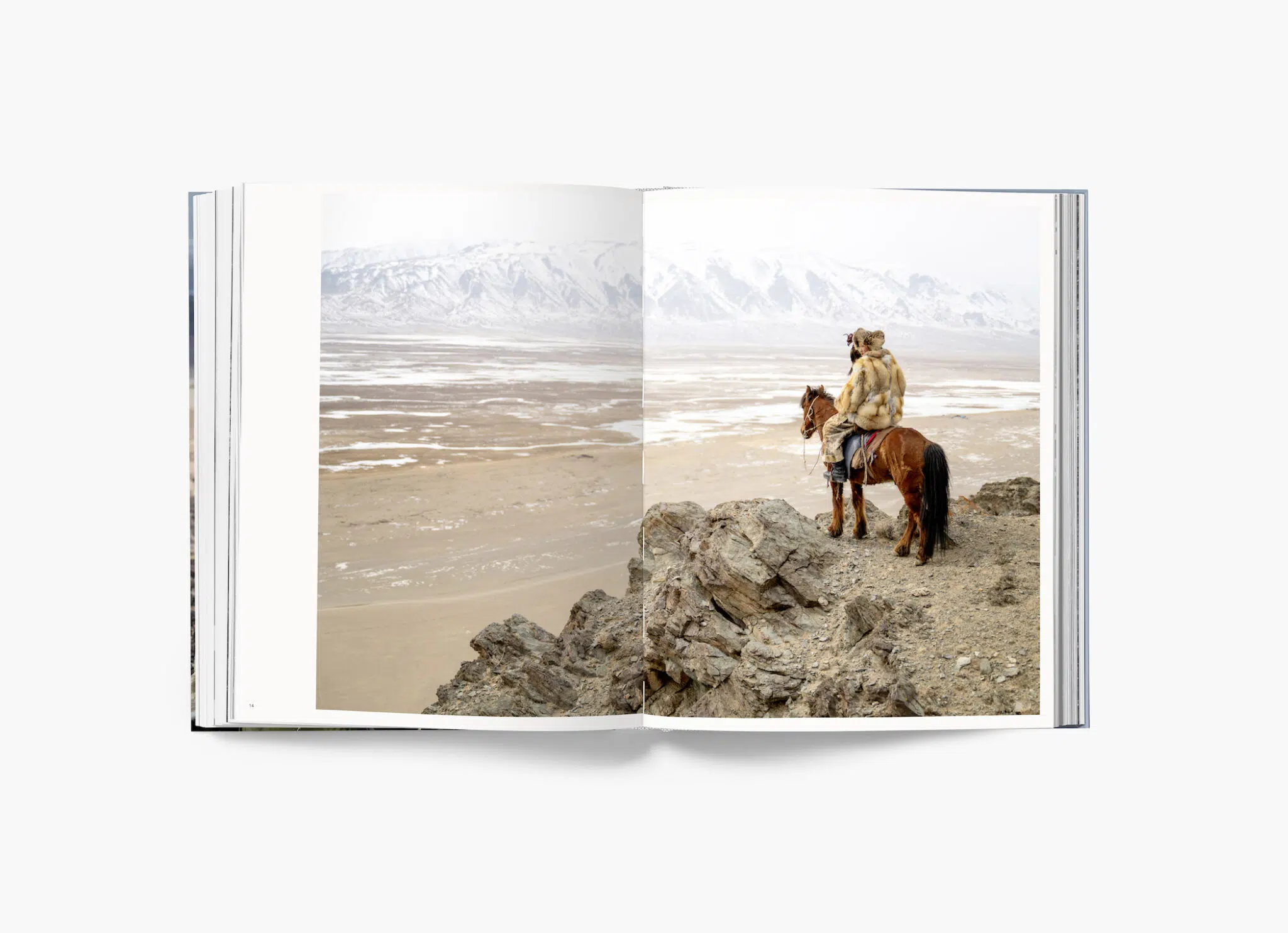
The first step was to step back and think about the emotional structure of the book. Rather than organizing it chronologically, I began to see it as a journey through the core aspects of life in the Altai, and structured it around four central themes: Horses, Hunting, Herding, and Home. This allowed the narrative to unfold in a way that felt more immersive and true to the rhythm of life there.
Working closely with my publisher, Hemeria, in Paris, we spent months refining the sequence and carefully considering how each image connected to the next. The process was less about selecting individual photographs, and more about understanding how they spoke to one another across the pages. We paid close attention to rhythm, balance, and the quieter moments, allowing space for reflection as well as action.
The final book became less about showcasing individual photographs, and more about creating a cohesive and immersive portrait of a place and the people who call it home.
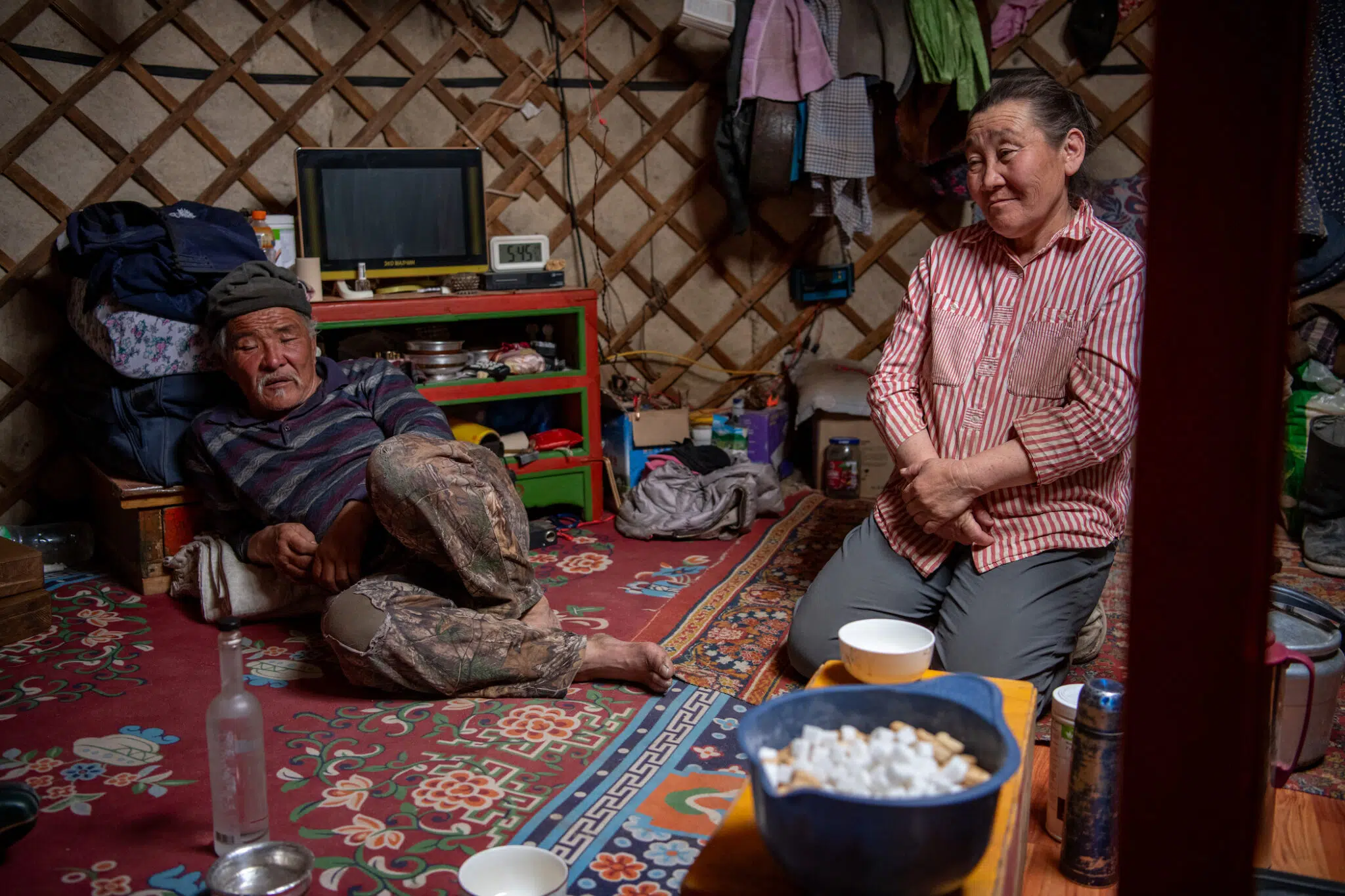
Mongolia, May 2023. 59-year-old Bayanbileg and his wife, Odonchimeg, 58, parents of seven children, sit together inside their home in Mongolia’s Gobi Desert. Together, they care for a herd of approximately 200 camels, 20 cows, 200 sheep and goats, and 50 horses.
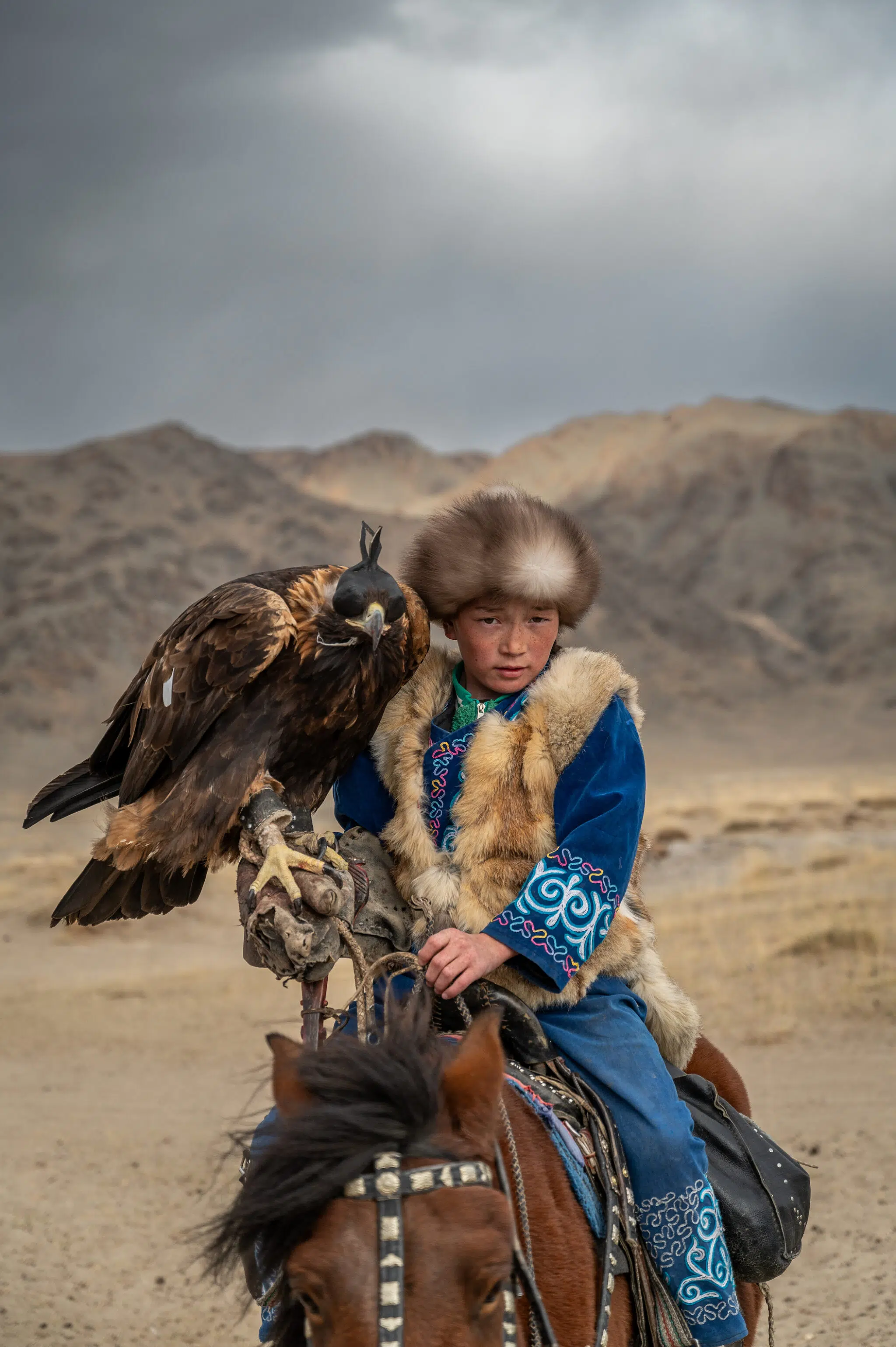
Mongolia, October 2024. Aykerim, 12, rides her horse while carrying a golden eagle on her arm. The youngest of five siblings, she is learning the ancient art of eagle hunting from her father, Rakhimbyek. Traditionally passed from father to son, this skill is now being embraced by more Kazakh girls in Bayan-Ölgii province, helping to keep the centuries-old tradition alive.
What do you hope people will take away from Altai?
More than anything, I hope people will feel a sense of connection. I hope the book allows viewers to slow down and spend time with these communities, to see beyond the surface, and to recognize the shared humanity that connects us, even across vast distances and very different lives.
Every time I return to the Altai, I am struck by the generosity, resilience, and strength of the families who have welcomed me into their lives. Their way of life is physically demanding and often uncertain, yet it is grounded in deep knowledge, tradition, and an extraordinary relationship with both animals and the land. In a world that is changing so rapidly, I hope the book helps preserve a small part of those lived experiences, and honors the people who entrusted me with their stories.
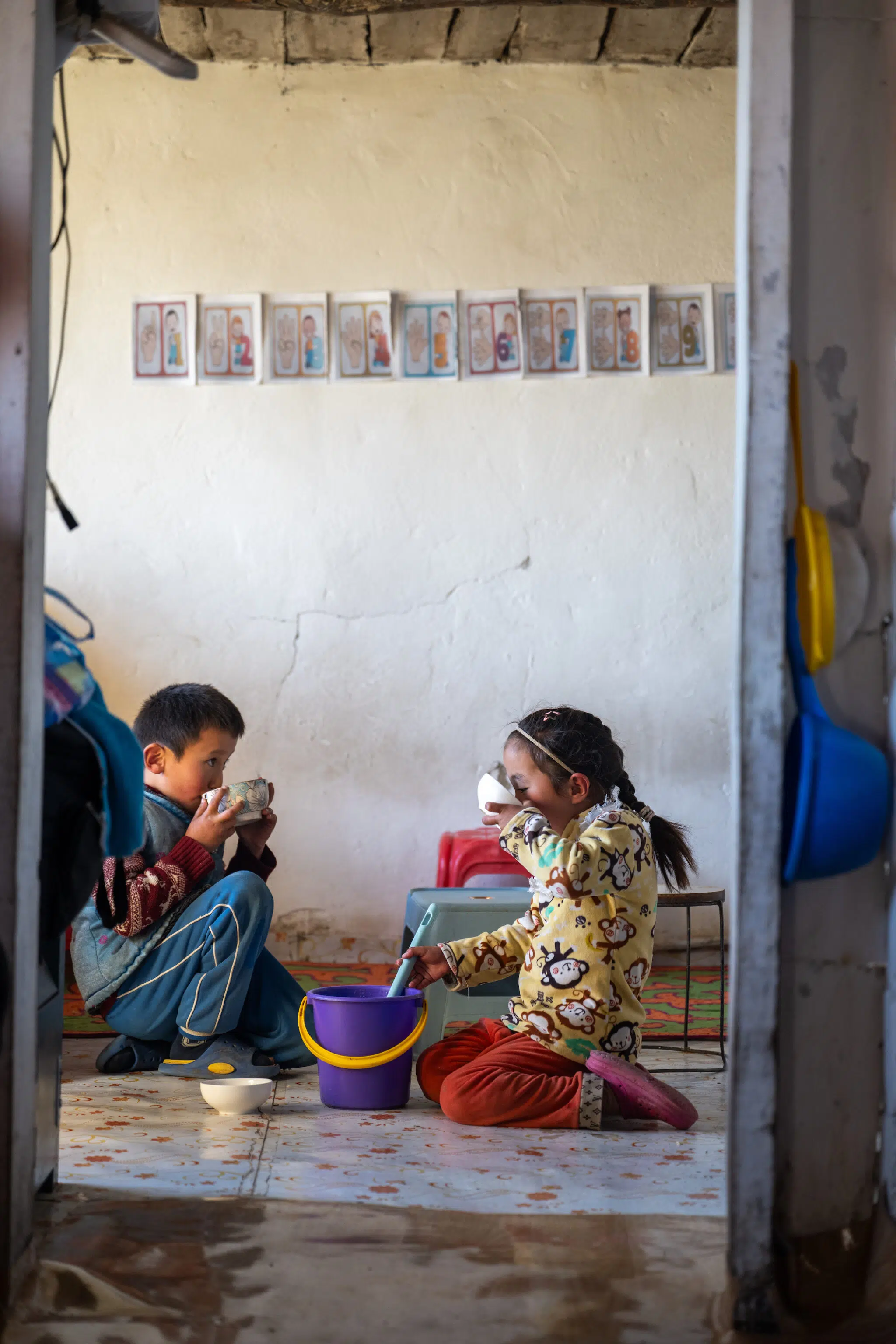
Mongolia, October 2025. Siblings Bagdaulyet, 7 (l.), and Achbota, 5, drink fresh cow’s milk from bowls inside their family home near the soum—or village—of Ulaankhus.