What motivates you to wake up in the morning and tackle your day? How do you make your choices? Many of us, consciously or not, have developed a unique code of rules, ethics, and values that guide our day-to-day lives. What’s in your code may not be in someone else’s–or, more dramatically, the two may be diametrically opposed. In today’s times, where there’s a constant barrage of overwhelming and conflicting information, ideals, and opinions, it can be difficult to find common ground with others.
An obscure piece of American history may be a key in recovering some of that connective gap we’re dealing with today. Titled The Hobo Ethical Code of 1889, this document outlines 15 cardinal rules for living that emphasize compassion, honesty, and respect, even if it wasn’t always afforded to them first.
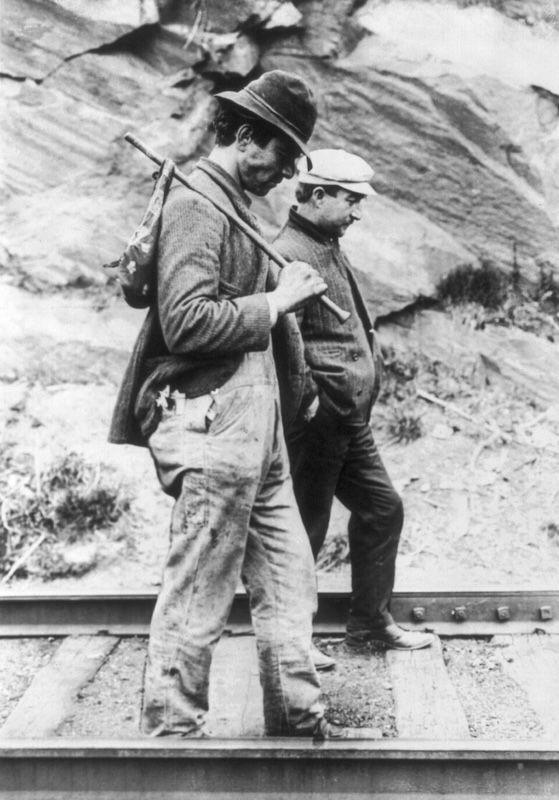
While the term is considered derogatory today, “hobos” referred to migrant workers who were constantly on the move in the United States. They would take on odd jobs to survive, traveling by train during the railroad expansion between the mid-19th to the mid-20th century. These workers often faced discrimination for their unconventional way of life, despite their motivations to work. Eventually, a number of them formed a union, called Tourist Union #63, to avoid anti-vagrancy laws.
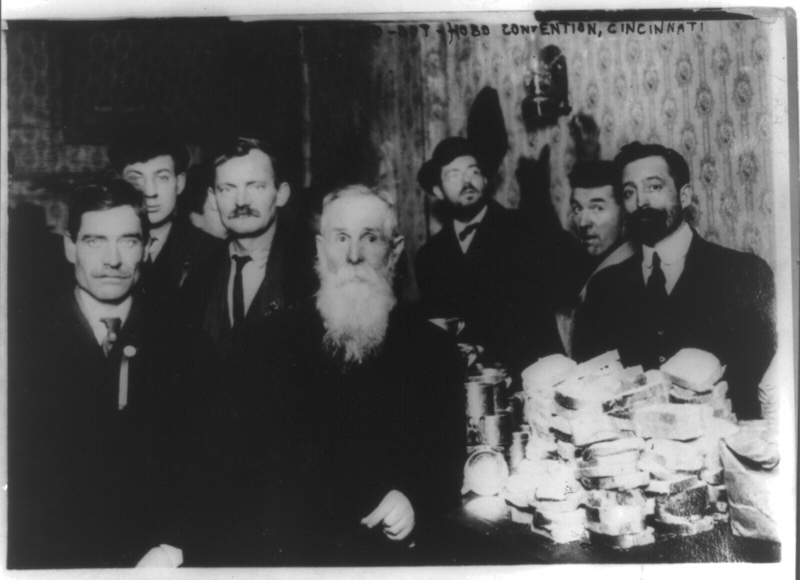
This union organized annual conventions, and it was at the 1889 event in Chicago, Illinois, that its ethical code was drafted. Read on to see what the code entails, and take what resonates.
An ethical code from 1889 contains rules to live by, with many ideas that are still relevant today.
The Hobo Ethical Code of 1889 was established during an annual convention held in Chicago in August 1889.
The Ethical Code:
- Decide your own life; don’t let another person run or rule you.
- When in town, always respect the local law and officials, and try to be a gentleman at all times.
- Don’t take advantage of someone who is in a vulnerable situation, locals or other hobos.
- Always try to find work, even if temporary, and always seek out jobs nobody wants. By doing so you not only help a business along, but ensure employment should you return to that town again.
- When no employment is available, make your own work by using your added talents at crafts.
- Do not allow yourself to become a stupid drunk and set a bad example for locals’ treatment of other hobos.
- When jungling* in town, respect handouts, do not wear them out, another hobo will be coming along who will need them as badly, if not worse than you.
- Always respect nature, do not leave garbage where you are jungling.
- If in a community jungle, always pitch in and help.
- Try to stay clean, and boil up wherever possible.
- When traveling, ride your train respectfully, take no personal chances, cause no problems with the operating crew or host railroad, act like an extra crew member.
- Do not cause problems in a train yard, another hobo will be coming along who will need passage through that yard.
- Do not allow other hobos to molest children; expose all molesters to authorities…they are the worst garbage to infest any society.
- Help all runaway children, and try to induce them to return home.
- Help your fellow hobos whenever and wherever needed, you may need their help someday.
*jungling: refers to living or staying in a “jungle,” or a communal camp that was often set up near train tracks, where people would rest, gather, and share food while traveling.

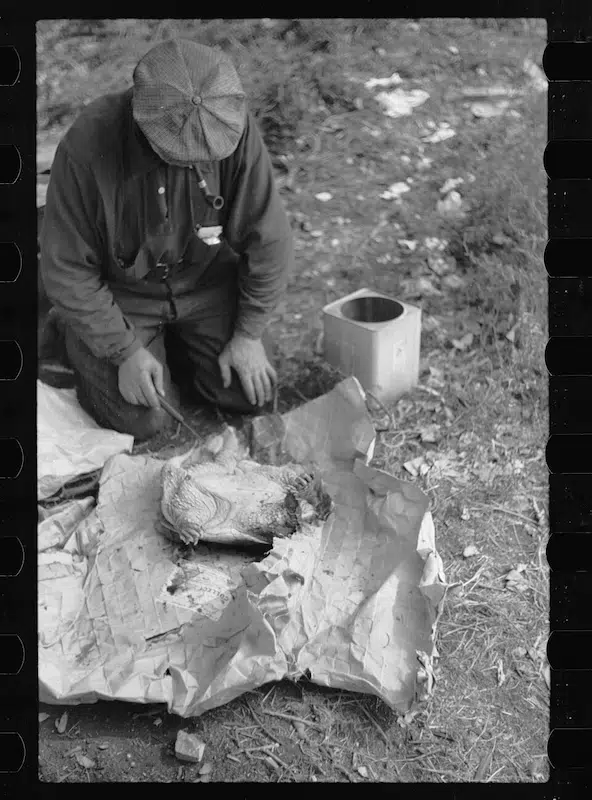
Migrant workers who moved from place to place in search of work during the late 19th century were called “hobos,” and often suffered discrimination for their unconventional lifestyle.

Nonetheless, the Hobo Ethical Code emphasized compassion, honesty, and respect–tenets we should strive to live by even today.
Sources: The Hobo Ethical Code of 1889: 15 Rules for Living a Self-Reliant, Honest & Compassionate Life
Related Articles:
Pope Leo XIV Explains the Significance of His Name and Why It’s Key for Our Current Times
Google Engineer Claims Its AI Has Feelings, but Experts Have Far Deeper Concerns
If You Ever Come Across a Rock Cairn, Yosemite National Park Says to Knock It Over
Discover the Rich History of the Hobo Nickel and Meet the Artists Keeping the Craft Alive