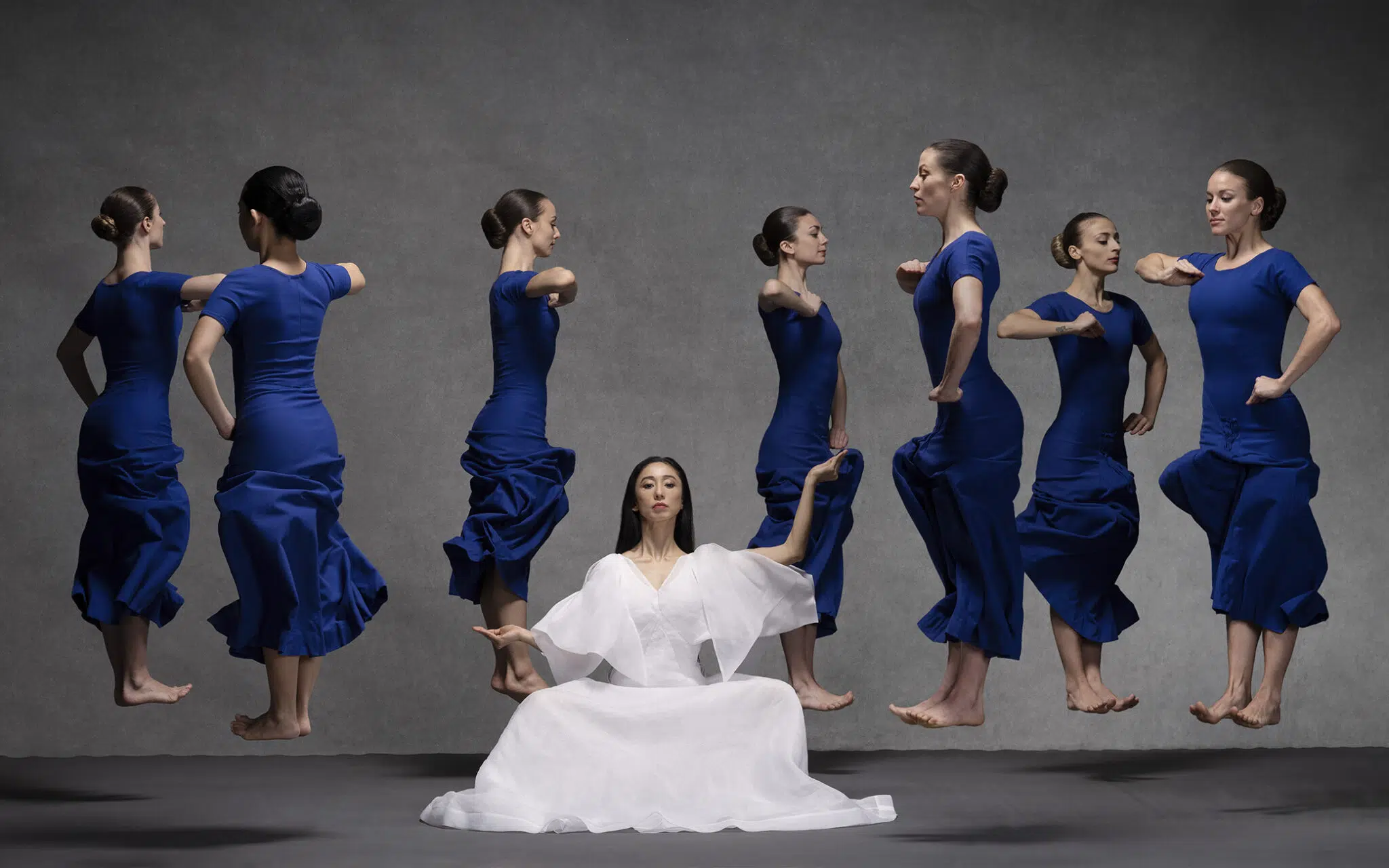
“Primitive Mysteries.”
In 1926, Martha Graham founded her eponymous dance company, all while living and working out of a tiny studio in Carnegie Hall. But, over time, Graham’s intense dedication and unwavering vision yielded fruit. By the end of her seven-decade career, she had produced 181 ballets and revolutionized the art of dance, transforming the Martha Graham Dance Company into one of the country’s most prestigious leagues of dancers and choreographers. Now, as the company’s centennial approaches, celebrations are already in progress—including a brand-new book.
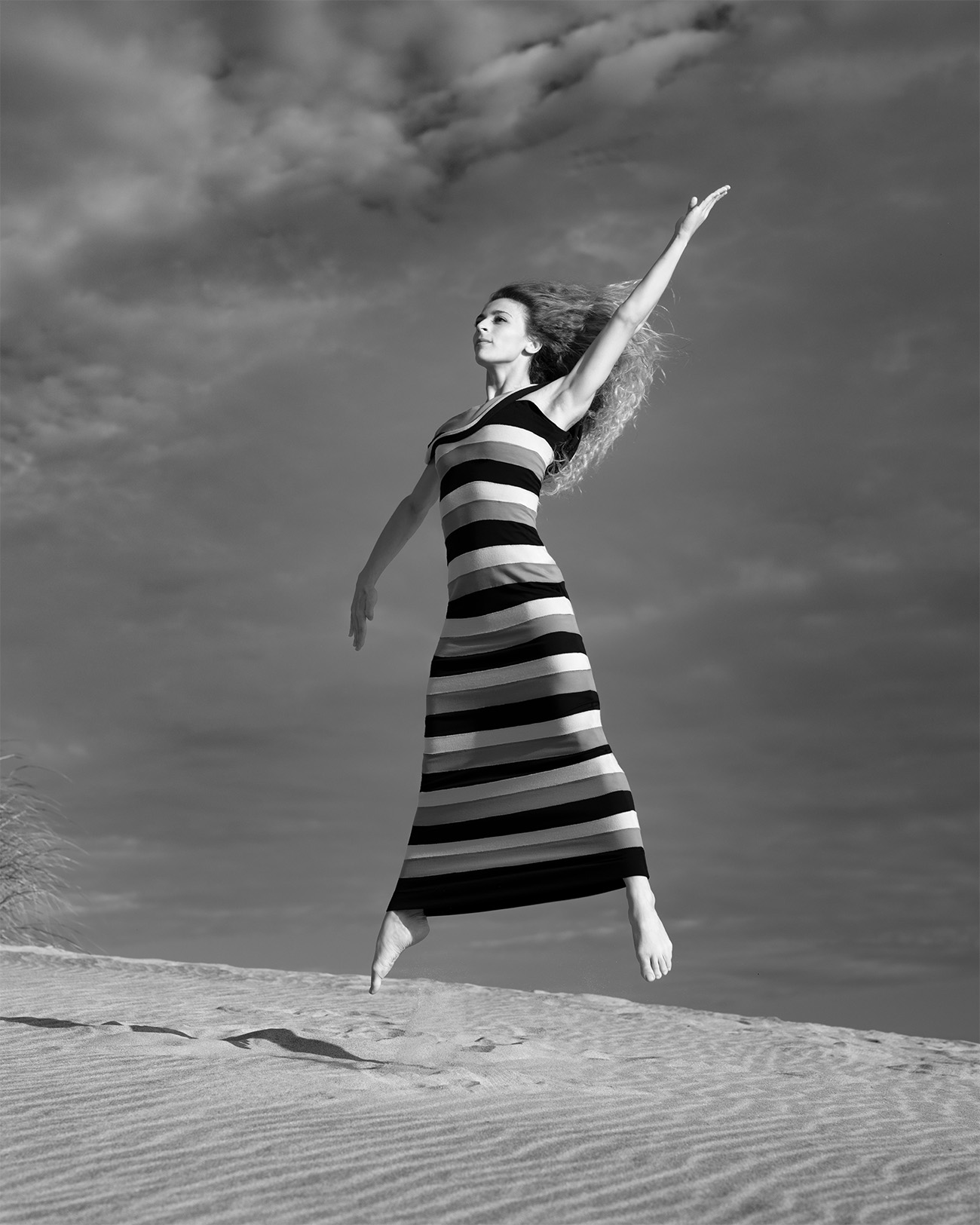
Publishing on October 7, 2025, by Black Dog & Leventhal, Martha Graham Dance Company: 100 Years offers a comprehensive glimpse into Graham’s enduring legacy through more than 200 illustrations. Some materials are pulled from the archive, where we encounter Graham and her original dancers, but the bulk of the volume comprises contemporary photographs shot by the husband-and-wife team Ken Browar and Deborah Ory. These images recreate moments from 24 of Graham’s most celebrated works, including Lamentation from 1930, Appalachian Spring from 1944, and Maple Leaf Rag from 1990.
Browar and Ory may have been photographing dancers for over 15 years, but their work for Graham’s 100th anniversary is easily their most ambitious and personally significant. Ever since attending her first Martha Graham performance in high school, Ory has admired the dance company and studied its incredible output. Her and Browar’s photographs are a testament to their deep reverence for Graham, capturing the precision, clarity, and expressiveness of the human body when engaged in dance.
“The Martha Graham dancers always take my breath away, as they dance with such passion and abandon,” Ory tells My Modern Met. “[Graham’s] works feel as important today as when they were created. The messages of women’s empowerment, personal struggles, triumph and identity, and the human psyche—it all feel so timeless.”
My Modern Met had the chance to chat with Deborah Ory about her and Ken Browar’s photographs for Martha Graham Dance Company: 100 Years, which is currently available for preorder on Bookshop. Read on for our exclusive interview with the photographer.
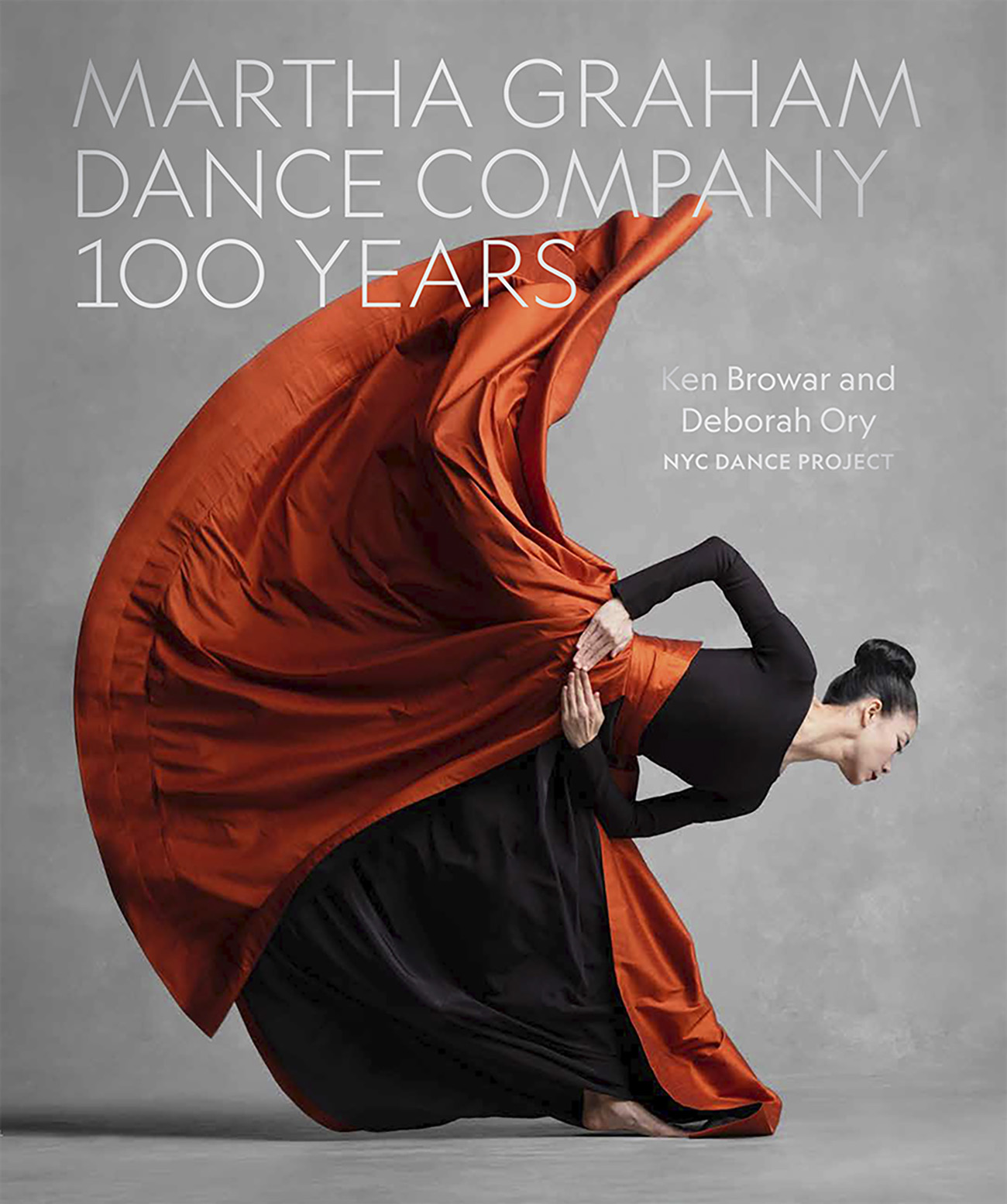
“Martha Graham Dance Company: 100 years,” authored by Ken Browar and Deborah Ory, publishing on Oct. 7, 2025, by Black Dog & Leventhal.
What first drew you to photographing dancers?
Ken and I have been working together photographing dancers for over 15 years as a husband-and-wife team. We are both photographers and really wanted to find a project to do together. Our daughters studied dance as children, and I had been a serious dancer for most of my life. We started photographing dancers we admired and a project quickly took off, leading to the creation of our first two books: The Art of Movement and The Style of Movement: Fashion and Dance.
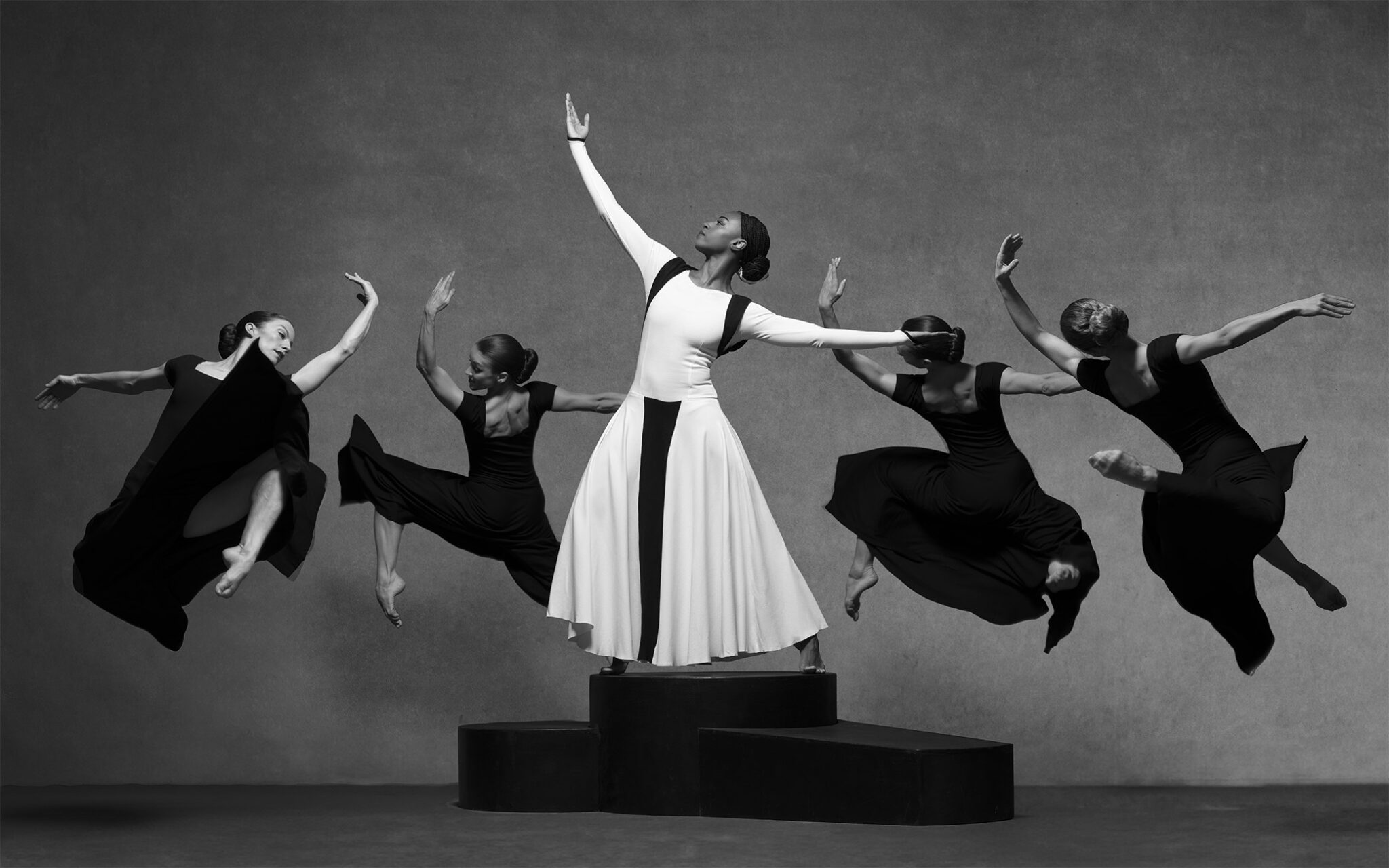
“Prelude to Action.”
What was the process of creating this new book for Martha Graham Dance Company’s 100th anniversary?
Many of the dancers featured in our previous books were in the Martha Graham Dance Company and the director of the company, Janet Eilber, wrote sections in both The Art of Movement and The Style of Movement. She told us the Graham company’s 100th year anniversary was coming up and we felt it would be the perfect opportunity for a collaboration with the company.
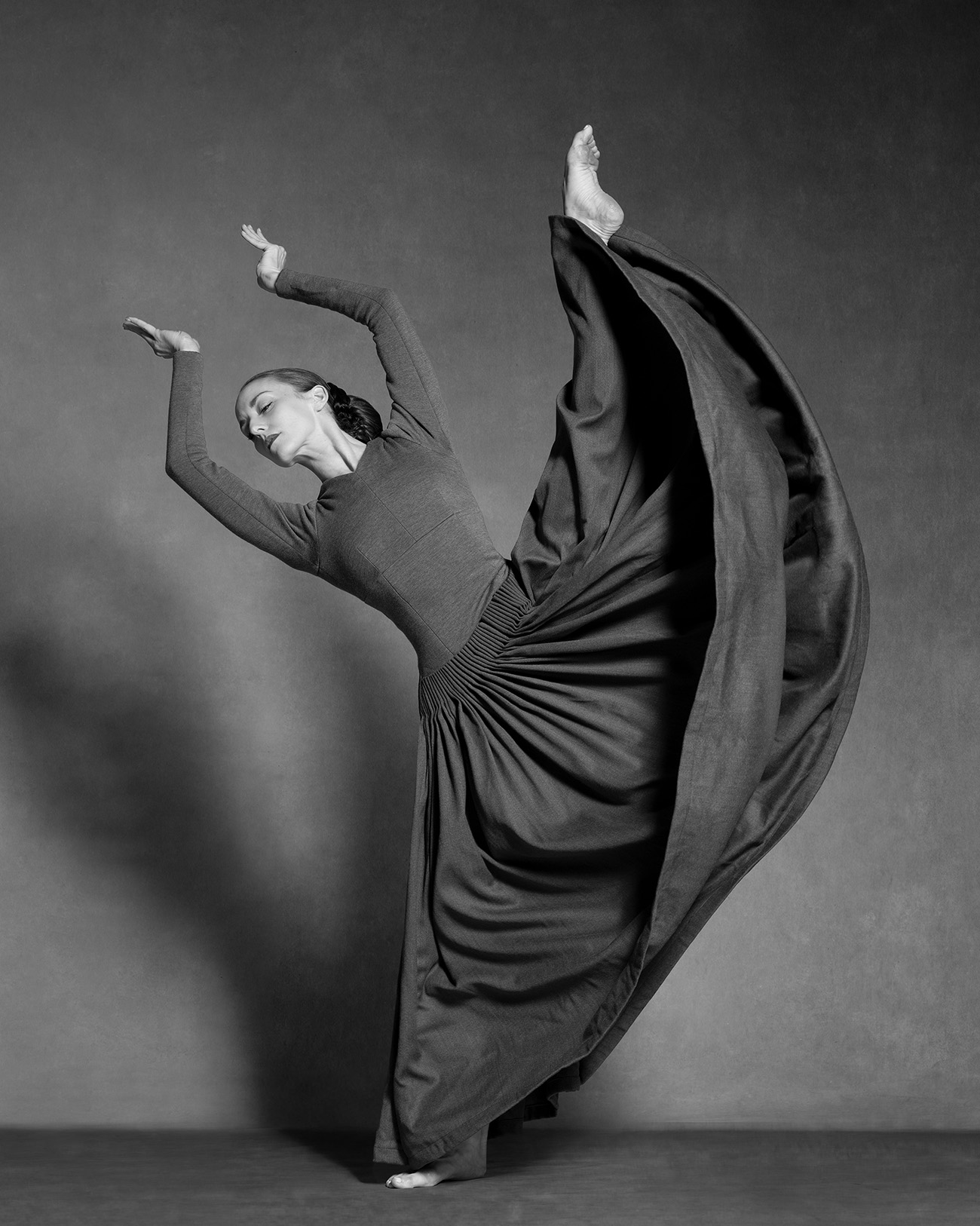
“Herodiade.”
Were there any differences in creating this volume for Martha Graham in comparison to your previous projects?
Almost all of our previous works had been shot in our studio space, where we have had the opportunity to work closely with the dancers. Being in a studio allowed us to work without distractions and gave us the luxury of being able to control every element of the image.
For this book, however, we wanted to capture the message behind Martha Graham’s works. Our vision for many of these dances was to photograph them outdoors, so we found spots in nature that quite nicely replaced the set design used in a performance. Martha Graham’s distinctive movement and costumes helps to give the book continuity through all of the photos and across locations.
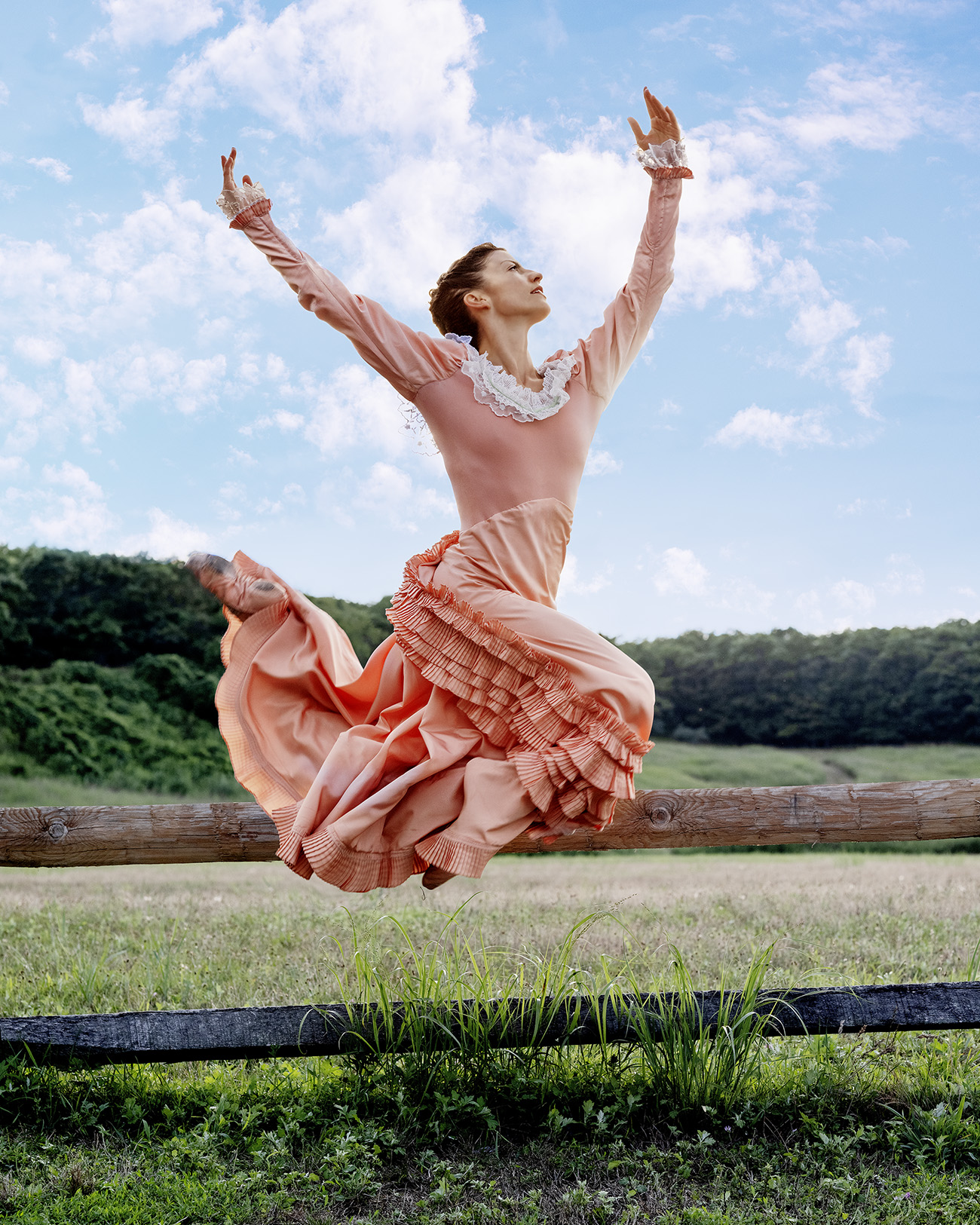
“Appalachian Spring.”
How did you honor Martha Graham’s rich legacy in this anniversary book?
The Martha Graham Dance Company has such a rich history, and we felt it was important to include that in a celebration of their 100th year. Martha Graham was known for her collaborations with other artists. The sculptor Noguchi designed many of her sets while Halston, Calvin Klein, Oscar de la Renta, and other fashion designers made many of her costumes. She worked with many renowned composers including Aaron Copland, Louis Horst, Samuel Barber, and William Schuman.
The book includes photographs by Barbara Morgan, Philippe Halsman and illustrations by Andy Warhol and Miro. Using archival material helps to tell the rich history of this dance company that was shaped and influenced by so many different artists over the years.
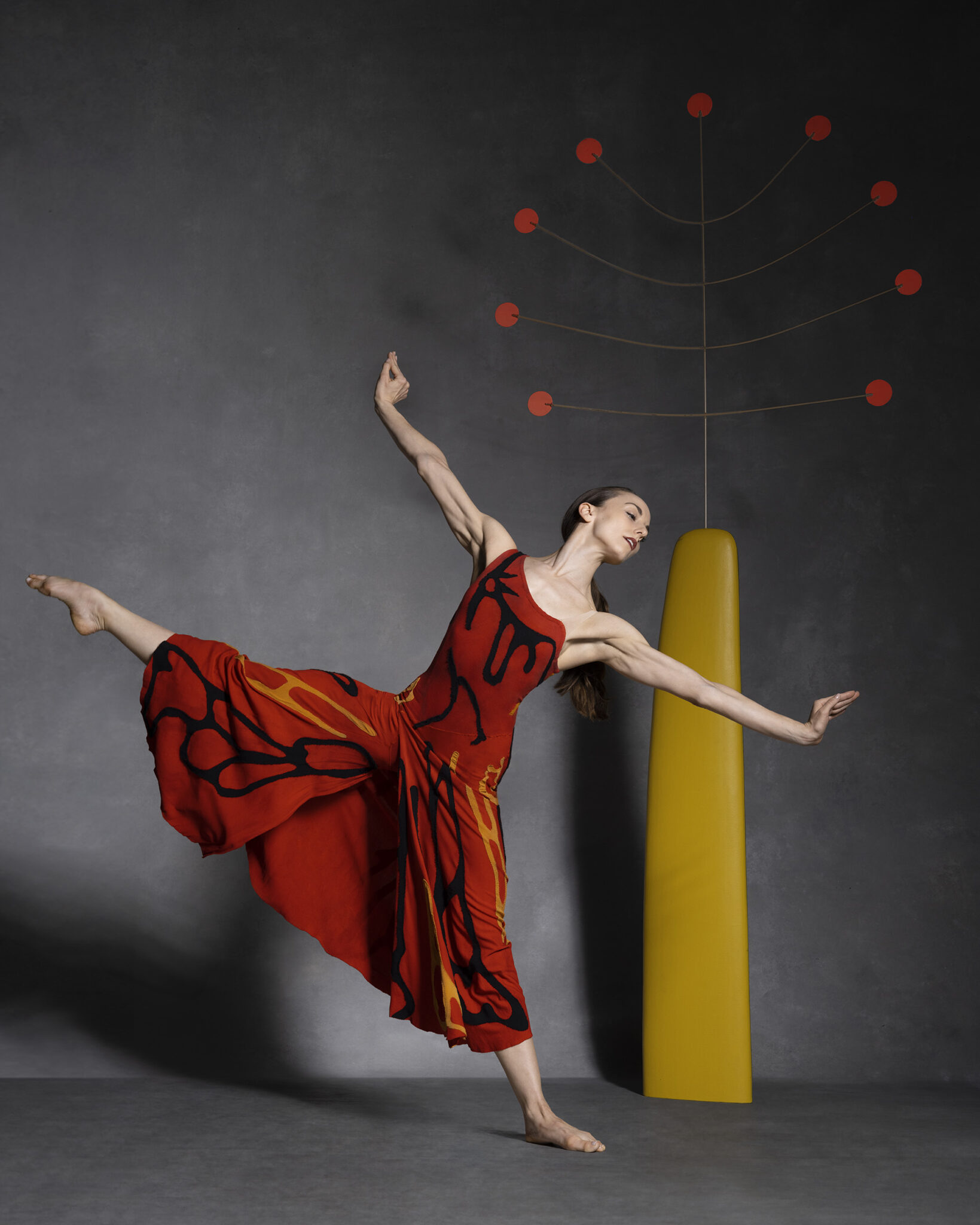
“Dark Meadow.”
How would you describe Martha Graham Dance Company and its storied history to someone who’s unfamiliar with it?
Martha Graham was one of the founders of modern dance and she founded the first dance company in America in 1926. She started her own movement technique—dancing barefoot, using the contraction and release of the spine, falling from standing to the ground, spiraling of the torso, and floor work.
She challenged the traditional movements of ballet and created a movement vocabulary that became a powerful way to express emotion through movement. She highlighted female-centric narratives while also focusing on psychological and political themes. Her work influenced many generations of choreographers after her; in fact, many of the great choreographers—such as Paul Taylor and Merce Cunningham—even started their careers dancing in Graham’s company.
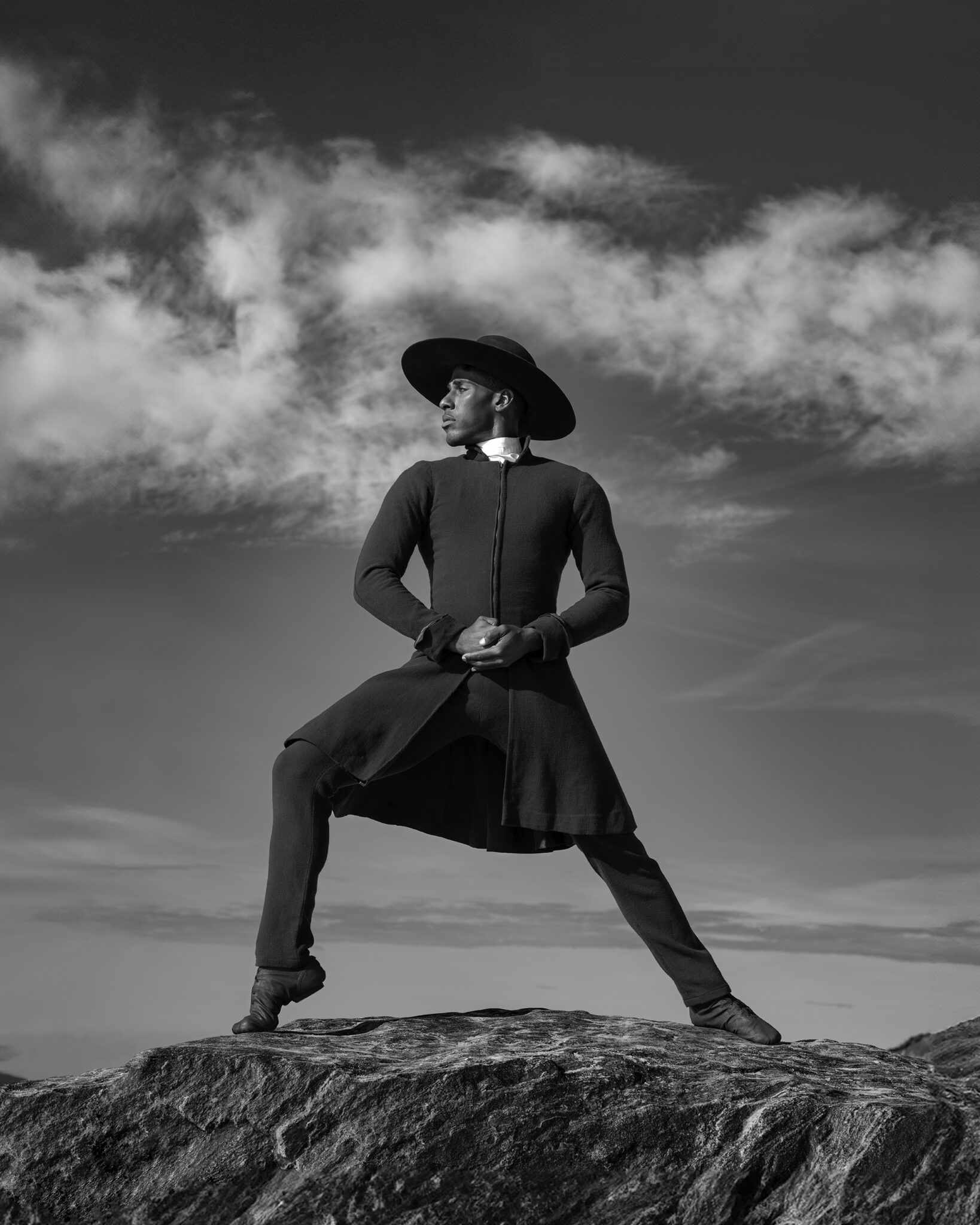
“Preacher in Appalachian Spring.”
What is the personal significance of the Martha Graham Dance Company?
When I was in high school, my mother had taken me to see the Martha Graham Dance Company perform. I had grown up studying ballet and jazz, but seeing the Graham company for the first time changed the way I thought about dance. I had never seen dancers move this way—with such power and force, yet still so graceful and elegant. The dancers were barefoot and muscular, seeming to move effortlessly from high jumps and leaps in the air and back to the floor again. They commanded the stage in a way I had not experienced, and it took my breath away.
I could feel the energy in the theater and was eager to see more. I started taking Graham classes the next day, and was fortunate enough to have Peter Sparling at the University of Michigan, former Graham principal dancer, as my first Graham teacher. I studied Graham for years and, while I never pursued it as a career, her works have been an important influence on my life and my art. Her works feel as important today as when they were created. The messages of women’s empowerment, personal struggles, or triumph and identity, and the human psyche, all feel so timeless.
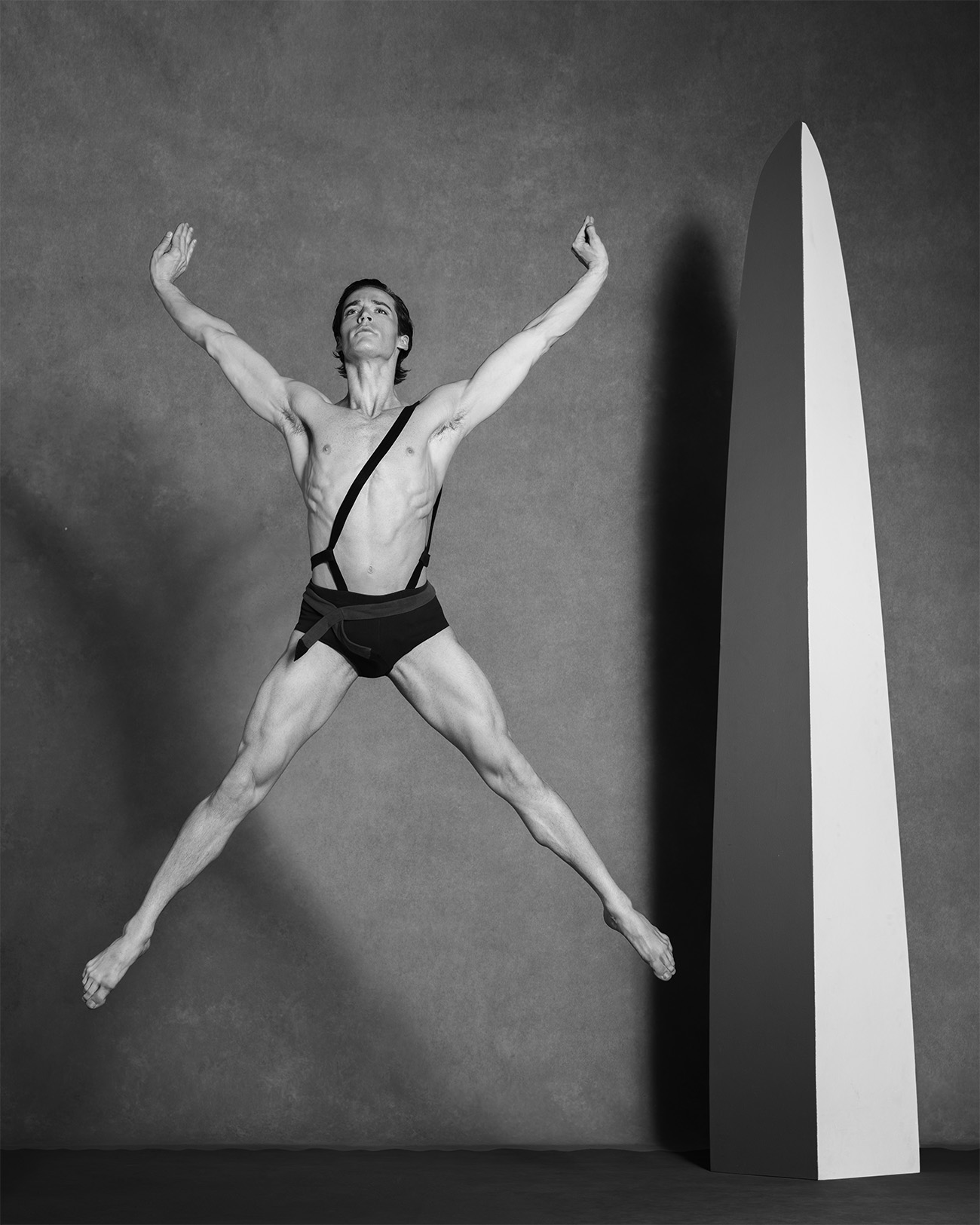
“Dark Meadow 2.”
What are some of your favorite moments, sections, or photographs in the book? What do you hope people will take away from them?
The Martha Graham dancers always take my breath away, as they dance with such passion and abandonment! It’s hard for me to pick just one photo that’s a favorite, but I am drawn to the group photos as it’s magical to see the company dancing together and the energy that the group has.
I also love seeing the archival images that open each section before going into our photos of the current company. I hope people will be moved by the book and want to see more dance. Dance is an ephemeral art form, so having these photos allows the message to reach a broader audience who might not be able to see the performance.
“Satyric Festival Song.”
What do you hope the book's legacy will be? How do you hope it will impact the larger dance community?
There is a book that was done on the Martha Graham Dance Company by Barbara Morgan called Sixteen Dances that was created in 1941. I love this book and know that many dancers still refer to these iconic images.
I’m hoping that years down the road, our book will still have the same impact it does today and the messages will still resonate with people. When people dance with passion and intention—it’s timeless.