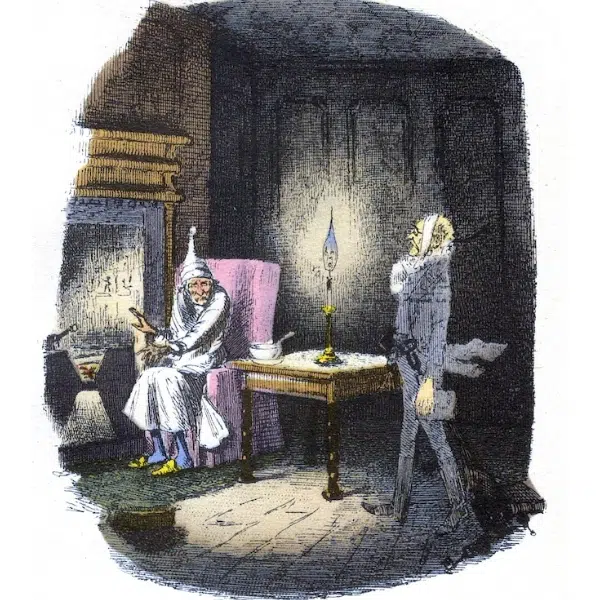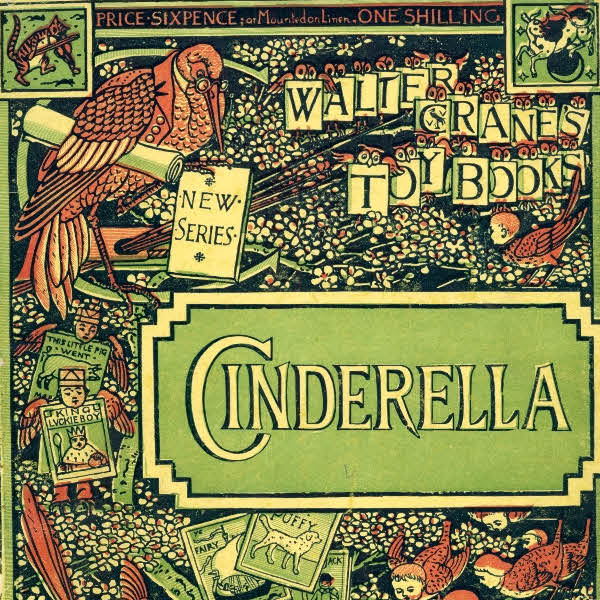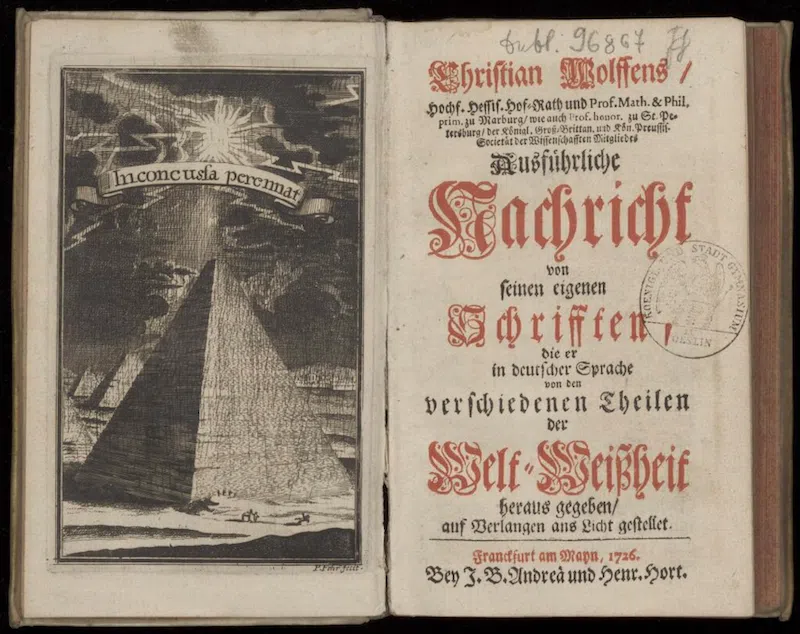
After the tremendous success of his 2003 thriller The Da Vinci Code, Dan Brown turned his attention to his next set of novels in the series. While writing The Lost Symbol and Inferno, the novelist regularly visited the Ritman Research Institute in Amsterdam, where he had access to some of the world’s strangest and most fascinating occult texts. By 2016, Brown had pledged €300,000 (about $368,000) to the library, helping them digitize their core collection of 5,000 books and 300 manuscripts spanning the 15th to 18th centuries. Now, the first 2,178 books from Ritman’s sprawling catalog are available on their online database.
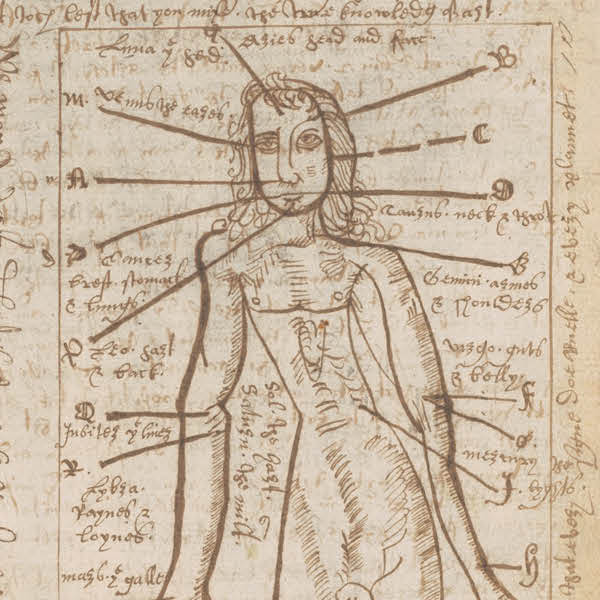
These texts highlight an array of occult subjects, but most commonly concern mysticism, alchemy, religion, and astrology. Though primarily written in Latin, German, Dutch, and French, some digitized books do hail from English-speaking countries, with several books being published in London and Cambridge in particular. A modest enquiry into the mystery of iniquity from 1664, for example, sees its author explore anti-Christianism and its relationship to “wickedness,” while an essay from 1748 questions the “formation and generation” of spiritual and material beings.
These manuscripts fit neatly into Ritman’s scholarly scope, which focuses on the history of hermetic streams of thought across Europe. Departing from orthodoxy, hermeticism instead veered toward esoteric knowledge, one that was grounded in nature, magic, and the inner workings of a person’s mind and identity. Other than alchemy, hermetic practices also often involved numerology and cryptography, both of which sought to identify the mystical possibilities behind certain letters, numbers, and ratios. Today, esoteric beliefs such as these are widely recognized by and studied throughout academia—but, as Ritman points out, this is only a recent development.
“For a long time, the Bibliotheca Philosophica Hermetica was one of the few places to study this tradition,” they write. “Some of the first scholars associated with the Ritman Research Institute translated foundational writings, making [them] available to both specialists and the general public for the first time.”
There’s plenty to explore in this database, whether it be alchemical recipes or meditations on theology. To dive in for yourself, visit the Ritman Research Institute’s digital library.
Thanks to a donation by Dan Brown, the author of The Da Vinci Code, Amsterdam’s Ritman Research Institute has digitized over 2,000 occult texts from the 15th to 18th centuries since 2016.
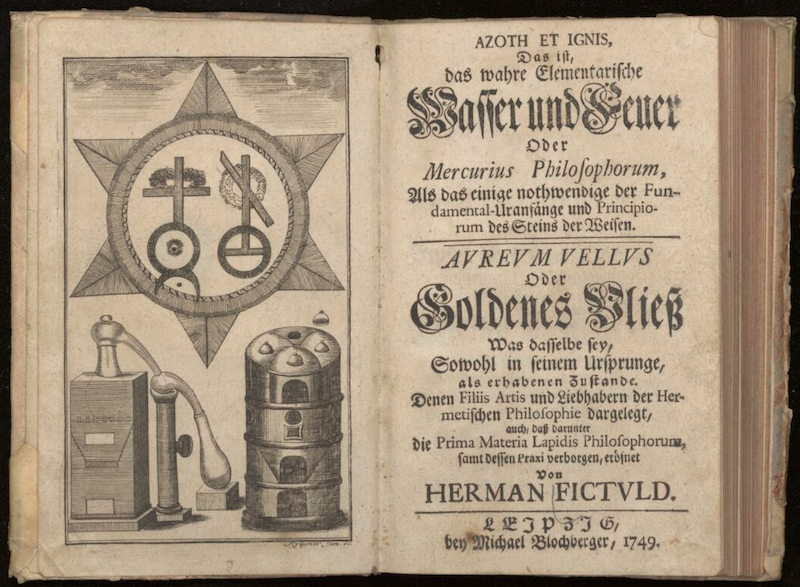
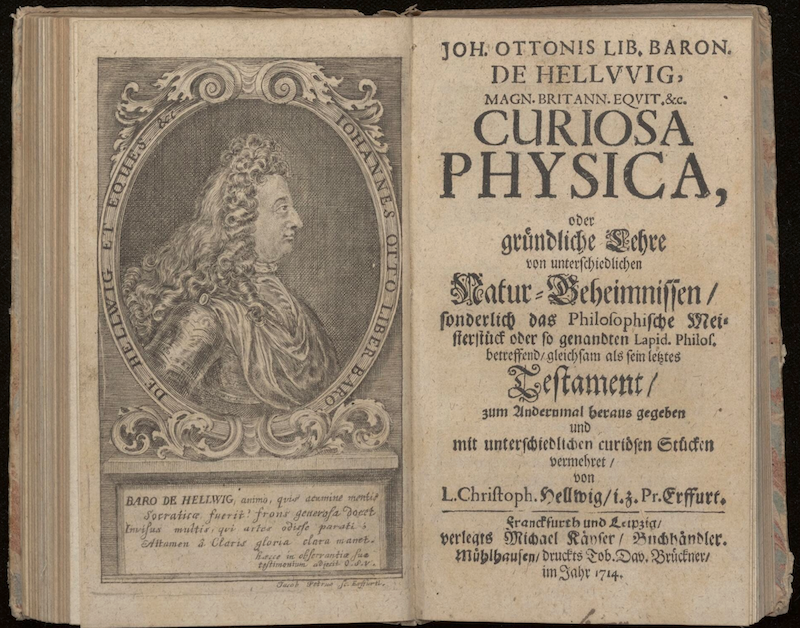
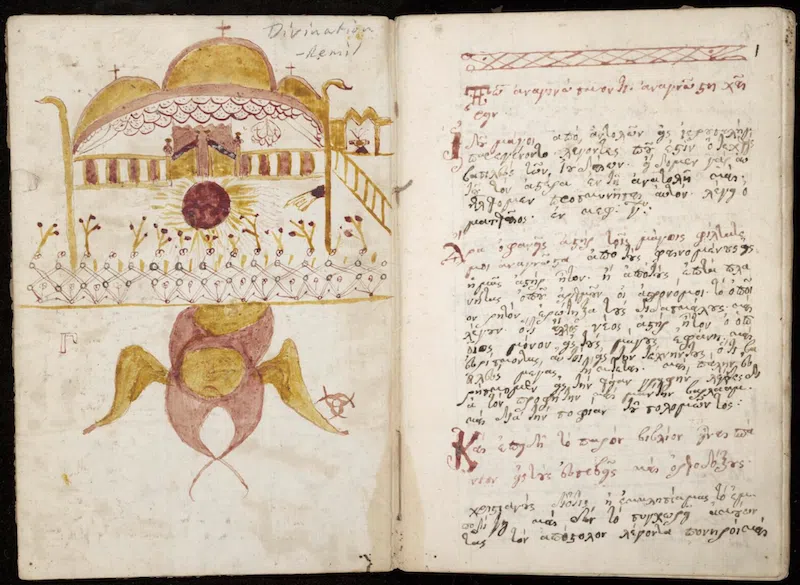
All images via Ritman Research Institute.
Sources: About: Ritman Research Institute; About: Bibliotheca Philosophica Hermetica; 2,178 Occult Books Now Digitized & Put Online, Thanks to the Ritman Library and Da Vinci Code Author Dan Brown; End of Europe’s Middle Ages: Hermeticism
Related Articles:
Dive Into Over 10,000 Historical Children’s Books Thanks to This Fascinating Database
Explore Medieval Medical Recipes Featuring Dove Feces, Fox Lungs, and More
Over 2,100 Illustrations From Charles Dickens Novels Now Available in Online Archive