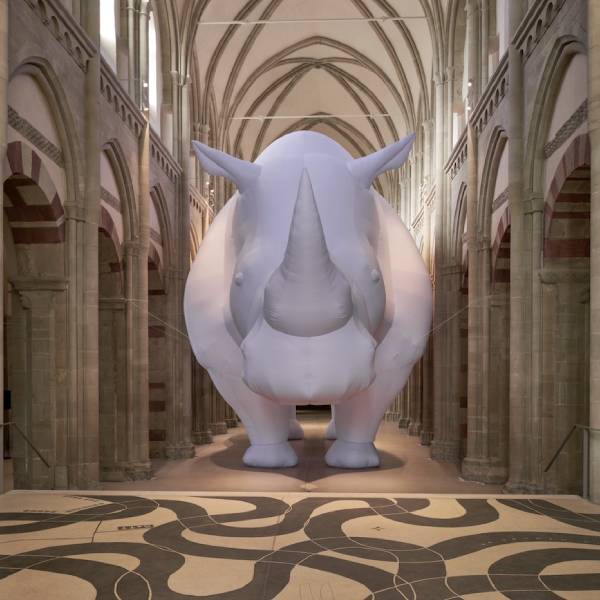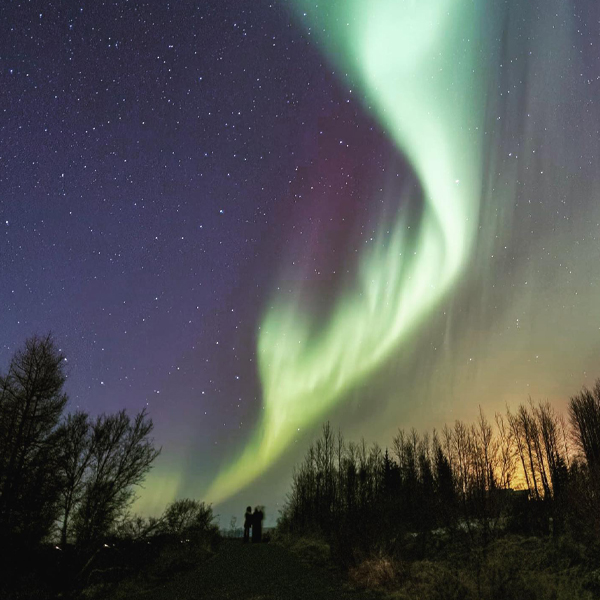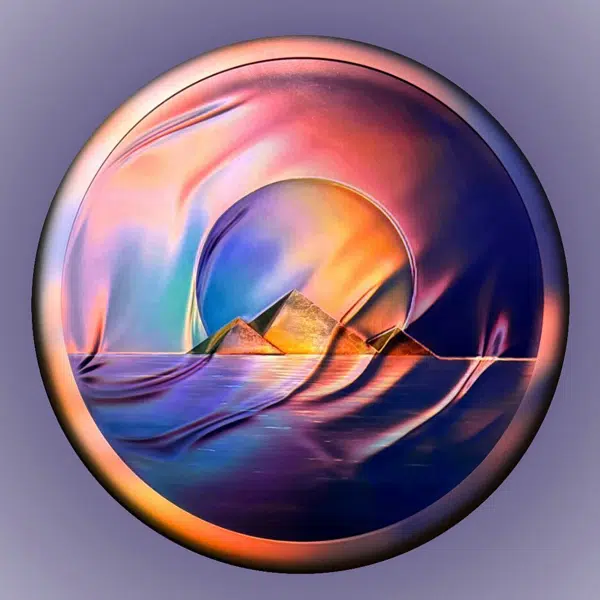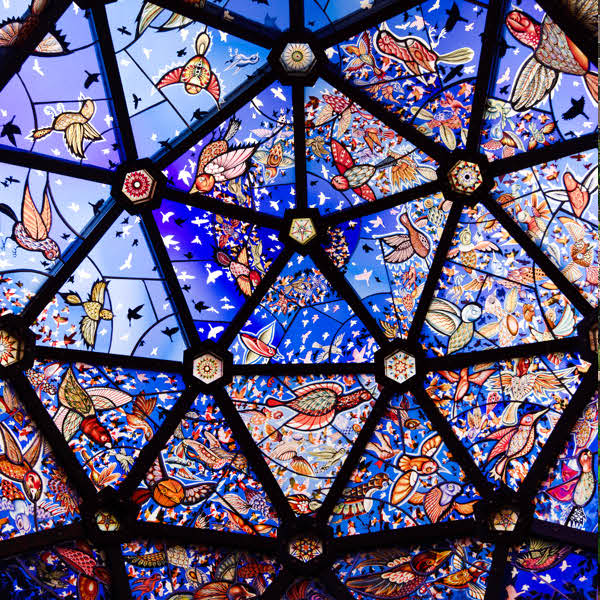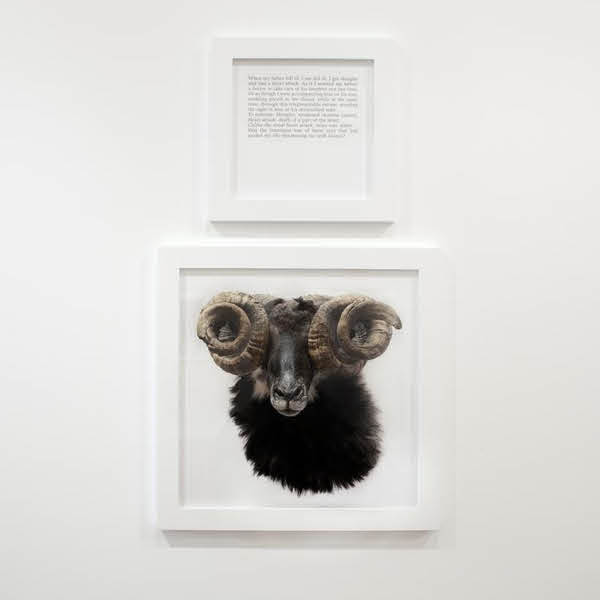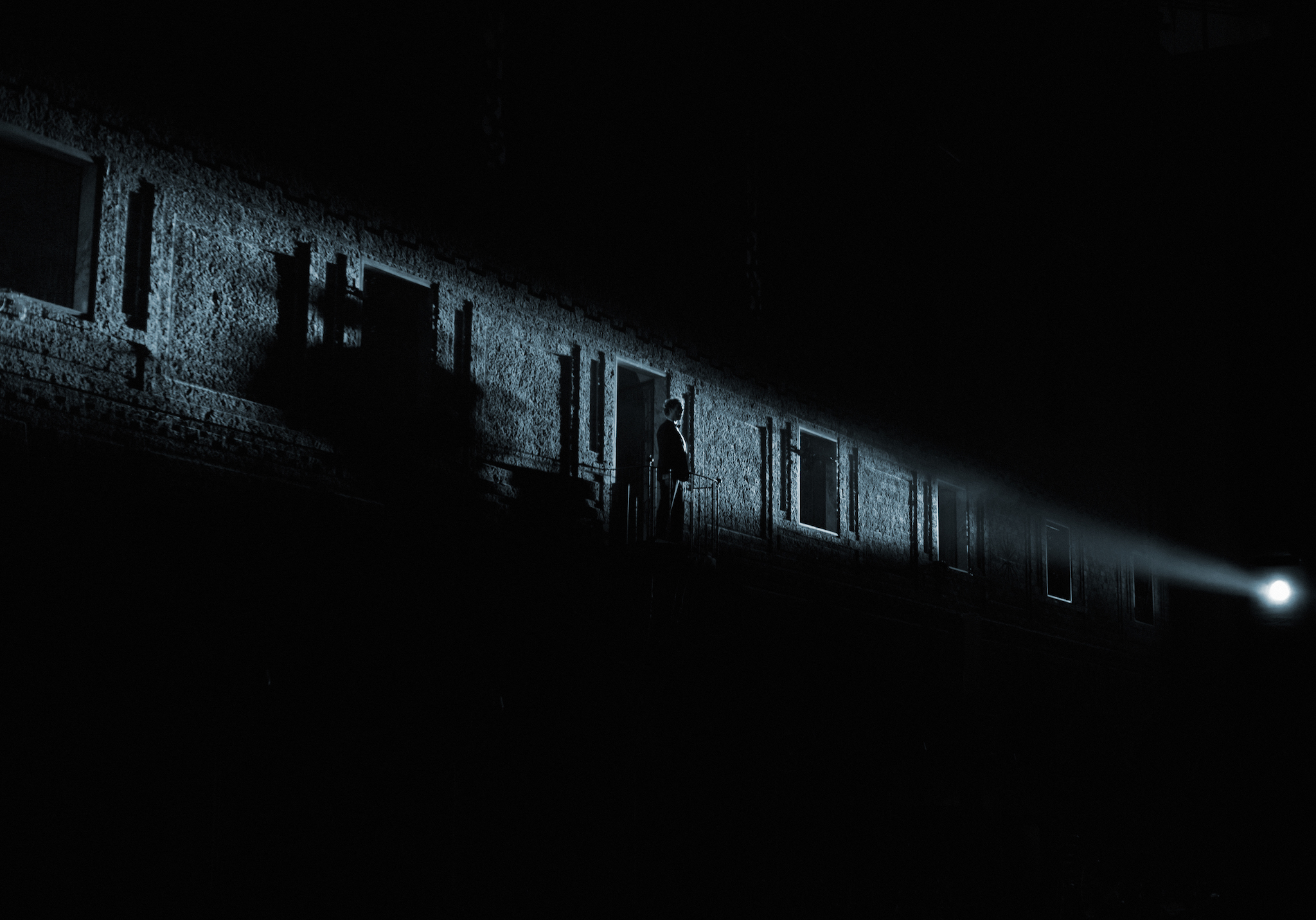
Photograph from Alexander Wessely and Jacob Mühlrad’s four-act immersive artwork, unveiled during the 2025 Nobel Gala at Stockholm’s city hall. (Photo: Theodor Hedlund)
This year, the Nobel Foundation decided to try something new for its annual banquet, held every December in Stockholm’s city hall. For the first time in its illustrious 125-year history, the organization abandoned tradition and instead veered toward contemporary art in the form of an immersive, four-act experience. At the heart of this intervention was Alexander Wessely, whose creative vision incorporates everything from photography, fashion, and music, to sculpture, large-scale installation, and scenography.
Luckily, Wessely is no stranger to these types of monumental projects. Throughout his career, the Greek-Swedish artist has collaborated with luminaries such as Avicii, the Weeknd, Grimes, FKA Twigs, and Swedish House Mafia, producing propulsive spectacles whose intensity seamlessly matches the settings in which they appear. His visuals, stage designs, videos, and installations explode with texture; they buzz with color; and they assume a scale so grand, it’s nearly impossible to look away and avoid engaging with it. In many ways, these electrifying aesthetics are informed by Wessely’s origins as a graffiti artist. Back in the 1990s, he would often roam around Stockholm, leaving bold designs and splashes of color behind him.
“For me, being multidisciplinary is not about variety, but necessity,” Wessely tells My Modern Met. “Each project demands its own language, and I follow that rather than committing to a single medium. I move between sculpture, light, film, sound, and spatial design because certain ideas simply cannot exist in isolation.”
Considering his diverse output, it almost goes without saying that Wessely’s practice revolves around collaboration. His work for the 2025 Nobel Prize banquet is no exception. For the project, he once again joined forces with composer Jacob Mühlrad, with whom he has collaborated for nearly a decade. Together, the duo masterfully combined music and light, all of which complemented the ceremony’s general theme of “bridging worlds.” Also informing the experience was, of course, the site itself. Originally built more than a century ago, the Stockholm City Hall sings with history and heritage, demanding a sensitive and respectful approach. What the pair arrived at was a subtle yet triumphant visual landscape, complemented by Mühlrad’s quantum physics-inspired experimentations.
“Jacob’s work carries a deep sense of structure and transcendence at the same time. That resonates strongly with my own approach,” Wessely explains. “We didn’t aim to illustrate one another, but to align in rhythm and intention. The dialogue happened through timing, silence, and pacing rather than direct translation.”
My Modern Met had the chance to speak with Alexander Wessely about his creative process, his collaboration with Mühlrad, and the inspiration behind the pair’s Nobel Prize installation. Read on for our exclusive interview with the multidisciplinary artist.
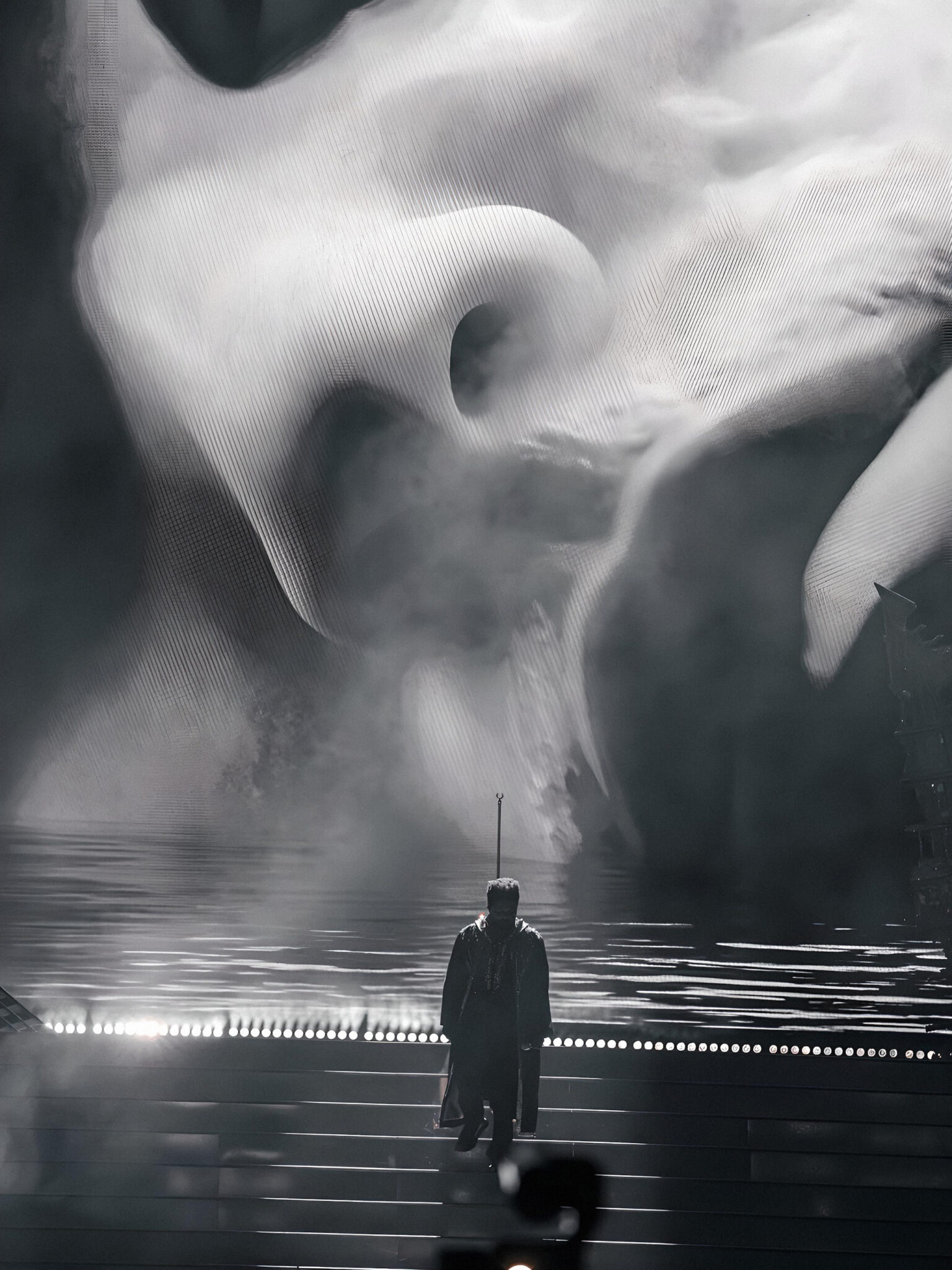
The Weeknd’s “After Hours Til Dawn” tour, 2025.
What does it mean to you to be a multidisciplinary artist, and is there a specific medium that you find yourself most intrigued by?
For me, being multidisciplinary is not about variety, but necessity. Each project demands its own language, and I follow that rather than committing to a single medium. I move between sculpture, light, film, sound, and spatial design because certain ideas simply cannot exist in isolation. If there is a constant, it is space itself. Space as something sculpted, activated, and experienced through the body.
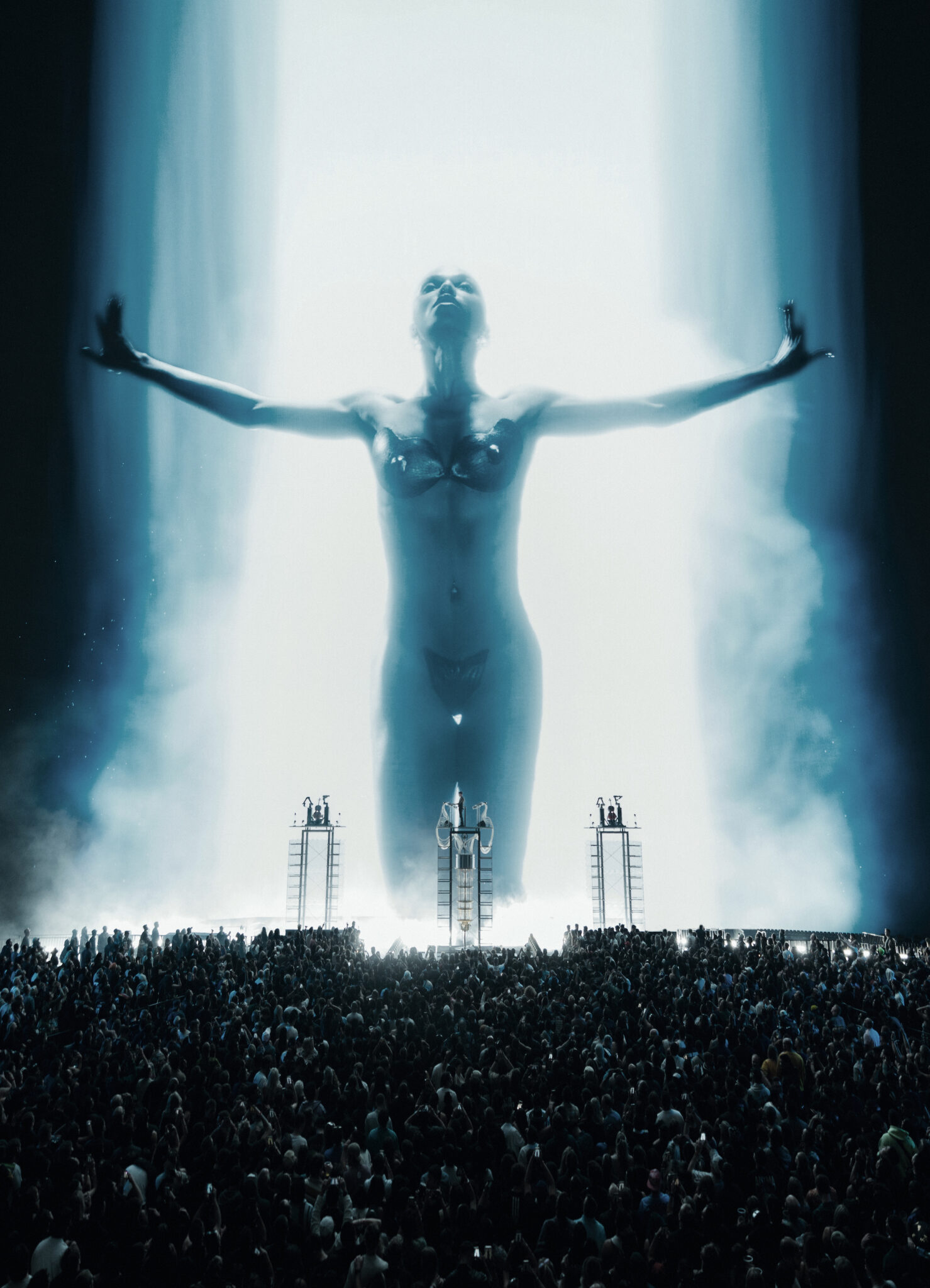
“Afterlife Presents Anyma: The End of Genesys,” at the Sphere in Las Vegas, 2025. (Photo: Rafael Deprost)
View this post on Instagram
Throughout your practice, you emphasize collaboration with several different sectors, creatives, and organizations. What first compelled you about this collaborative spirit, and how has it impacted your creative process?
Collaboration was never a strategy, it was a condition. My work has always existed at the intersection of disciplines, where no single field holds all the answers. Working with composers, architects, engineers, musicians, or institutions forces the work to resist comfort. It sharpens decisions and introduces friction, which I find essential. Collaboration doesn’t dilute authorship for me, it tests it.
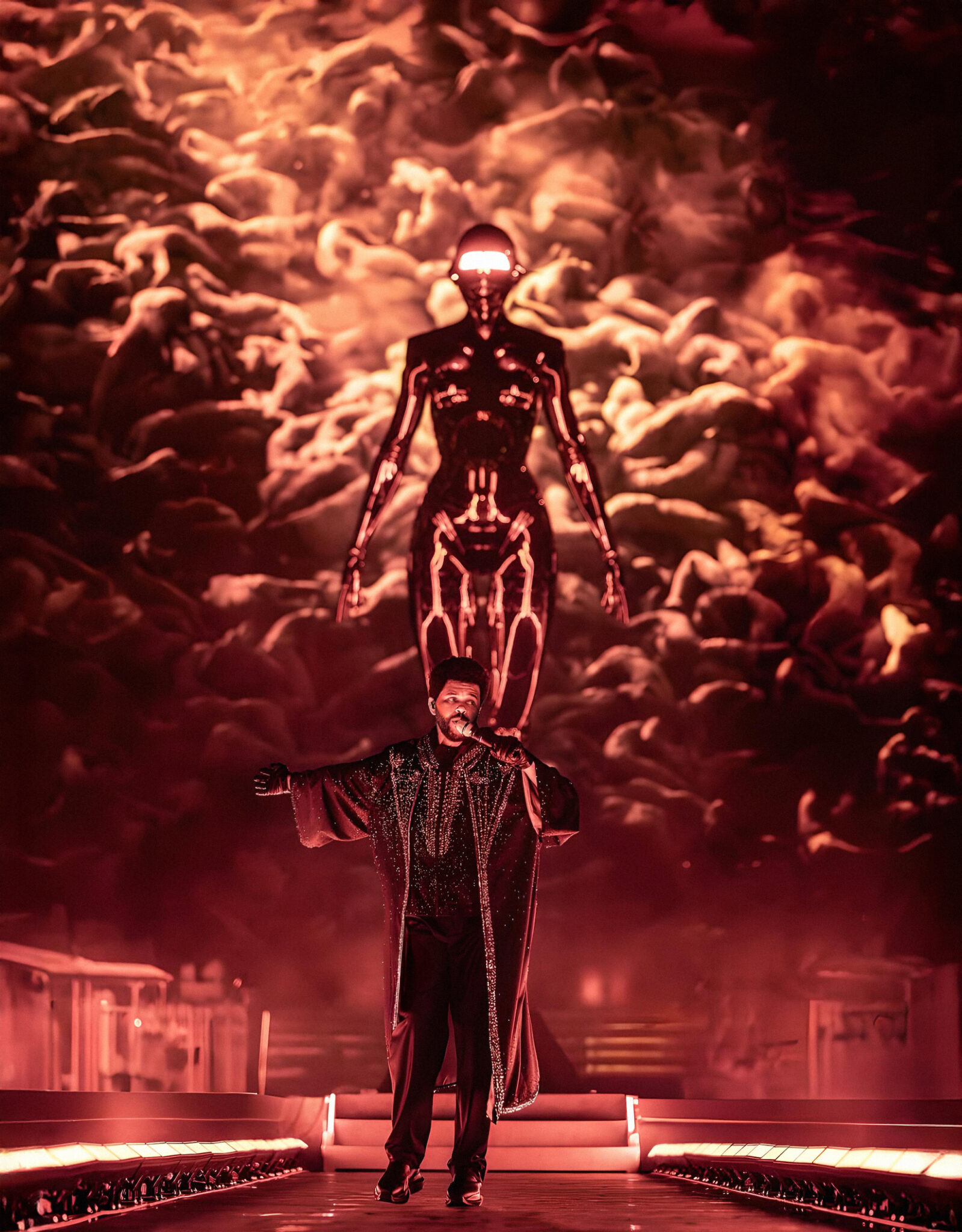
The Weeknd’s “After Hours Til Dawn” tour, 2025.
View this post on Instagram
What themes do you find yourself returning to most frequently, and how do you translate them into your large-scale interventions?
I return to themes of ritual, perception, and the relationship between the physical and the immaterial. Light, the body, time, and belief recur constantly. In large-scale works, these themes are translated through restraint rather than spectacle. I’m interested in how minimal shifts in light, scale, or rhythm can reorganize an entire space and alter how a body moves through it.
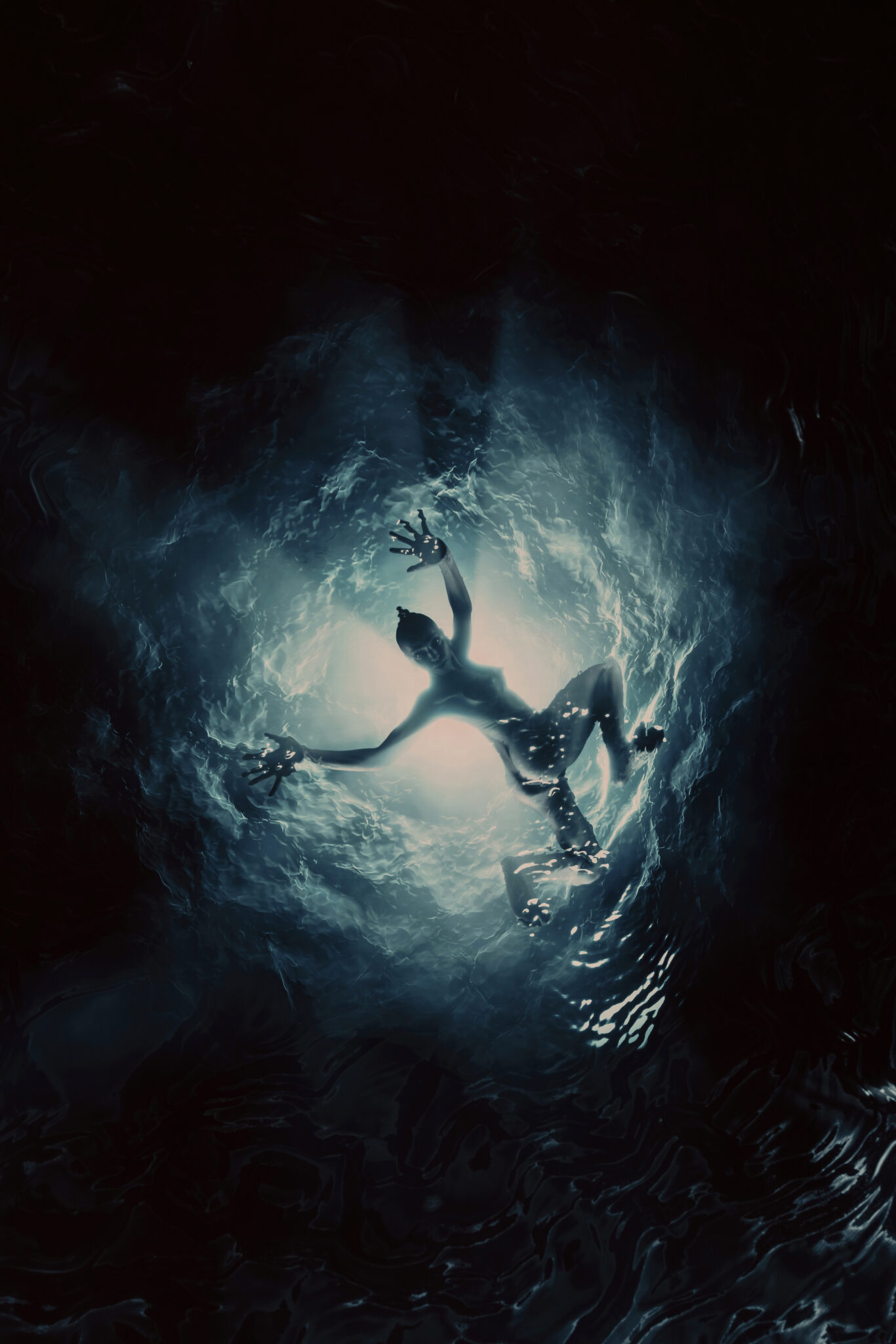
“Afterlife Presents Anyma: The End of Genesys,” at the Sphere in Las Vegas, 2025. (Photo: Jason Martinez)
View this post on Instagram
How did your most recent project with the Nobel Prize come about?
The project emerged through a dialogue around the musical program composed by Jacob Mühlrad. The Nobel Prize was interested in exploring how light could become an integral part of the ceremonial experience rather than a decorative layer. That openness created space for a visual work that could exist on equal footing with the music and the architecture.

Photograph from Alexander Wessely and Jacob Mühlrad’s four-act immersive artwork, unveiled during the 2025 Nobel Gala at Stockholm’s city hall. (Photo: Theodor Hedlund)
View this post on Instagram
What was your experience working with Mühlrad, and how did both of your artistic visions inform one another?
Jacob’s work carries a deep sense of structure and transcendence at the same time. That resonates strongly with my own approach. We didn’t aim to illustrate one another, but to align in rhythm and intention. The dialogue happened through timing, silence, and pacing rather than direct translation. Our visions informed each other by staying distinct.

Photograph from Alexander Wessely and Jacob Mühlrad’s four-act immersive artwork, unveiled during the 2025 Nobel Gala at Stockholm’s city hall. (Photo: Theodor Hedlund)
How did the project complement and ultimately expand upon the history, identity, and overall mission of the Nobel Prize?
The Nobel Prize sits at the intersection of tradition, innovation, and human inquiry. The visual work reflected that by treating light as both a physical phenomenon and a metaphor for knowledge and discovery. Rather than altering the ceremony, the project aimed to heighten awareness of the space, the moment, and the collective attention already present.
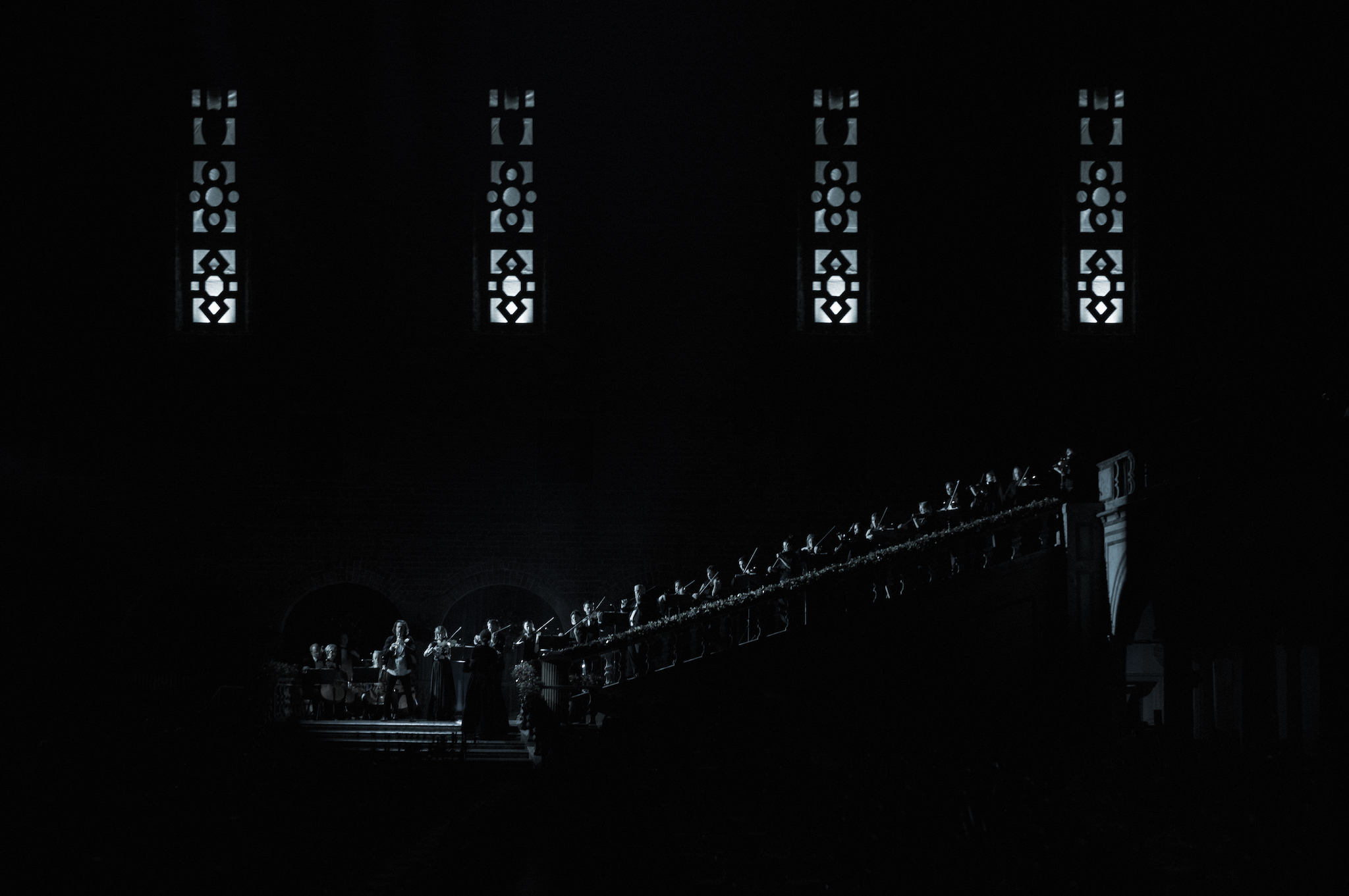
Photograph from Alexander Wessely and Jacob Mühlrad’s four-act immersive artwork, unveiled during the 2025 Nobel Gala at Stockholm’s city hall. (Photo: Theodor Hedlund)
What did you hope to achieve with this project, especially considering this was a new direction for you and an unprecedented initiative by the Nobel Prize?
I hoped to introduce a sense of presence and concentration. To allow moments of darkness, restraint, and silence within a context that is often associated with grandeur. It was an opportunity to explore how minimal intervention can carry meaning at an institutional scale, and how ritual can be reactivated without being disrupted.
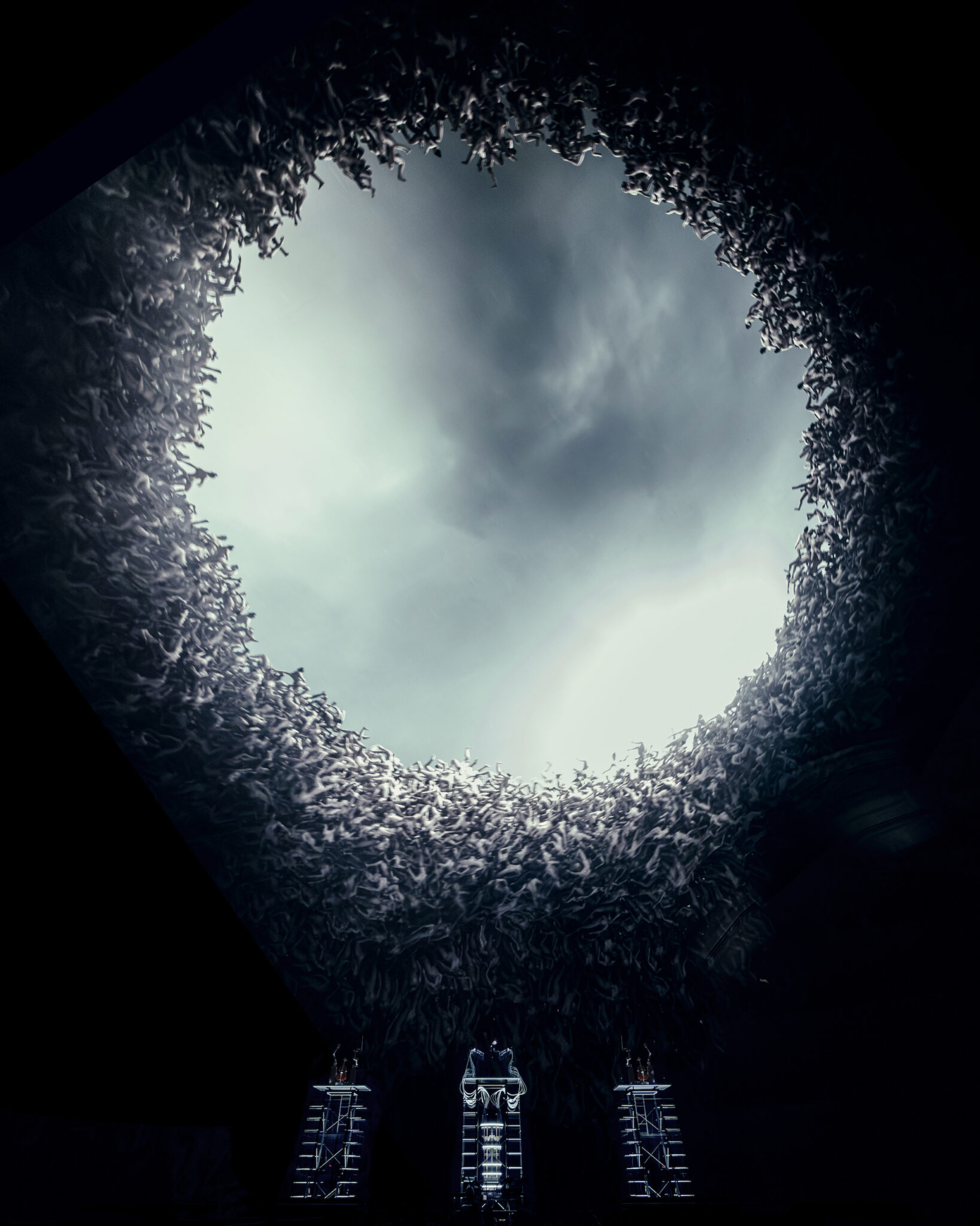
“Afterlife Presents Anyma: The End of Genesys,” at the Sphere in Las Vegas, 2025. (Photo: Rafael Deprost)
Do you have any other exciting projects in the pipeline for 2026?
Yes, several. I’m currently developing a series of sculptural and spatial works that further investigate the relationship between material, light, and the body. Alongside this, I continue to work on large-scale live and architectural projects where physical space and digital systems intersect. The focus moving forward is on deepening the work rather than expanding it outward.