Archeology

August 24, 2026

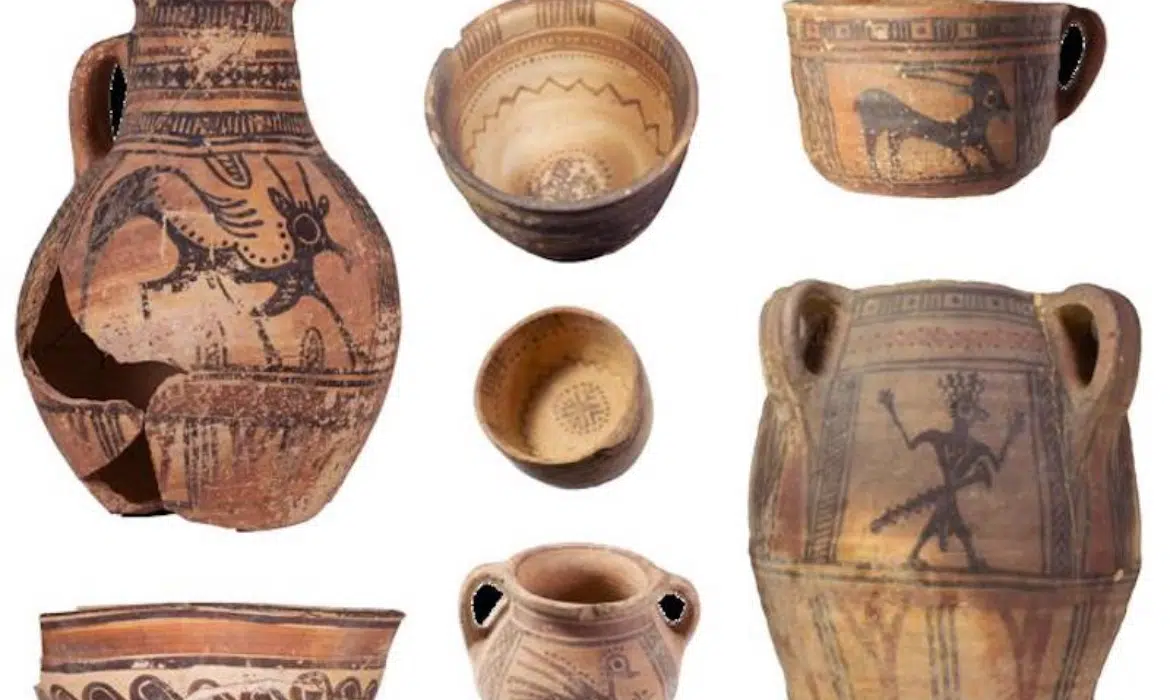
3,200-Year-Old Ceramics Reveal What May Have Been the Ancient World’s First Desirable “Brand”

More than 3,000 years ago, people may have already been seeking out a recognizable “brand.” A new study of Qurayyah Painted Ware (QPW) suggests that these distinctive ceramics became a desirable product in the ancient world. Made at the oasis of Qurayyah in northwestern Saudi Arabia, the pottery traveled far beyond its place of origin, reaching communities across the ancient Near East.

Read Article


August 19, 2026

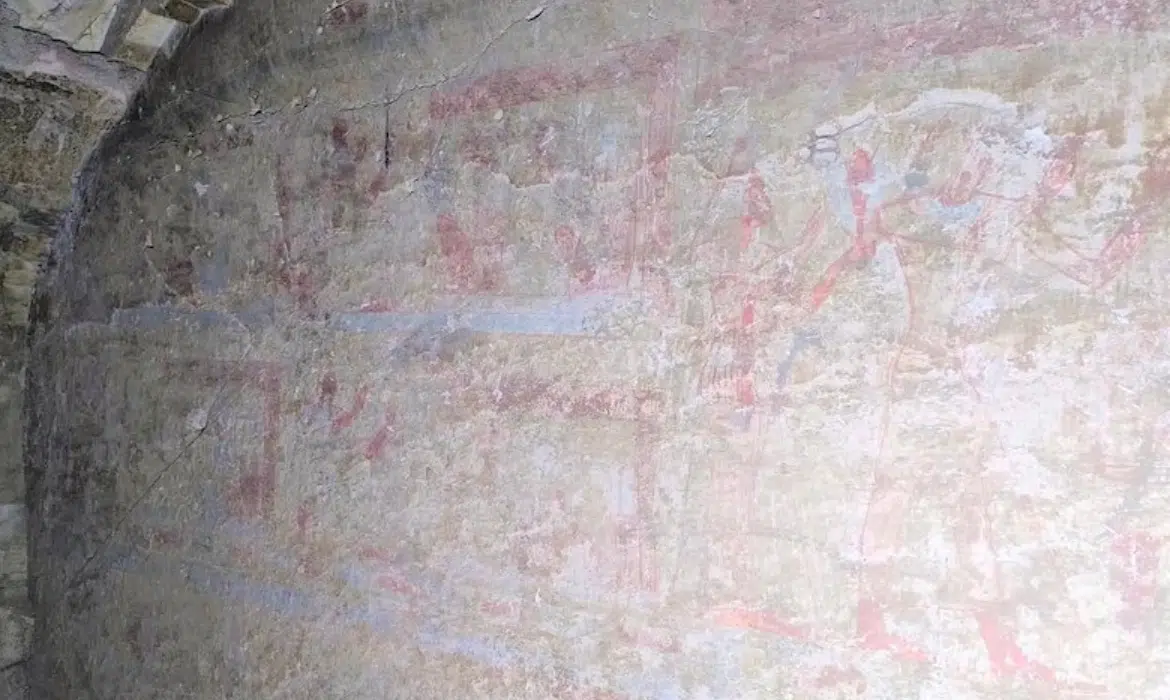
Archaeologists Discover 3,000-Year-Old Tomb With Colorful Murals Inside

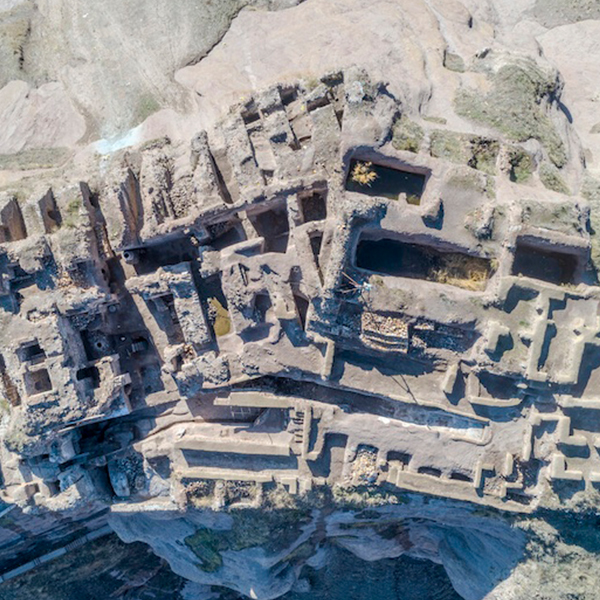
Archaeologists have uncovered a previously unknown tomb on Luxor’s West Bank, revealing colorful wall paintings, inscriptions, and architectural features that offer a new glimpse into burial practices during ancient Egypt’s New Kingdom. A Dutch archaeological mission from Leiden University discovered the tomb in the Lower Sheikh Abd el-Qurna area of the Theban Necropolis during its seventh season of fieldwork.

Read Article


August 9, 2026

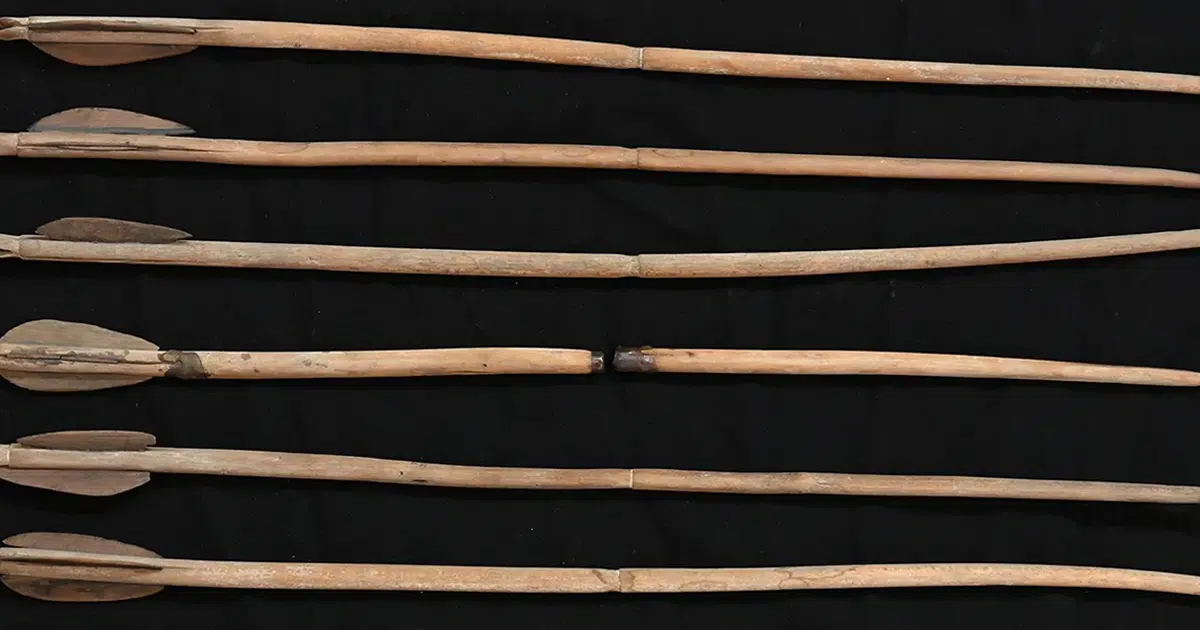
New Research Reveals That a Pharaoh’s Daughters Were Skilled at Archery 4,000 Years Ago

For more than a century, the skeletal remains of Ancient Egyptian King Hor and five royal women sat untouched in a museum basement. The group, which lived during the Late Middle Kingdom (1850–1700 BCE), was originally excavated from their royal tombs in Dahshur, Egypt, in the late 1800s CE by a French archaeologist for study. While archaeologists had long examined the tombs and their ceremonial objects, the skeletons themselves had never been thoroughly researched.

Read Article


July 23, 2026

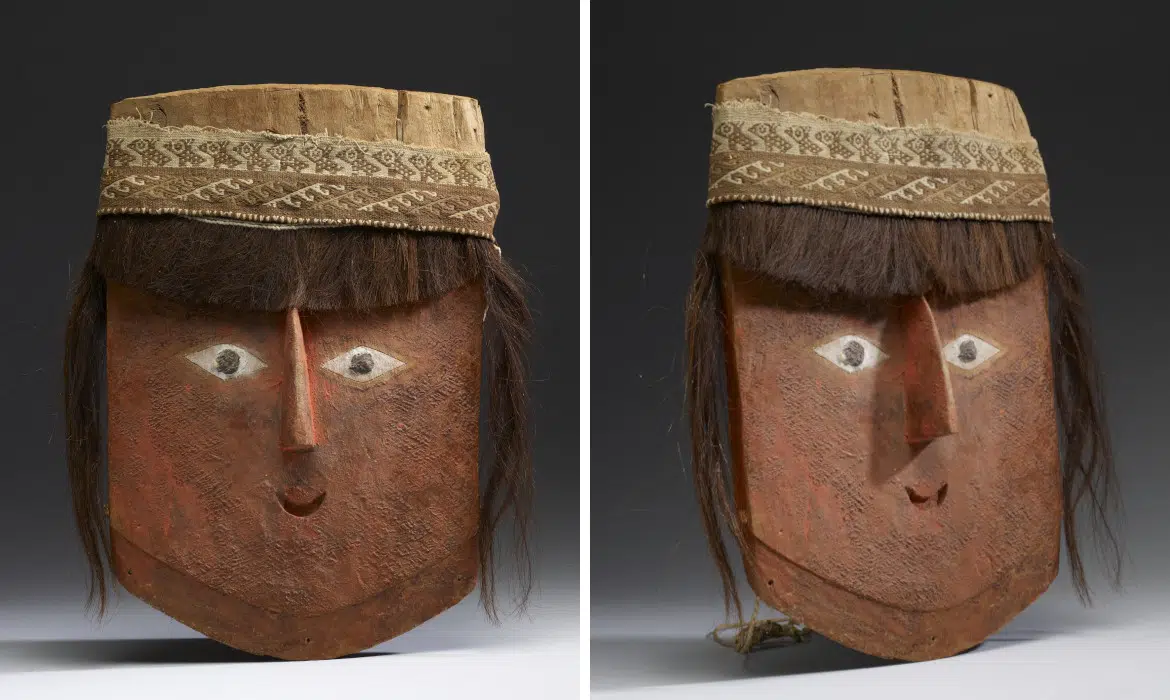
1,000-Year-Old ‘Mummy Mask With Wig’ Found in Peru Sheds Light on Ancient Civilization

Many ancient cultures around the world regarded death as a transition to another plane of existence, rather than a definite end. As such, their funeral rites prepared the deceased for whatever came ahead. For example, the Chancay culture, which thrived in modern-day Peru from about 1000 to 1532 CE, wrapped their dead in mummy bundles made of rich textiles to keep them warm and protected.

Read Article