Archeology

December 15, 2024

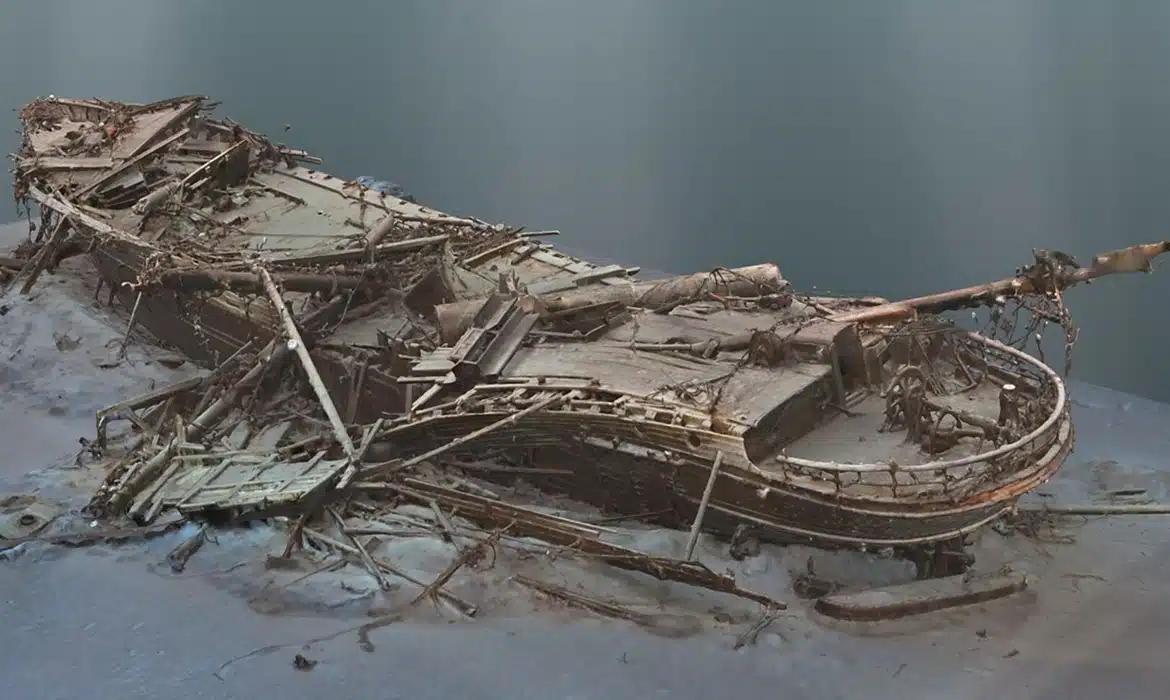
3D Scan Created from 25,000 High-Resolution Images Reveals Incredible Details of Shackleton’s ‘Endurance’ Shipwreck

Thanks to a digital 3D scan created from over 25,000 high-resolution images, the legendary Endurance shipwreck can be explored like never before. On November 21, 1915, the ship sank 3,000 meters into the icy depths off Antarctica, and thankfully, all crew members survived to tell their stories. Now, the 3D scan created by Deep Ocean Search, Voyis Imaging, and McGill University allows you to explore the lost ship in incredible detail.
Read Article


December 8, 2024

2,600-Year-Old Inscription Carved in an Ancient Turkish Monument Has Finally Been Deciphered

A centuries-old mystery seems to finally have been solved. Arslan Kaya is a 2,600-year-old monument located in western Turkey. The piece, whose name means “lion rock,” features a heavily damaged inscription that has long puzzled archeologists. Now, Mark Munn, a professor of ancient Greek history and archaeology at Pennsylvania State University, has finally deciphered the enigma.

Read Article


November 27, 2024

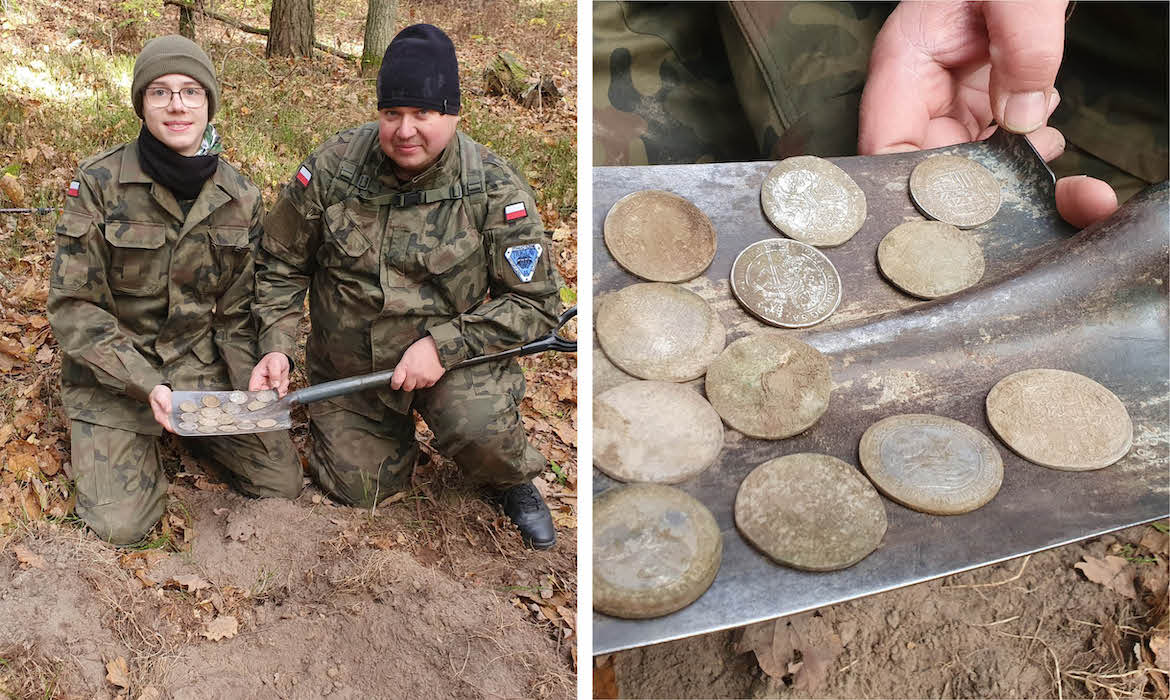
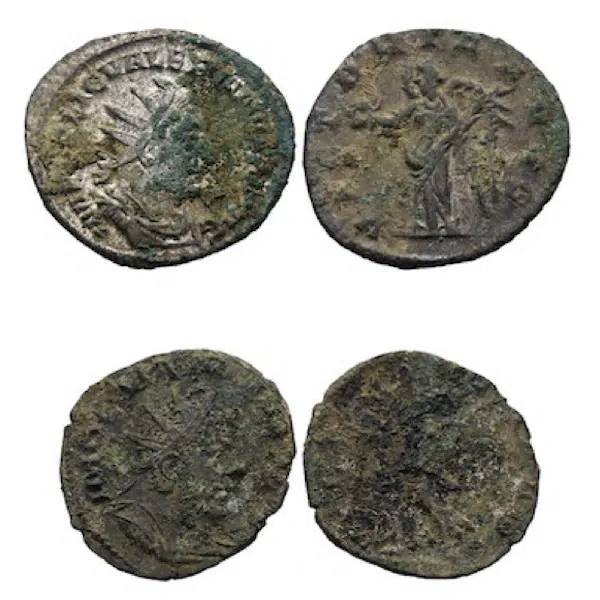
Father and Son Discover a Hoard of Centuries-Old Coins in the Polish Woods Worth Over $120,000

On November 3, 2024, the Polish Treasure Hunters Association “Husaria” and the Triglav Historical and Research Association descended into the Masovian woods north of Warsaw in search of a Roman-era trade route. Though the path itself wasn’t found, Sławomir Milewski and his son Szymon Milewski unearthed a hoard of 16th- and 17th-century coins instead. The father-son duo stumbled upon the 17 historical coins inside a shallow hole with the help of their metal detectors.

Read Article


November 8, 2024

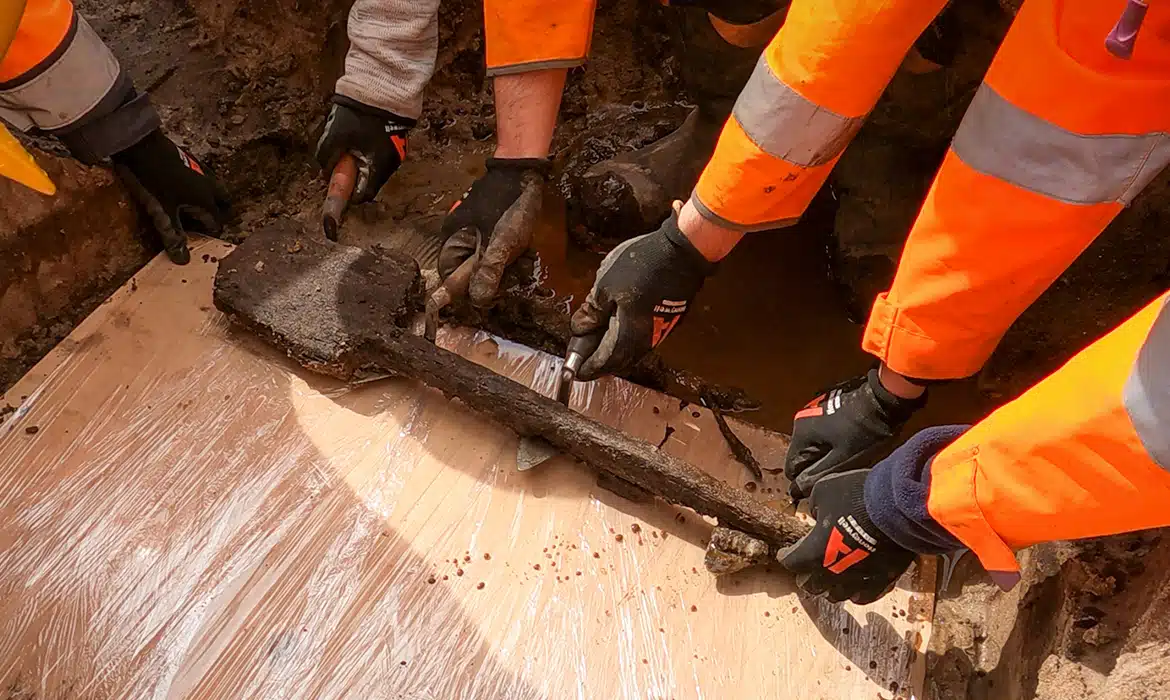
Archaeologists Unearth 3,500-Year-Old Wooden Spade Preserved in British Wetlands

During recent excavations for The Moors at Arne project, Wessex Archaeology uncovered one of Britain’s oldest and most complete wooden tools—a rare discovery that sheds light on how Bronze Age communities interacted with the wetlands along England's southern coast. Pottery and stone artifacts are relatively common finds during excavations, but intact wooden artifacts are much rarer since wood usually disintegrates over time.

Read Article