Art

April 30, 2018

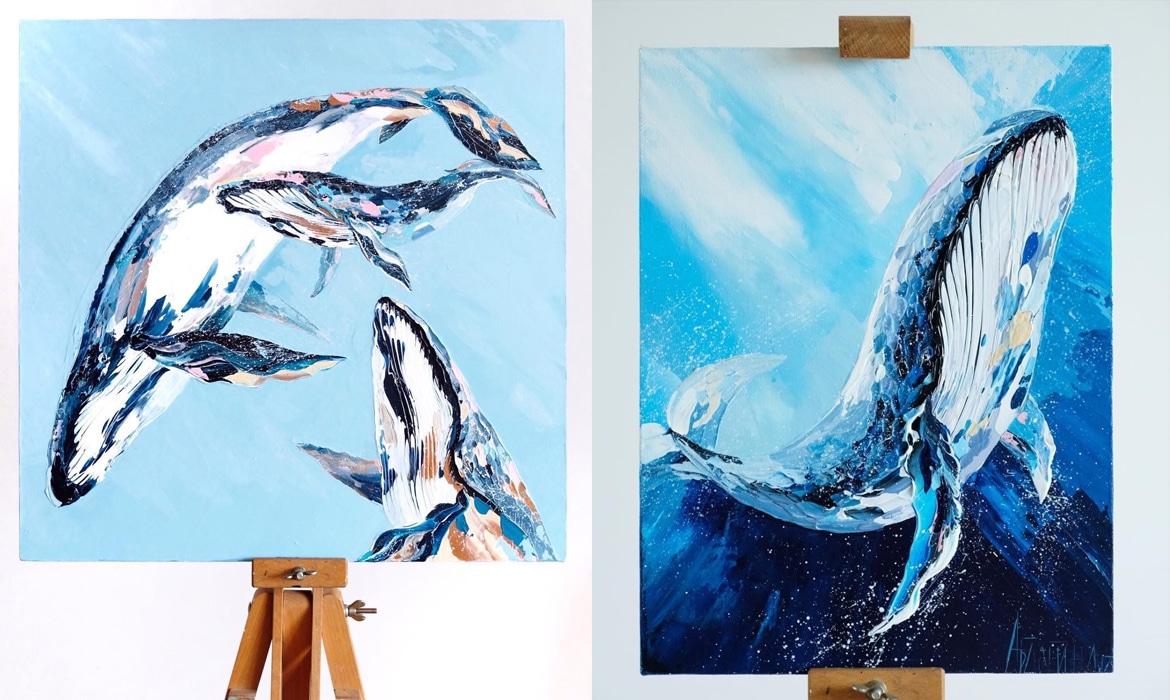
Textured Palette Knife Paintings Capture the Majestic Beauty of Whales

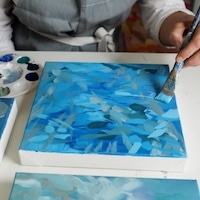
Moscow-based artist Anastasia Ablogina creates expressive palette knife paintings that capture the majestic beauty of the world’s largest mammal, the whale. Using thick daubs of acrylic paint, each textured whale painting is full of energy, illustrating their powerful movements as they glide through the sea and breach the ocean’s surface. From humpbacks to blue whales, Ablogina paints each ocean giant with a myriad of pastel hues.

Read Article


April 27, 2018

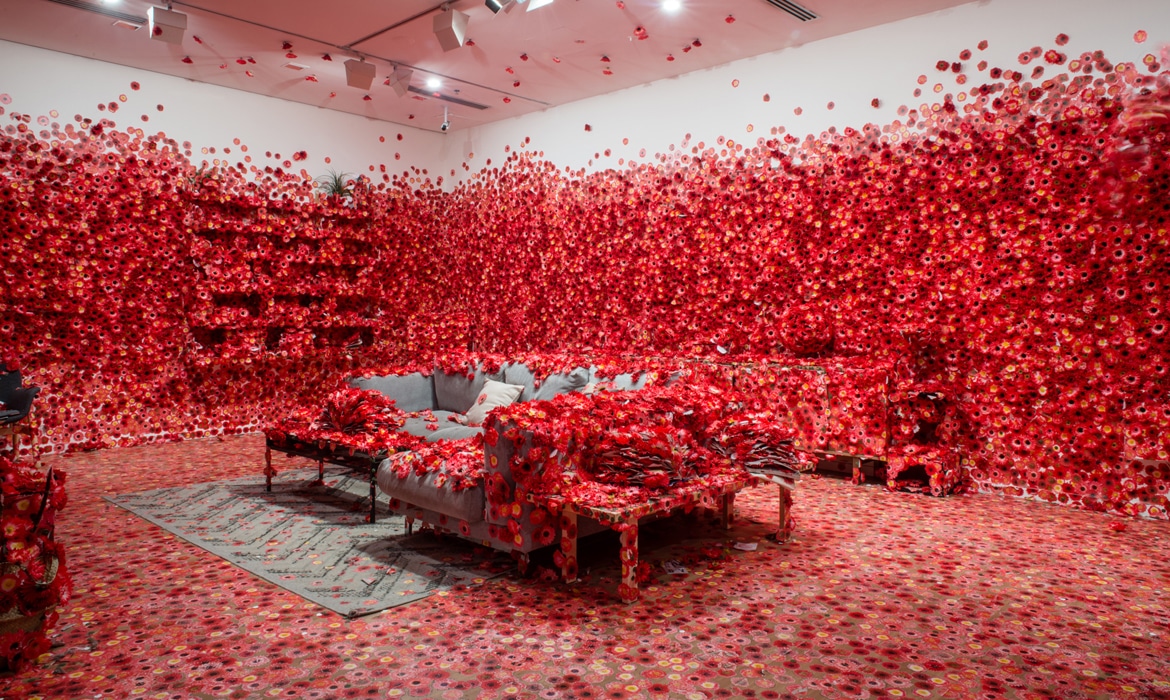
Yayoi Kusama’s Latest Installation “Obliterates” an Entire Apartment in Red Flowers

Japanese artist Yayoi Kusama is a living legend thanks to her whimsical, awe-inspiring installation art. Perhaps best known for creating immersive and infinite spaces called Mirror Rooms, another facet of her career revolves around the Obliteration Room, in which viewers “obliterate” otherwise ordinary interior spaces with colorful dot stickers. One of her latest commissions tweaks the obliteration concept ever so slightly and makes it feel totally fresh.

Read Article


April 26, 2018

Artist Reorganizes Found Organic Objects Into Visually Satisfying Arrangements

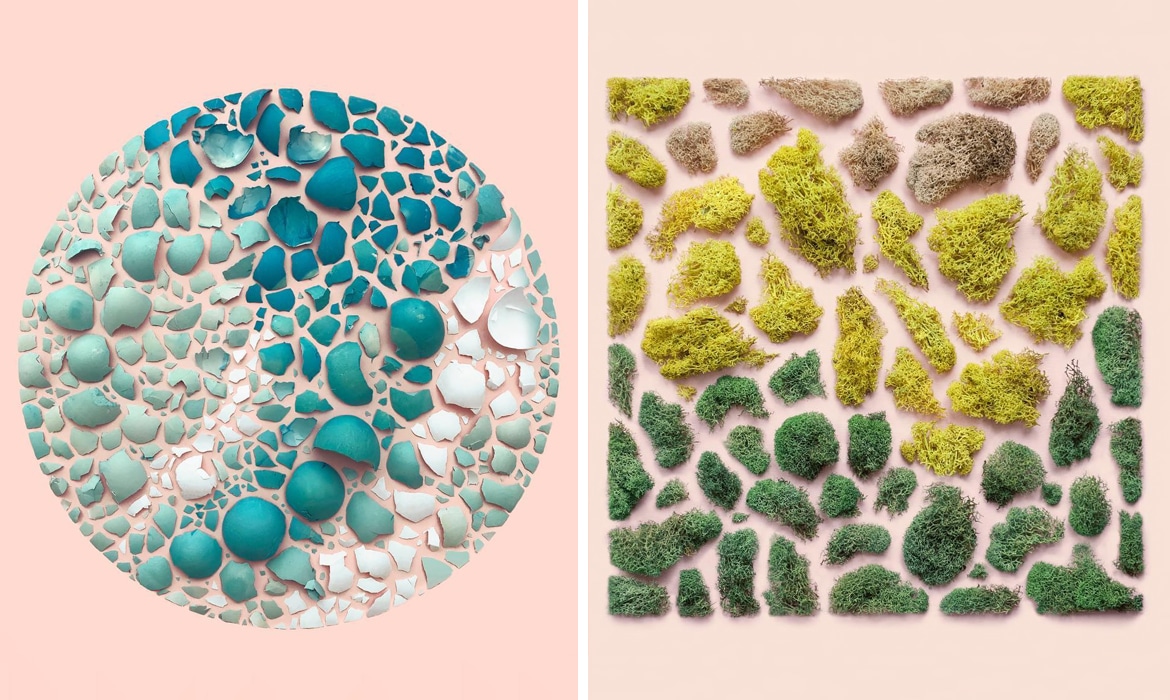
Connecticut-based prop stylist and designer Kristen Meyer creates geometric flat lay art using found organic materials. From broken pieces of egg shells and crackers to flower petals, pebbles, and leaves, Meyer creates mesmerizing patterns by meticulously placing each piece inside perfect circles and squares. Each satisfying composition is set against pastel-colored backgrounds, where Meyer’s clever use of negative space completes the shapes, through the suggestion of crisp geometric boundaries.


Read Article


April 21, 2018

Artist Turns City Satellite Maps Into Abstract Pattern Paintings

Shanghai-based artist Lu Xinjian’s City DNA series depicts the world’s major metropolises—including Beijing, London, and Paris—as maze-like abstract paintings. By studying satellite maps of each location on Google Earth, the artist then extracts and simplifies visual information by sketching the city layout as a myriad of geometric shapes and graphic lines, which represent, what in architecture is termed “city DNA.

Read Article