Design

September 2, 2019

Interview: Designer Restores Beloved 19th-Century Botanical Catalog and Places It Online

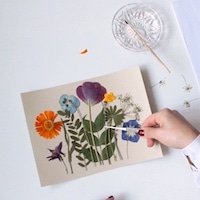
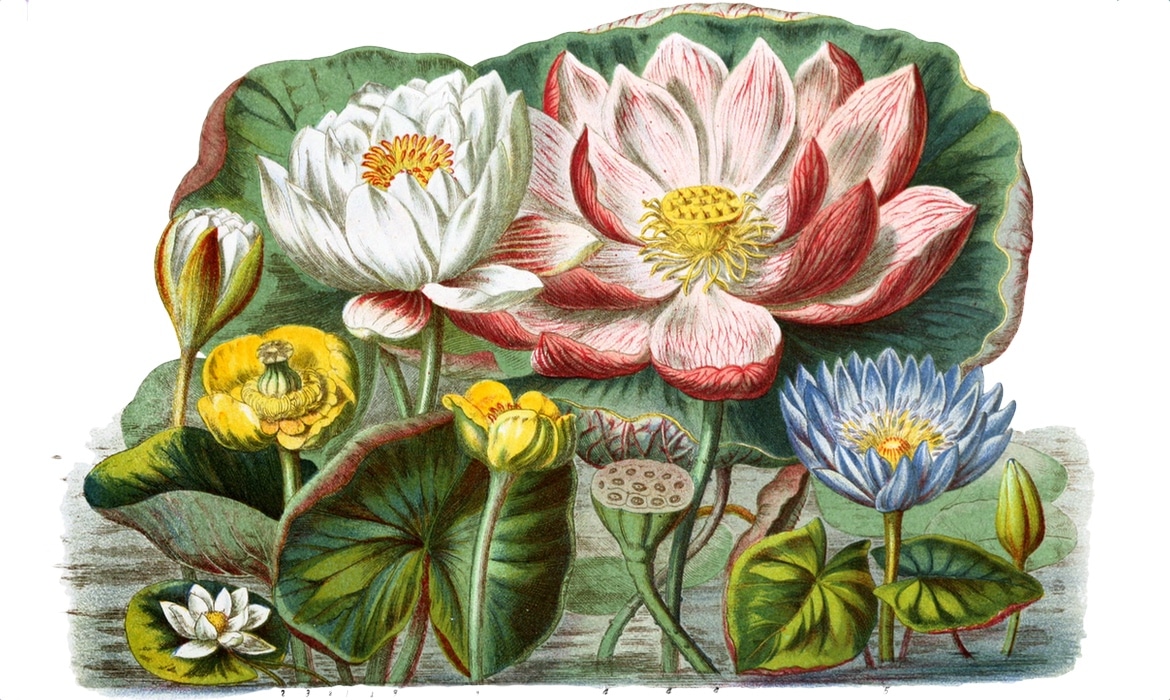
Designer Nicholas Rougeux has spent the last year combining his love for data visualization with his tech skills to lovingly restore and place 19th-century texts online. After the success of Werner's Nomenclature of Colours and the geometry tome Byrne's Euclid, Rougeux is tackling a new topic—botanical illustration. After scouring the internet for different 19th-century botanical catalogs, Rougeux set his sights on Illustrations of the Natural Orders of Plants by Elizabeth Twining.
Read Article


August 25, 2019

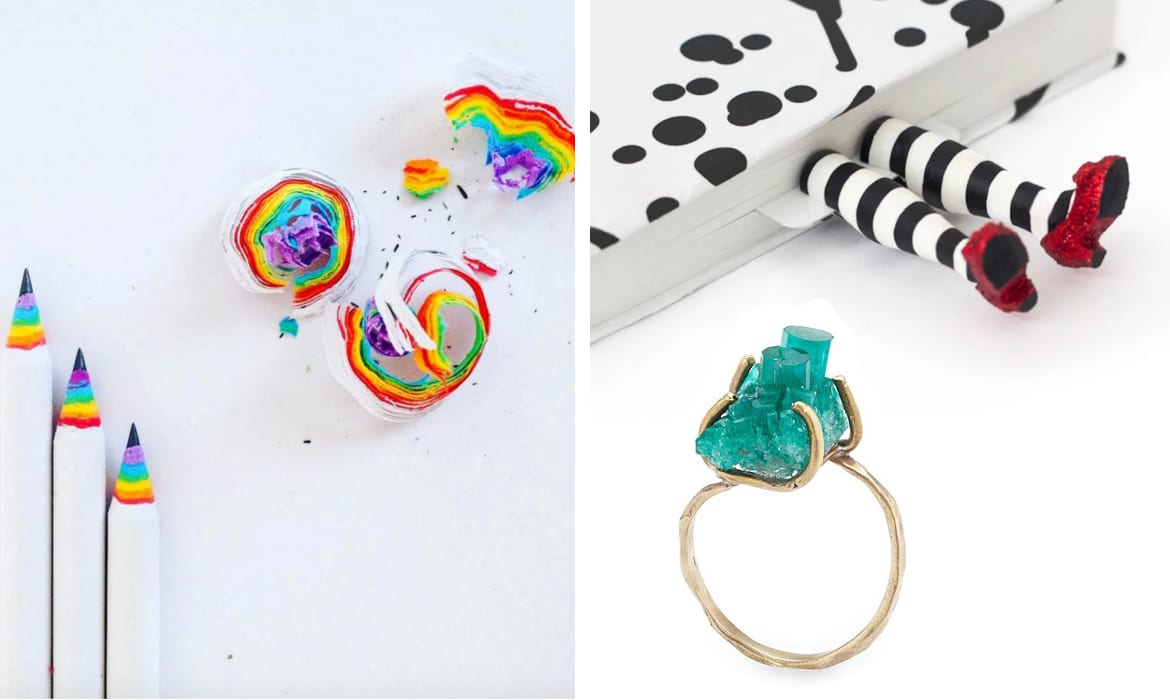
15 Whimsical Gifts for Anyone Who Loves the Wonderful ‘Wizard of Oz’

On August 25, 1939, The Wizard of Oz debuted on the silver screen. Widely celebrated as one of the greatest films in cinematic history, this classic has been beloved by audiences for years—80, to be exact. To commemorate this magical milestone, we've put together a collection of Wizard of Oz gifts bound to make even Dorothy's dreams come true. This selection of goodies imagines iconic motifs from the Oscar-winning film as quirky products.

Read Article


August 16, 2019

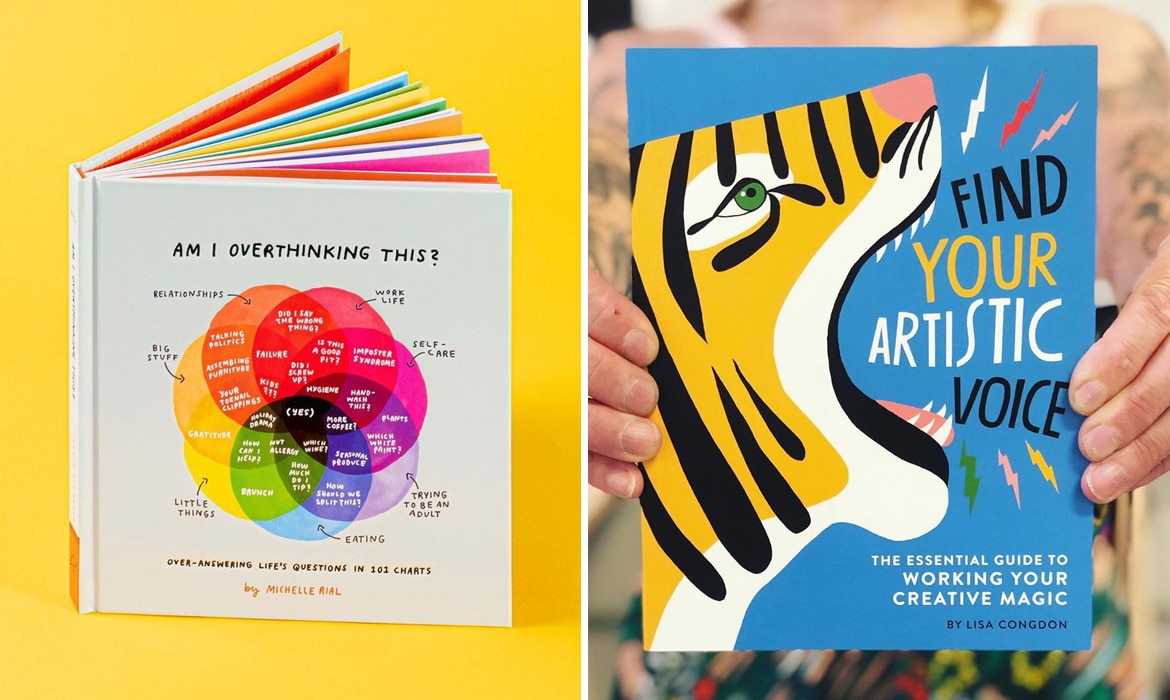
10 Art Books That Will Nourish Your Creative Soul This Month

Heading back to school means that you’ll probably be getting a new collection of books to add to your personal library. But even if you’ve long since graduated, you can plan your own independent study by selecting creative books. From photography to art to entrepreneurism, these texts are sure to inspire you. New books are released every week, so it can be hard to keep track of all the great things you could be learning.

Read Article


August 9, 2019

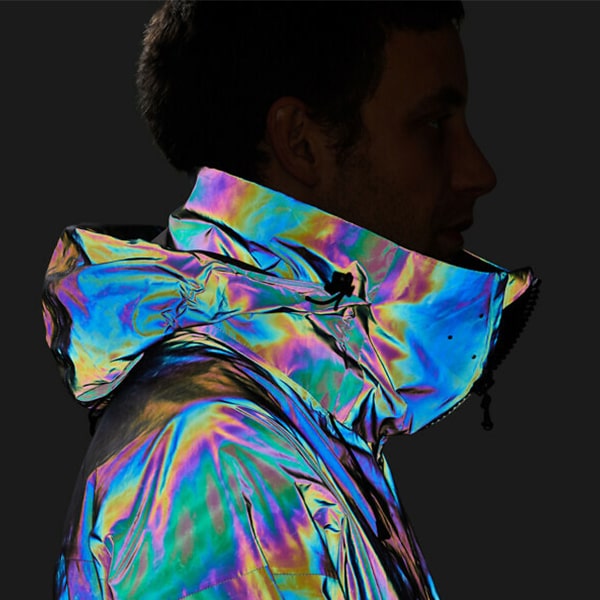
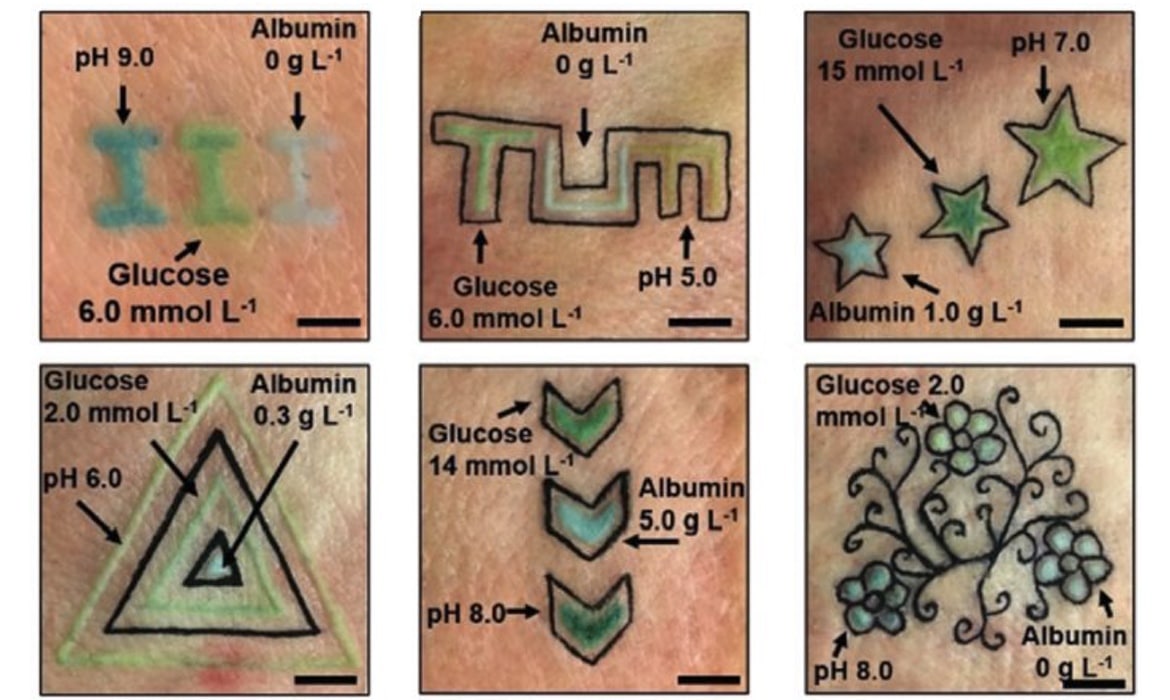
Color-Changing Tattoos May Change the Way We Monitor Health Issues

Monitoring your health may get a lot easier thanks to technology being developed by a team of researchers in Germany. As detailed in a recently published article, scientists have developed tattoos that change color according to the body's levels of glucose and albumin or its pH. This would allow patients with illnesses like diabetes or kidney disease to keep track of their health without having to take constant blood samples.

Read Article