Science

August 24, 2024

Scientists Find Evidence That Rain First Fell on Earth 4 Billion Years Ago

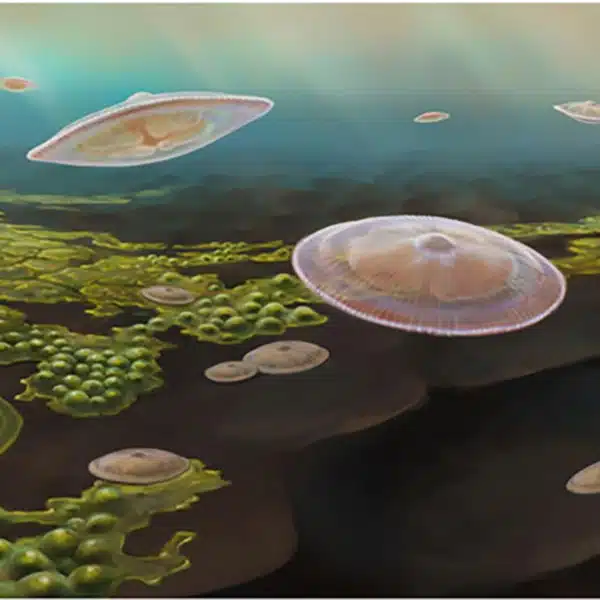
In elementary school, children learn about the water cycle. From evaporation to condensation into clouds to precipitation as rain, water cycles between land and sky. But when did this process begin? Earth itself is 4.5 billion years old, but freshwater was not immediately present. However, a new paper published in Nature Geoscience suggests Earth experienced its first rain earlier than previously thought.

Read Article


August 19, 2024

Antarctica Faces 50-Degree Temperature Increase Amid Persisting Heat Wave

Since mid-July, Antarctica has experienced a near record-breaking heat wave, its second in the past two years. Despite Antarctica being in the middle of its winter, when the continent is typically the coldest and darkest, certain regions are experiencing temperatures up to 50°F above average. Eastern Antarctica, where the heat wave is hitting the hardest, has seen temperatures alarmingly rise to -22°F and even -13°F.

Read Article


August 14, 2024

Take the Shortest IQ Test in the World – Only 3 Questions Long but Surprisingly Revealing

It's hard—if not nearly impossible—to truly measure intelligence. And while there are plenty of tests out there, many don't account for things such as perspective and observation, which can say more about a person than their abilities to quickly solve a math problem, for example. Drawing from this, Yale University Professor Shane Frederick created the “Cognitive Reflection Test (CRT),” considered the “world’s shortest IQ test” as it is made up of only three questions.

Read Article


August 9, 2024

Study Says Societies With the Least Money Are Some of the Happiest on Earth

It is often said that money can't buy happiness, and there might be some truth in those words. Even though it is generally believed that wealthier nations are among the happiest on Earth, a recent survey found that low income individuals living in small-scale communities often report feeling just as happy, if not more so, than their high-income counterparts.

Read Article