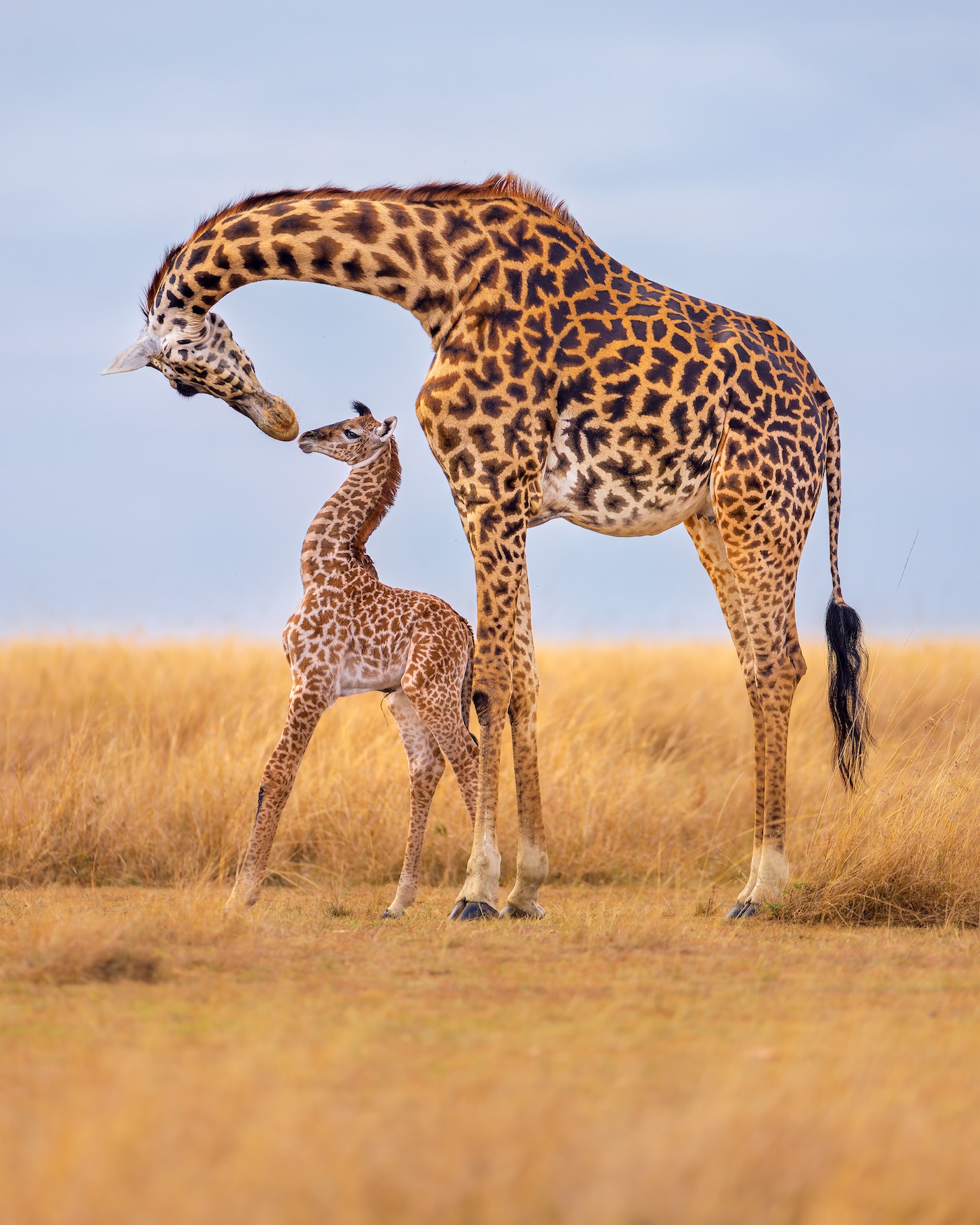
Tom Nicholson / Remembering Giraffes, Maasai Mara National Reserve, Kenya Masai giraffe
In a bid to raise awareness and funds to save endangered animals around the world, photographer Margot Raggett MBE started a powerful photo book series called Remembering Wildlife. Each year, a new Remembering Wildlife book is released featuring stunning photographs of a single animal from some of the best wildlife photographers in the world. On October 12, Remembering Wildlife published its 11th book, Remembering Giraffes, giving fascinating insight into the lives of the world’s tallest mammal.
The book features a collection of beautiful images donated by world-renowned wildlife photographers, such as Jonathan & Angela Scott, Marsel van Oosten, Frans Lanting, and Greg du Toit. The collection aims to raise awareness of the challenges facing wildlife, as well as funds to help protect the four distinct species of giraffe.
“People love giraffes, but many don’t realize they are in trouble. Most people assume giraffes are thriving but, in fact, populations have fallen by up to 40% since 1985,” reveals Raggett. “Habitat loss, fragmentation, agriculture, fences, roads and human settlement increasingly divide ancient migratory routes and isolate populations into small pockets of habitat. In some regions, giraffes are still hunted for bushmeat, while elsewhere, conflict and political instability make meaningful conservation extraordinarily difficult.”
Raggett hopes the photos from the Remembering Giraffes highlight “what’s at stake if Africa loses one of its most iconic animals.” One particularly thought-provoking photo was taken by Charlie Hamilton James in Amboseli National Park, Kenya. It shows a giraffe that unfortunately fell victim to a drought. Another image by Ollivier Girard captures West African giraffes being moved under military escort to a reserve 800 kilometers (559 miles) away, helping to bring the species back to part of its former range after nearly 50 years.
Raggett was moved to start creating the series of Remembering Wildlife books after seeing a poached elephant in Kenya. Since launching with Remembering Elephants in 2016, Remembering Wildlife has sold more than 62,000 books worldwide, raising awareness of the threats facing wildlife and supporting conservation efforts. All profits go towards protecting at-risk species, with more than £1.28 million (almost $1.7 million) donated to 86 projects across 36 countries. Since it began, the series has also brought together 316 photographers from around the world, who have generously contributed their images to the books.
Remembering Giraffes is now available on the Remembering Wildlife website. We had the opportunity to speak to Raggett about the project. Scroll down to read My Modern Met’s exclusive interview to discover her insights.
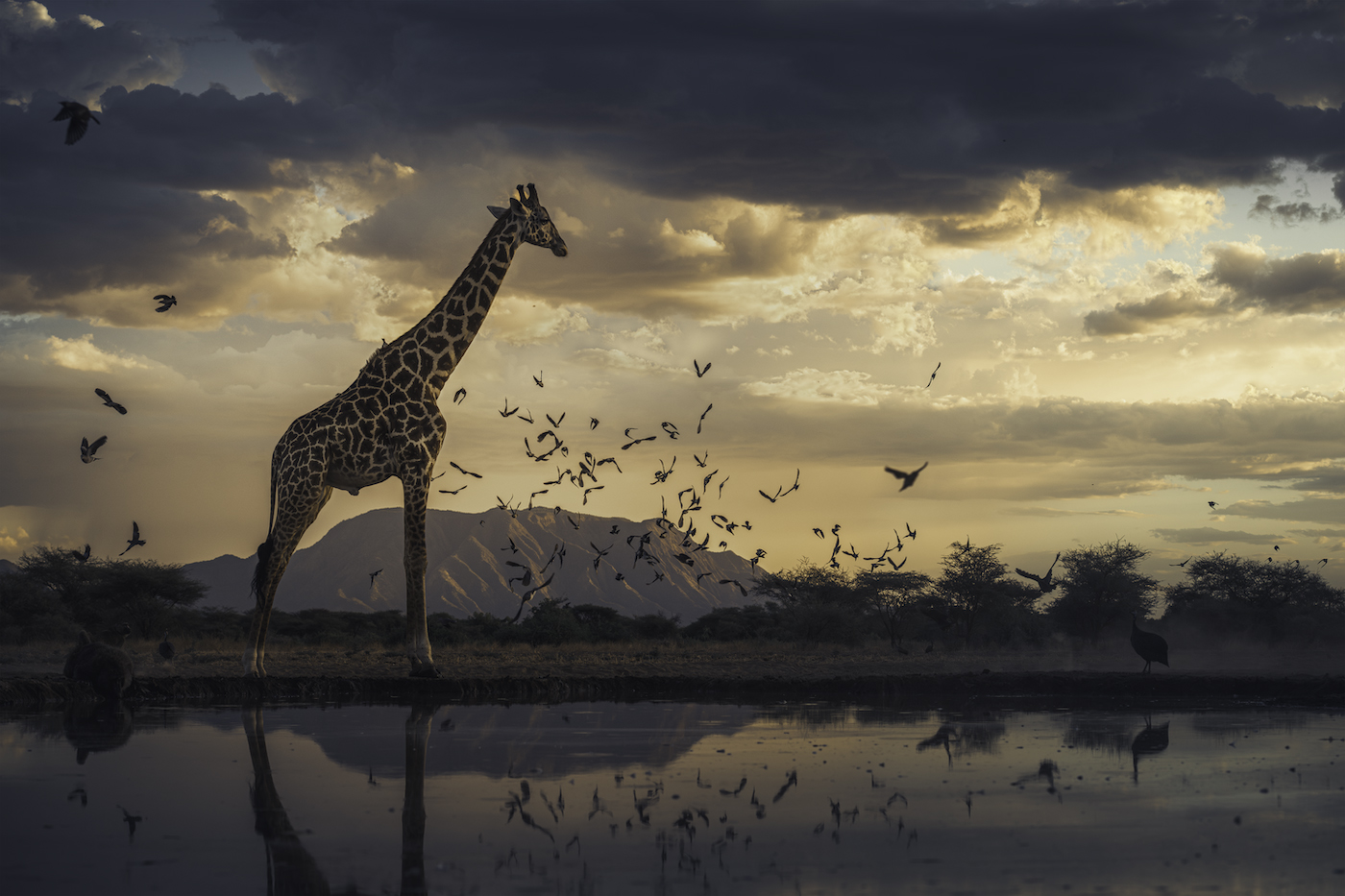
Federico Veronesi / Remembering Giraffes, Shompole Conservancy, Kenya Masai giraffe
You founded Remembering Wildlife after a particularly upsetting encounter with a poached elephant in Kenya. What was it about that experience that made you feel you had to do something?
I can still remember it like it was yesterday. I felt absolutely helpless and deeply, deeply angry. Just the day before, I’d been photographing elephants, so to see the life of one taken away so brutally by a poisoned arrow was devastating.
I decided to turn that anger into something proactive, rather than just letting it stew. The idea of bringing photographers together to make a book that could raise awareness of elephant poaching, and funds for those fighting it, began to form in my head. I didn’t know where it would lead. I just felt I had to do something.
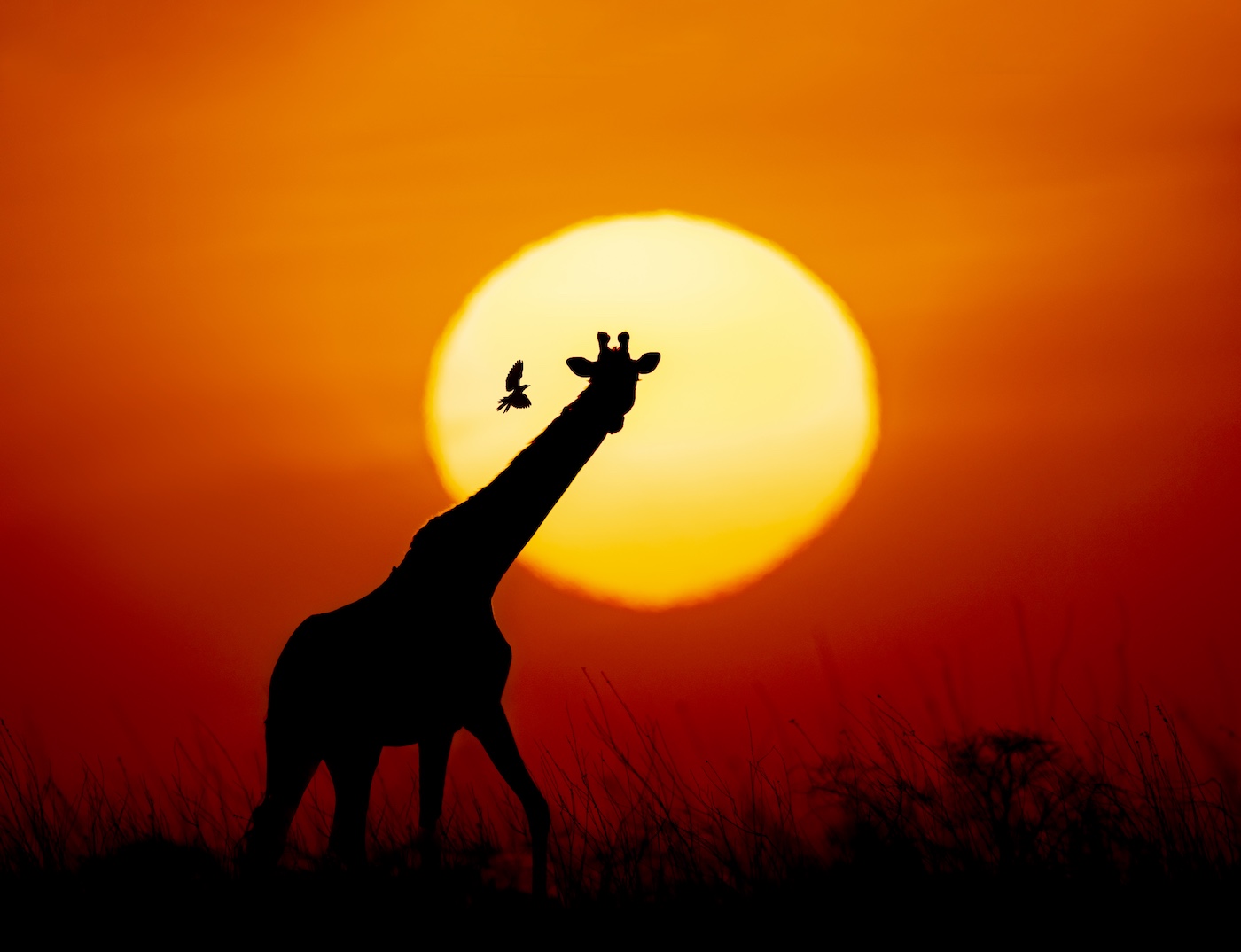
Todd Gustafson / Remembering Giraffes, Serengeti National Park, Tanzania Masai giraffe
You’ve now produced books covering 11 different species. Has your understanding of conservation changed since you started the project?
Most definitely. I was reflecting on this just the other day. When I started, I was incredibly naive. I thought the answer to saving elephants from poaching was to give rangers guns so they could protect them. Job done.
I hadn’t thought about the boots and uniforms those rangers need, the vehicles with working tires, the fuel to keep them running, or the roads that have to be passable. There are so many practical obstacles to enabling someone to do that job, and that’s barely scratching the surface of conservation.
Species by species, I’ve learned so much more about the challenges involved. I’ve also discovered how much they have in common, both in the threats they face and the solutions conservation organizations are finding. My understanding has become much more nuanced, and my respect for the people doing this work has only grown.
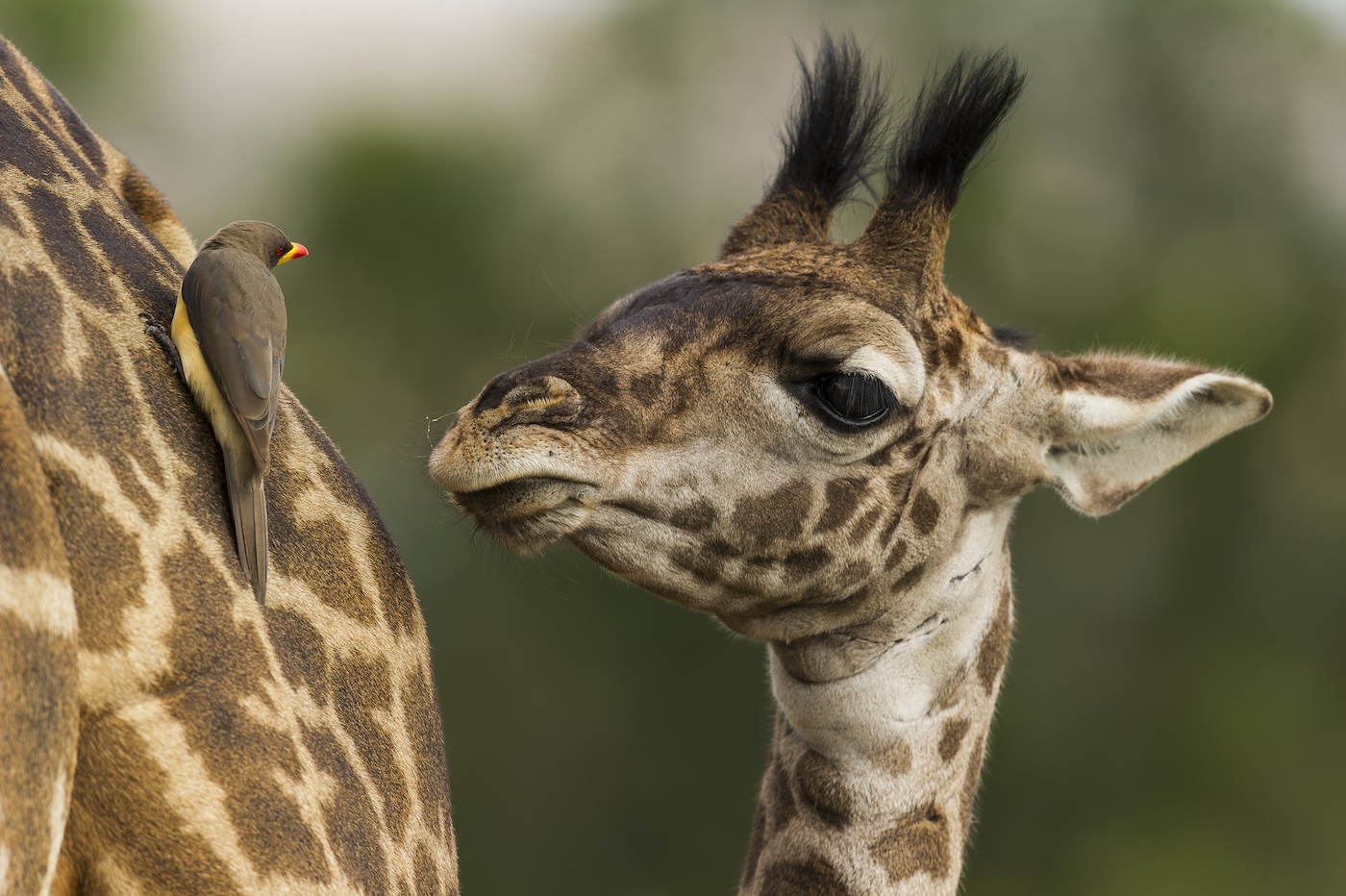
Daryl & Sharna Balfour / Remembering Giraffes, Maasai Mara National Reserve, Kenya Masai giraffe
What was it about giraffes that made you feel they were the right species for the next Remembering Wildlife book?
Giraffes are one of the most iconic animals you picture when you think of Africa: that unmistakable shape towering on the horizon. Yet people take them completely for granted. They assume giraffes are fine and will always be there.
When I started looking into how many had been lost over recent decades, I realized this was another quiet disappearance happening almost without people noticing. I felt it was time giraffes had their own book and their own voice. In many ways, they’re the most silent of all the animals we’ve covered so far.
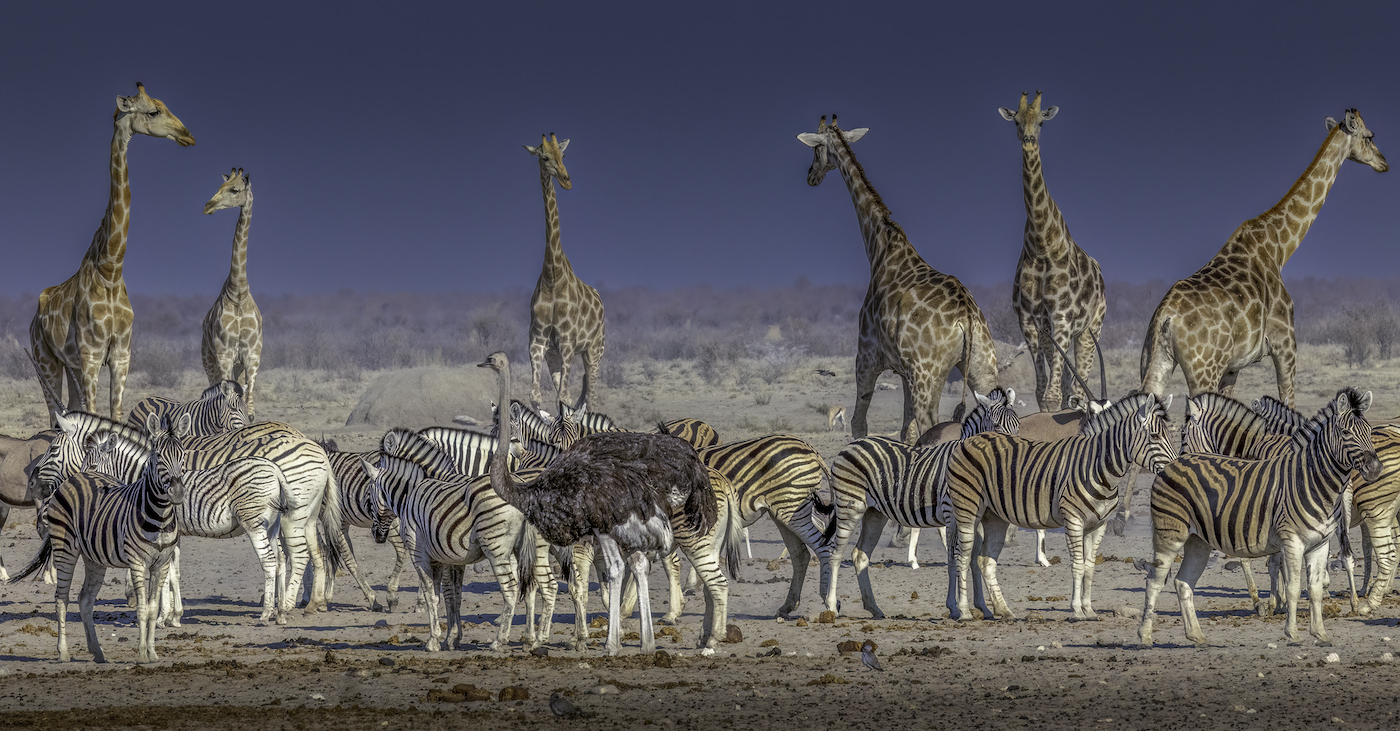
Art Wolfe / Remembering Giraffes, Etosha National Park, Namibia Angolan giraffe
What surprised you most when you began researching the threats facing giraffes?
Beyond the losses themselves, I hadn’t appreciated how fragmented their habitat had become, leaving some populations in isolated pockets. I also hadn’t realized how different the picture could be for different giraffe species, with some doing better than others.
What struck me, too, was how little attention and conservation funding giraffes receive compared with some other iconic animals. For an animal that is so instantly recognizable and apparently so loved, that felt surprising and rather sad. It made me want to speak up for them as the underdog.
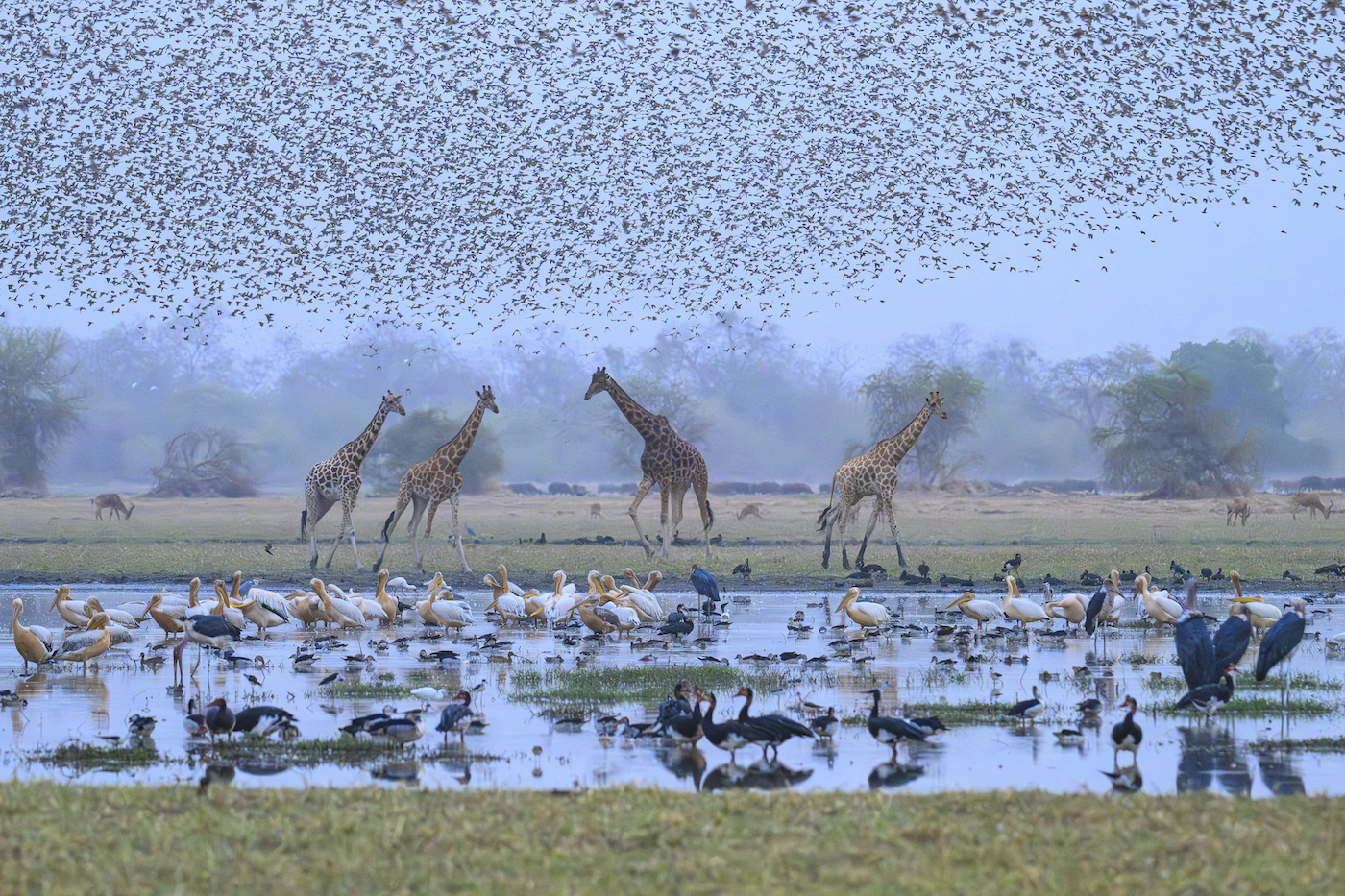
Shem Compion / Remembering Giraffes, Zakouma National Park, Chad Kordofan giraffe
What did you want Remembering Giraffes to show people about these animals beyond their iconic appearance?
What I love about the selection of images is that it shows giraffes in so many different situations, from mothers tenderly nursing their babies to giraffes making their way through swampland. There are those beautiful, classic sunrise and sunset images, but also photographs that make you stop and notice something you might never have seen before.
People too often drive past giraffes on safari without really looking at them. I want them to pause and notice how beautiful they are, how long their eyelashes are, how extraordinary their bodies are and how tender their interactions can be. I’m thrilled with how the book has turned out, and I hope it gives people a reason to look a little longer.
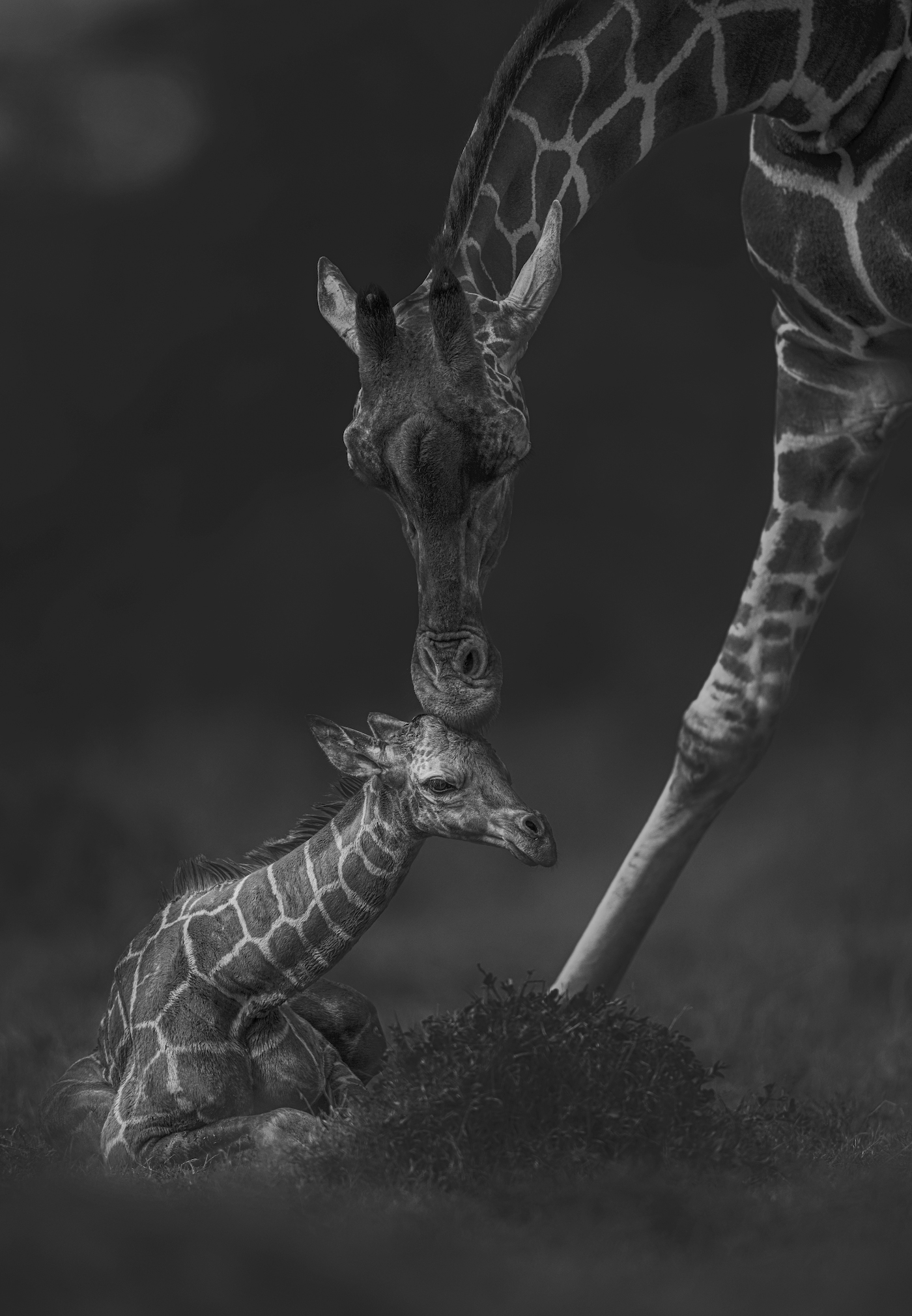
Greg du Toit / Remembering Giraffes, Solio Game Reserve, Kenya Reticulated giraffe
Is there one photograph in the book that you’re particularly attached to, and can you tell me the story behind it?
In this case, it’s actually my own photograph on the back cover, because I remember the afternoon I took it so clearly.
We’d spotted a mother giraffe away from the herd with a very young calf and went to take a closer look. The youngster was adorable, and we ended up spending three or four hours simply watching them together. There was such affection between them. The mother would move off to graze, the baby would follow, and then she would turn her attention back to it.
The photograph came from one of those quiet moments. The baby is looking up towards its mother’s belly, and you really appreciate the extraordinary difference in size between them and just how tiny and sweet the calf is.
For me, it brings back a wonderful memory of stopping and really paying attention. That’s exactly what I hope the book encourages other people to do.
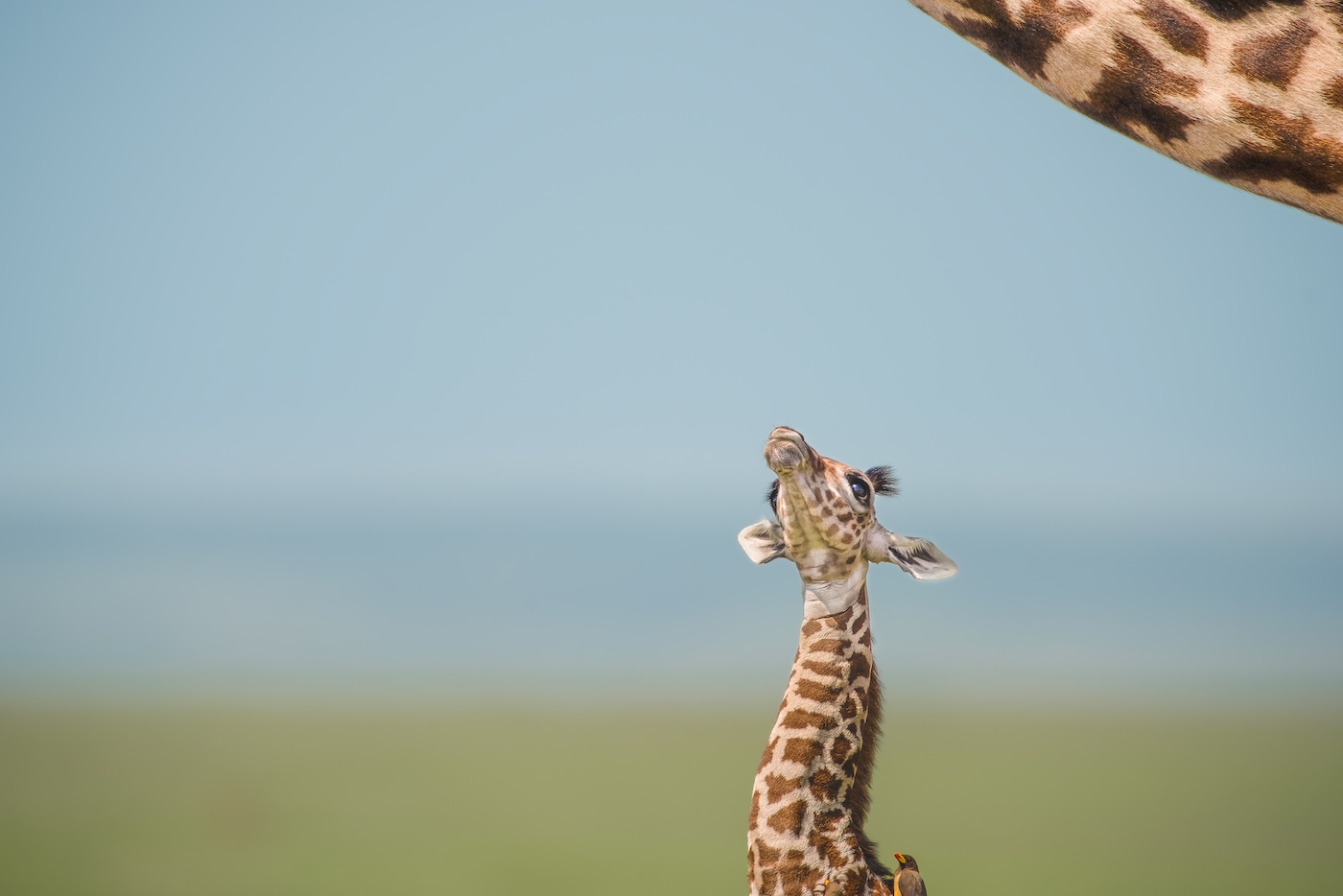
Margot Raggett MBE / Remembering Giraffes, Maasai Mara National Reserve, Kenya Masai giraffe
The project has raised more than £1 million for conservation. What does it mean to you to see something that began as an idea between photographers grow into something with a real impact?
We’ve actually raised close to £1.3 million now, and that still blows my mind. When I started, I thought £100,000 would be an ambitious target. To have reached this point is beyond my wildest dreams.
It means the world to me. Remembering Wildlife has become my purpose, and knowing that the books translate into practical support for conservation is what keeps me going.
What’s been particularly moving is the way photographers, supporters, and organizations have gathered around the project. A whole community has formed that I could never have anticipated. It’s been the gift of my life to help bring that together.
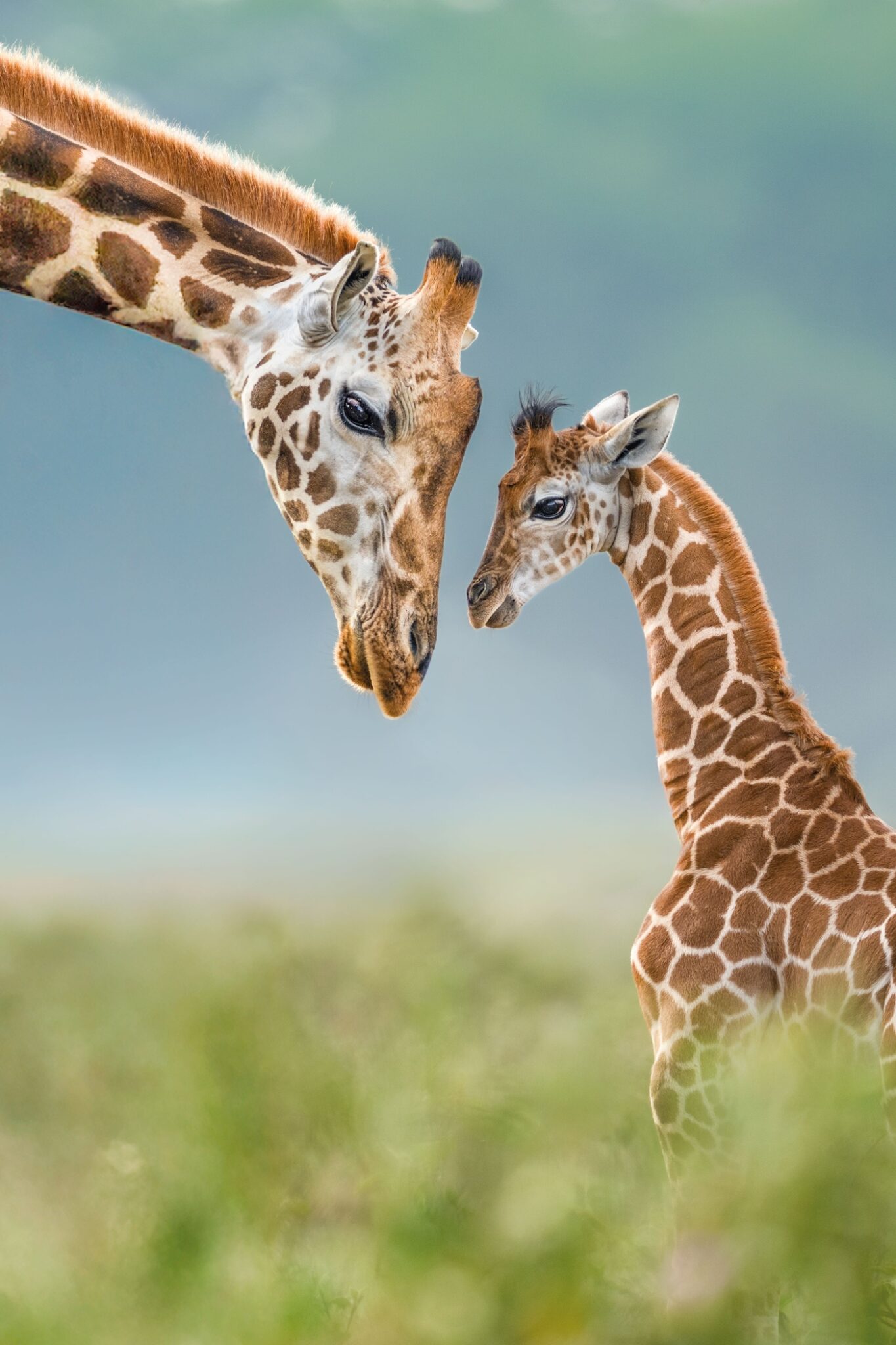
Gurcharan Roopra / Remembering Giraffes, Lake Nakuru National Park, Kenya Nubian giraffe
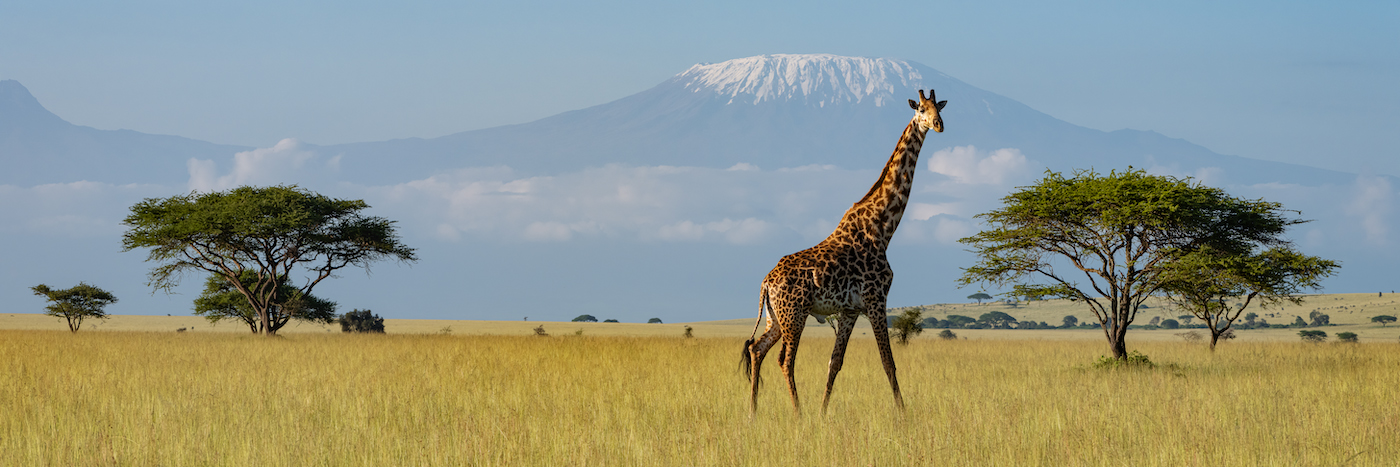
Thomas D. Mangelsen / Remembering Giraffes, Chyulu Hills National Park, Kenya Masai giraffe
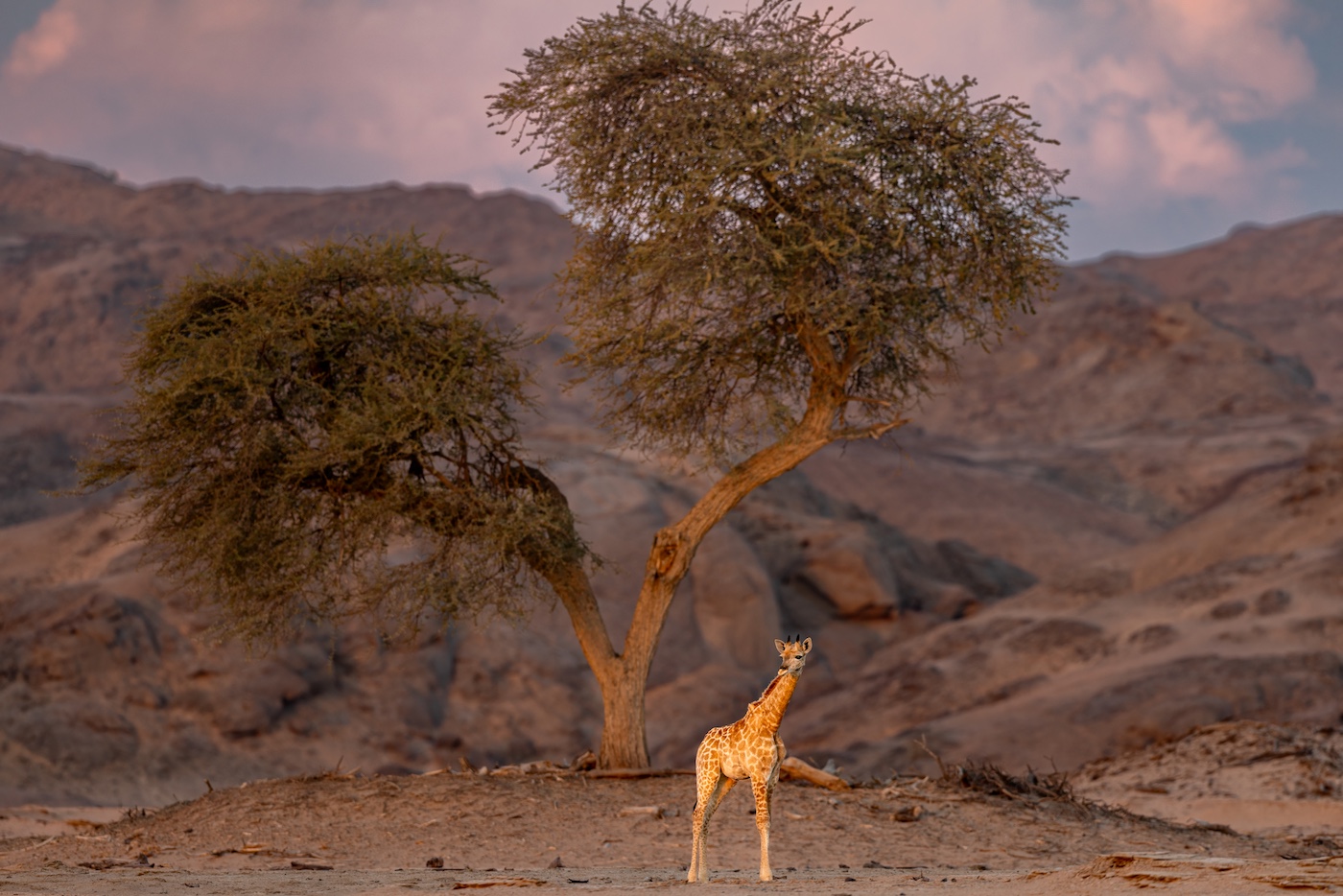
Michael Lorentz / Remembering Giraffes, Skeleton Coast National Park, Namibia Angolan giraffe
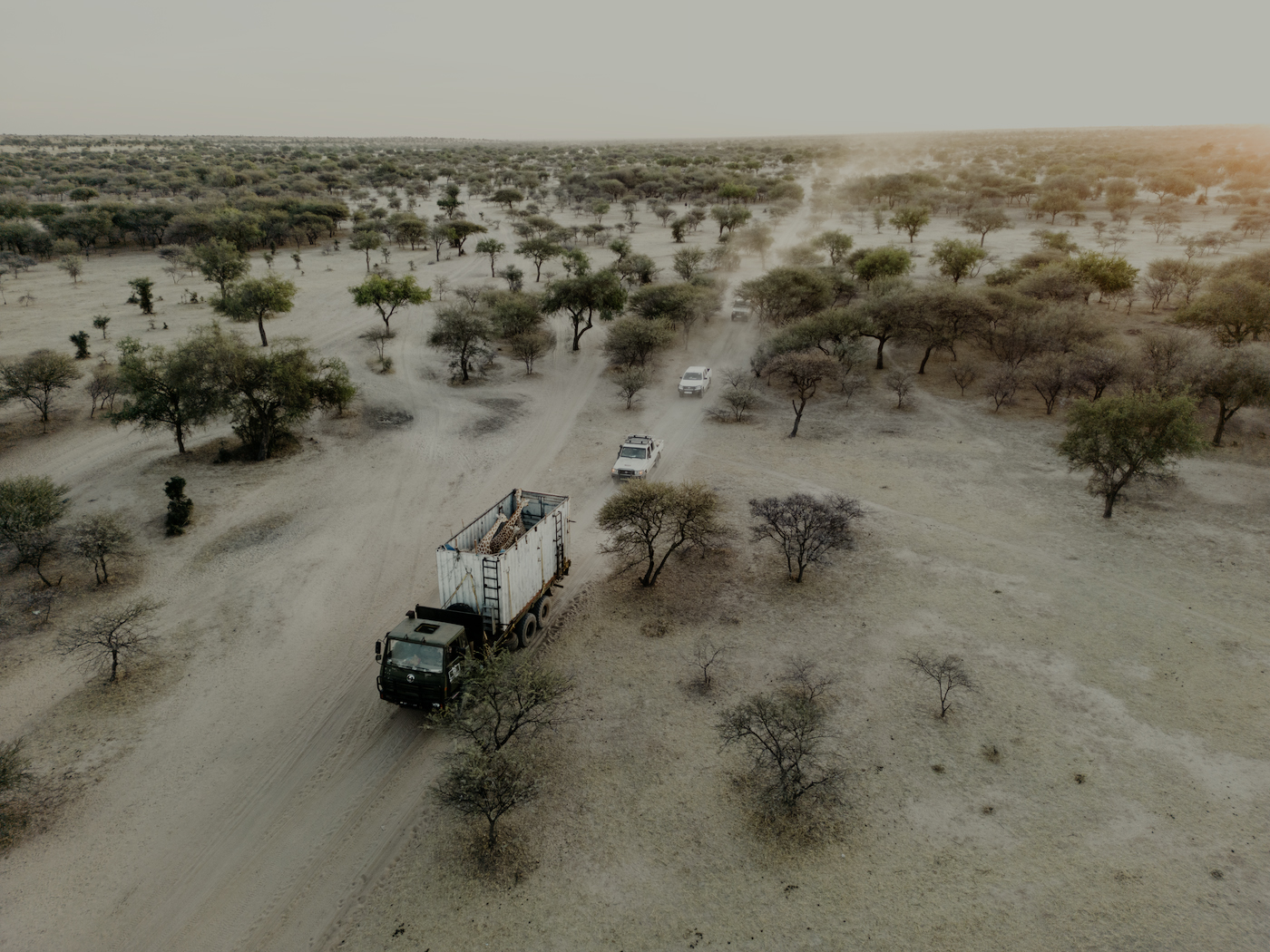
Ollivier Girard / Remembering Giraffes, Gadabedji Biosphere Reserve, Niger West African giraffe
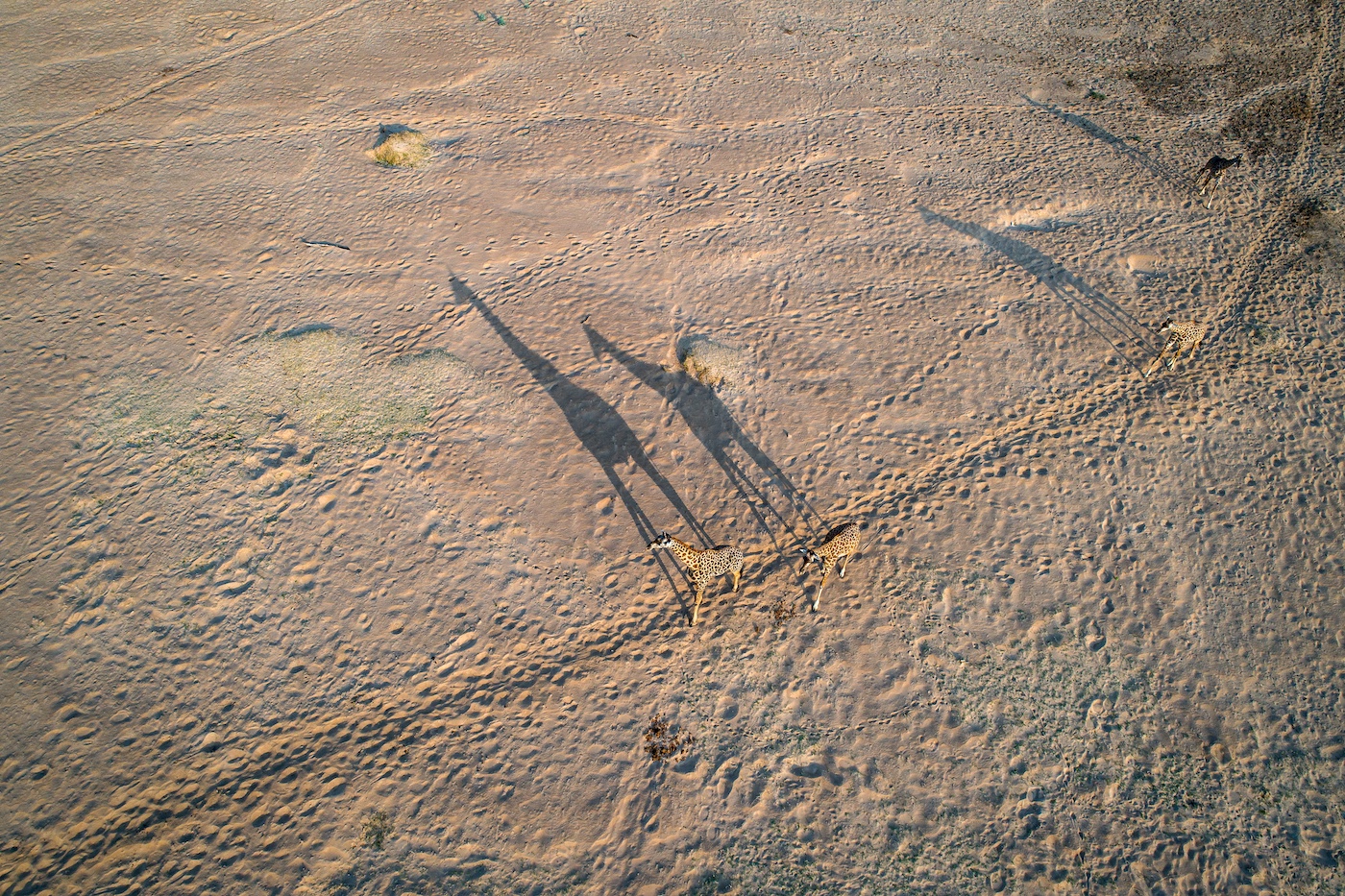
Isak Pretorius / Remembering Giraffes, South Luangwa National Park, Zambia Luangwa giraffe
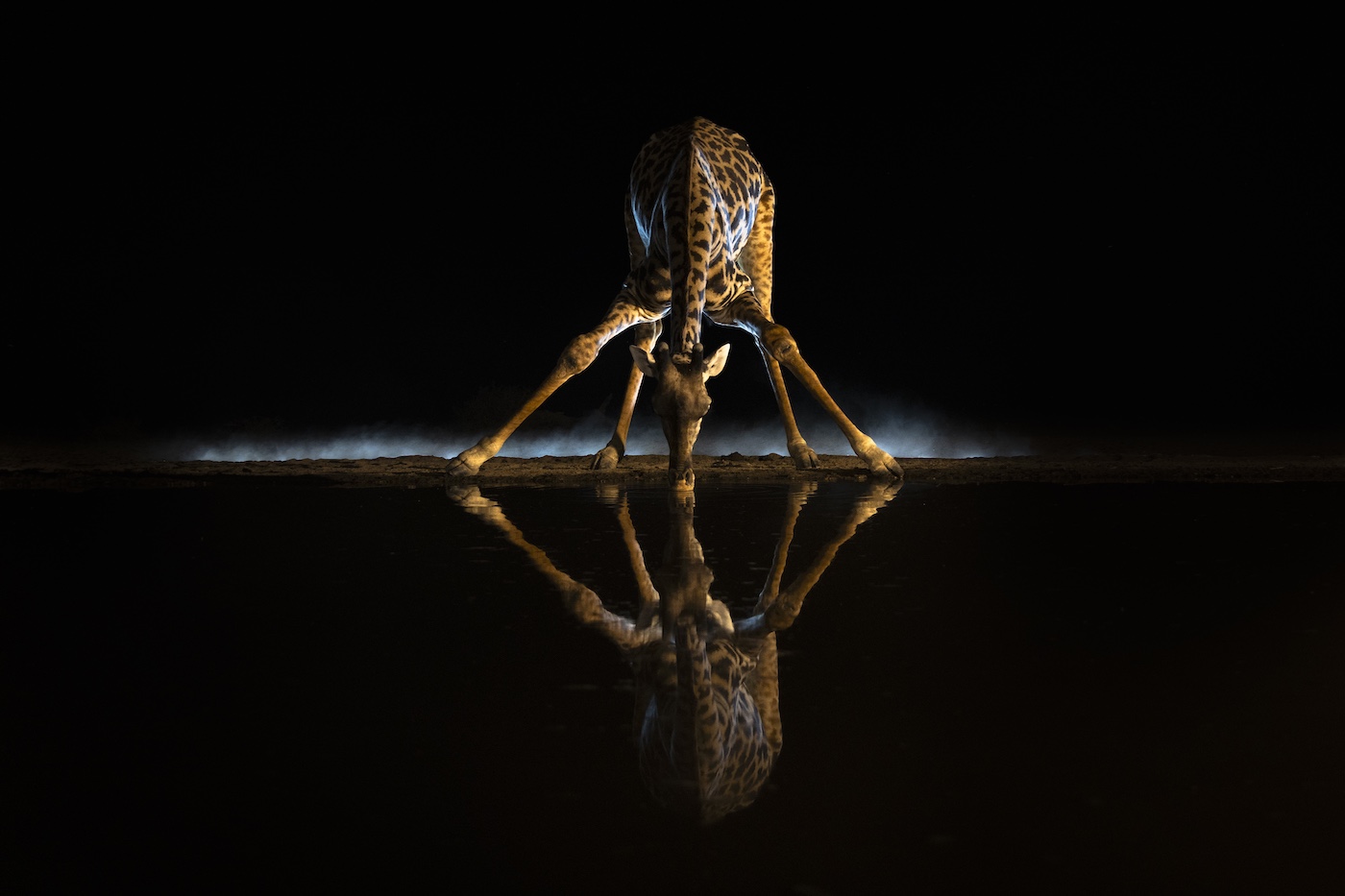
Ann & Steve Toon / Remembering Giraffes, Shompole Conservancy, Kenya Masai giraffe Image
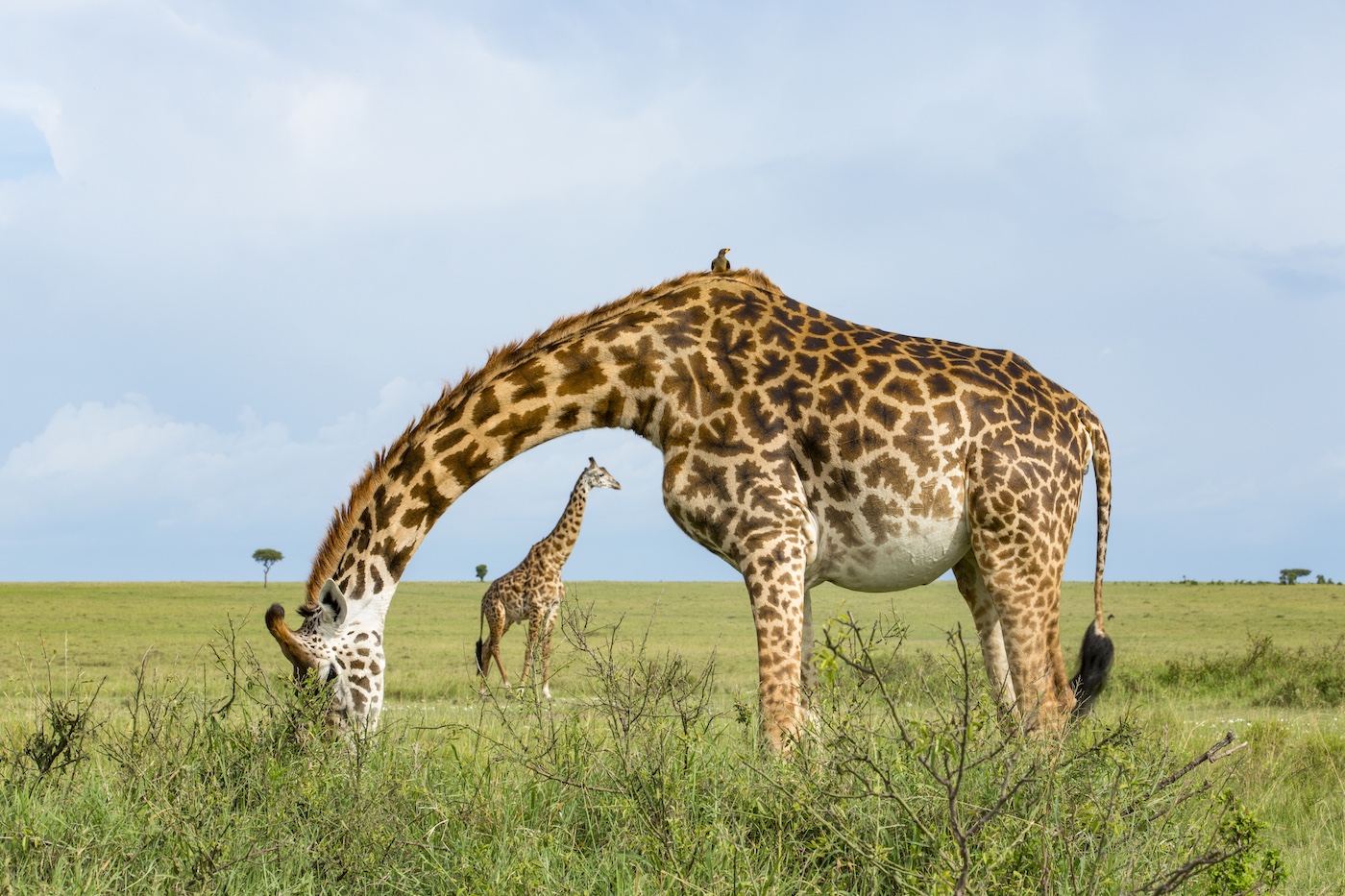
M & C Denis-Huot / Remembering Giraffes, Maasai Mara National Reserve, Kenya Masai giraffe
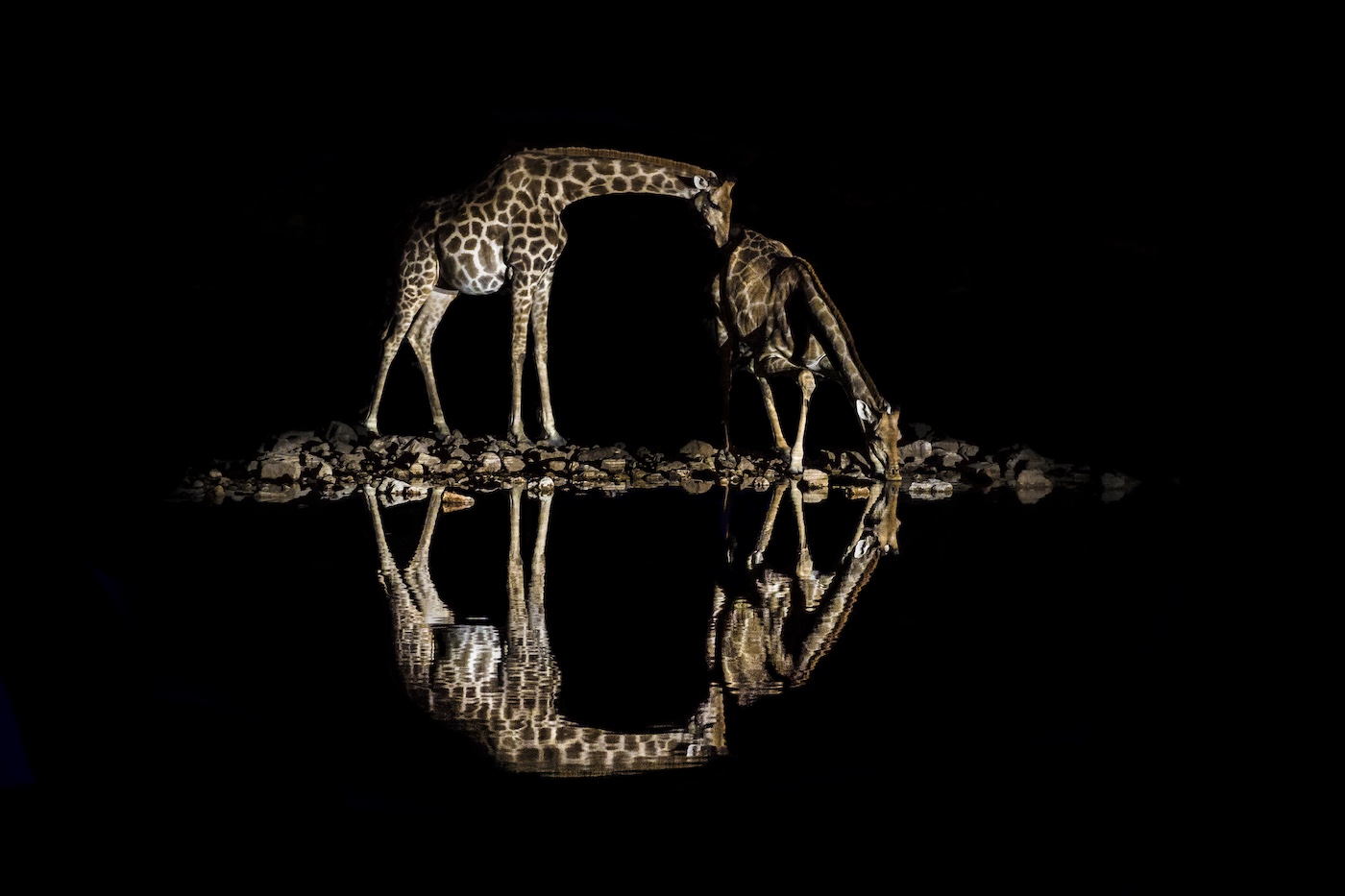
Wim van Den Heever / Remembering Giraffes, Etosha National Park, Namibia Angolan giraffe
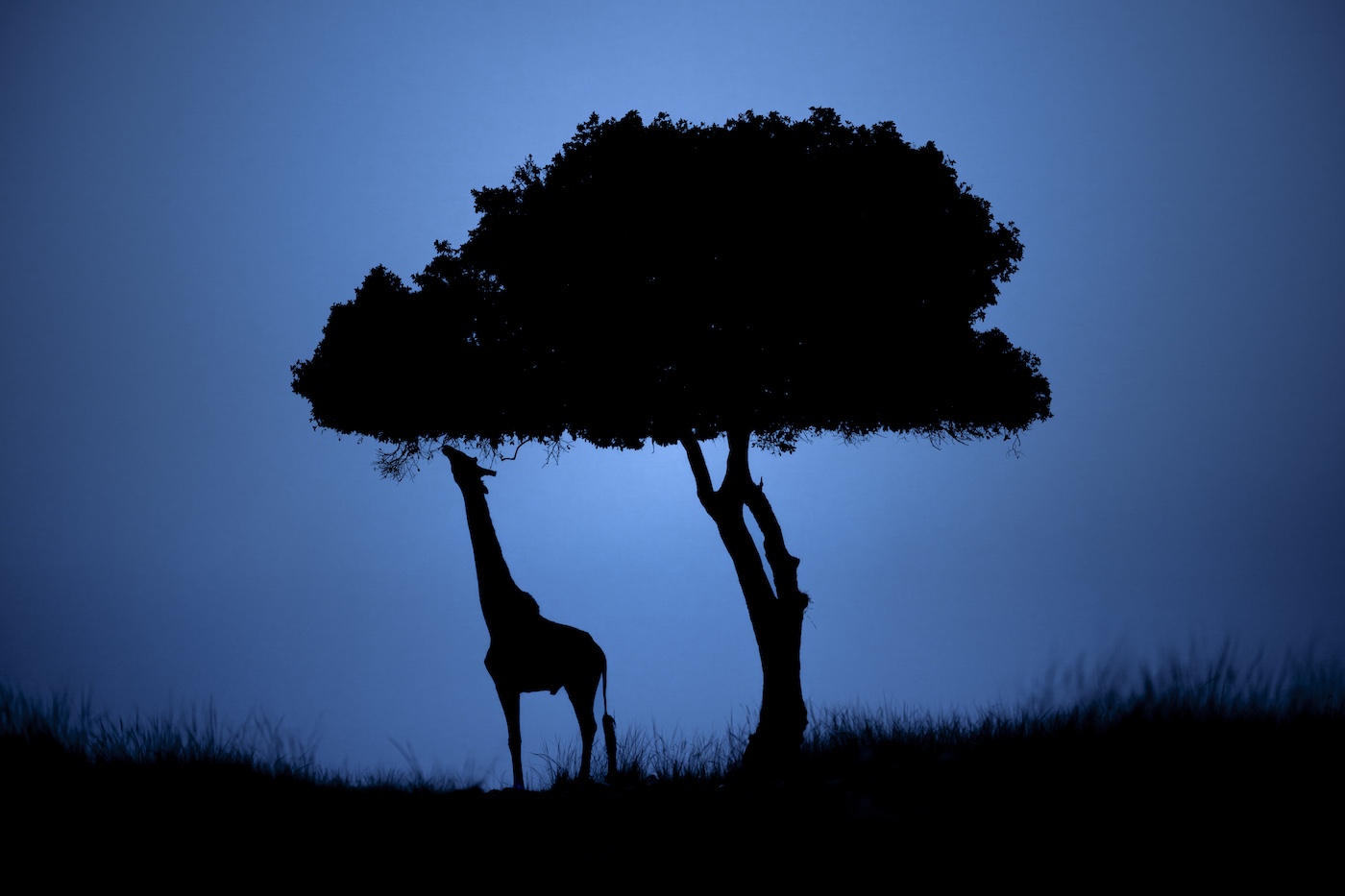
Richard Peters / Remembering Giraffes, Maasai Mara National Reserve, Kenya Masai giraffe
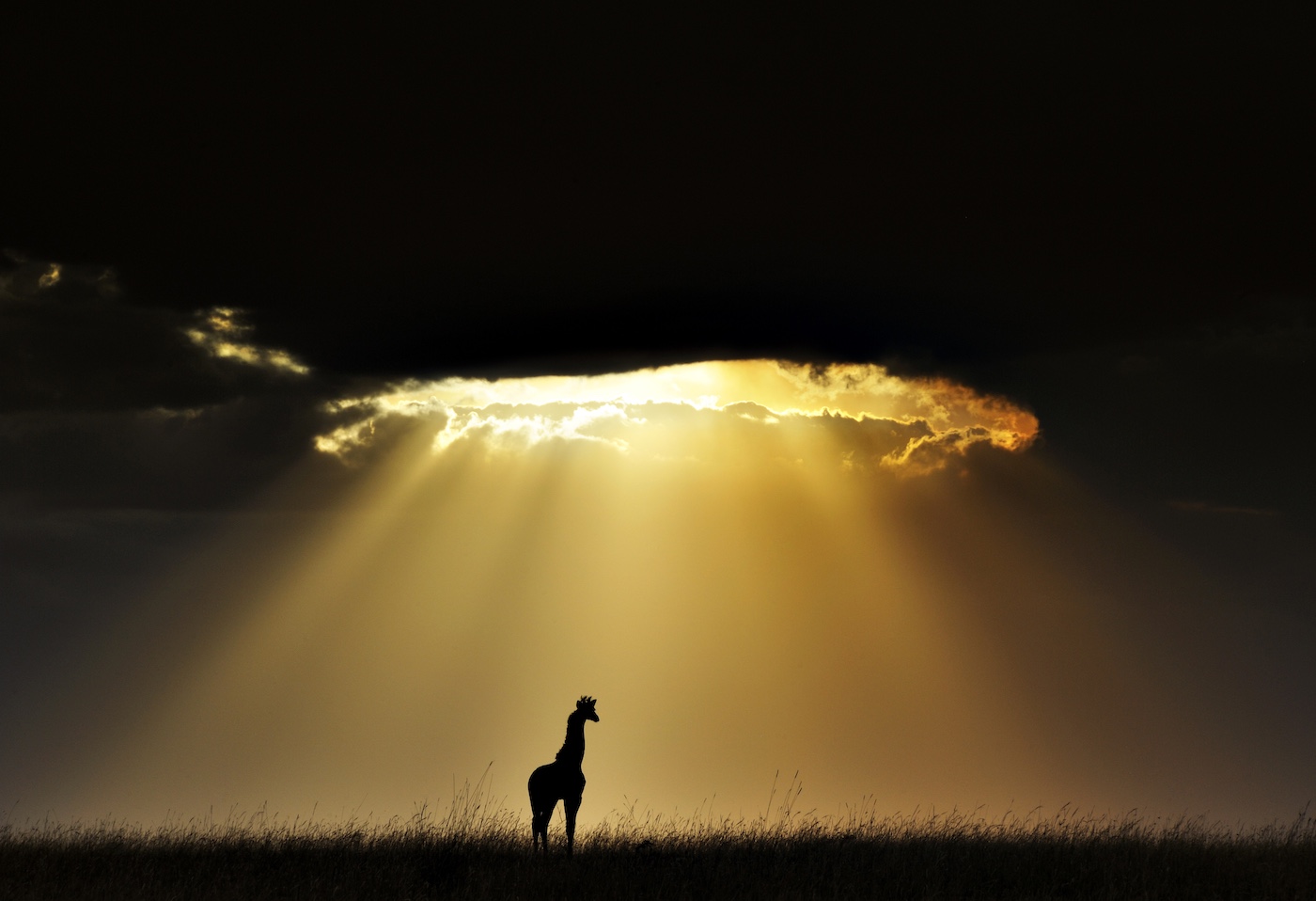
Andy Rouse / Remembering Giraffes, Maasai Mara National Reserve, Kenya Masai giraffe
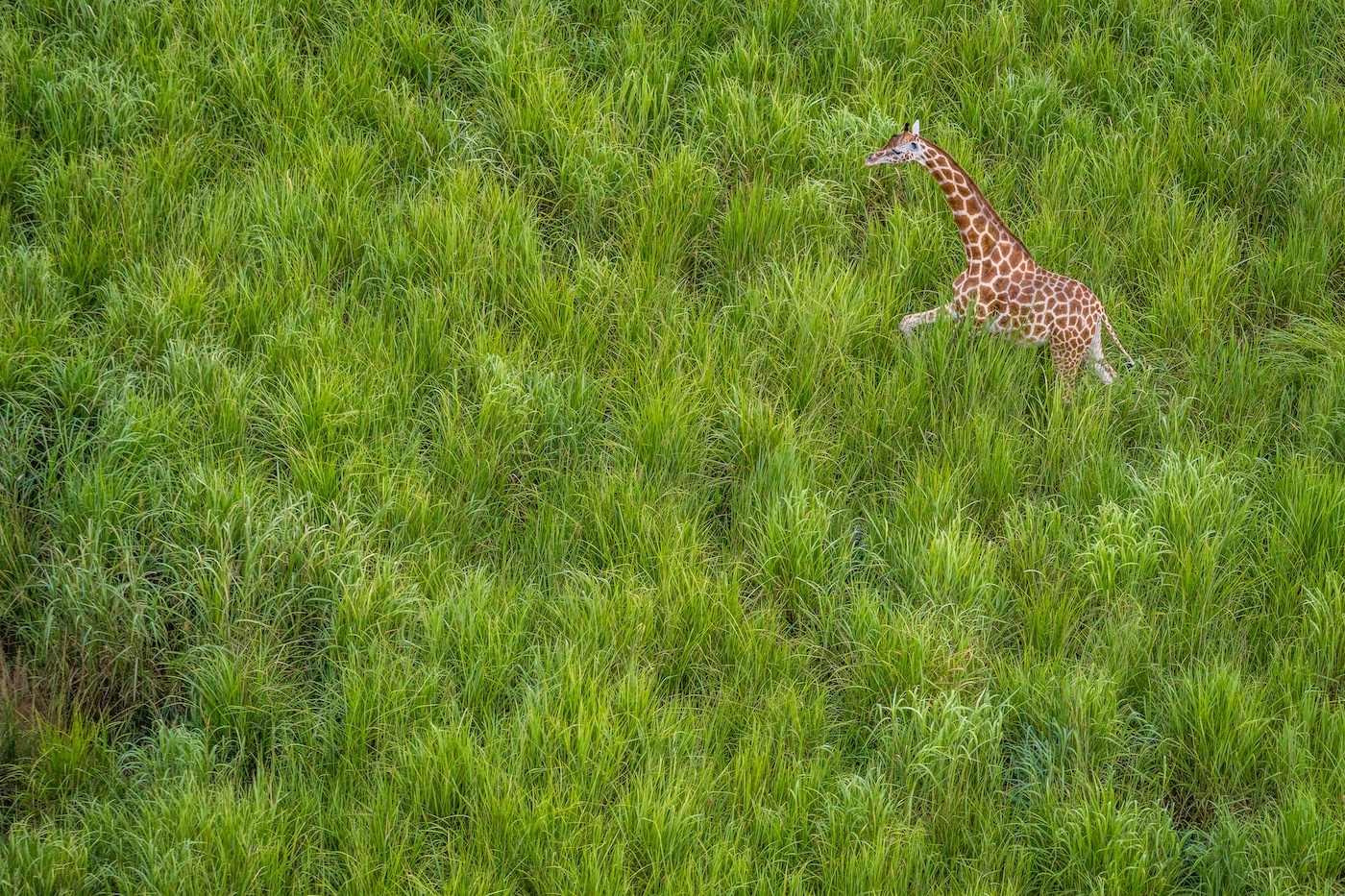
Marcus Westberg / Remembering Giraffes, Garamba National Park, Democratic Republic of the Congo Kordofan giraffe
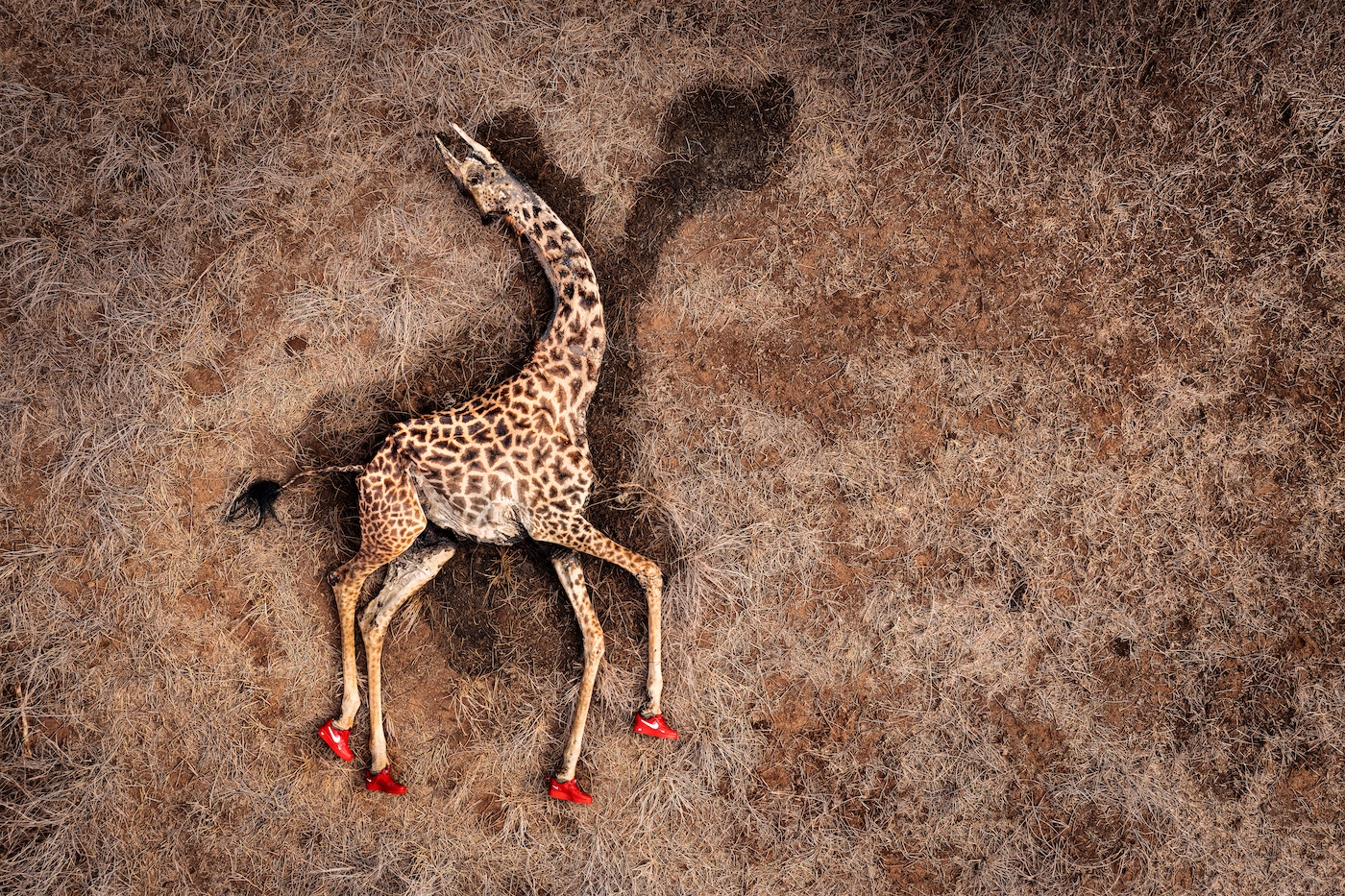
Charlie Hamilton James / Remembering Giraffes, Amboseli National Park, Kenya Masai giraffe
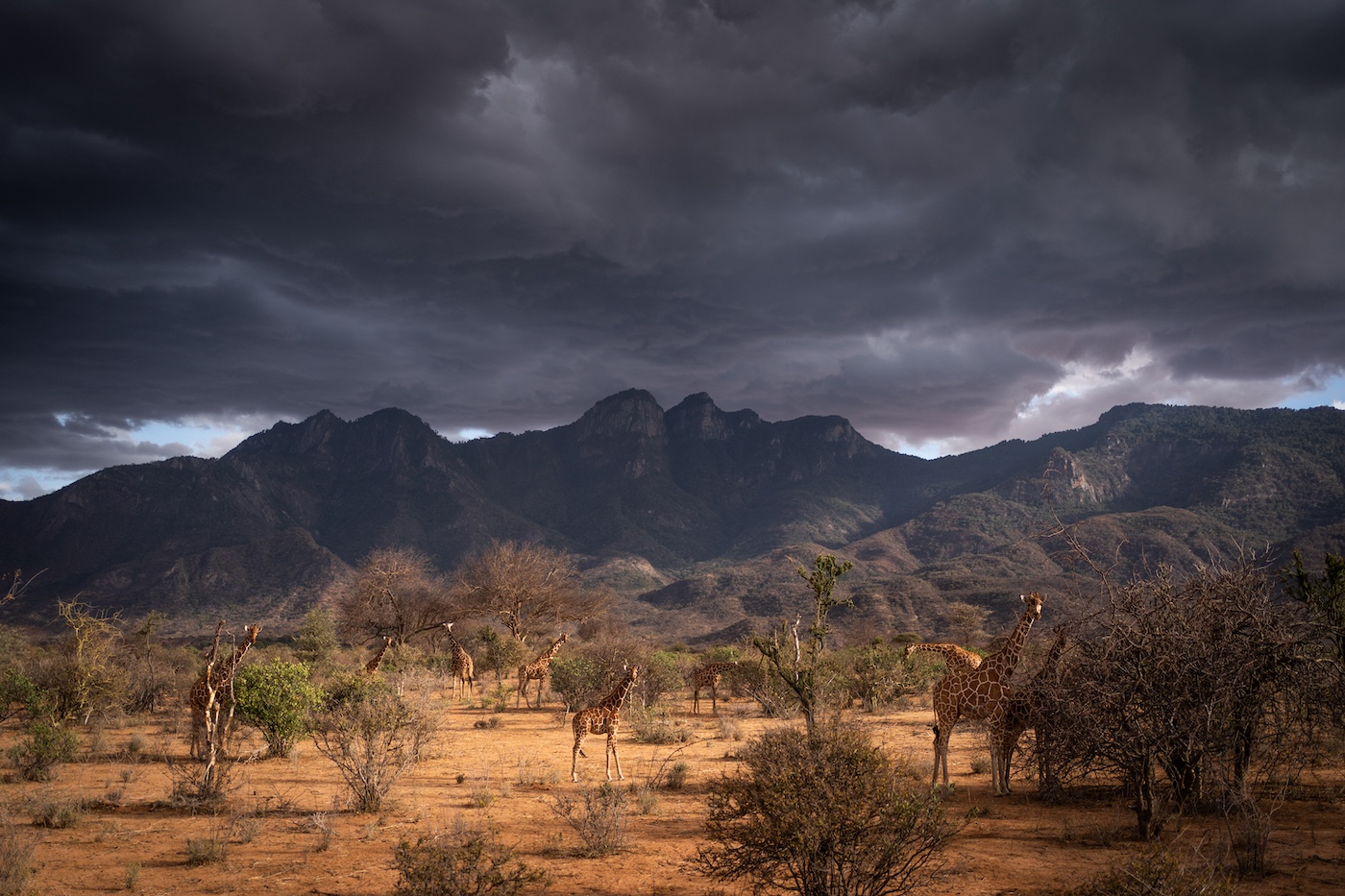
Will Burrard-Lucas / Remembering Giraffes, Namunyak Conservancy, Kenya Reticulated giraffe
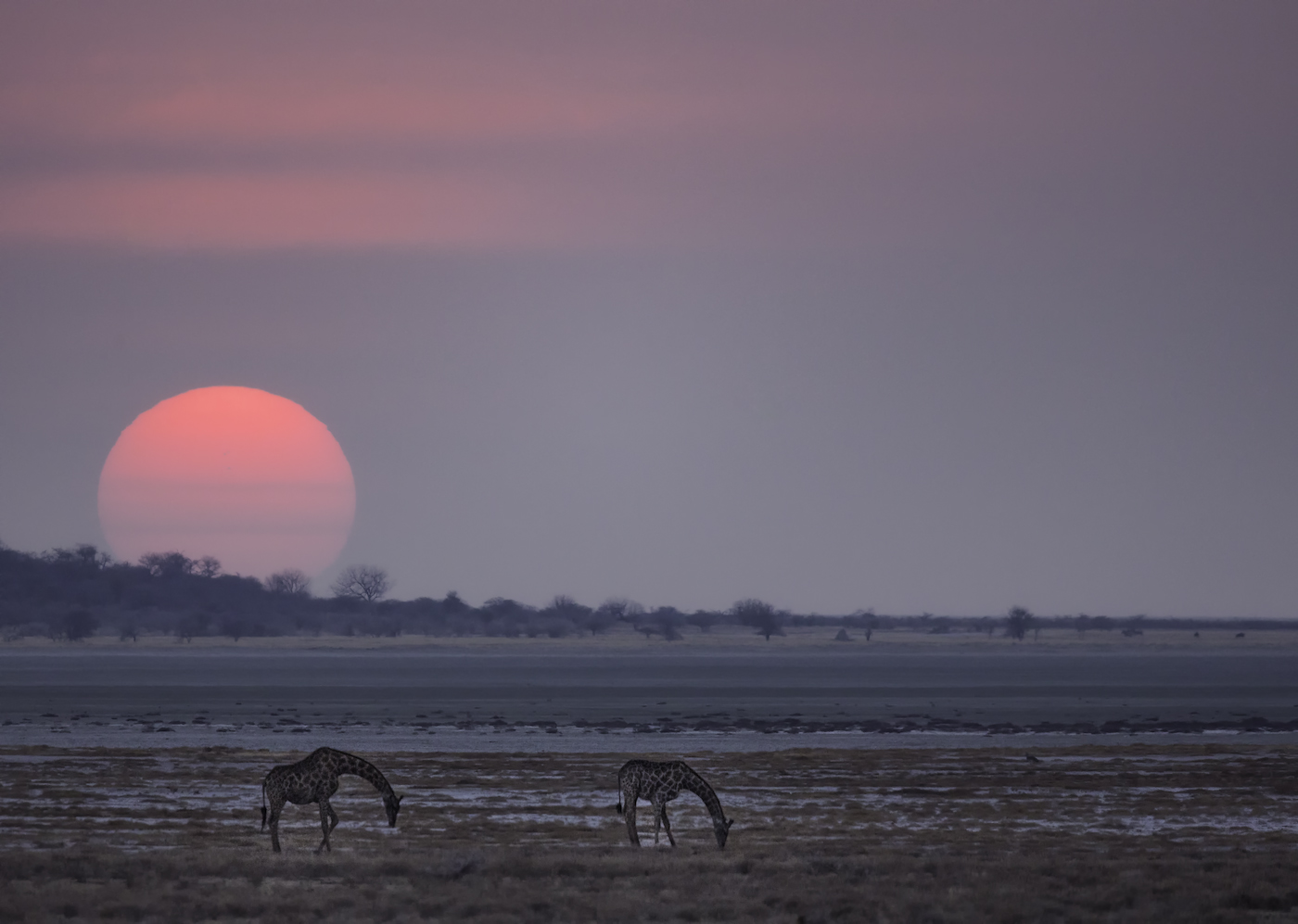
Keith Connelly / Remembering Giraffes, Etosha National Park, Namibia Angolan giraffe
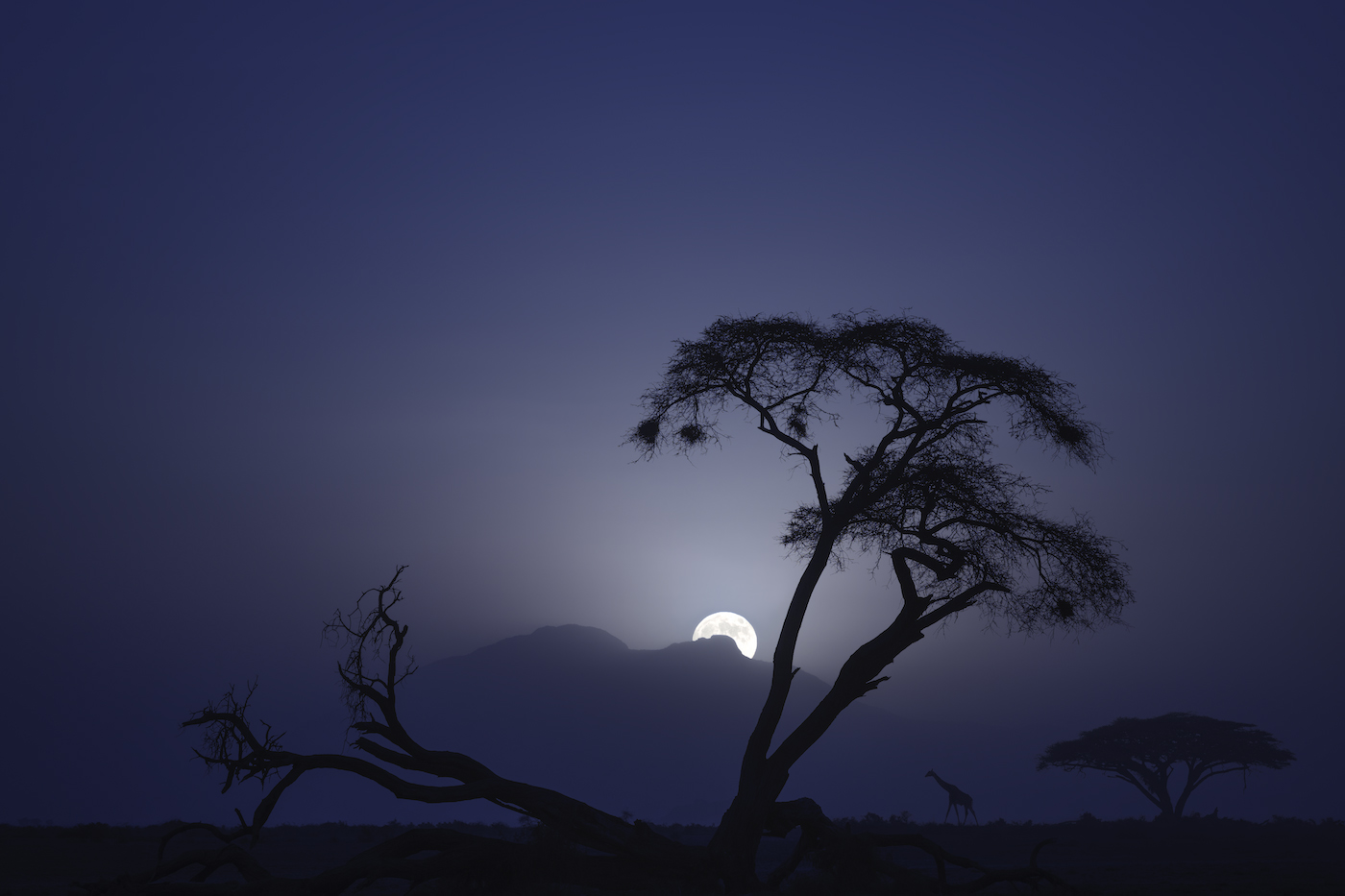
Marsel van Oosten/ / Remembering Giraffes, Amboseli National Park, Kenya Masai giraffe