“Hope.”
For Stanley Ejike Nwite, pencil isn’t simply an artistic medium or a means to an end. It also offers him a voice, one that he has been seeking since his childhood.
“I needed a way to say what words failed to convey,” Nwite tells My Modern Met. “Art chose me then, and the closest thing I could use to express myself was a pencil.”
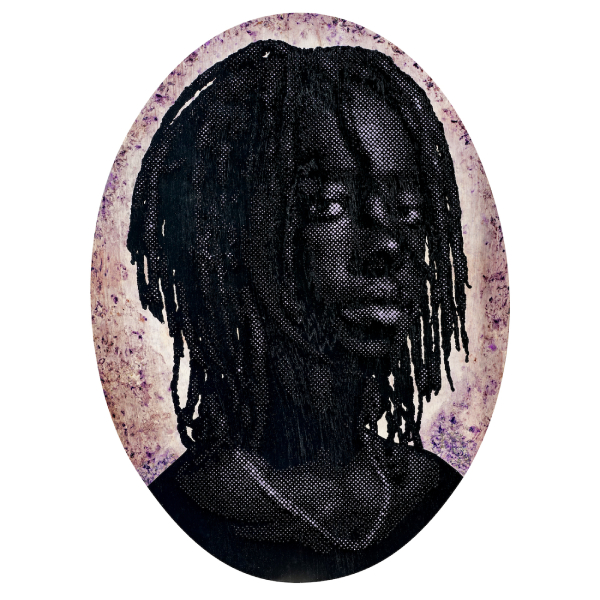
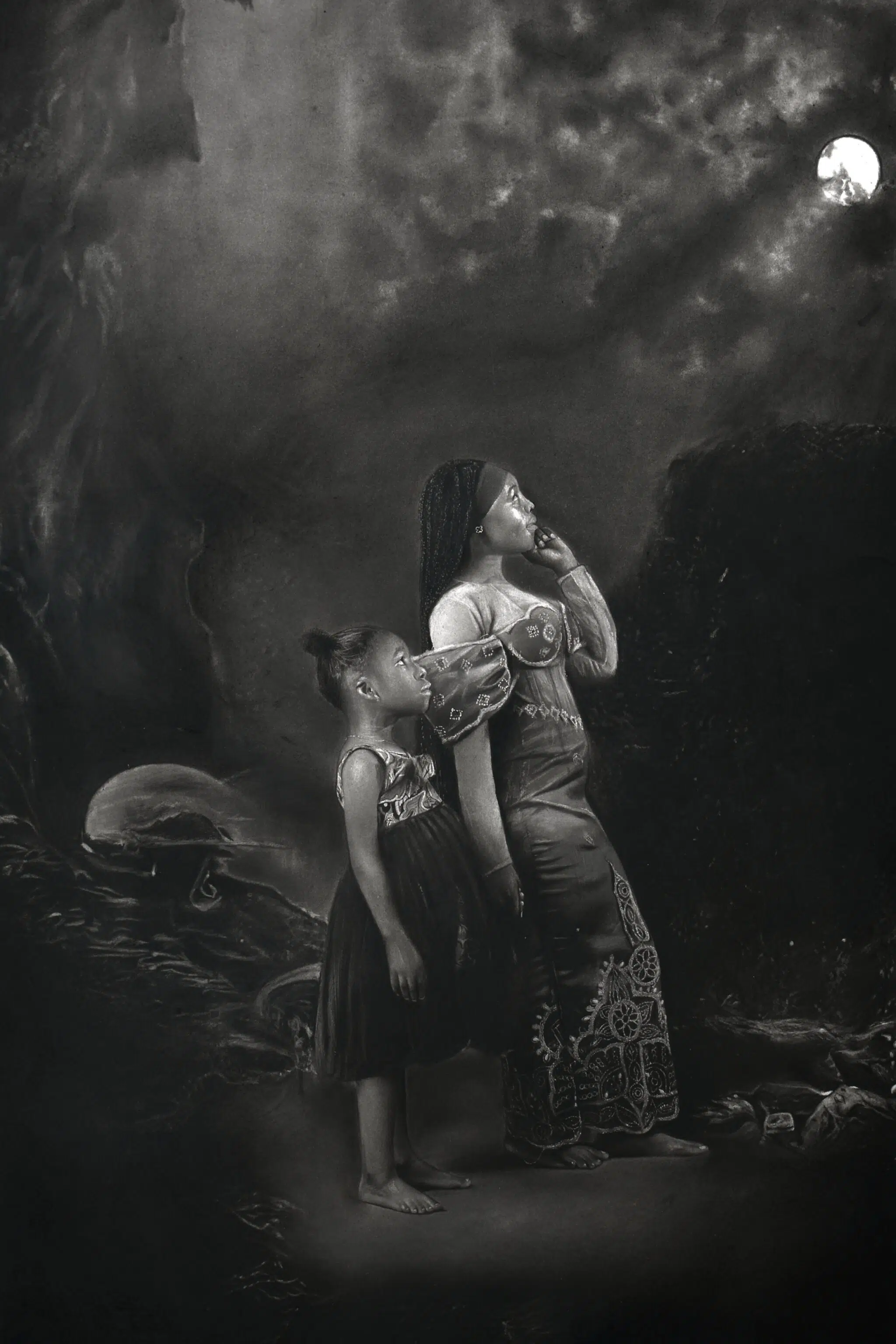
Ever since discovering pencil as a material, the Nigerian artist has been producing hyperrealistic portraits, each radiating with sumptuous details and dramatic lighting. This sense of dimensionality and realism is, perhaps unsurprisingly, achieved through Nwite’s black-and-white color palettes, which he blends and shapes to produce seamless surfaces and the gray tones that he prefers. Unlike black or white, Nwite explains, gray is far more subtle, existing as a “middle path” that allows more imperfection and nuance.
“Pencils capture tones of grey that I didn’t believe were possible,” Nwite says. “Depending on the pressure and application, the tones add tints of purple, brown, sepia, and more.”
Also central to Nwite’s practice is his African identity, which often emerges within his chosen themes. Many of his portraits depict Black men in states of transcendence or meditation, their skin typically stippled with streaks of water. Most of his muses and models are also of African descent, fostering a relationship between the artist and his various subjects that, in his words, “promotes African heritage, culture, and spirituality.”
“To globalize the most endearing local cultures and to make a statement of capability—this is why African art is bold, raw, and unabashedly confident!” Nwite adds.
My Modern Met had the chance to speak with Stanley Ejike Nwite about the origins of his creative practice, his love of pencil, and his thematic interests. Read on for our exclusive interview with the artist.
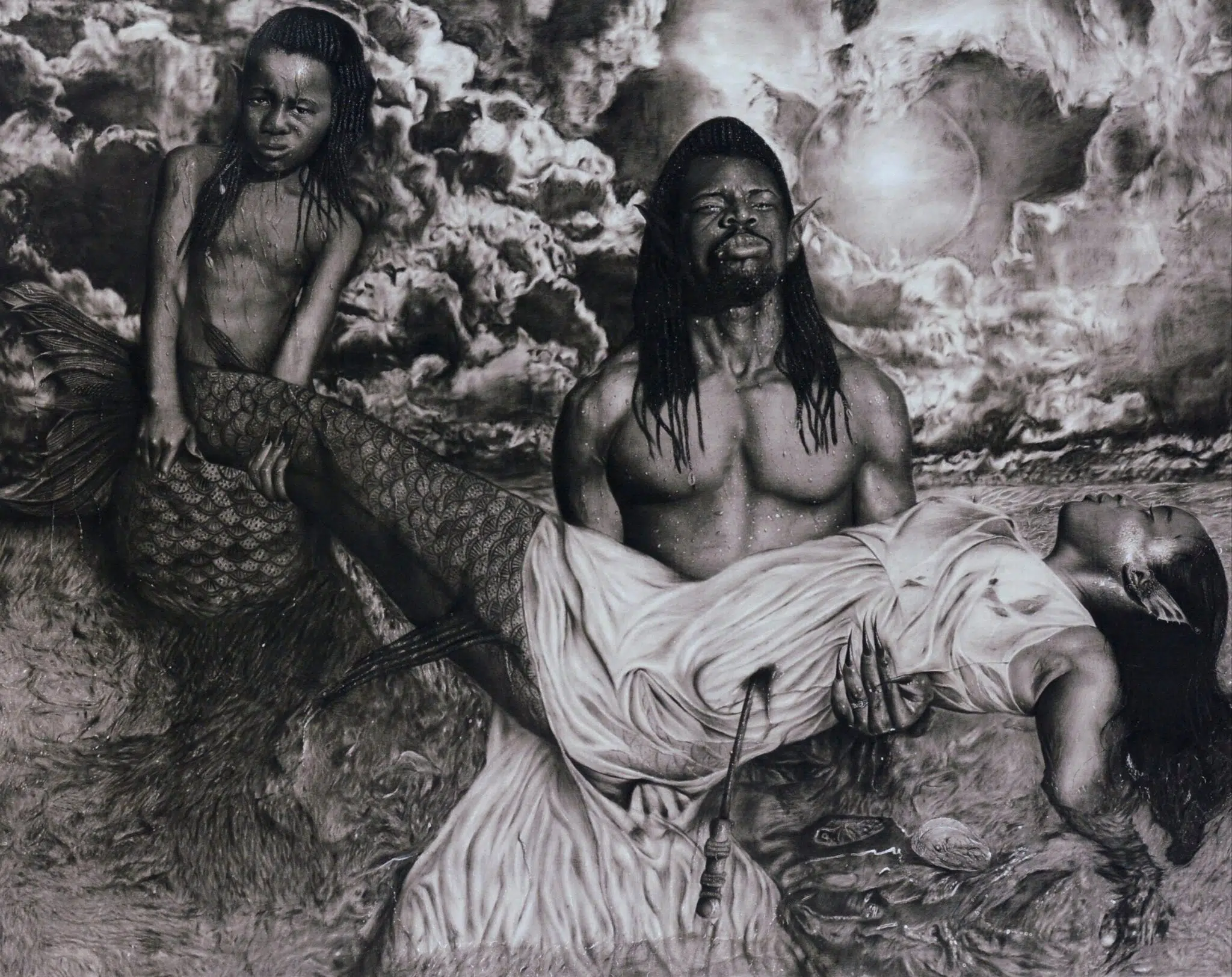
“Cry of a Merman.”
What originally drew you to pencil as your primary medium?
I wasn’t the brightest as a kid—letters or arithmetic made no sense, but I’ve always had the most bizarre story because of my background, and I needed a way to say what words failed to convey. Art chose me then, and the closest thing I could use to express myself was a pencil.
I started with my writing pen, but I gravitated toward pencils because they resonated with me more, since they can be easily erased, something new can be written, and the old can be adjusted, for instance. The medium reflected me in all my imperfections.
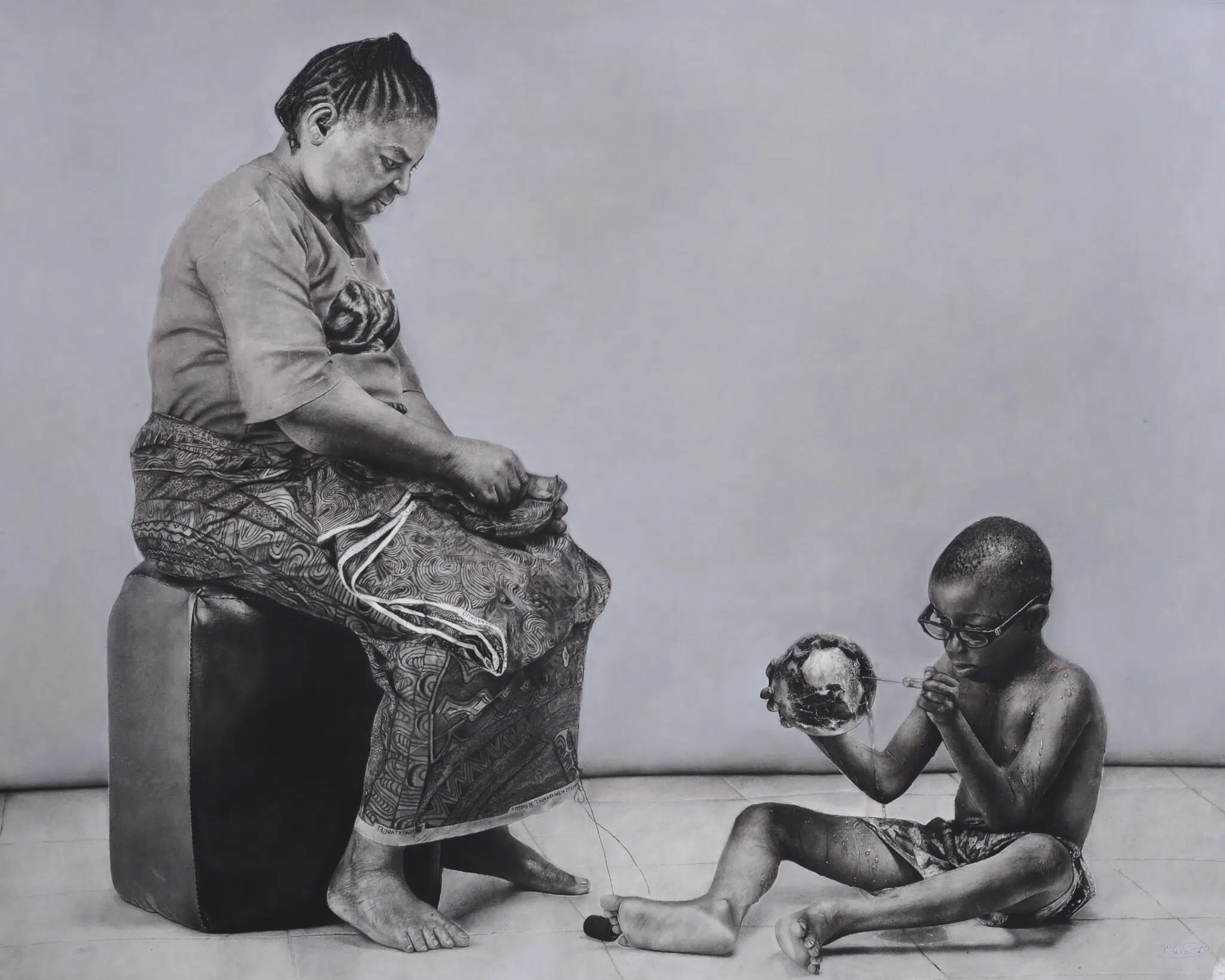
“Tranquility.”
Why do you gravitate toward hyperrealism, and how do you achieve such a granular level of detail within your work?
Having come from a background of discipline down to the most subtle things, I was taught to take nothing for granted and to always look beyond the surface, as mistakes often lead to harsh repercussions in life.
I grew and later realized that speech wasn’t my strength and people could easily misjudge me, because they couldn’t peer into the reality behind the learned facade. I learned to look deeper until it became second nature, and hyperrealism as a form of expression came naturally. I believe my craft is still evolving, but details and sublimity are always going to be a part of my expression.
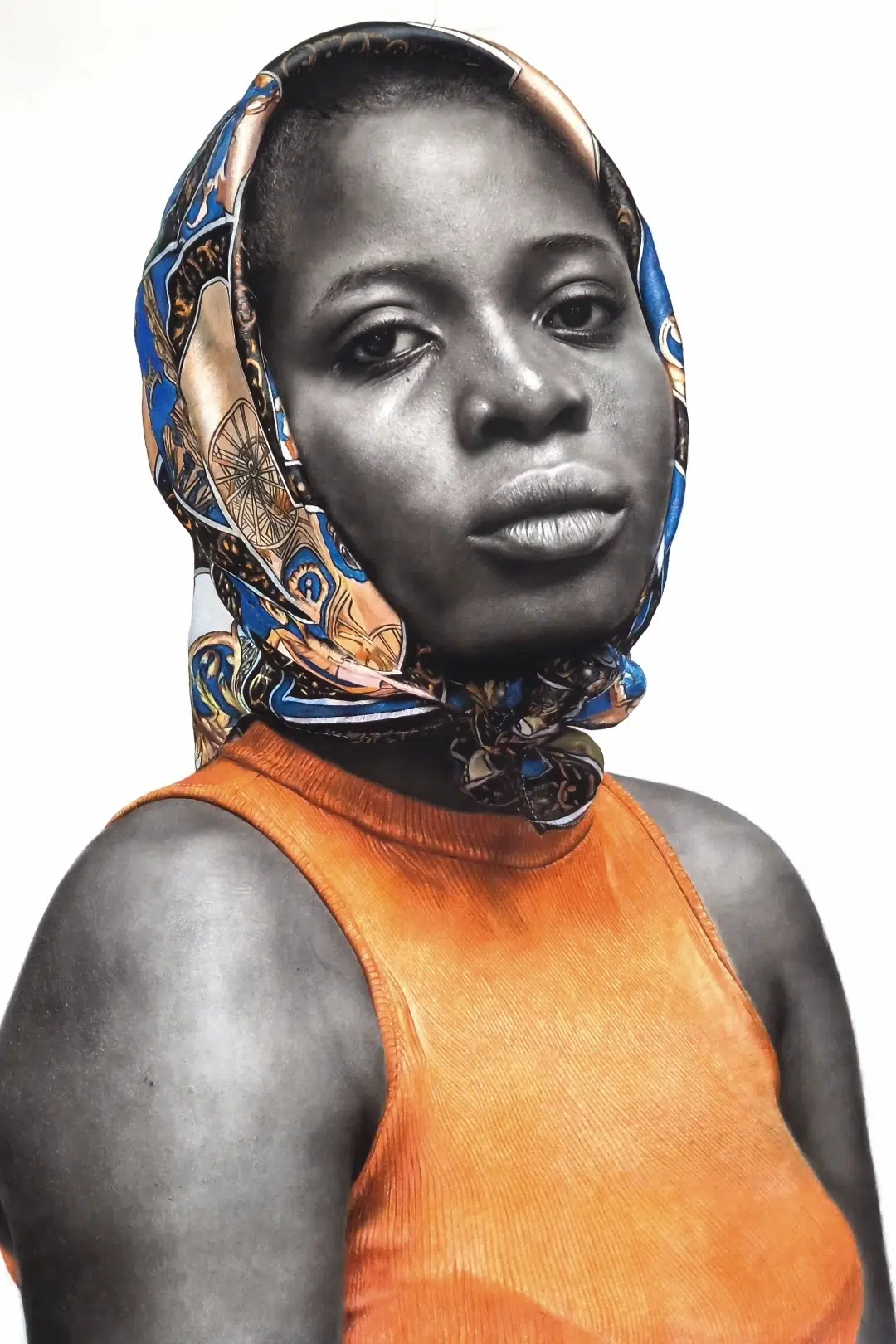
“Window of Resilience.”
What compels you about monotone compositions, and do you think pencil is uniquely capable of bringing out black-and-white tones in comparison to other media?
I’ve always taken the middle path in life because I know of no certainties, so that made me choose a medium that is grey, neither white nor black. I chose pencils because they captured tones of grey that I didn’t believe were possible. Depending on the pressure and application, the tones add tints of purple, brown, sepia, and more.
I’m still exploring them, though, and am open to exploring other media, but these have been an addictive thrill.
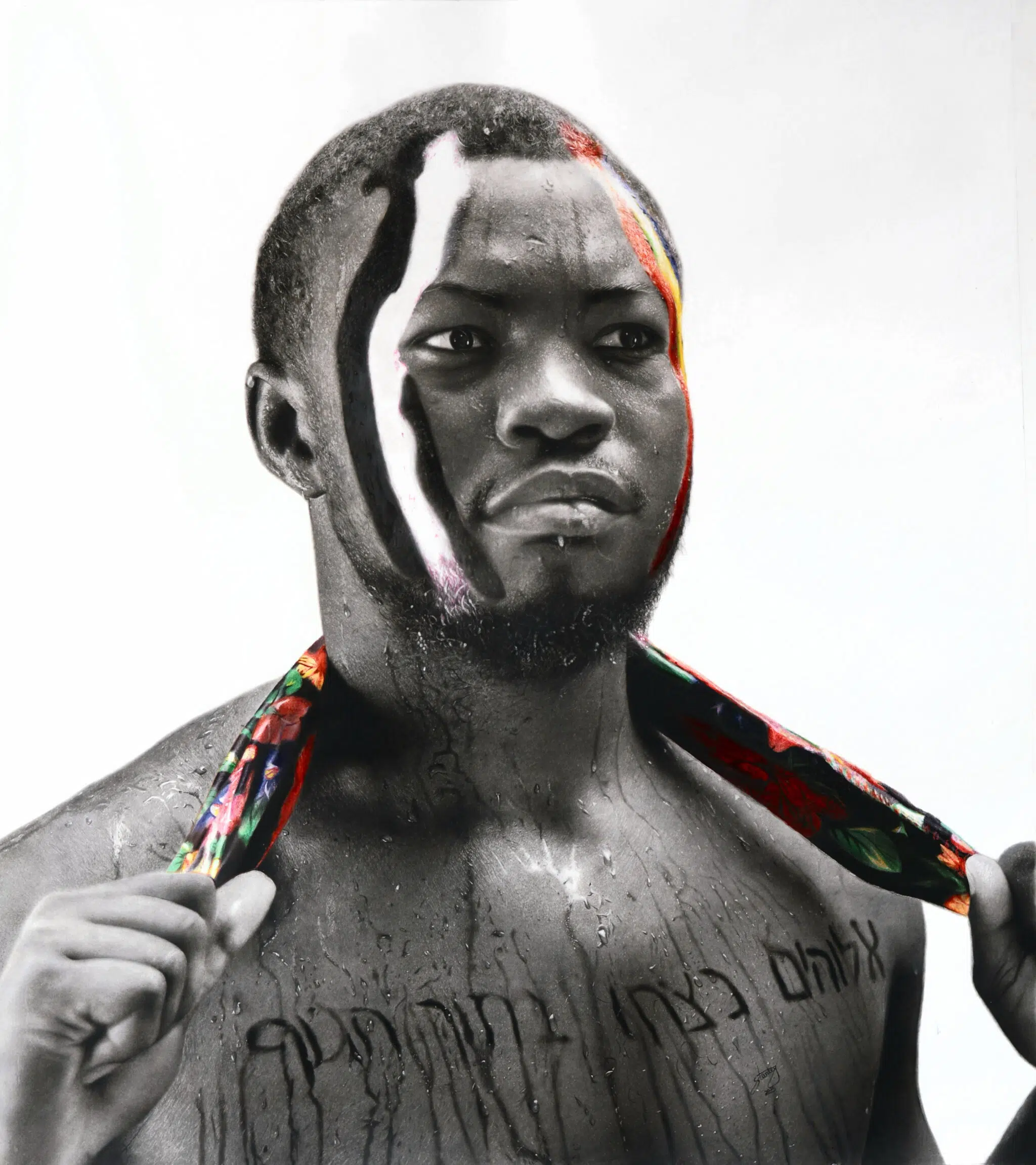
“Aurora.”
What is the relationship between you and the subjects you draw?
Sometimes my subjects come from my immediate family and friend group, and sometimes it’s a random stranger. I want to create the perfect embodiment of the concept I have in my mind. I see a person and the rest just happens.
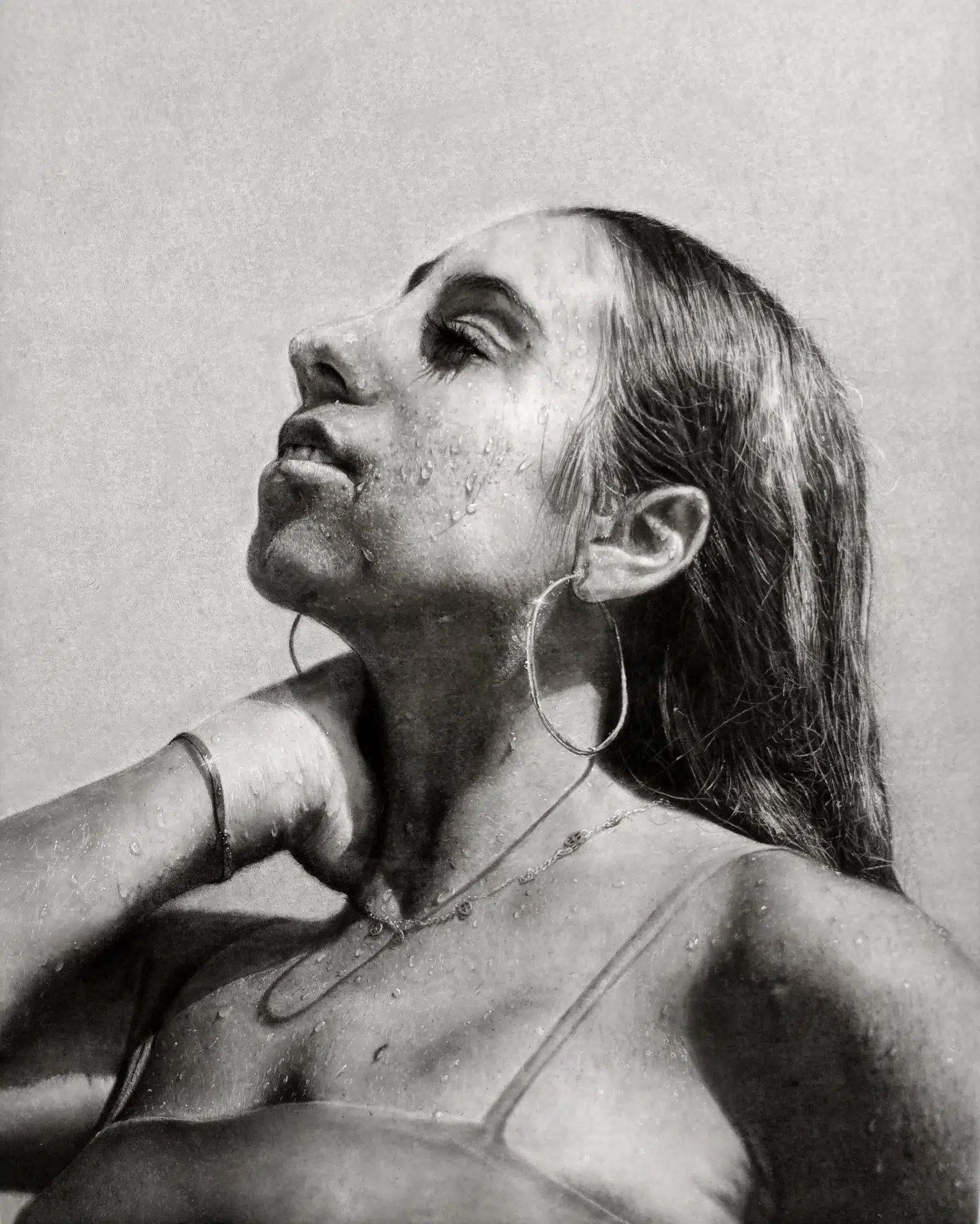
“Black is Fly.”
What does it mean to be a contemporary African artist, and how does your work relate to the broader African art scene and culture?
To me, contemporary African art is about heritage, conservation, and liberation from failed norms as a continent, as well as collective learning and unlearning so we can be better for ourselves and the world while building the best now and shaping a dream future.
This is what African art and artists pursue. To globalize the most endearing local cultures and to make a statement of capability—this is why African art is bold, raw, and unabashedly confident!
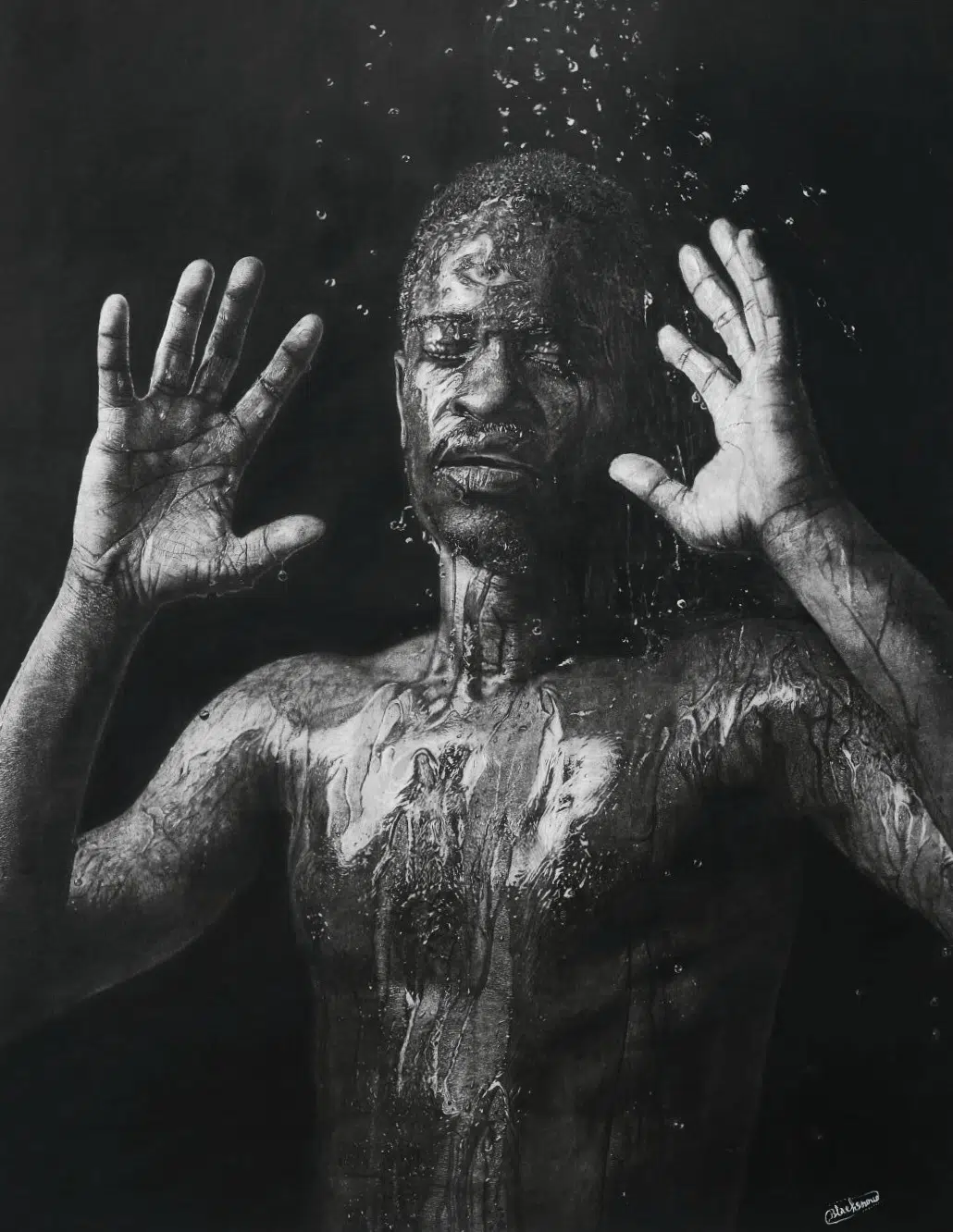
“Transcendence.”
How do you engage with Black and African identity throughout your practice, and why does that feel significant to you as an artist?
Most of my muses and models are of African descent because that’s all I’ve known. My knowledge and existence don’t extend far beyond the reef. That’s why my art seeks, confronts, and leaves a question for the viewer. Being of African descent taught me love and community, and that bred a universal mental identity. It also taught me the fundamentals of what I am, and this gratitude I express by the promotion of African heritage, culture, and spirituality.
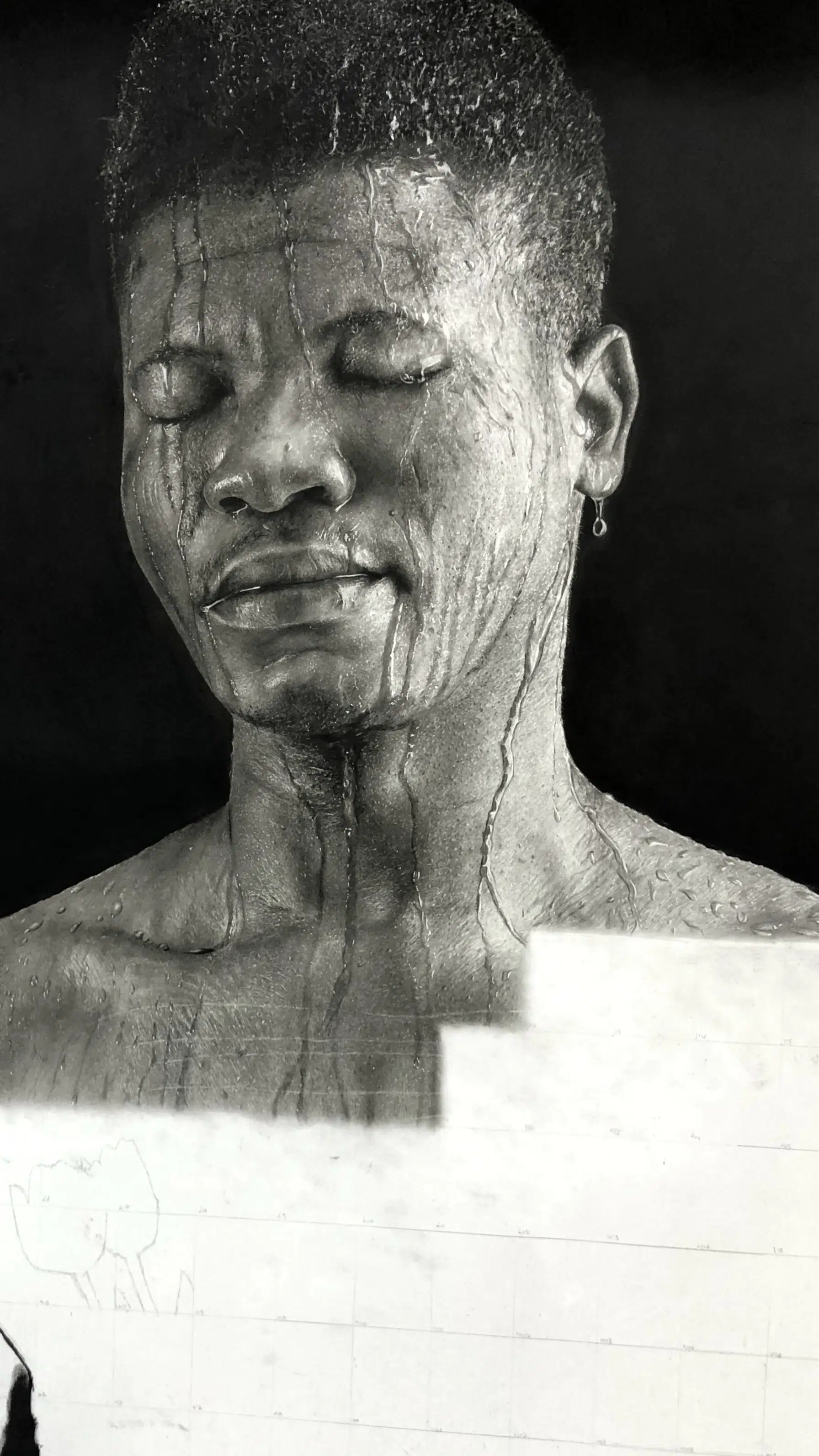
“Reformation.”
What are some of your favorite drawings from recent years?
All my pieces are made with love, but I’d probably choose Cry of a Merman, Introspection, Reformation, and Window of Resilience.
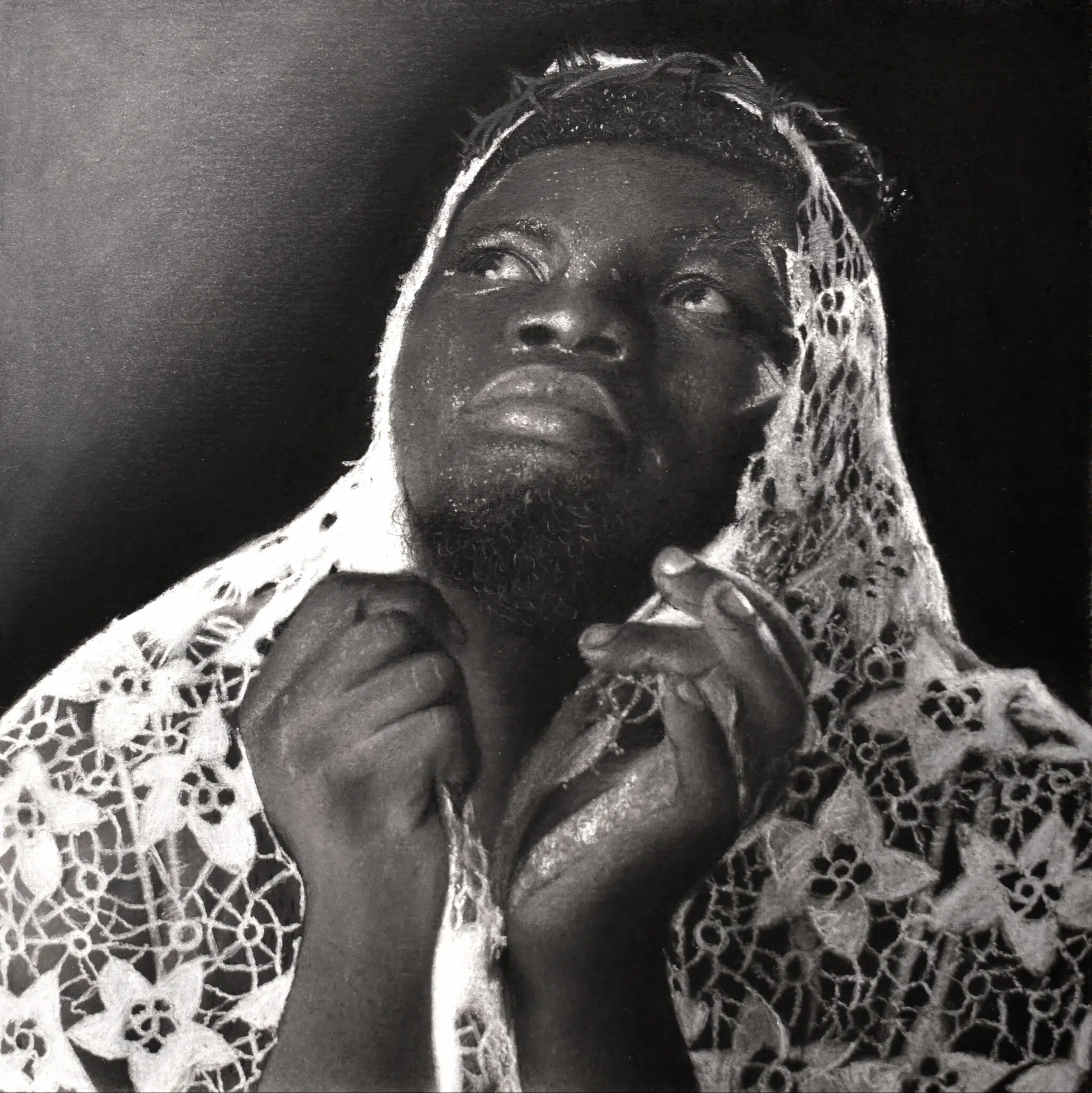
“Edge of an Orb.”
What do you hope people will take away from your work?
I only hope that a person looks at my work and sees my love and curiosity—it’s that which I believe is universal. My art seeks the known, the unknown, and the ever-elusive, and as I document through time, I ask these questions within my pieces. I hope a viewer pauses, looks beyond the surface, and ponders.
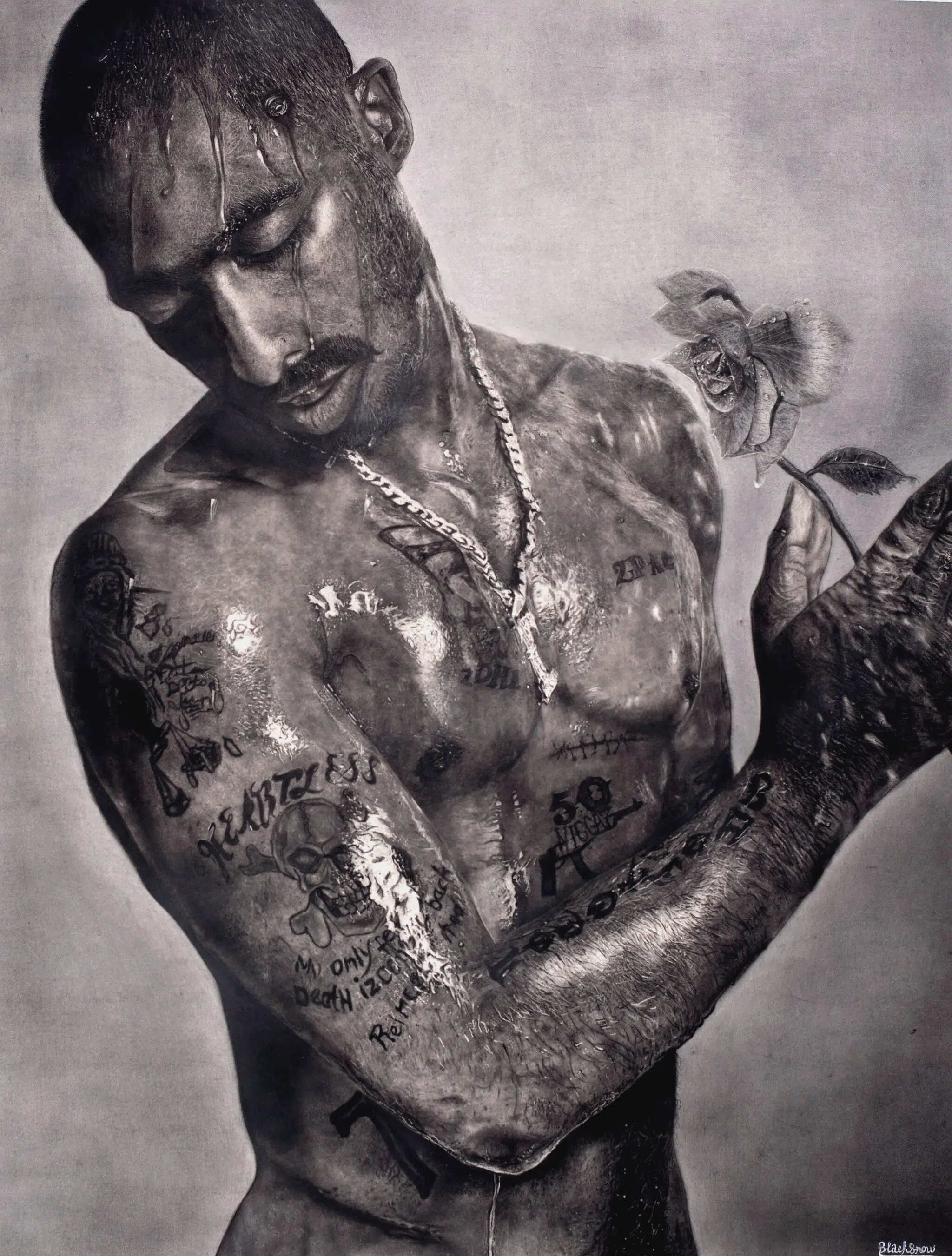
“Awakening of the Psyche.”
Stanley Ejike Nwite: Instagram
Interview has been edited for length and clarity. My Modern Met granted permission to feature photos by Stanley Ejike Nwite.
Related Articles:
Renowned South African Artist Explores Her Ndebele Heritage Through Harmonious Geometrical Paintings
Artist Combines Floral Patterns and Portraiture to Explore Pan-African Identity