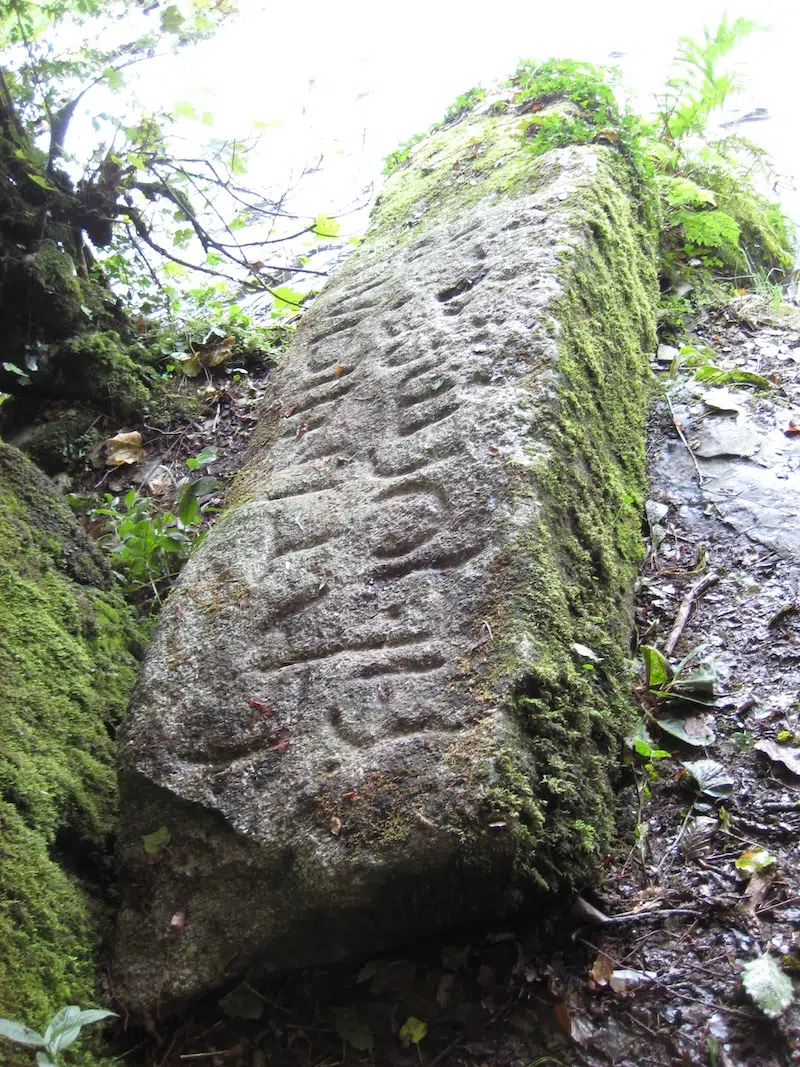
Close-up view of the Worthyvale Ogham stone in Cornwall, England, showing linear notches used to record ancient Celtic language. (Photo: Wikimedia Commons, CC BY-SA 3.0)
In an age when technology is used to resurrect forgotten worlds from fragments of data, a team of linguists is turning the clock back nearly 2,500 years to do something equally ambitious: piece together the scattered remains of ancient Celtic speech into the first comprehensive dictionary of the Celtic languages spoken in Britain and Ireland.
Led by Dr. Simon Rodway at Aberystwyth University, the project brings together linguists, historians, and classicists with a shared ambition to recover languages that have largely vanished from the written record. Supported by a multi-year research grant, the team is gathering every surviving trace of ancient Celtic vocabulary into a single scholarly reference.
Unlike well-documented classical languages, like Latin or Greek, ancient Celtic languages left few written traces. What remains is a mosaic of evidence. Place names and personal names appear embedded in Roman and Greek text. Stone inscriptions carved in the Ogham script offer brief glimpses of language in use. Even curse tablets, thin sheets of lead inscribed with pleas for supernatural justice, preserve raw and intimate examples of everyday speech.
Roman bureaucratic documents, such as letters, administrative records, even military correspondence, also hold tantalizing glimpses of Celtic vocabulary. Together, these traces allow linguists to reconstruct patterns of meaning, sound, and usage from languages long thought irretrievably lost.
Because so few of the original Celtic texts survived, the team anticipates their finished dictionary will contain just around 1,000 words. While modest in size, each entry carries substantial weight. Each entry, carefully sourced and contextualized, promises new insight into the languages that gave rise to modern Welsh, Irish, Scottish Gaelic, Cornish, Manx, and Breton.
By comparing ancient words across regions and sources, researchers hope to clarify how many distinct Celtic languages once existed and how they interacted with other tongues spoken in prehistoric Britain and Ireland. The findings may reshape long standing theories about migration, cultural exchange, and linguistic diversity in early Europe.
The dictionary will also tackle longstanding questions about linguistic diversity in prehistoric Britain and Ireland. By bringing together data from disparate sources, researchers hope to evaluate theories about languages that predated or coexisted with early Celtic forms, which is a critical step toward understanding how ancient linguistic landscapes shaped evolution of speech in these islands.
In bringing together these centuries-old inscriptions, classic texts, and obscure lexical traces, Rodway and his team are doing more than preserving words. Each reconstructed word restores a fragment of human experience, from belief and conflict to daily life and identity. In giving structure and meaning to these remnants, the project allows ancient Celtic voices to be heard again, not as echoes or footnotes, but as a language system once fully alive
For centuries, ancient Celtic languages survived only in fragments. Now, researchers are carefully gathering those pieces into a single, long overdue record.
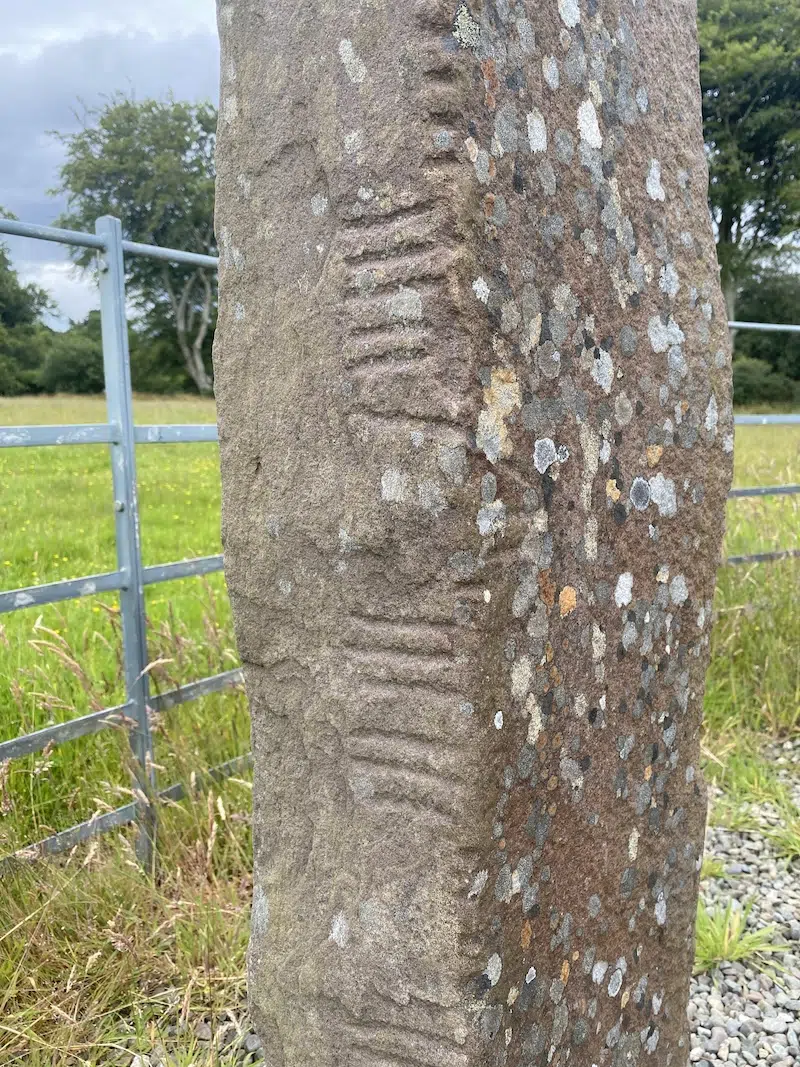
Detail of an Ogham inscription carved into stone at the Dunloe Ogham site, County Kerry, Ireland. (Photo: Wikimedia Commons, CC0 1.0)
Stone inscriptions offer a rare window into how Celtic languages once sounded. The finished dictionary may be small in size, but each entry restores meaning to a culture that has long gone unheard.
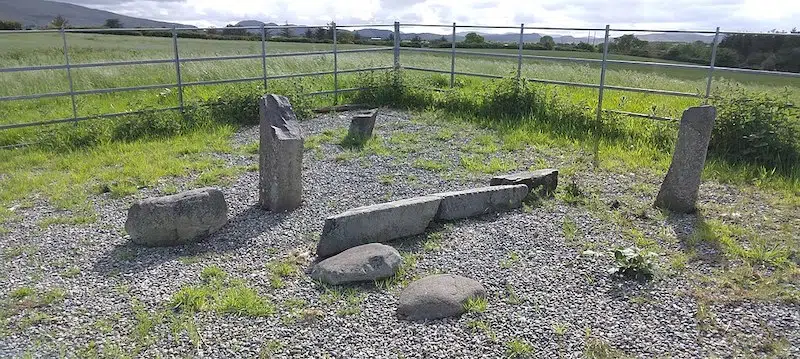
Ogham stones at Kilcoolaght East, County Kerry, Ireland, bearing early Celtic inscriptions carved along the stone’s edge. (Photo: Wikimedia Commons, CC BY-SA 4.0)
Source: First ancient Celtic languages dictionary of Britain and Ireland underway
Related Articles:
Māori Language Embraces Neurodiversity With a Beautiful Word for Autism
Chilling Video Brings the Sounds of the Centuries-Old Celtic Carnyx Back to Life
Celtic Knots: Discover the Meaning Behind These Intricate Designs