Archeology

July 18, 2023

99-Million-Year-Old Baby Bird Feathers Study Sheds Light on Dinosaur Extinction

Birds may not seem like fascinating windows into the past, but for paleontologists our feathery friends are living relics. Birds have a direct line of continuity back to the age of the dinosaurs. Many varieties survived while the likes of the T-Rex went extinct through catastrophic events. But why the birds were able to survive is still a question for study.

Read Article


July 8, 2023

2,700-Year-Old Petroglyphs Are Discovered Under Moss in Sweden

Cave art records the adventures of early humans—whether it be hunting beasts, building boats, or making handprints on the walls. It can also tell archeologists a lot about the economies and beliefs of Bronze Age communities. While this art form mainly died out after the invention of writing, a late example from 2,700 years ago has just been discovered on a farm in Sweden.



Read Article


June 30, 2023

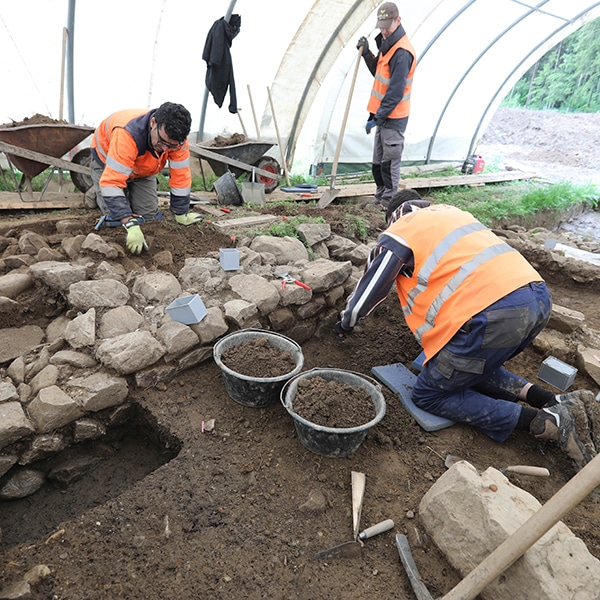
Archeologists Excavate 4,000-Year-Old “Dutch Stonehenge” in the Netherlands

Recently, thousands of people gathered at Stonehenge in England to celebrate the summer solstice, a day when the sun shines perfectly through the ancient stones by design. The ancient monument has long been a source of fascination, but it is not unique in its mystery. Archeologists have uncovered a similar sanctuary in the Netherlands which served as both burial ground and calendar. The ancient site is a fascinating example of Bronze Age culture.

Read Article


June 15, 2023

Giant New Nazca Lines Are Discovered in Peru Through Use of AI

Geoglyphs—drawings etched into a landscape by either piling materials like stones or removing dirt to expose stones—are fascinating, often mysterious messages left behind by ancient cultures. A famous example is the Nazca Lines in Peru. These etchings of animals, humans, and abstract pictures date back to between 500 BCE and 500 CE.

Read Article