Art History

May 24, 2019

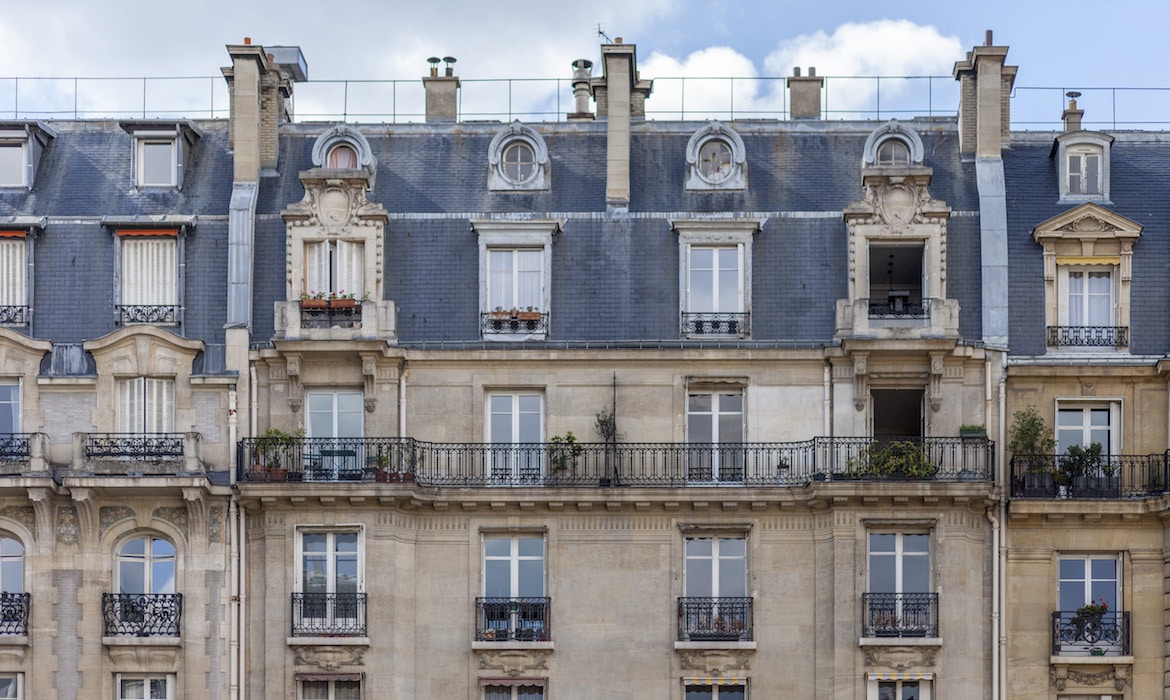
How Haussmann Architecture Transformed All of Paris With Modern Buildings

As one of the world's most walkable cities, Paris makes wandering around an ideal way to experience life in the French capital. As you stroll along its streets, you'll encounter all kinds of eye-catching sites, like its world-famous metro entrances, one-of-a-kind storefronts, and, towering above the rest, its historic Haussmann apartment buildings. Designed by Baron Georges Eugène Haussmann as a means to modernize 19th-century Paris, these buildings have since become a symbol of the city's traditional charm.

Read Article


May 19, 2019

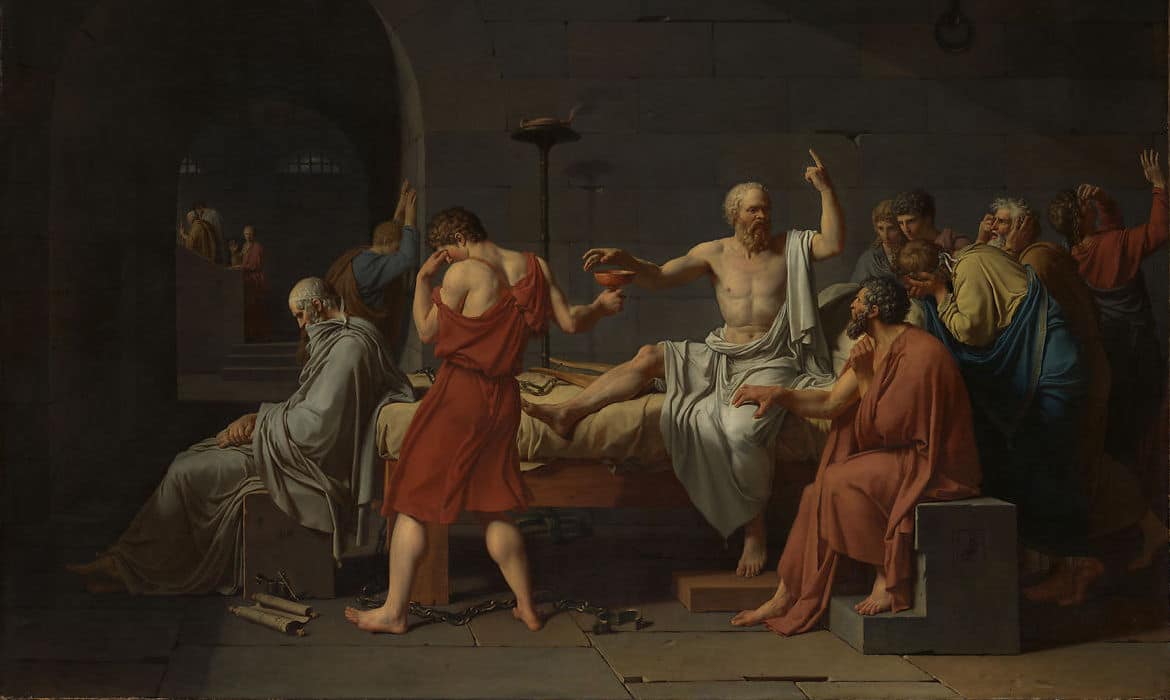
How David’s ‘Death of Socrates’ Perfectly Captures the Spirit of Neoclassical Painting

In the middle of the 18th century, several styles dominated Europe's artistic tastes. In France, the frivolous Rococo genre was taking shape, and Baroque art was well-established across the continent. While both of these popular periods can be characterized by an interest in extravagance, not all 18th-century art shared this sentiment. In fact, Neoclassical artists like Jacques-Louis David had the opposite approach to painting, as typified by his subdued masterpiece, The Death of Socrates.

Read Article


May 1, 2019

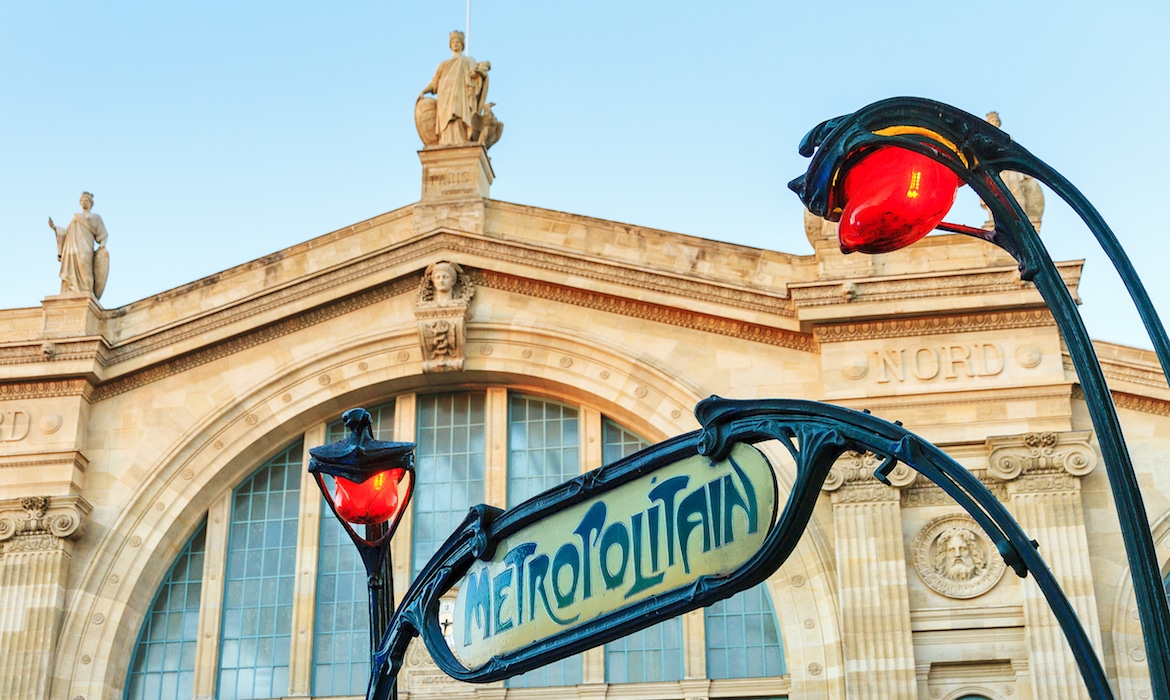
The Story Behind Paris’ Iconic Art Nouveau Metro Entrances

Paris has no shortage of awe-inspiring architecture. With show-stealing sites like the Eiffel Tower and the Louvre Museum, the “City of Light” is famous for its larger-than-life landmarks. In addition to towering tourist destinations, however, Paris also showcases its architectural prowess on a much smaller scale, as demonstrated by its distinctive collection of Art Nouveau metro entrances.

Read Article


April 21, 2019

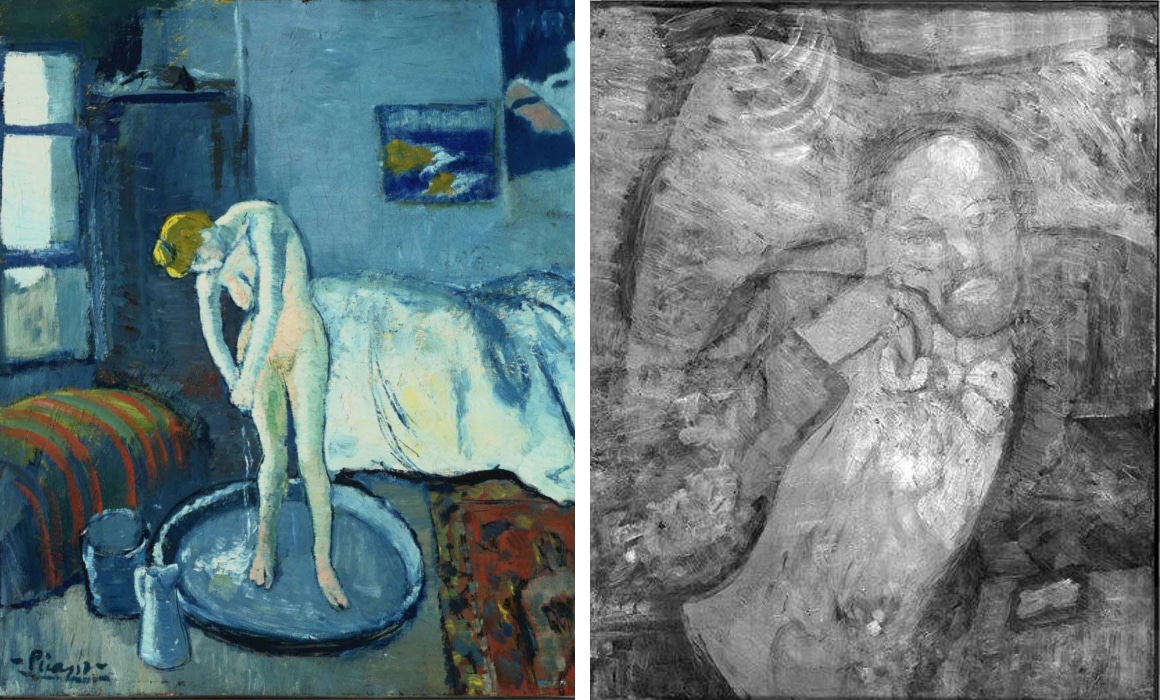
Modern Technology Reveals a Hidden Painting Underneath Picasso’s ‘The Blue Room’

Modernist master Pablo Picasso once observed that “there is only one way to look at things until someone shows us how to look at them with different eyes.” Though likely referencing the ability of avant-garde art movements to shift perspectives, this profound statement can also apply to other aspects of Picasso's practice—even when those “different eyes” require X-ray vision.

Read Article