Nature

March 10, 2023

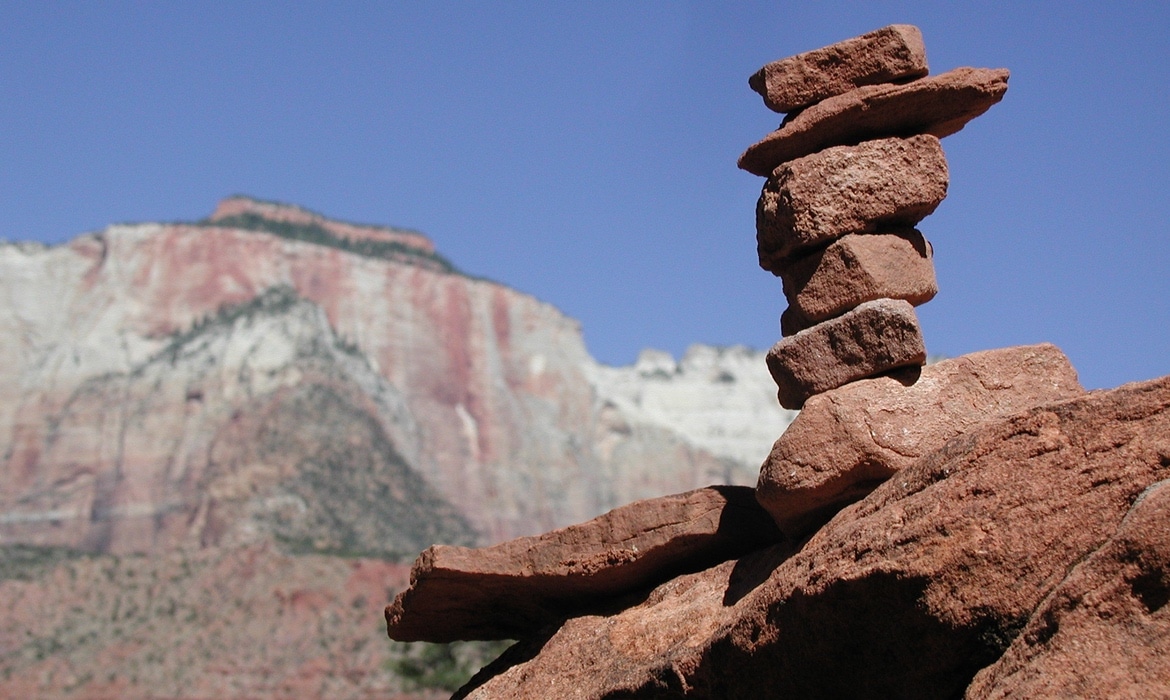
Learn About the Importance of Cairns (And Why You Shouldn’t Make Your Own)

If you've ever been on a hiking trail and seen a manmade stack of rocks, then you've encountered a cairn. Since prehistoric times, humans have stacked rocks as waymarkers or memorials. Scotland, in particular, is rife with cairns and, in fact, the word comes from the Gaelic word càrn meaning “heap of stones.” In more modern times, cairns have been used to mark trails and mountains, help give directions, and even provide wind shelters.

Read Article


February 7, 2023

Rare Rainbow Clouds Appear in Iceland Thanks To Freezing Temperatures

Professionally, Jónína Guðrún Óskarsdóttir works as the head nurse at a small healthcare center. In her spare time, she loves to photograph and share her surroundings. Luckily for us, since she lives on the eastern coast of Iceland, her surroundings are incredible. As you might imagine, she has plenty of opportunities to photograph the aurora borealis.


Read Article


January 18, 2023

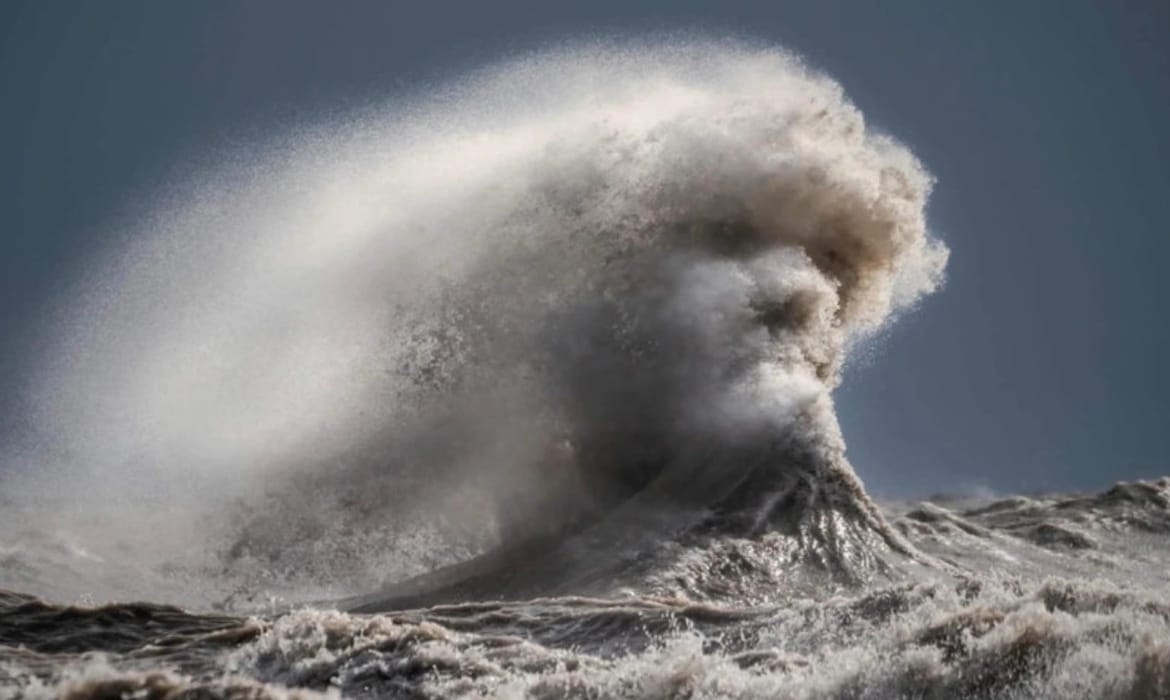
Photographer Takes Incredible Image of a Crashing Wave That Looks Like a Human Face

Photographer Cody Evans enjoys capturing all types of imagery. His Instagram is filled with photos of birds, motocross, and stormy landscapes. One particularly stormy day in Ontario brought Evans to Lake Erie. While there, he took an estimated 10,000 photos of the crashing waves. Once home, he viewed the images on his computer and that's when one stood apart from the rest. There it was, clear as could be—a face in the waves.

Read Article


September 20, 2022

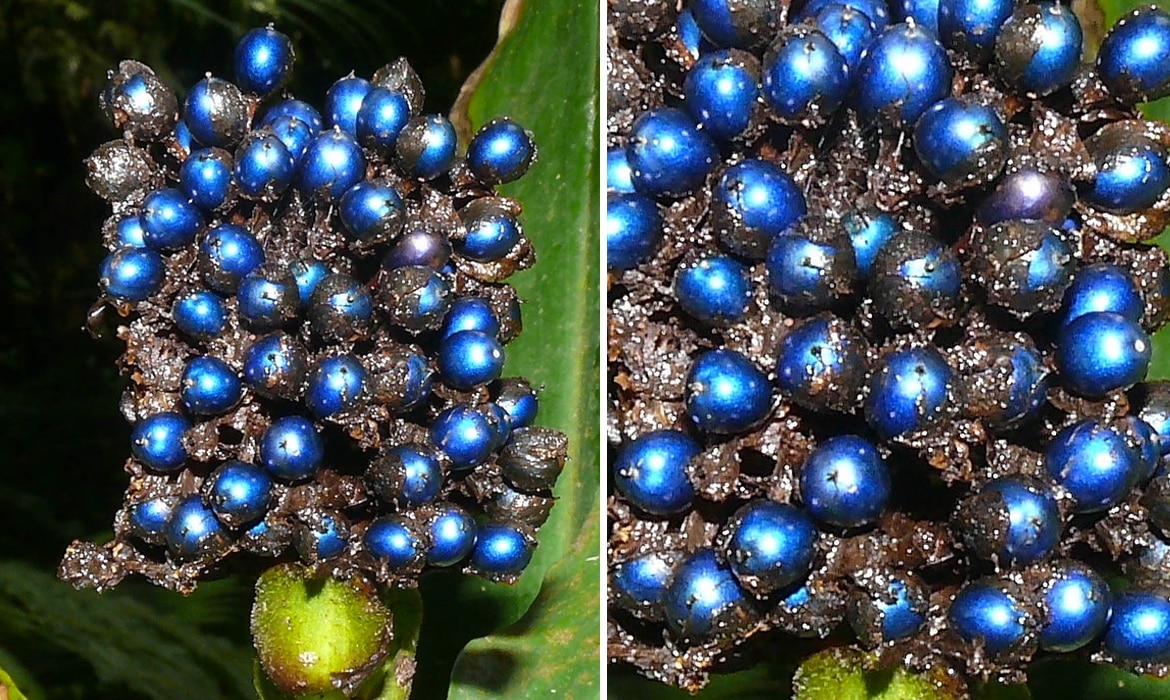
This African Plant Is the Brightest Object in the World

With shiny, iridescent berries that look like little Christmas ornaments, Pollia condensata takes home the title of the brightest living matter in the world. Also known as the marble berry, this fascinating perennial plant grows in the forests of Central Africa. Growing up to 3 feet tall, the plant sprouts clusters of up to 40 electric blue berries. While iridescence isn't uncommon in the animal world—thinking of butterfly wings or a beetle shell—it's extremely rare for plants.

Read Article