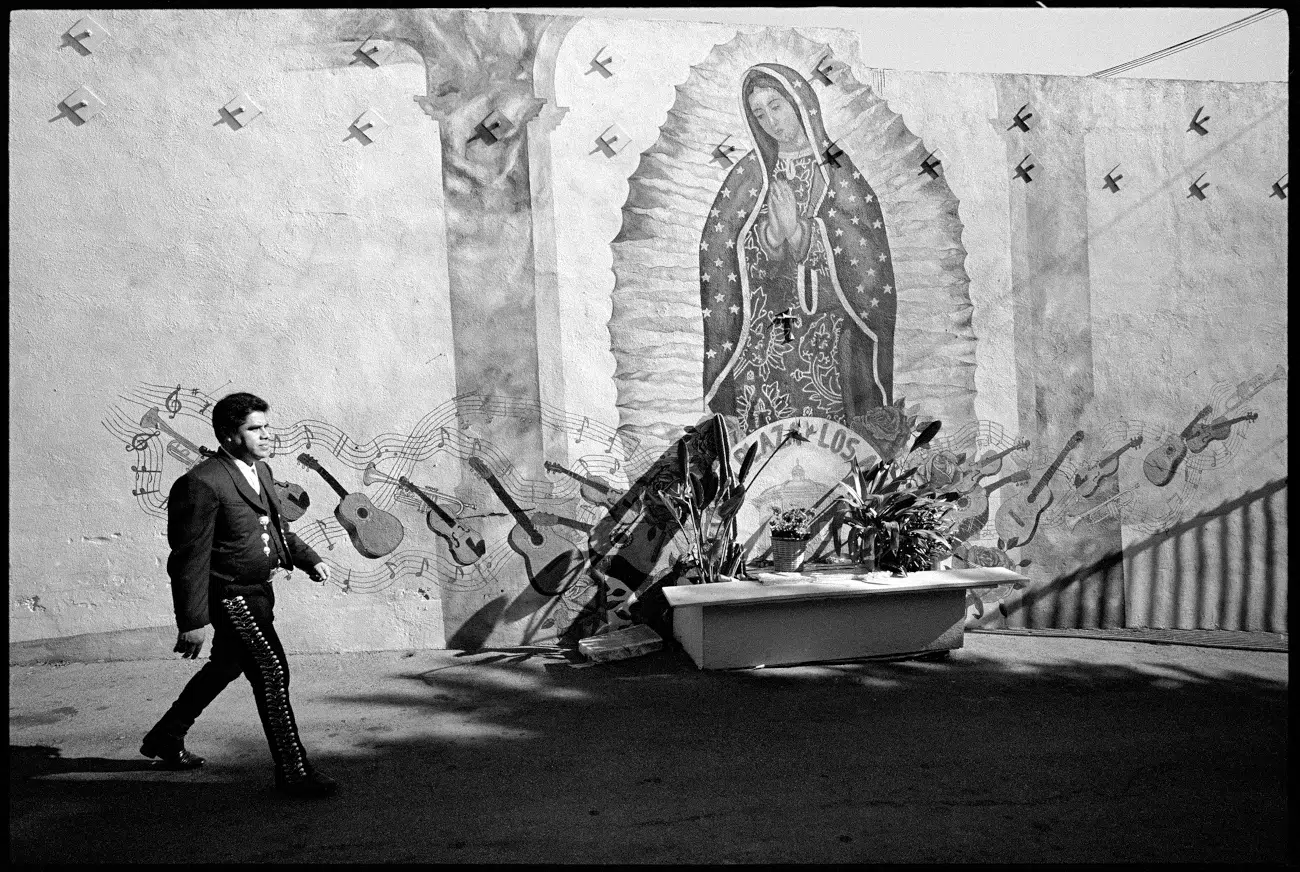
Miguel A. Gandert
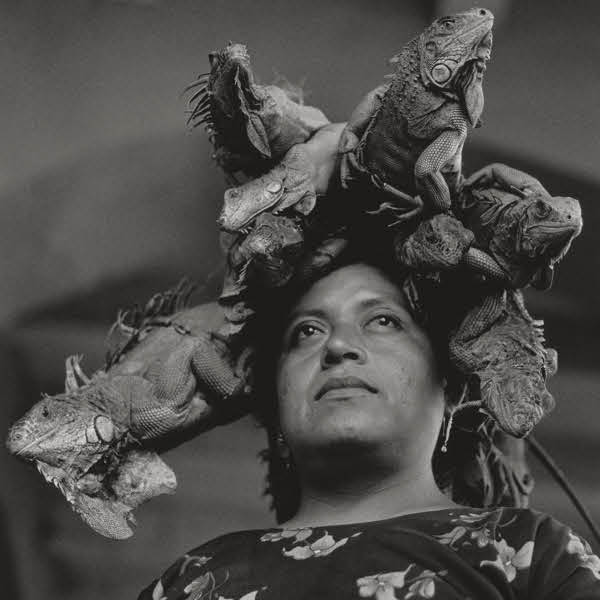
“Madre de Mariachi, Boyle Heights, Los Angeles, California,” 2011
Archival inkjet print
24 x 36 in.
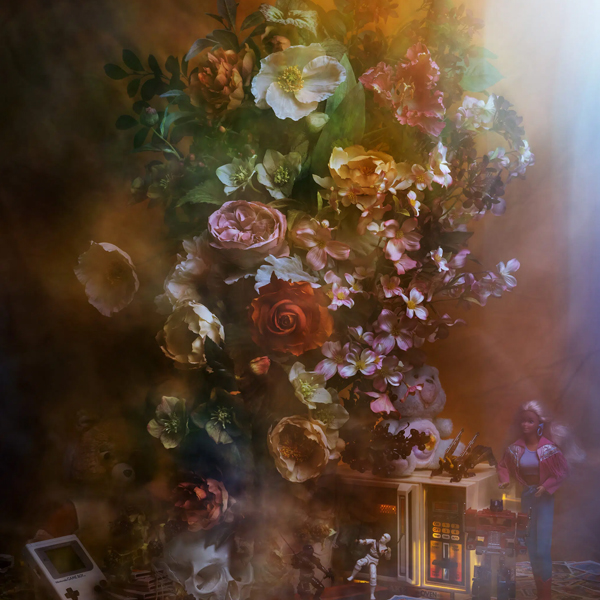
Since its opening in 2022, The Cheech Marin Center for Chicano Art & Culture of the Riverside Art Museum has been a beacon for Mexican-American art. On top of housing one of its largest permanent collections, it has spotlighted different facets of Chicano art through temporary exhibitions. Its latest exhibition, Chicano Camera Culture: A Photographic History, 1966–2026, is described as the first major survey to explore the evolution of Chicano photography work across six decades.
Curated by Elizabeth Ferrer, author of Latinx Photography in the United States: A Visual History, the exhibition features 150 works by U.S.-based Chicano creatives. The approach goes beyond photography, widening its focus to “lens-based practices” to make room for the many techniques employed by artists throughout the years.
“This exhibition brings together generations of Chicana and Chicano photographers whose work has been central to documenting, shaping, and reimagining our communities. Chicano Camera Culture not only honors the pioneers who wielded the camera as a tool for social change, but also celebrates today’s artists who are expanding the medium in bold and unexpected ways,” says Ferrer.
Going from the traditional to the experimental, the works featured include silver gelatin and digital prints, manipulated imagery, staged scenes, installations, and conceptual approaches. But at their core, they all use the camera as a vehicle for activism, self-expression, and cultural identity.
“Photography has always been an essential part of Chicano culture—it’s how we’ve seen ourselves, how we’ve been seen, and how we’ve reshaped that vision. Chicano Camera Culture brings all of this history together in one place,” shares Cheech Marin, whose sprawling Chicano art collection sparked the creation of The Cheech.
This exhibition marks the first time that both the Riverside Art Museum’s Julia Morgan Building and the The Cheech Marin Center will share a show. Most of the works will be on view at The Cheech through September 6, 2026. Meanwhile a special archival section will take over the Members Gallery at RAM’s historic main building through July 5, 2026. Then, the exhibit will embark on a national tour. To get your tickets and learn more, visit The Cheech’s website.
The Cheech Marin Center hosts Chicano Camera Culture, the first major survey to explore Chicano photography work across six decades.
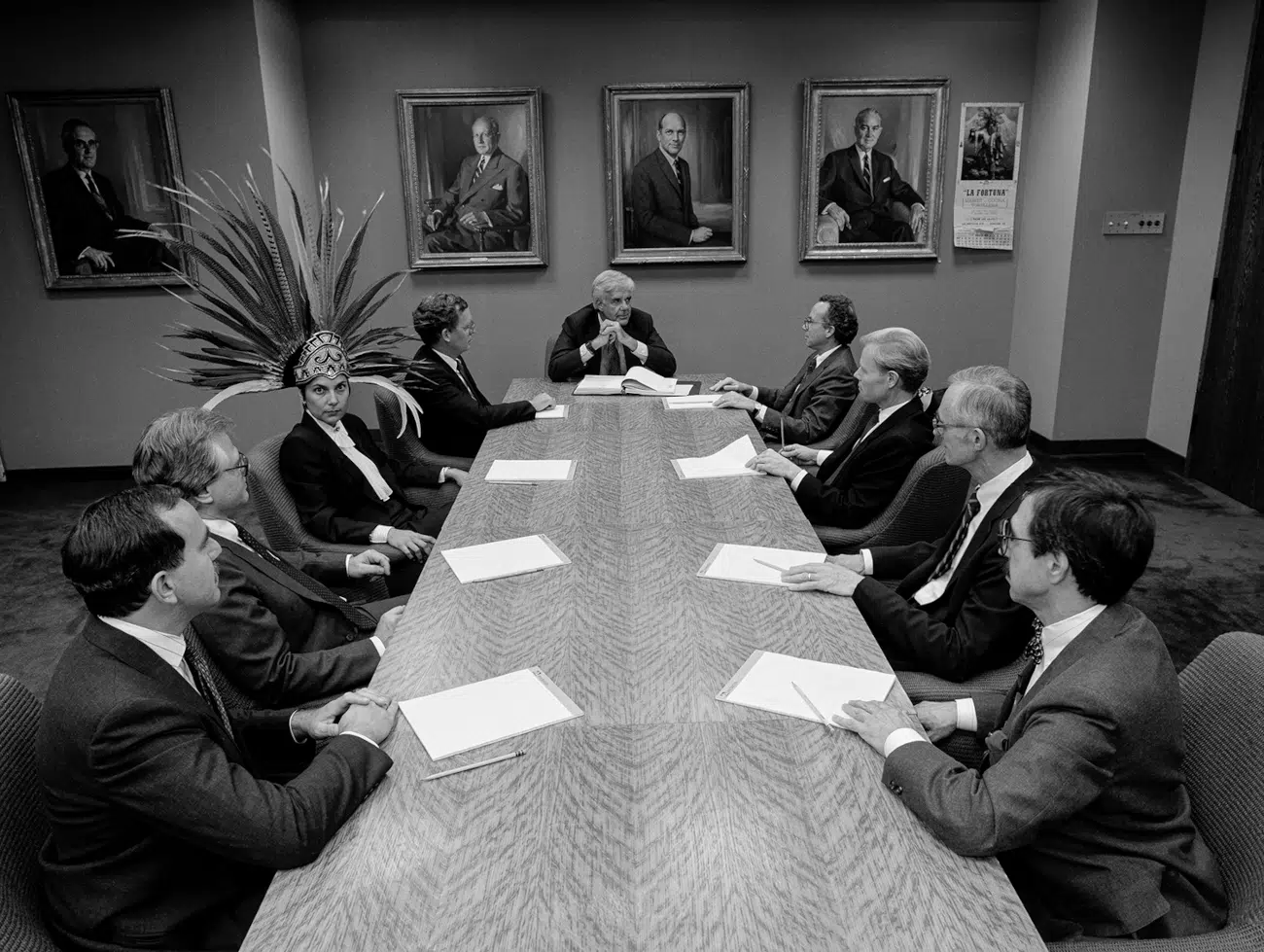
Robert C. Buitron
“The Legend of Ixtaccihuatl y Popocatepetl, Part I,” 1990, duotone calendar, Edition of 1,000
Closed 11 x 13 in., open, 22 x 13 in.
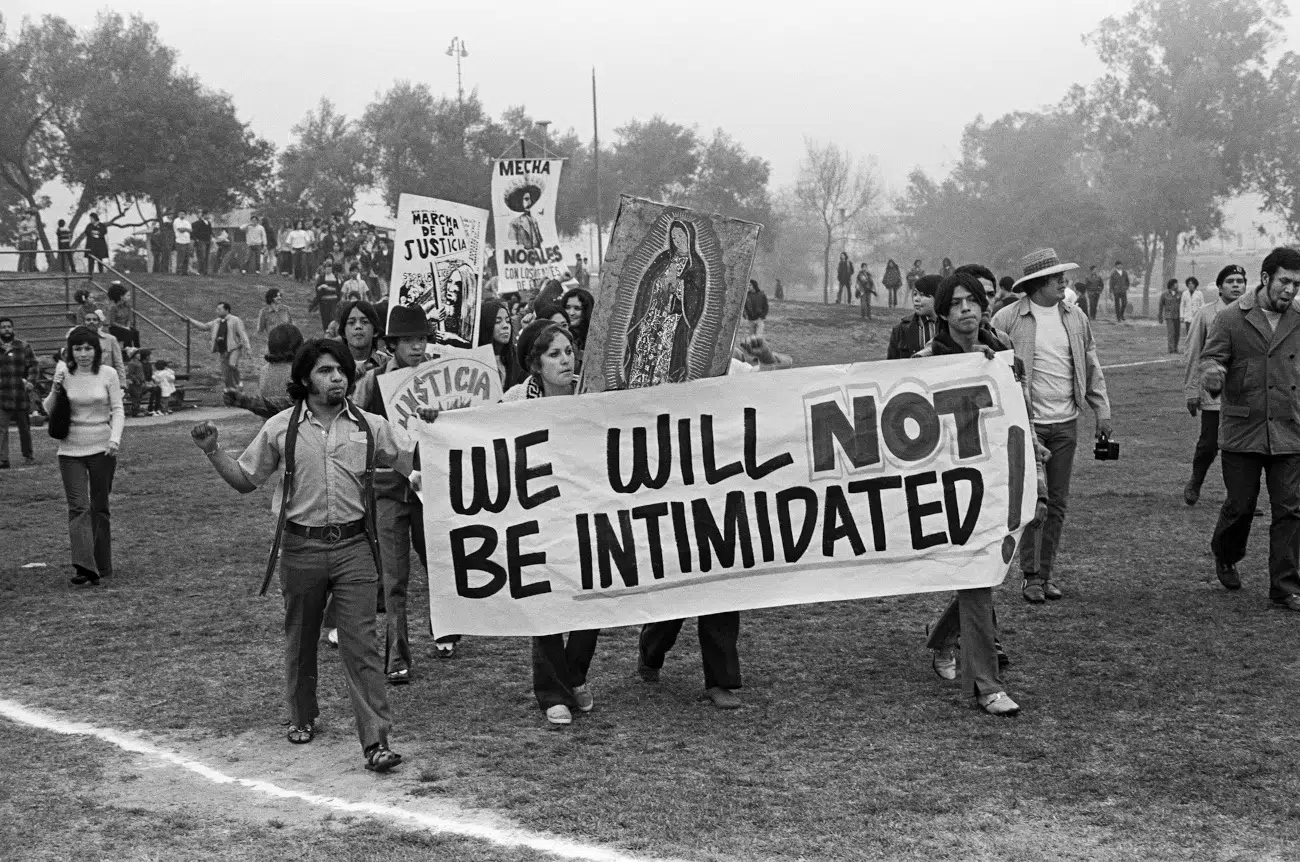
Luis C. Garza
“We Will Not Be Intimidated,” 1971
Silver gelatin fiber print, 11 x 14 in.
Curated by Elizabeth Ferrer, the exhibition features 150 works by U.S.-based Chicano creatives.
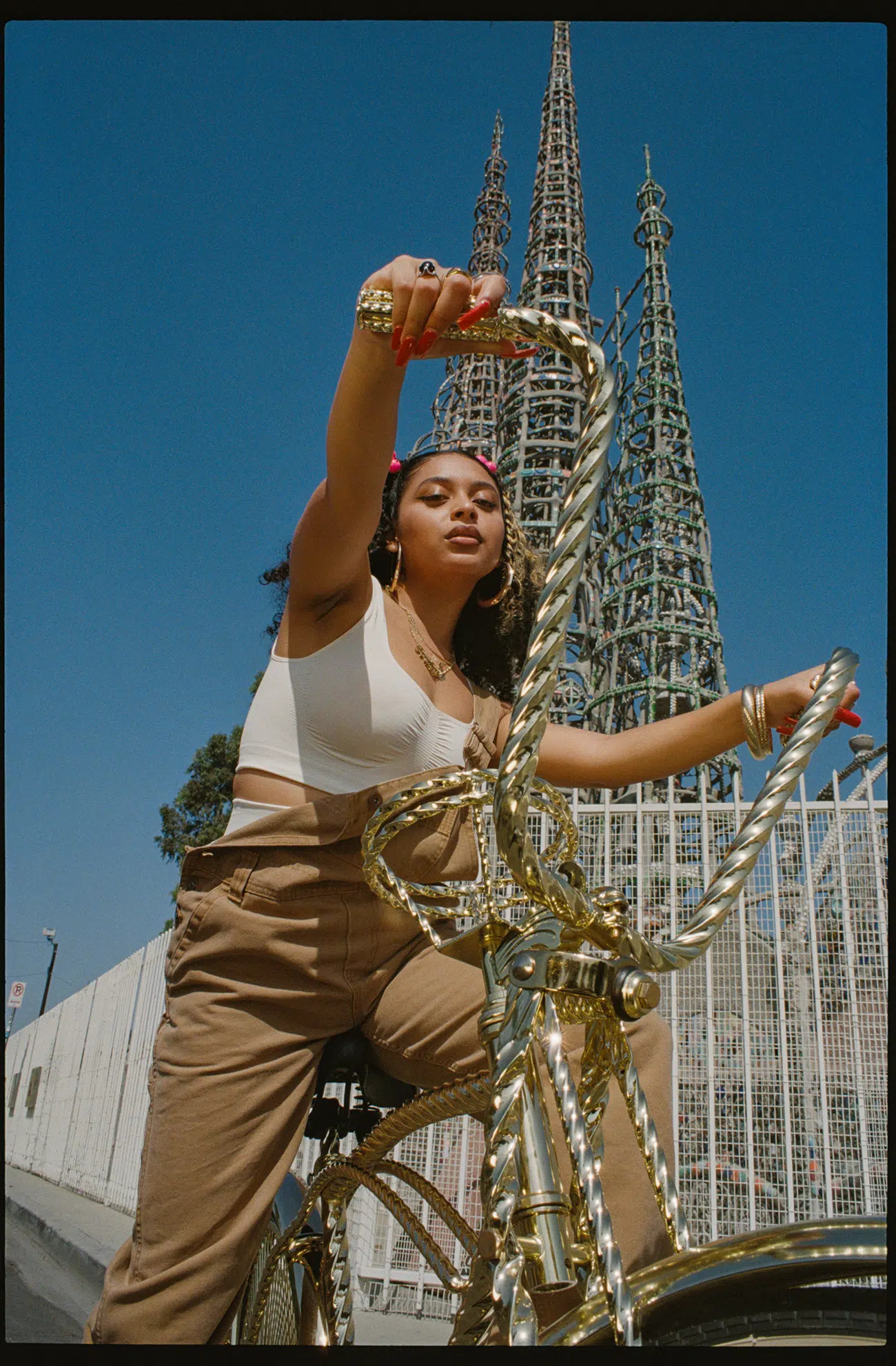
Thalia Gochez
“Jen 4rom the block,” 2022
Lightjet luster print, 34 x 36 in.
ed. 1/10, 35mm film photography
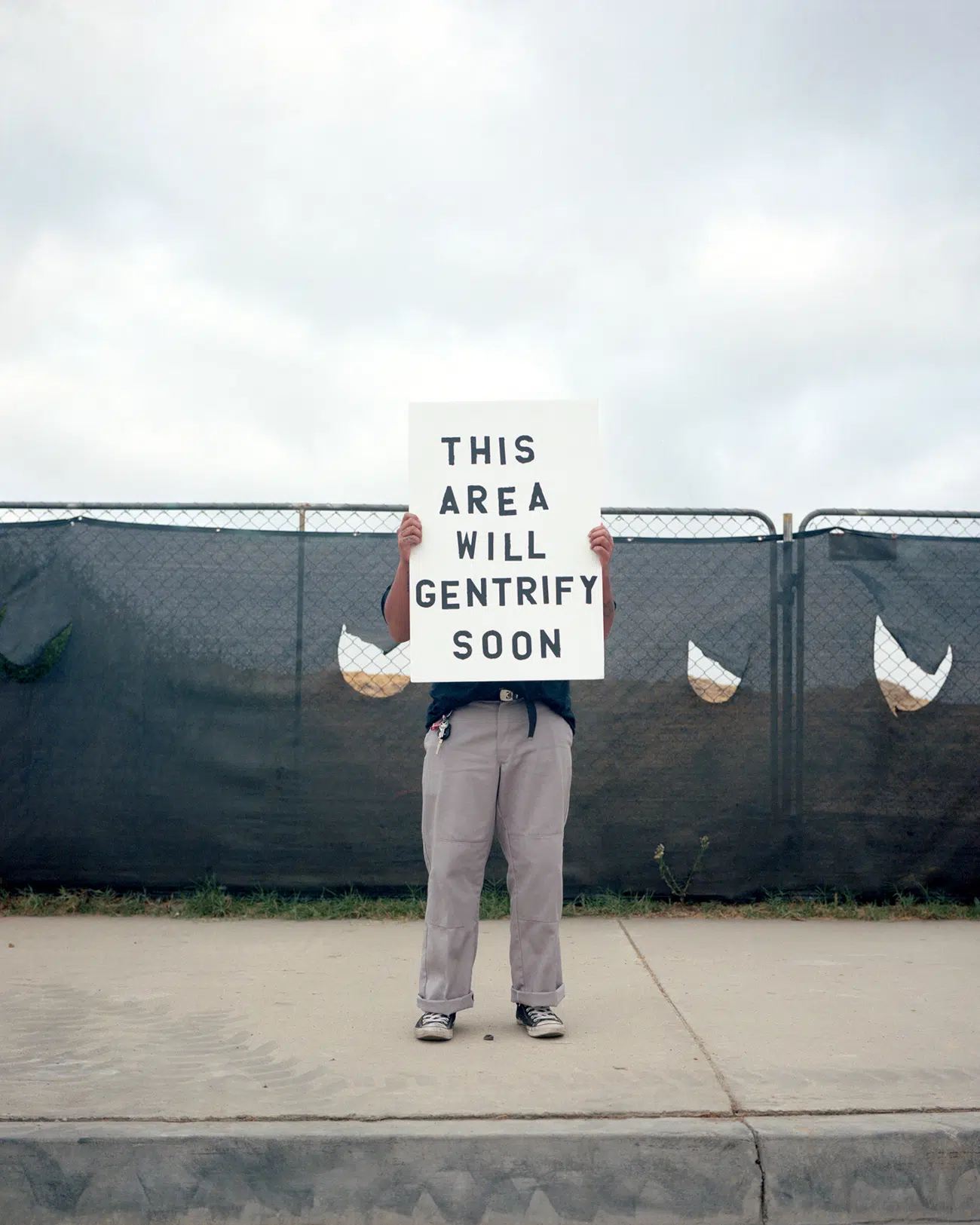
William Camargo
“We Gunna Have To Move Out Soon Fam!,” 2019
from the series “Origins and Displacements”
Archival inkjet print, 30 x 24 in.
Going from the traditional to the experimental, the works featured include silver gelatin and digital prints, manipulated imagery, staged scenes, installations, and conceptual approaches.
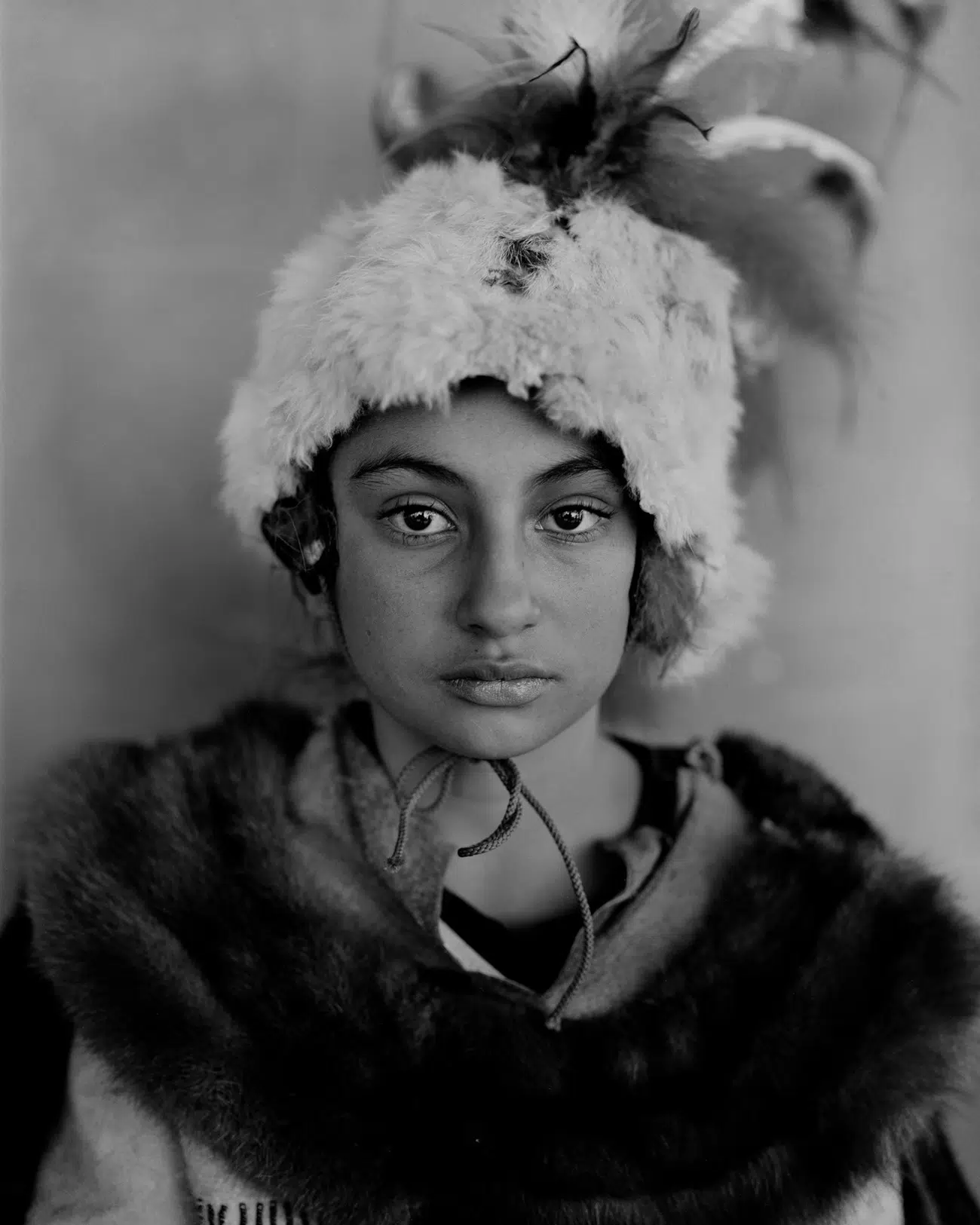
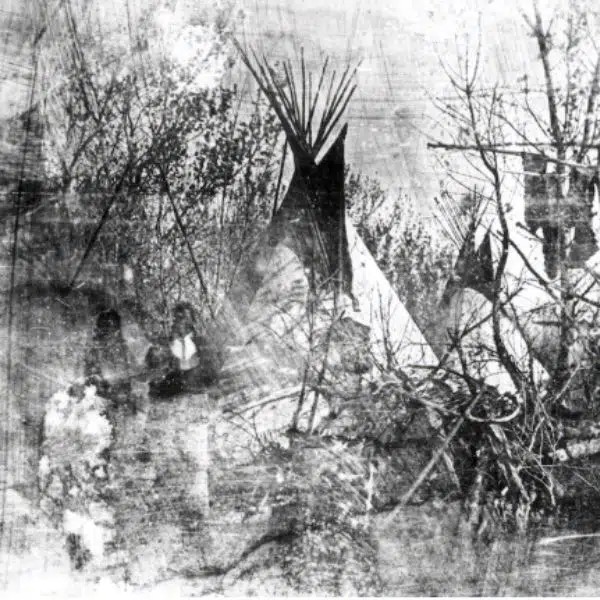
Miguel A. Gandert
“Linda Elena, Talpa, NM,” 1995; from the series “Los Comanches”
Silver gelatin print
34 x 26 in.
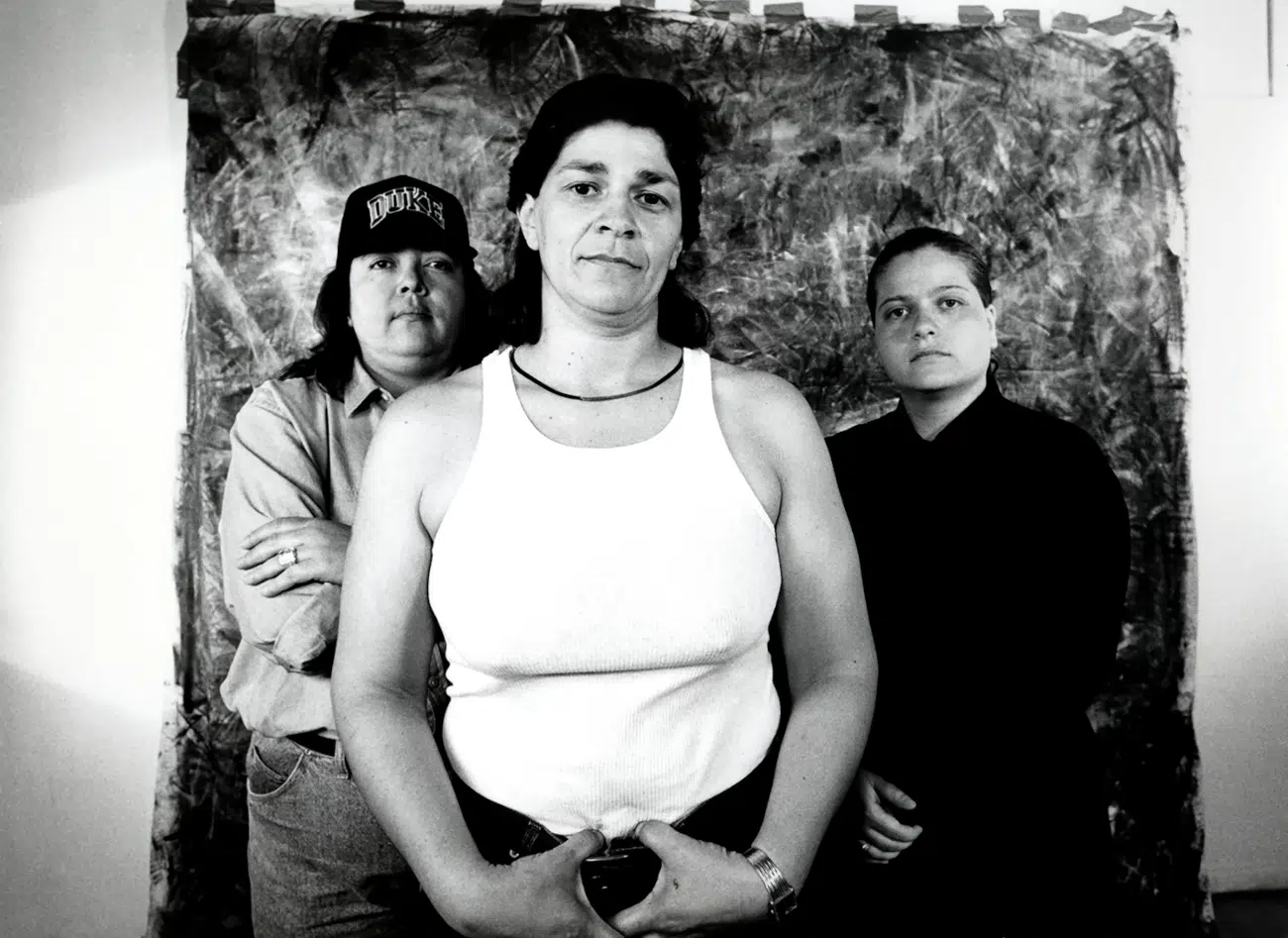
Laura Aguilar
“Plush Pony #2,” 1992
from the “Plush Pony” series
Silver gelatin print, 11 x 14 in.
© Laura Aguilar Trust of 2016
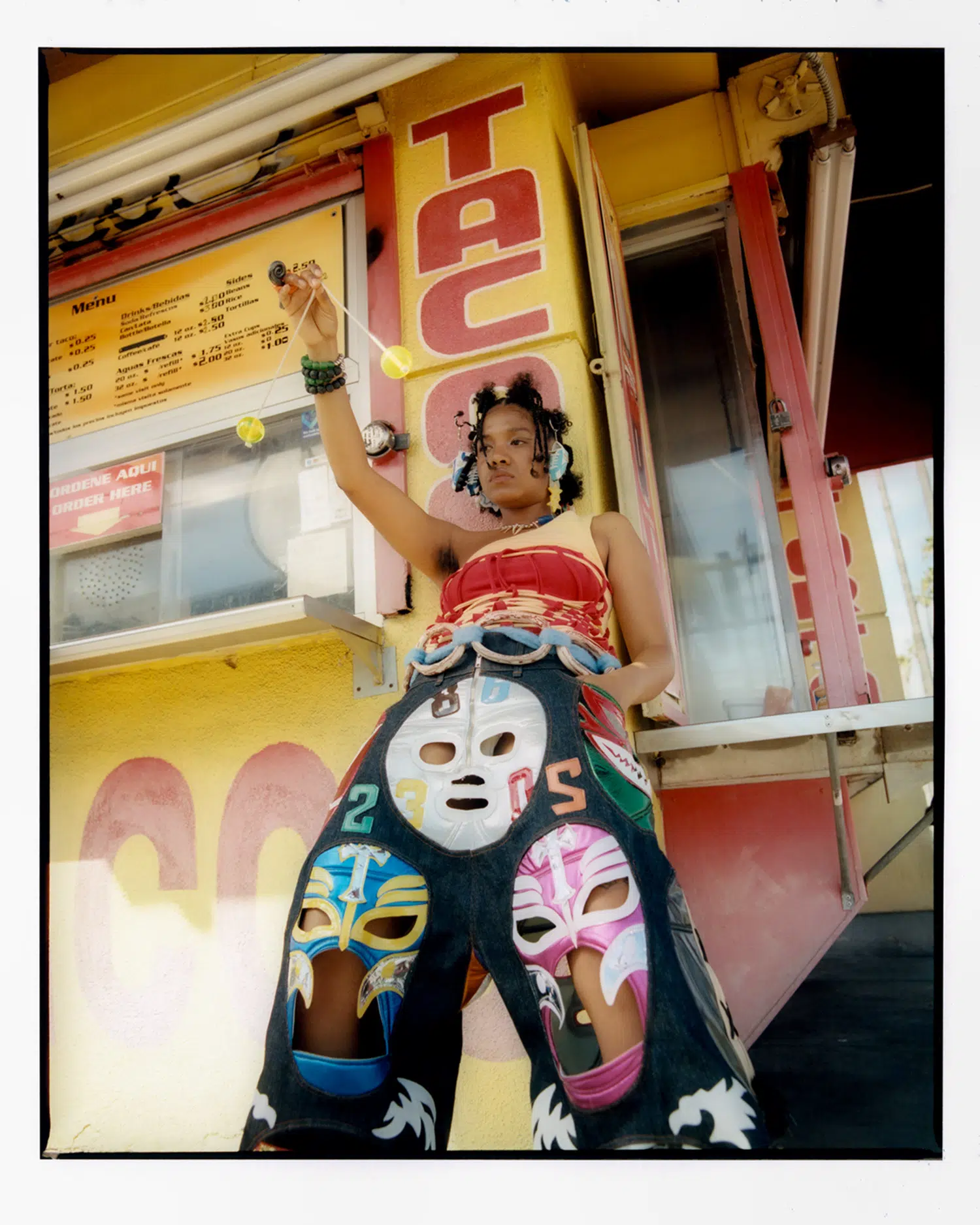
Thalia Gochez
“Yo Soy Latina,” 2024
Lightjet luster, 34 x 36 in.
ed. 1/10, 120mm film photography
They all use the camera as a vehicle for activism, self-expression, and cultural identity.
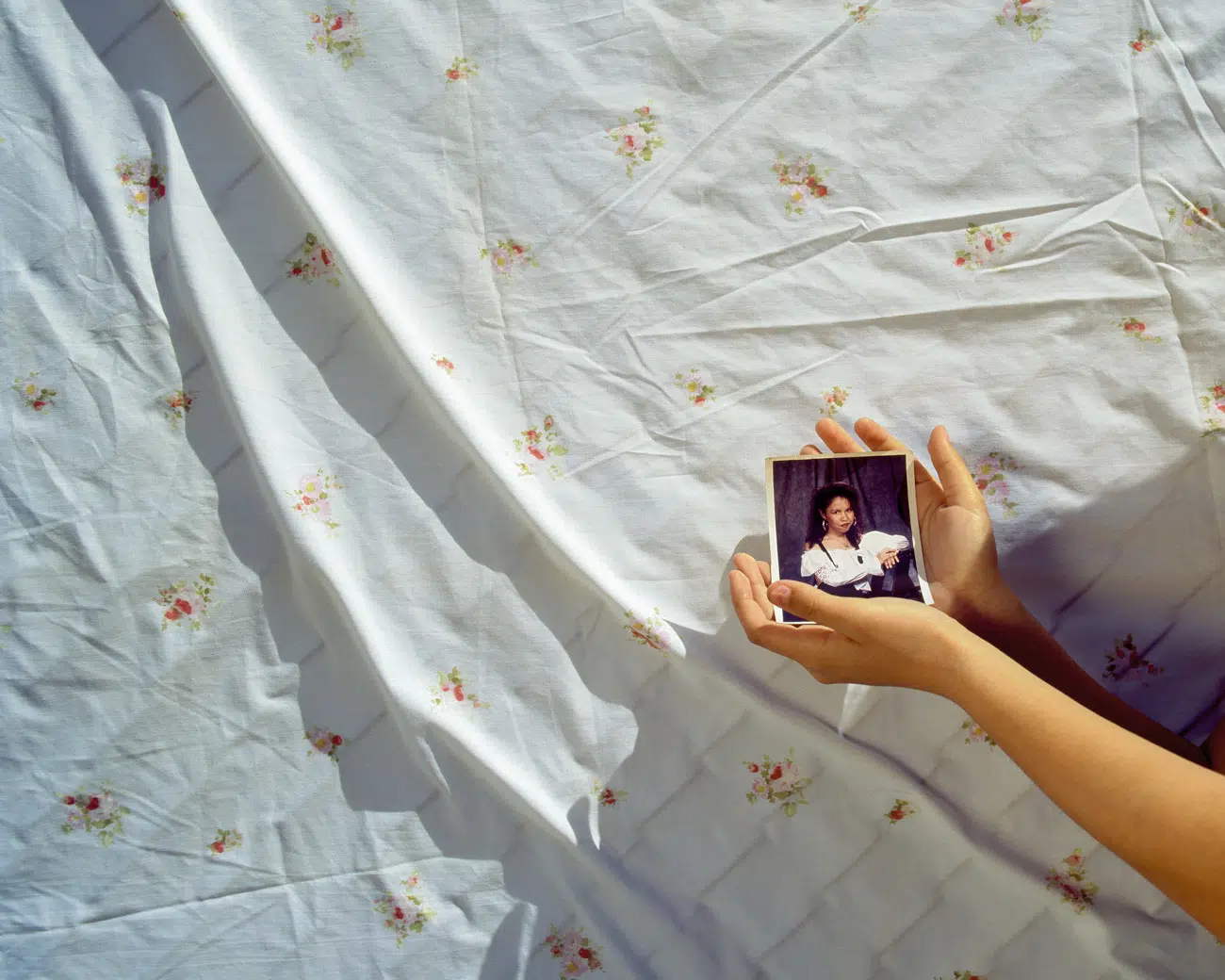
Arlene Mejorado
“Handling a Mother’s Archive #1,” 2023
Inkjet print on archival paper, 20 x 16 in.
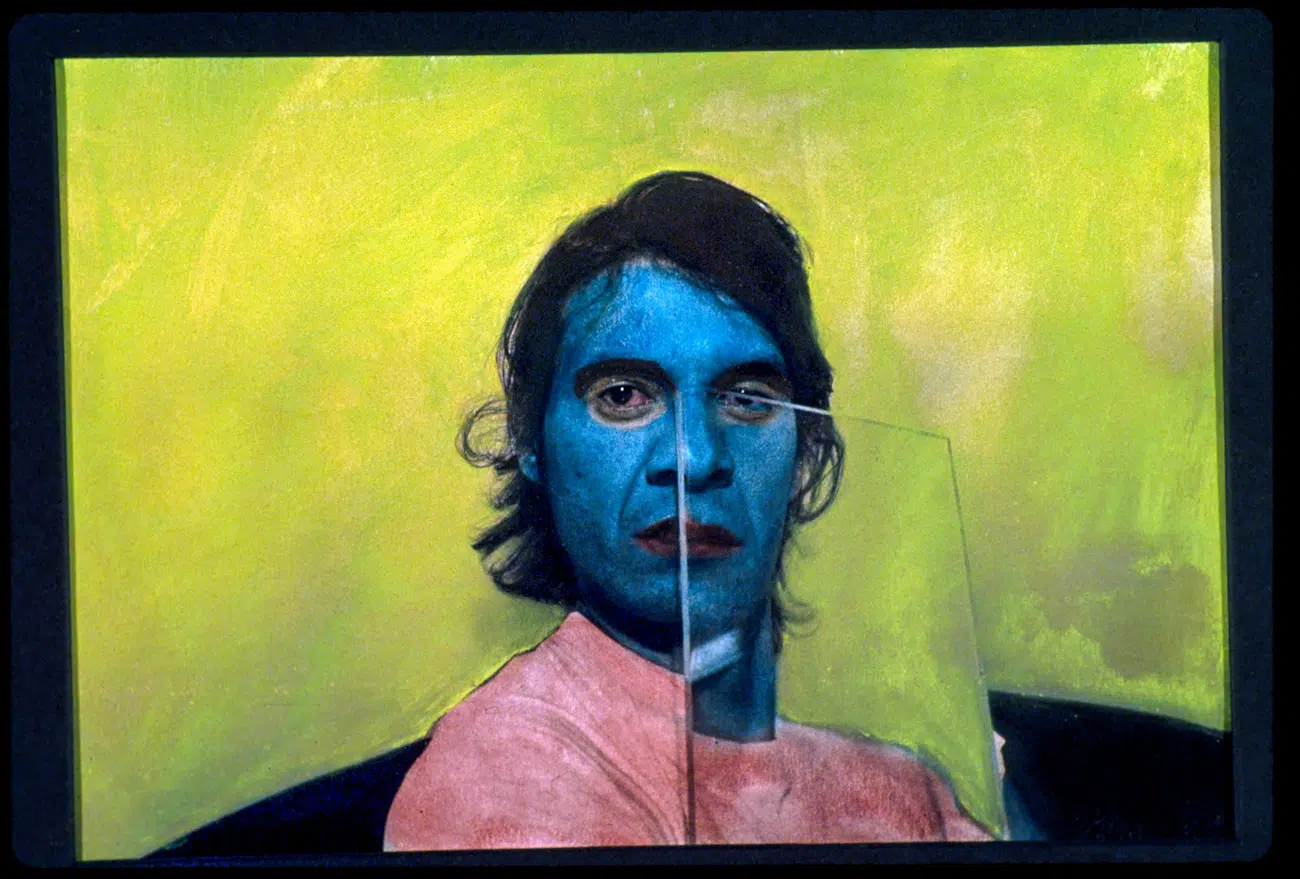
Ricardo Valverde
“Portrait of the Artist as a Young(er) Man,” 1991
Silver gelatin print with acrylic and hand-applied pigment, 6½ x 10 in.
Courtesy Esperanza Valverde, Los Angeles, CA
“Photography has always been an essential part of Chicano culture—it’s how we’ve seen ourselves, how we’ve been seen, and how we’ve reshaped that vision,” shares Cheech Marin.
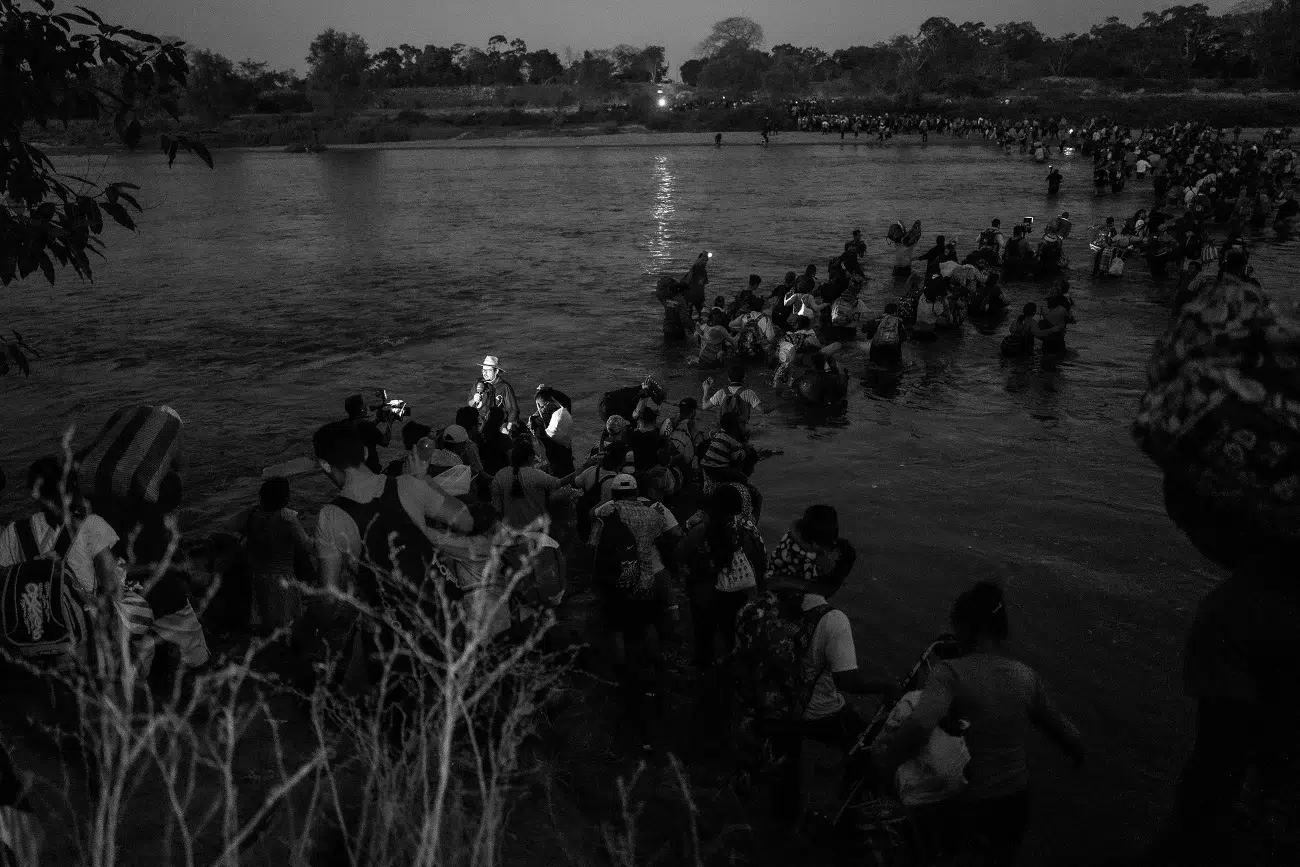
Ada Trillo
“Crossing the Suchiate River,” 2020
from the series “La Caravana del Diablo,” Guatemala/Mexico border
Archival pigment print, 24 x 30 in.
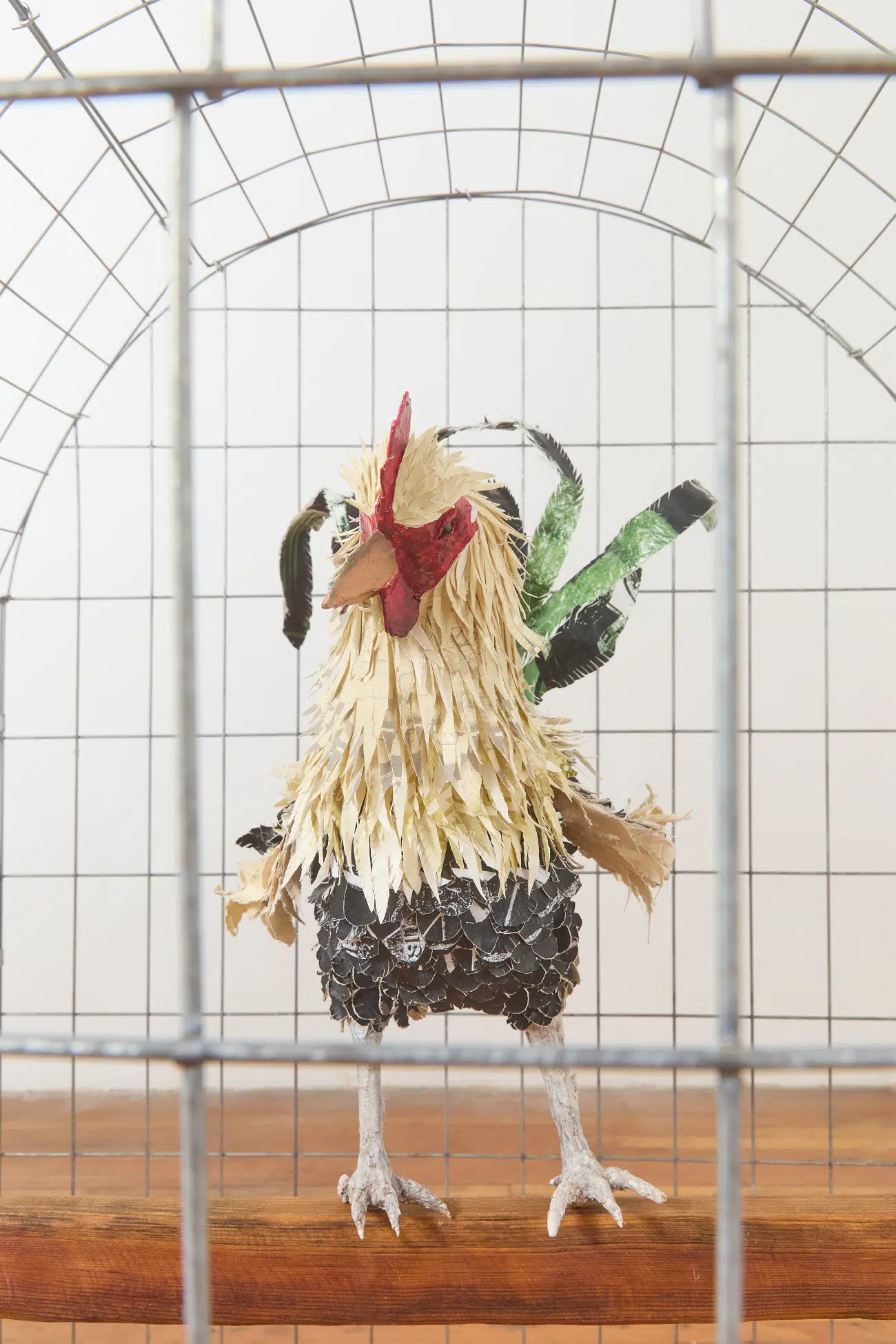
Yulissa Mendoza
“3 Gallos por Acre 2,” 2025
Wood, collaged photographs, steel wire, hay, and sound, 58 x 40 x 41 in.