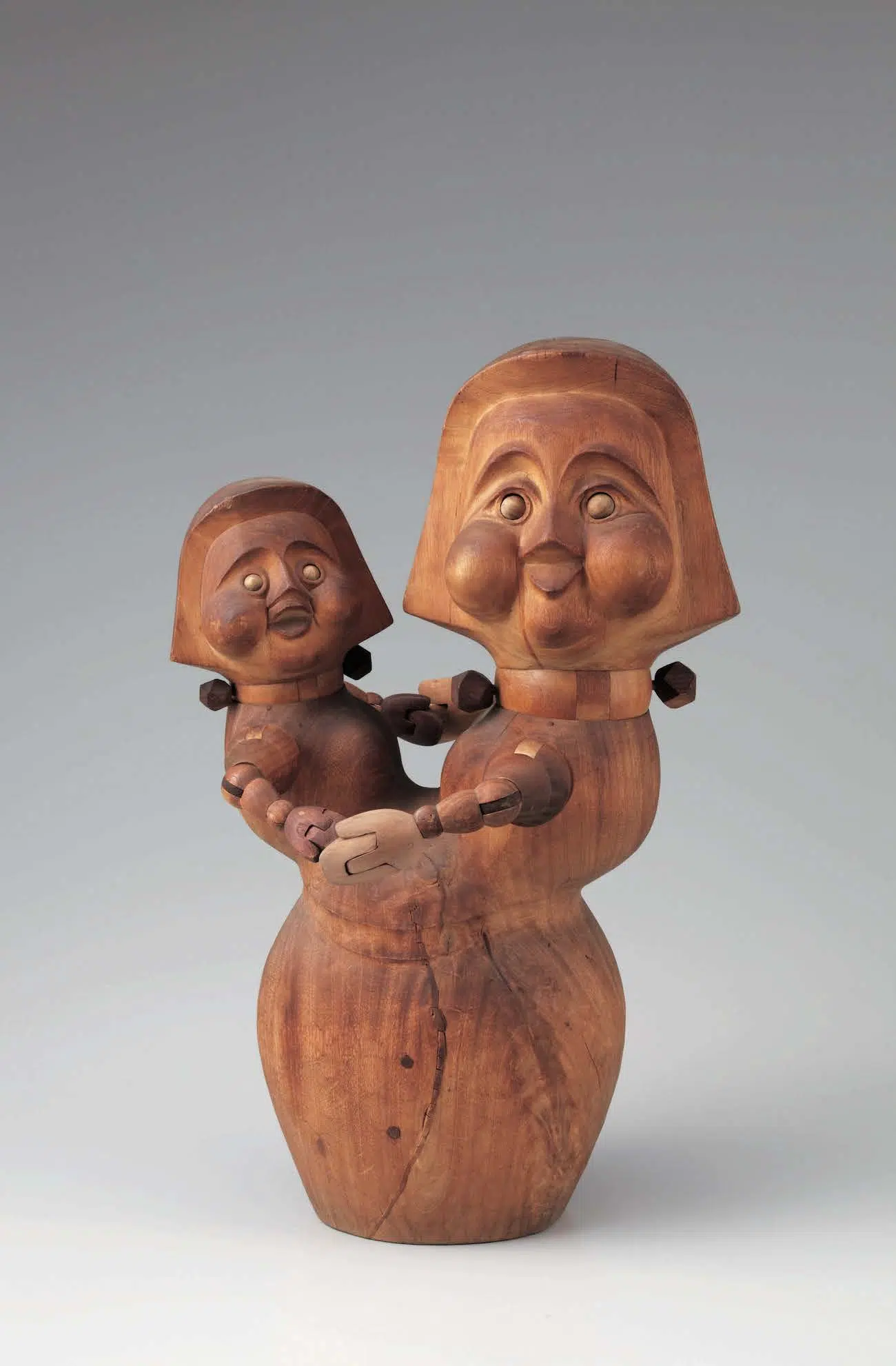
Wooden sculpture, 1956. (Photo: Kawai Kanjirō House)
A century ago, Kawai Kanjirō and two of his close friends coined a term that would come to redefine Japanese art: mingei. The portmanteau combined the words minshū (“people”) and kōgei (“craft”), reflecting a populist, hand-crafted sensibility. As one of its founders, it should come as no surprise that Kanjirō critically influenced the movement, which inspired everything from utilitarian pottery to wood carving. There’s perhaps no better way, then, to celebrate mingei’s 100th anniversary than a retrospective of the artist’s work.
Opening on March 10, 2026, at the Japan Society in New York, Kawai Kanjirō: House to House traces Kanjirō’s indispensable contributions to mingei through his ceramics, wooden sculptures and masks, calligraphy, poetry, and design. Notably, the exhibition showcases works that have never been shown outside of Japan before, all pulled from the artist’s personal collection housed at the Kawai Kanjirō House in Kyoto. Facilitating this exchange was the institution’s curator, Sagi Tamae, who also happens to be Kanjirō’s granddaughter.
“The process of co-curating the exhibition with Tamae led to the idea of presenting highlights of Kanjirō personal collection through the lens of his house, studio, and kiln,” Michele Bambling, senior director of Japan Society Gallery and the exhibition’s co-curator, tells My Modern Met. “In the 60th year since Kanjirō’s passing, this is the first U.S. solo exhibition of his career and the only time that the Kanjirō House collection has traveled outside Japan.”
The significance of this moment is not lost, thanks in no small part to the exhibition’s ambitious scale. In fact, House to House boasts the largest display of Kanjirō’s wooden sculptures and masks to date, highlighting the artist’s refined color palettes, whimsical forms, and material curiosity. One sculpture from 1956, for instance, resembles a smiling mother cradling her child, while another from 1955 abstracts a pair of hands into an almost divine gesture. This diversity in expression betrays Kanjirō’s preference not just for craftsmanship but for experimentation.
“Kawai was a versatile potter and artist working with a variety of materials—clay, ink, wood and bronze—over a long career of three distinct phases,” Bambling and Tamae explain. “He mastered ceramic techniques by emulating ancient Chinese prototypes in his early period during the 1910s; next he turned to utilitarian ceramics in the spirit of mingei; then in the wake of World War II, he ventured into non-functional, individualistic ceramic and wood sculptures in a modernist mode.”
That evolution is elegantly portrayed in House to House, which further contextualizes Kanjirō’s work by juxtaposing it with that of his contemporaries. The exhibition features several works by his close friends and mingei colleagues, Shikō Munakata and Shōji Hamada, who also embraced the simplicity, functionality, and beauty of handmade objects. Also explored is Kanjirō’s collaborative publications with Munakata, grounded in the former’s calligraphic and poetic output, and the latter’s printmaking practice.
“While Kanjirō is well-known in Japan, we hope that this exhibition will introduce the depth and breadth of his work to American visitors,” Bambling and Tamae say. “He played a role in bringing recognition to the then-unsung folk arts of Japan. The distance of time reveals his lasting appeal to generations.”
Kawai Kanjirō: House to House will be on view at the Japan Society from March 10 to May 10, 2026.
Kawai Kanjirō’s legendary folk art will travel outside of Japan for the first time in celebration of mingei’s 100th anniversary.
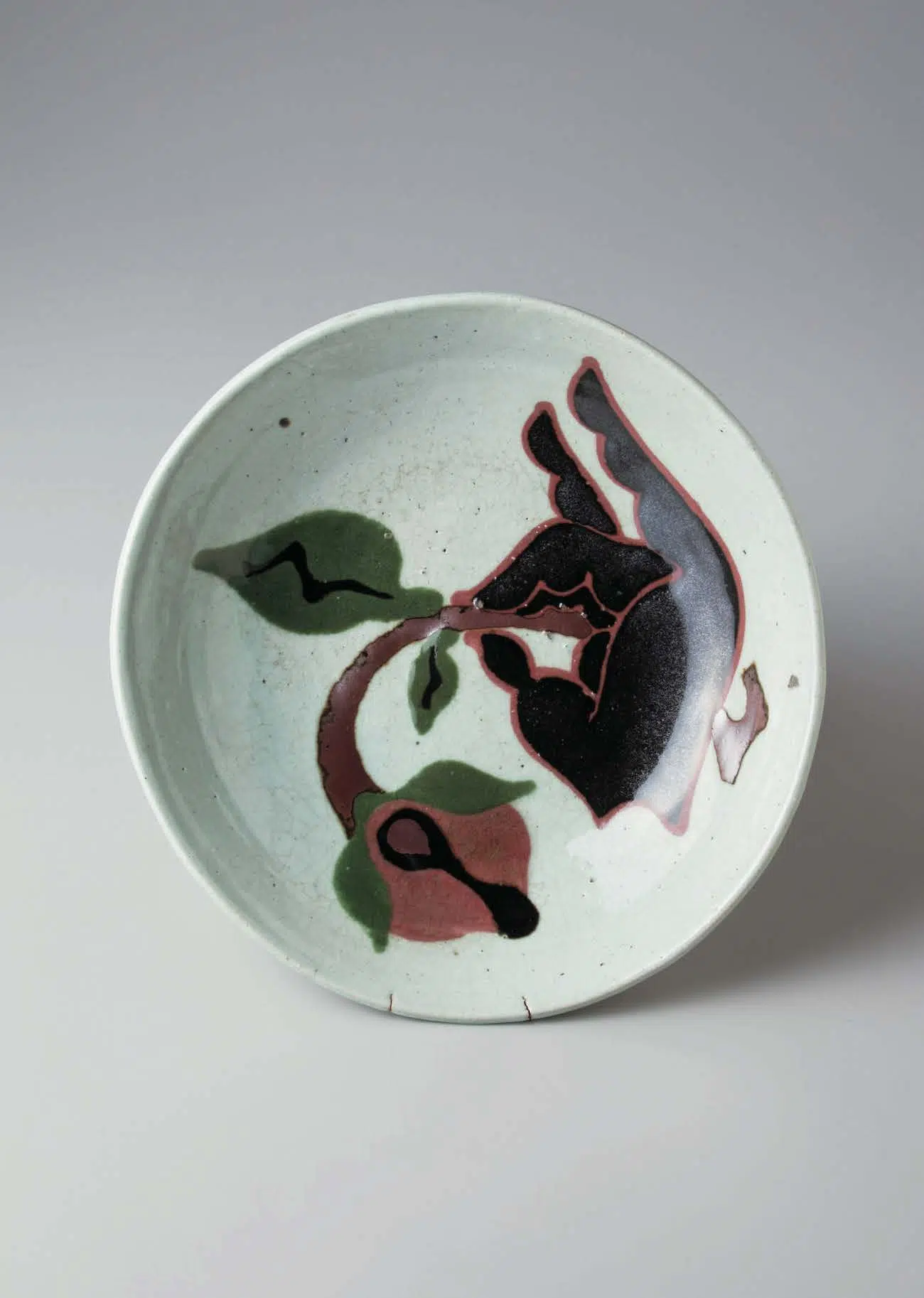
Dish with motif of hand and flower on white background, 1951. (Photo: Kawai Kanjirō House)
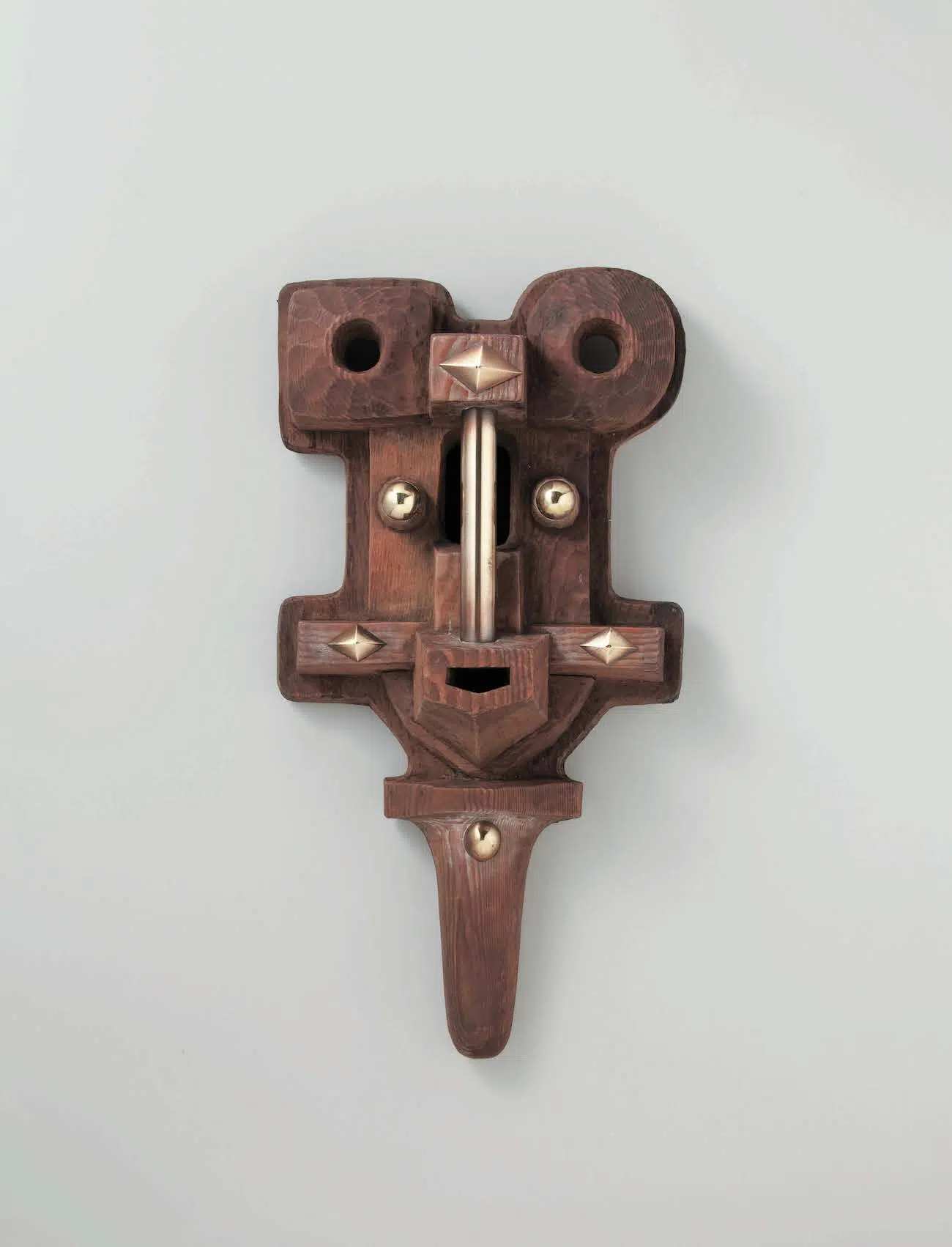
Carved wooden mask, 1959. (Photo: Kawai Kanjirō House)
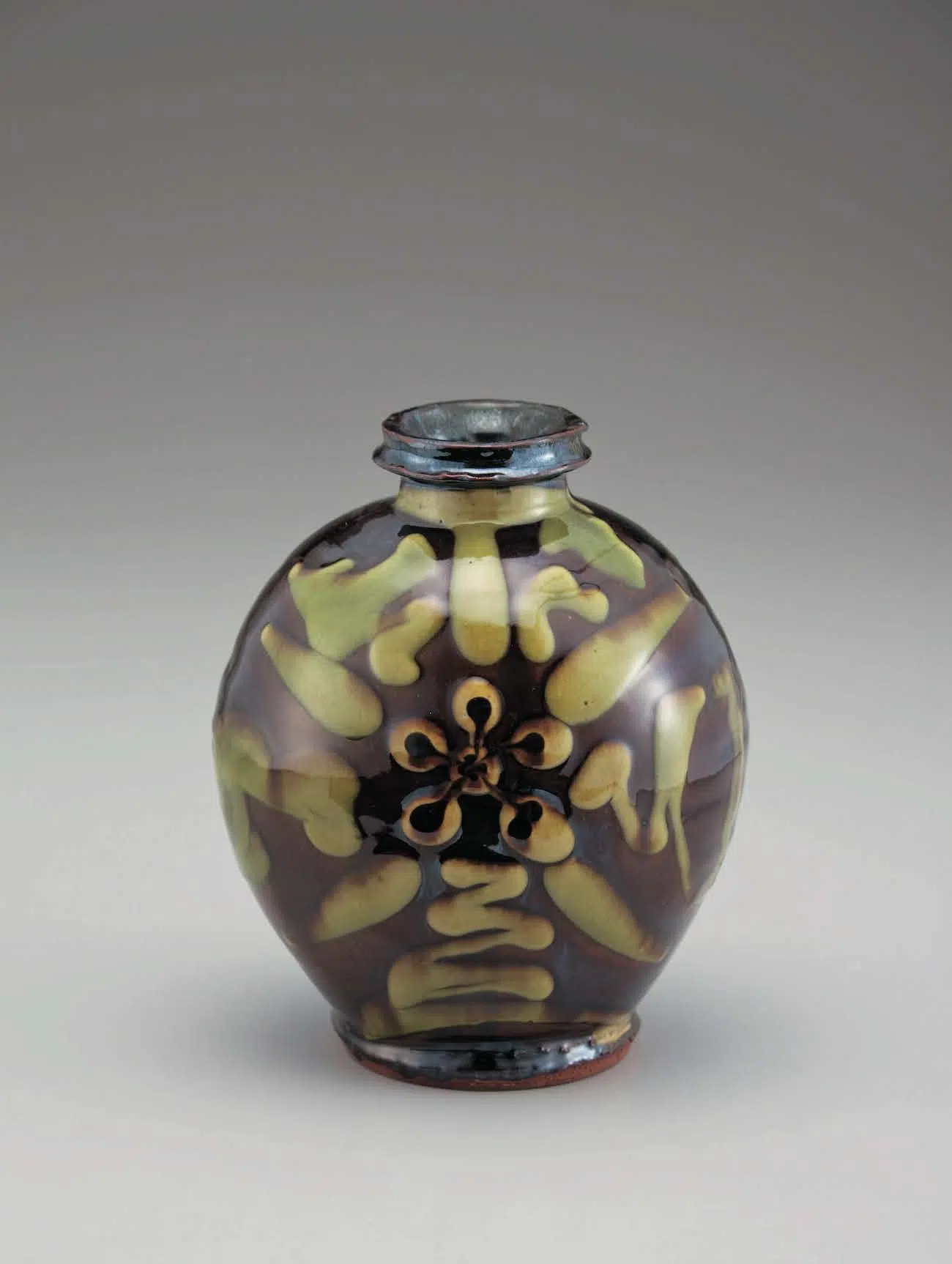
Slipware bottle, 1930. (Photo: Kawai Kanjirō House)
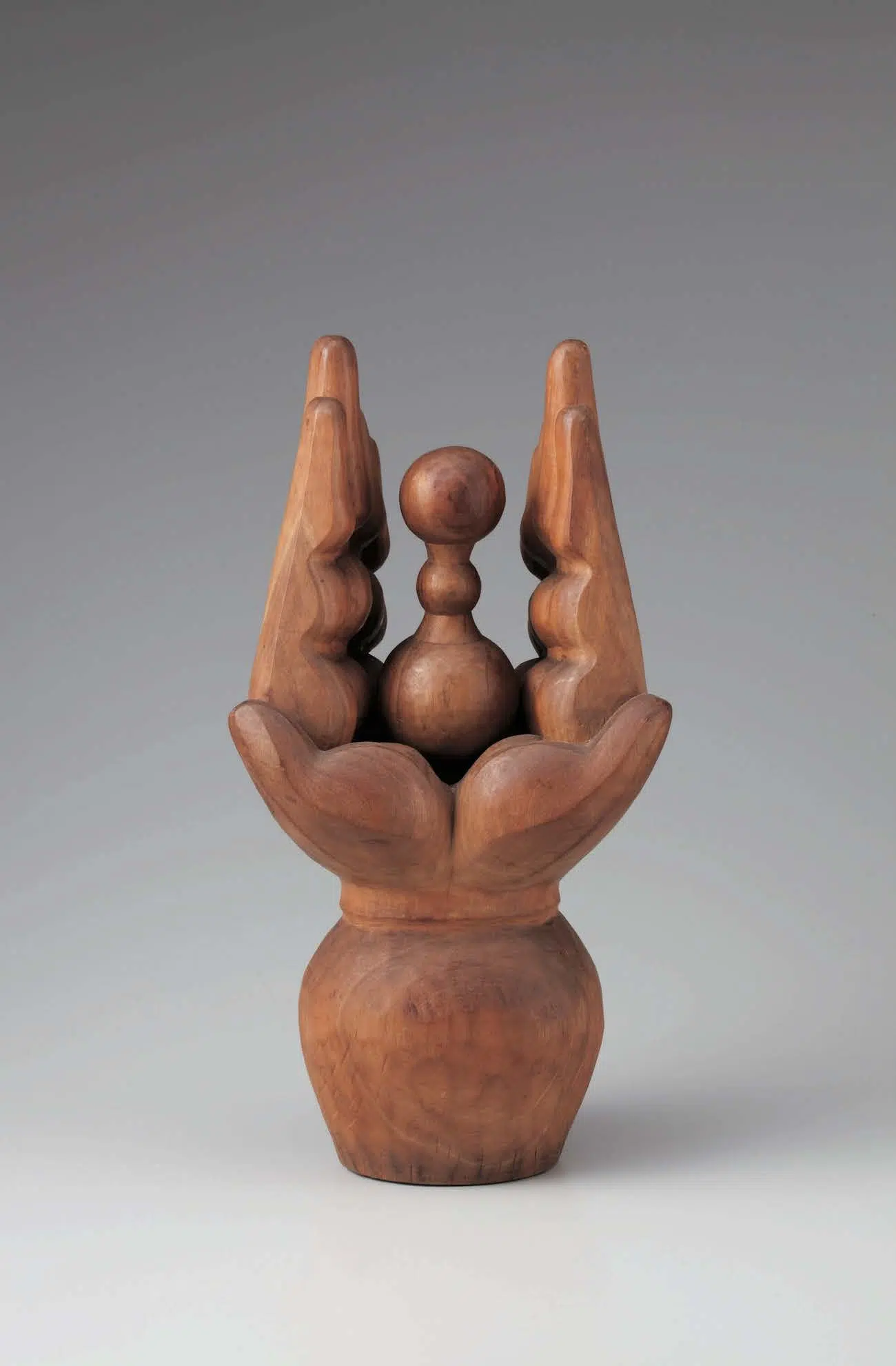
Wooden sculpture, 1955. (Photo: Kawai Kanjirō House)
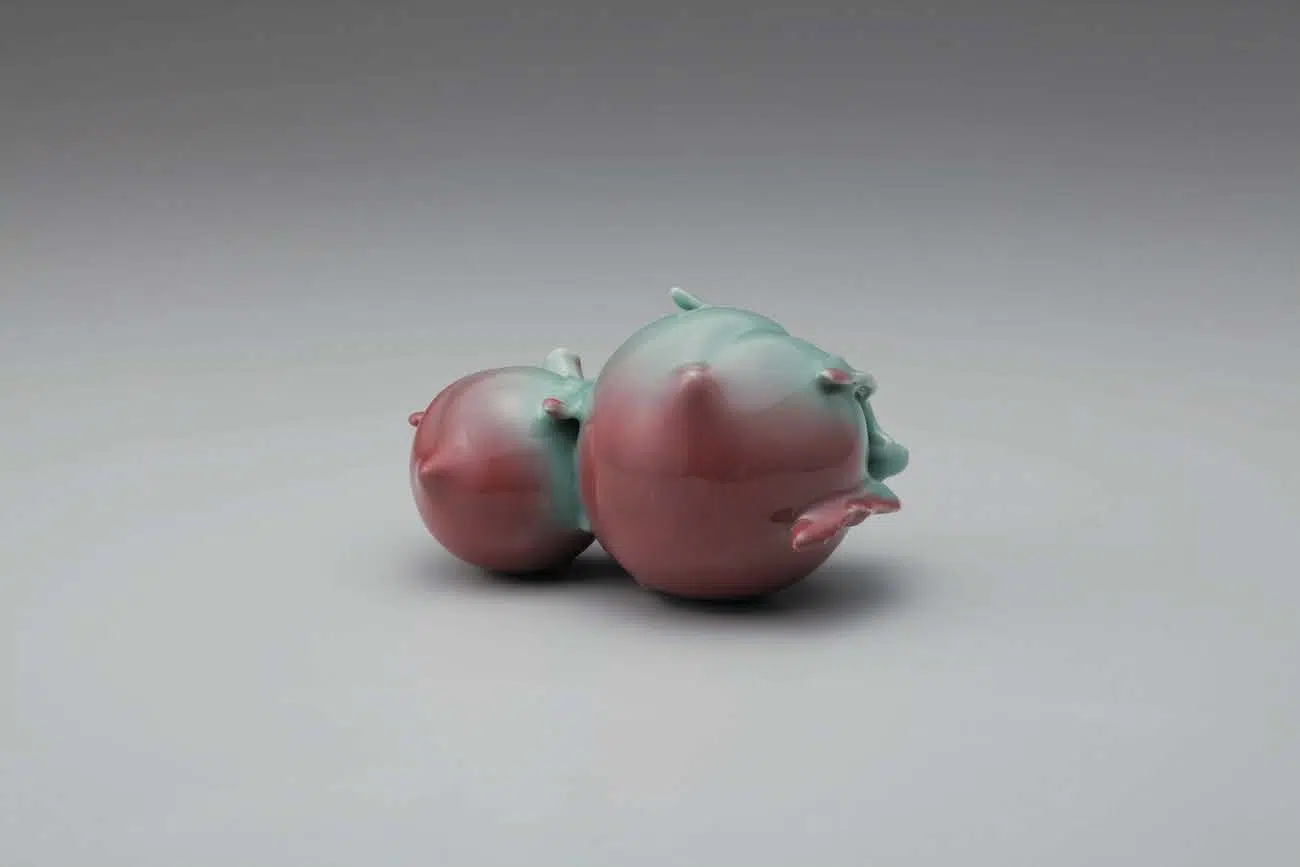
Water dropper with celadon and blood-red glaze, 1922. (Photo: Kawai Kanjirō House)
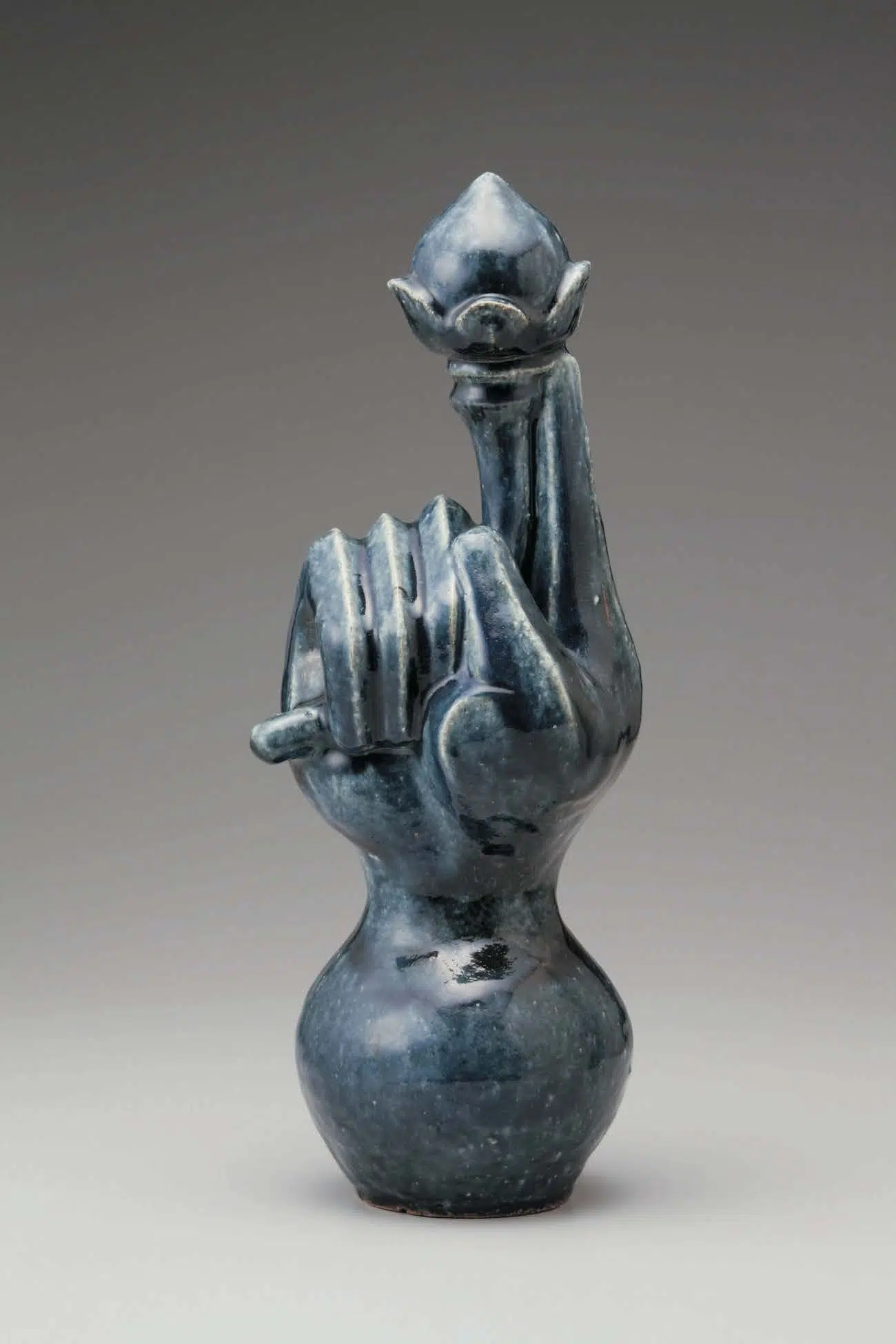
Ceramic sculpture, 1962. (Photo: Kawai Kanjirō House)
Kawai Kanjirō: House to House will be on view at the Japan Society in New York from March 10 to May 10, 2026.
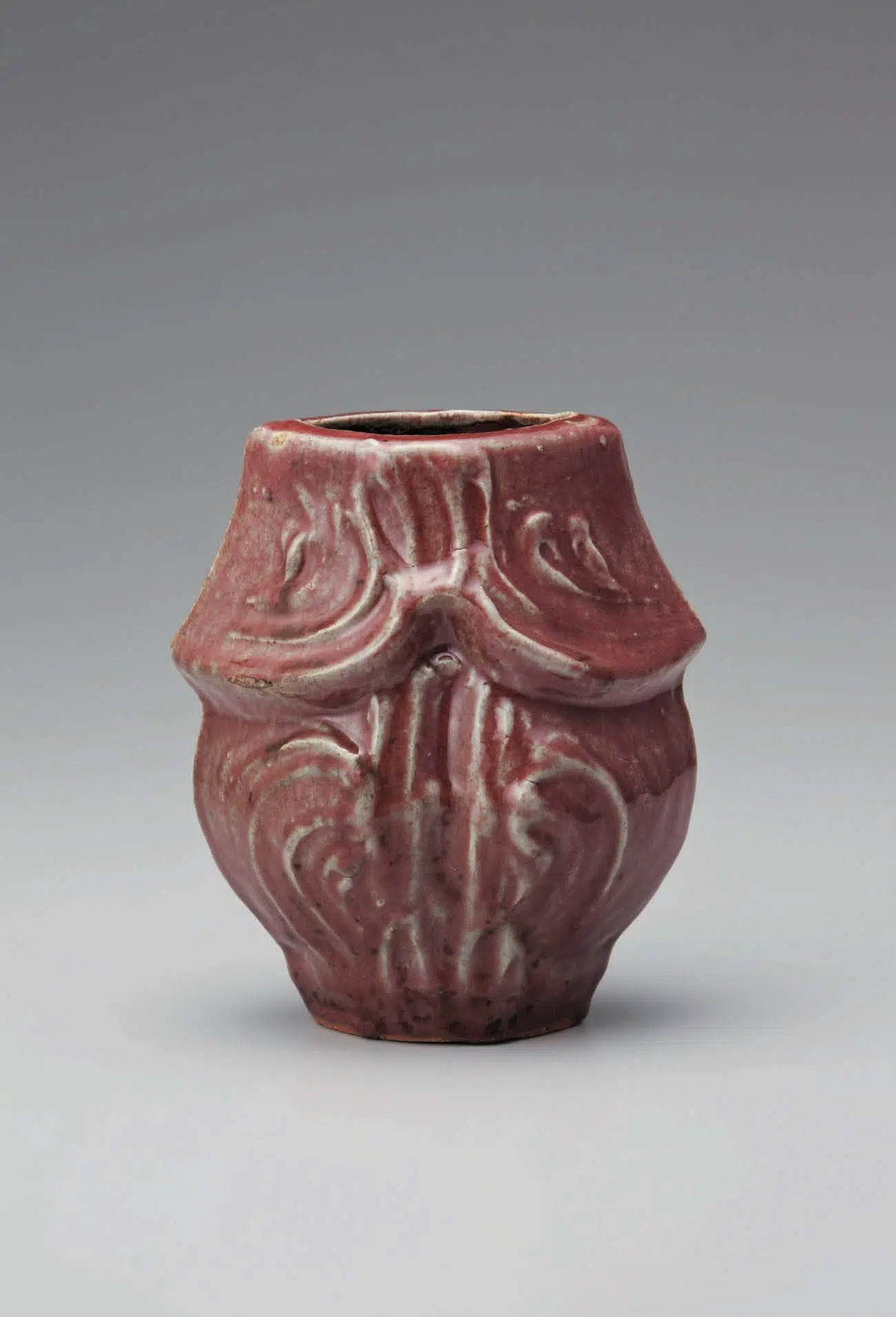
Flask with copper red glaze and brushmark slip (“dorohakeme”), 1962. (Photo: Kawai Kanjirō House)
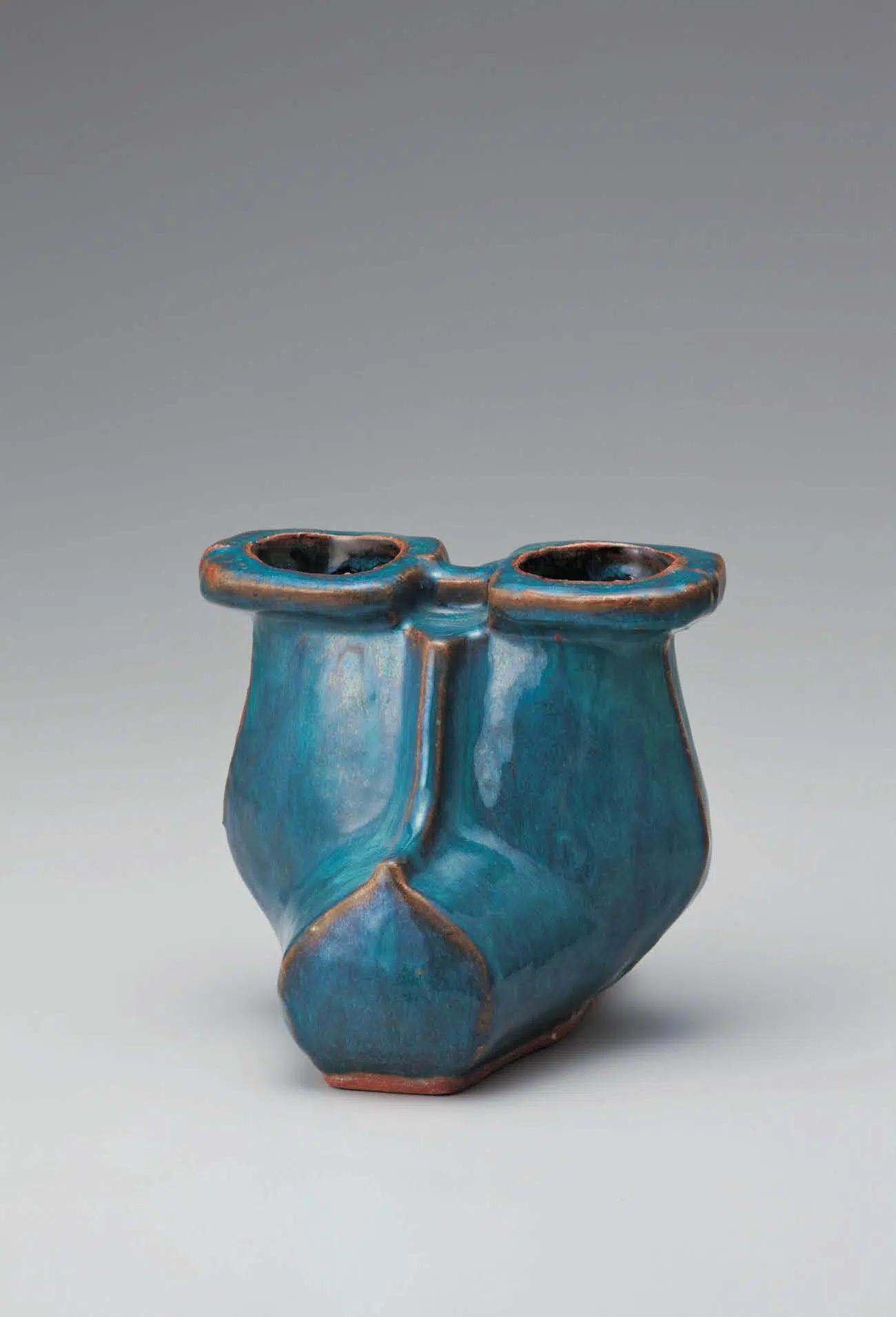
Double-headed flask with turquoise glaze (“hekiyū”), 1961. (Photo: Kawai Kanjirō House)
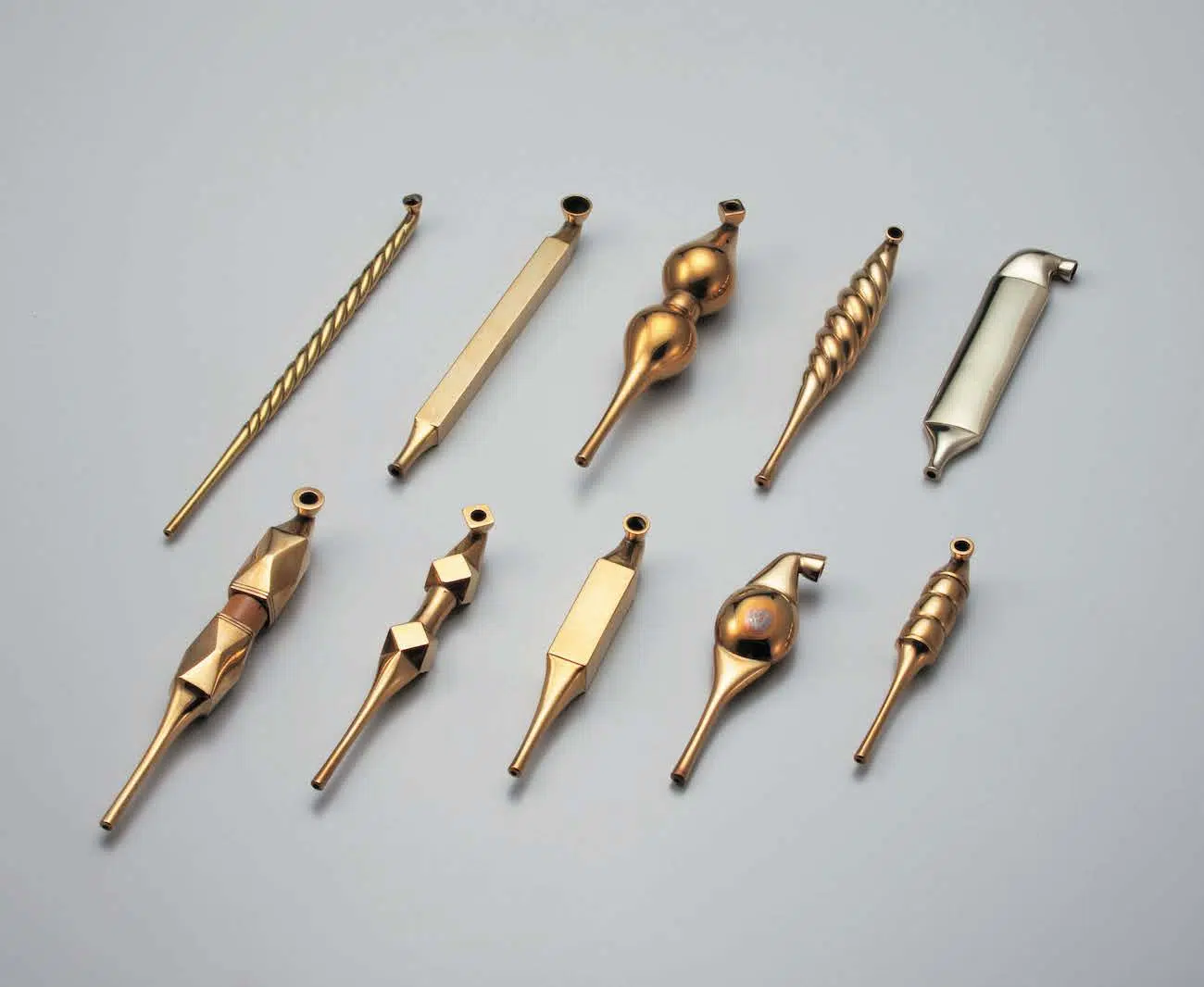
Brass pipes, 1950. (Photo: Kawai Kanjirō House)
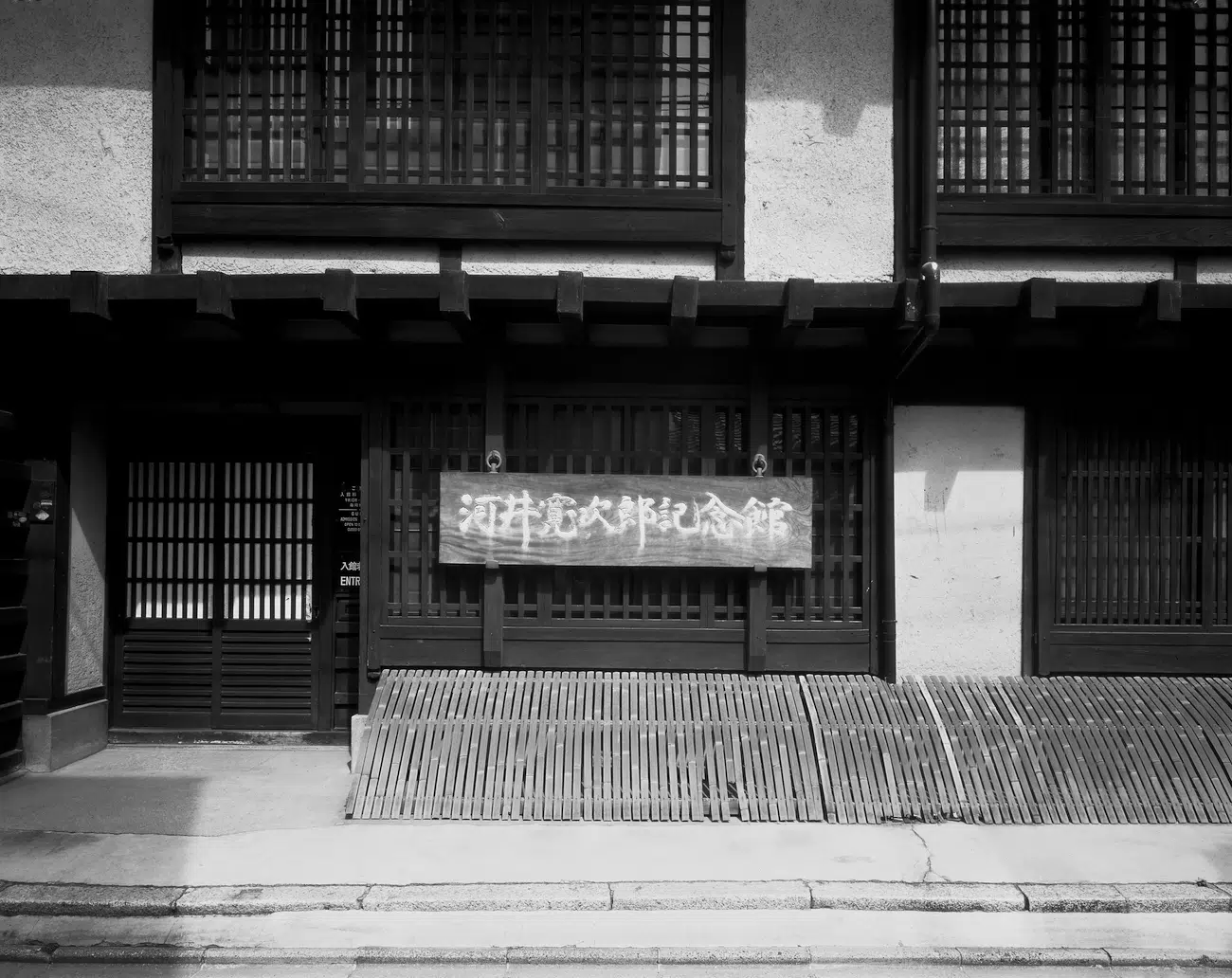
Exterior view of the Kawai Kanjirō House. (Photo: Kawai Kanjirō House)
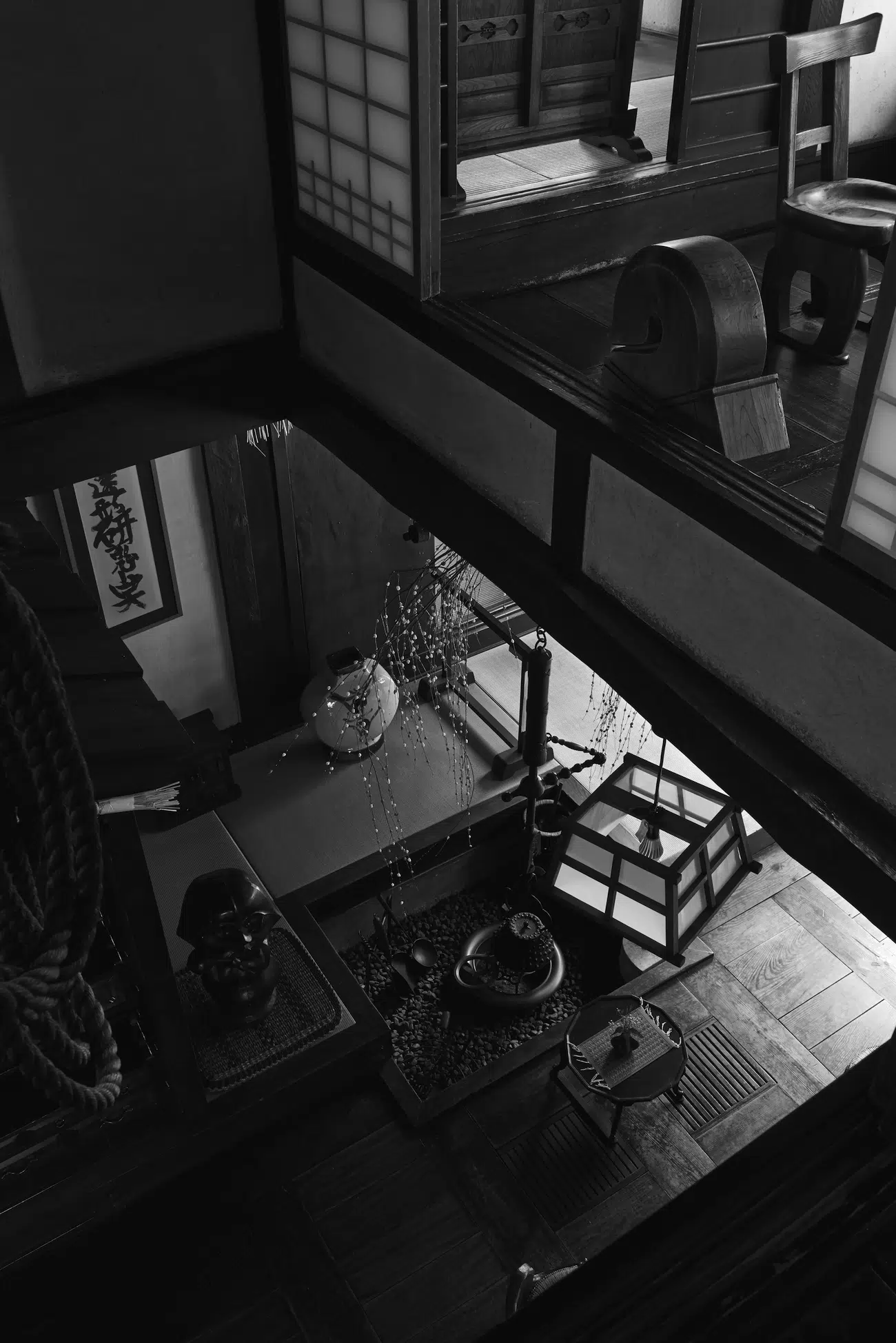
Interior view of the Kawai Kanjirō House. (Photo: Kawai Kanjirō House)
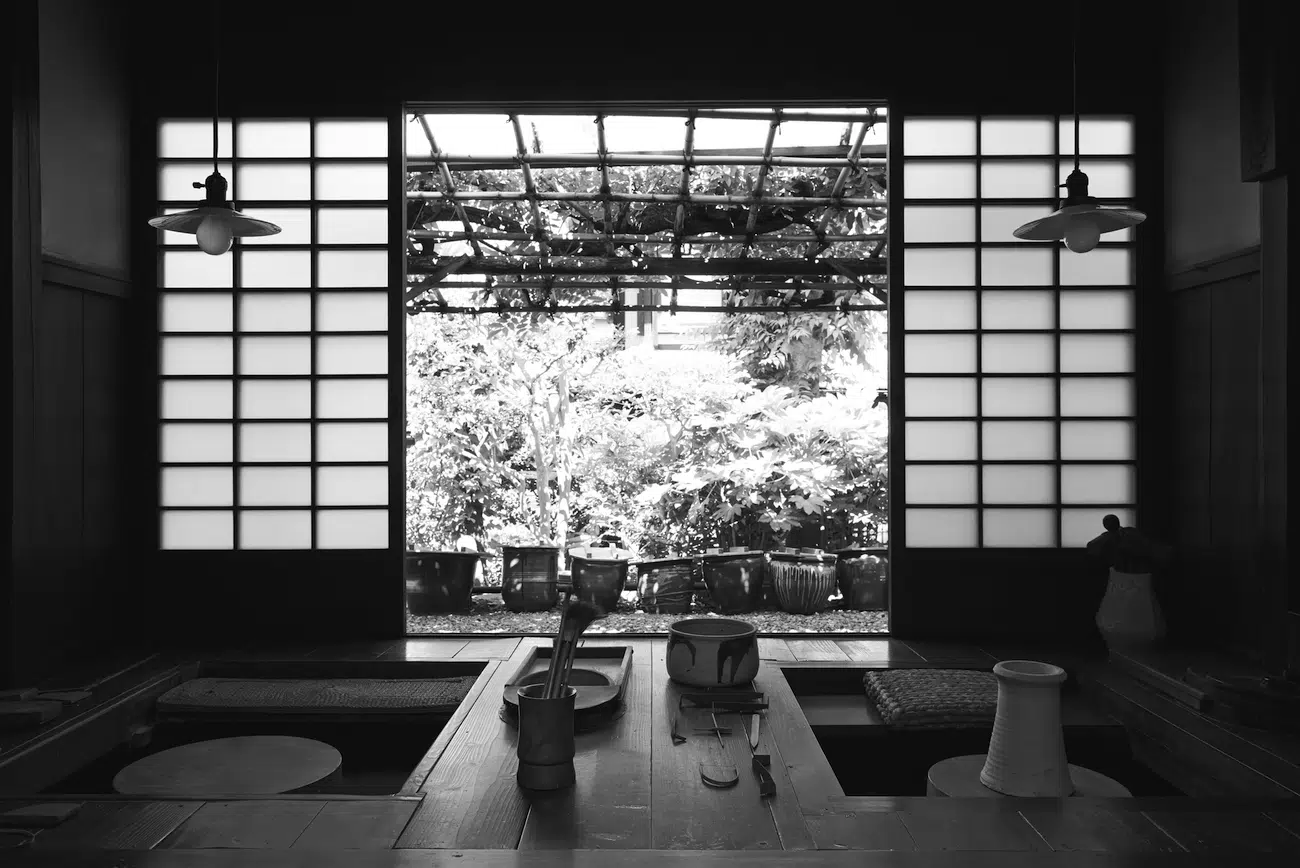
View of the studio inside the Kawai Kanjirō House (Photo: Kawai Kanjirō House)
Exhibition Information:
Kawai Kanjirō
House to House
March 10–May 10, 2026
Japan Society
333 East 47th Street New York, NY 10017
Japan Society: Website | Instagram
Quotes have been edited for clarity and length. My Modern Met granted permission to feature photos by the Japan Society.
Related Articles:
Japanese Artist Celebrates Their Rescue Cat With Endearing Traditional-Style Paintings
Takashi Murakami Reinvents Japanese Art History in Upcoming Gagosian Exhibition
Paper Quilling Artist Reimagines Japanese Art With Colored Paper and Gold Leaf