May 19, 2019

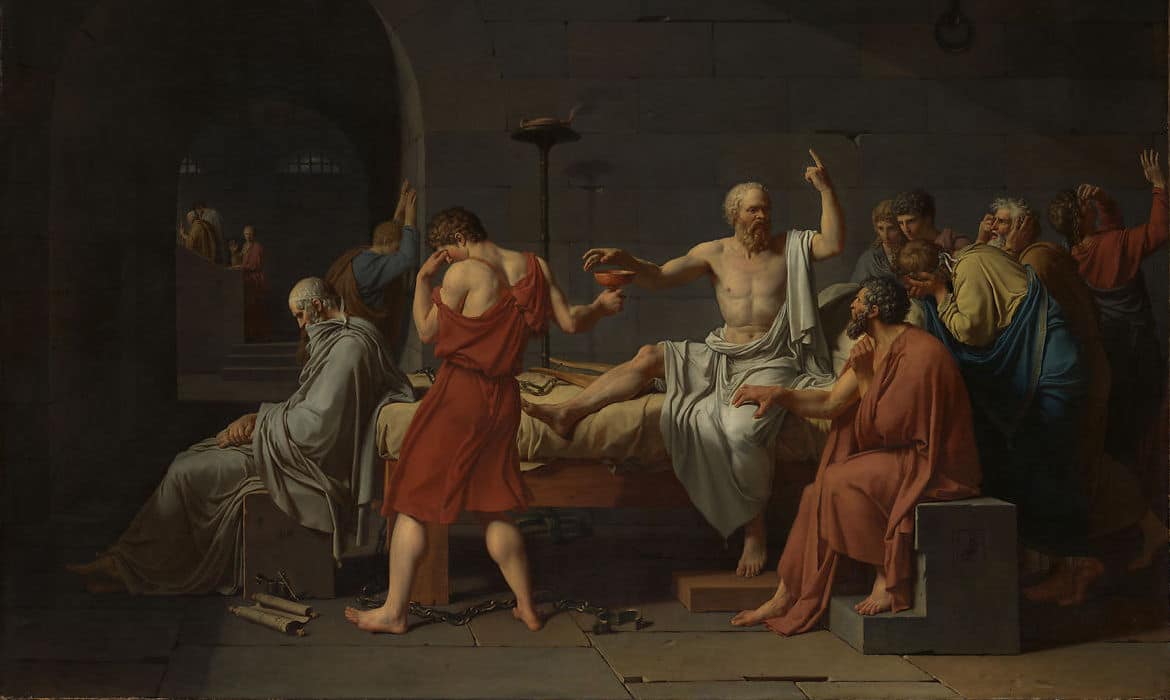
How David’s ‘Death of Socrates’ Perfectly Captures the Spirit of Neoclassical Painting

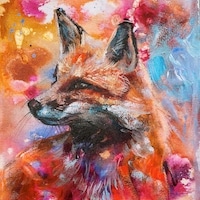
In the middle of the 18th century, several styles dominated Europe's artistic tastes. In France, the frivolous Rococo genre was taking shape, and Baroque art was well-established across the continent. While both of these popular periods can be characterized by an interest in extravagance, not all 18th-century art shared this sentiment. In fact, Neoclassical artists like Jacques-Louis David had the opposite approach to painting, as typified by his subdued masterpiece, The Death of Socrates.

Read Article


May 17, 2019

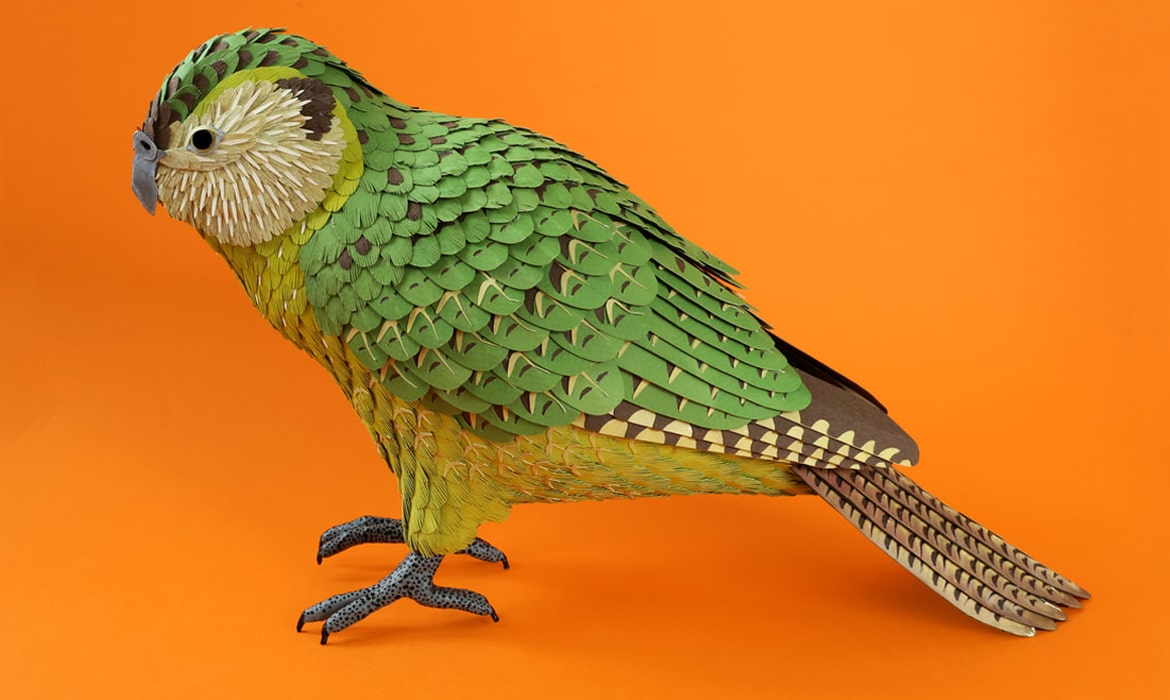
This Amazing Artist Recreates Exotic Birds as Lifelike Paper Sculptures

Artist Diana Beltran Herrera pays homage to all types of birds by meticulously rendering our feathered friends as paper sculptures. For years, we have marveled over her ability to translate birds' beautiful plumage and their majestic wingspans into faux creatures who, at first glance, look like the real thing. Herrera’s lifelike paper flock features birds of all shapes and sizes, from the majestic salmon-crested cockatoo to the fluttering violet-crowned woodnymph.

Read Article


May 16, 2019

Incredible Optical Illusion Bookstore Looks Like a Real-Life M.C. Escher Painting

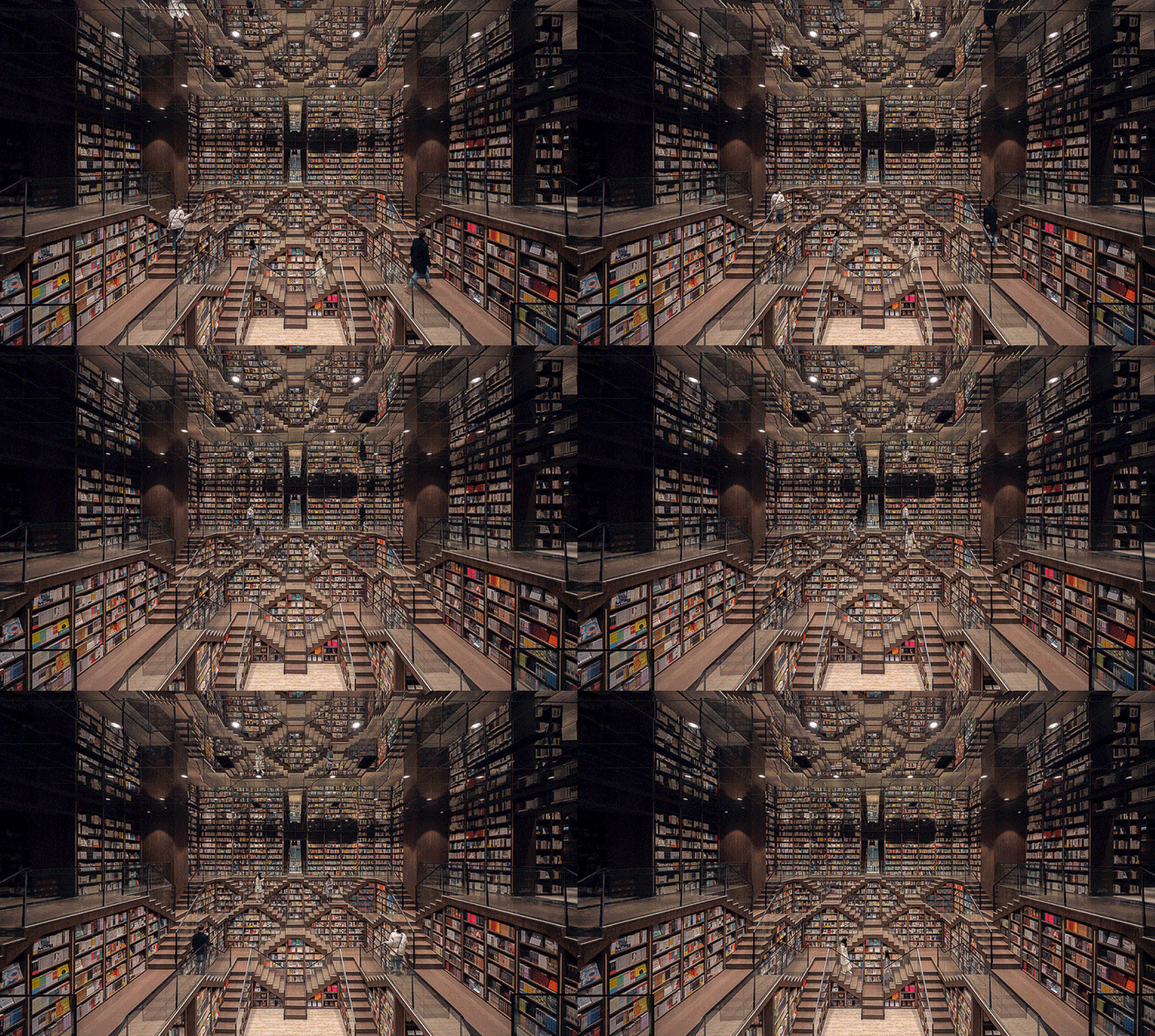
Shanghai-based architectural design firm X+Living has once again made waves with a stunning bookstore interior. By relying on optical illusions, they've transformed the Zhongshuge Bookstore in Chongqing into a mind-bending environment straight from the movie Inception. Using mirrors and staircases, the “ladder hall” is a reflective maze that cleverly houses bookcases in the steps. As visitors move about the space, they are brought into a surreal, never-ending adventure created by the optical illusion.
Read Article


May 15, 2019

These 400-Year-Old Rings Unfold to Reveal Astronomical Spheres

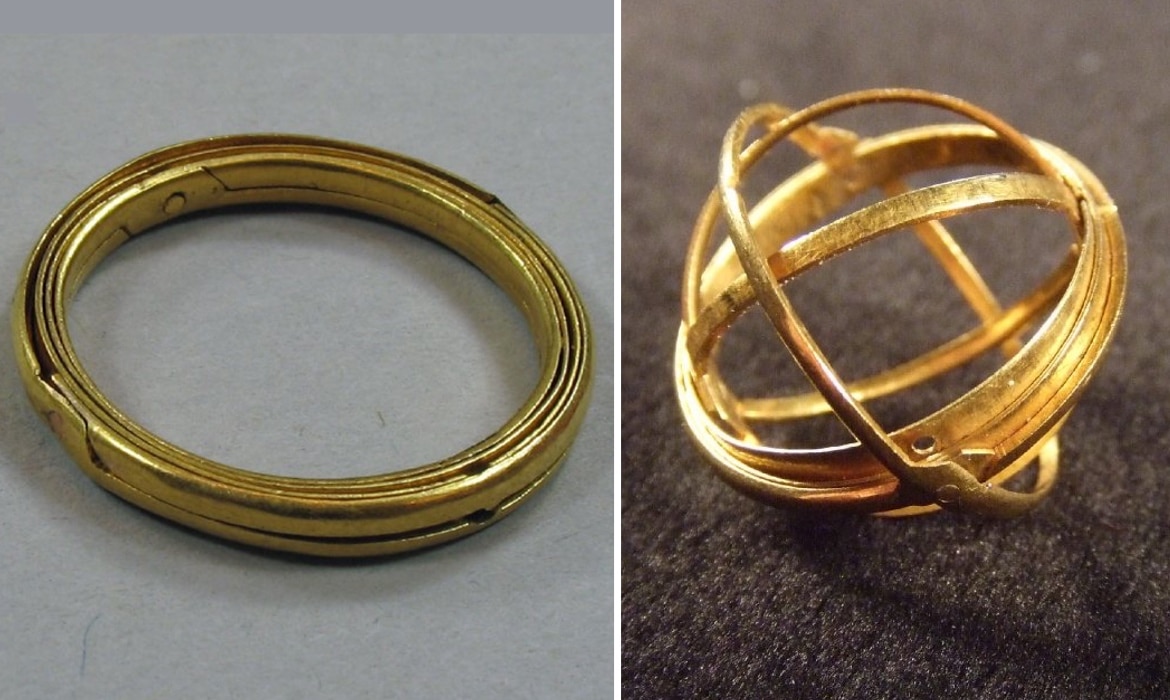
What if you could wear the entire universe on your finger? Since ancient times, astronomers around the world have used models of the sky to make calculations. With the advent of the armillary sphere, stargazers were given a physical model to better visualize the lines of celestial longitude and latitude. Created independently in ancient Greece and ancient China, these armillary spheres consisted of spherical rings centered on either the Earth or the Sun.

Read Article