Resources

March 13, 2026

Met Museum Now Lets You Explore 3D Scans of Over 100 Objects From Its Collection

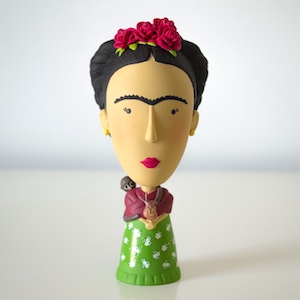
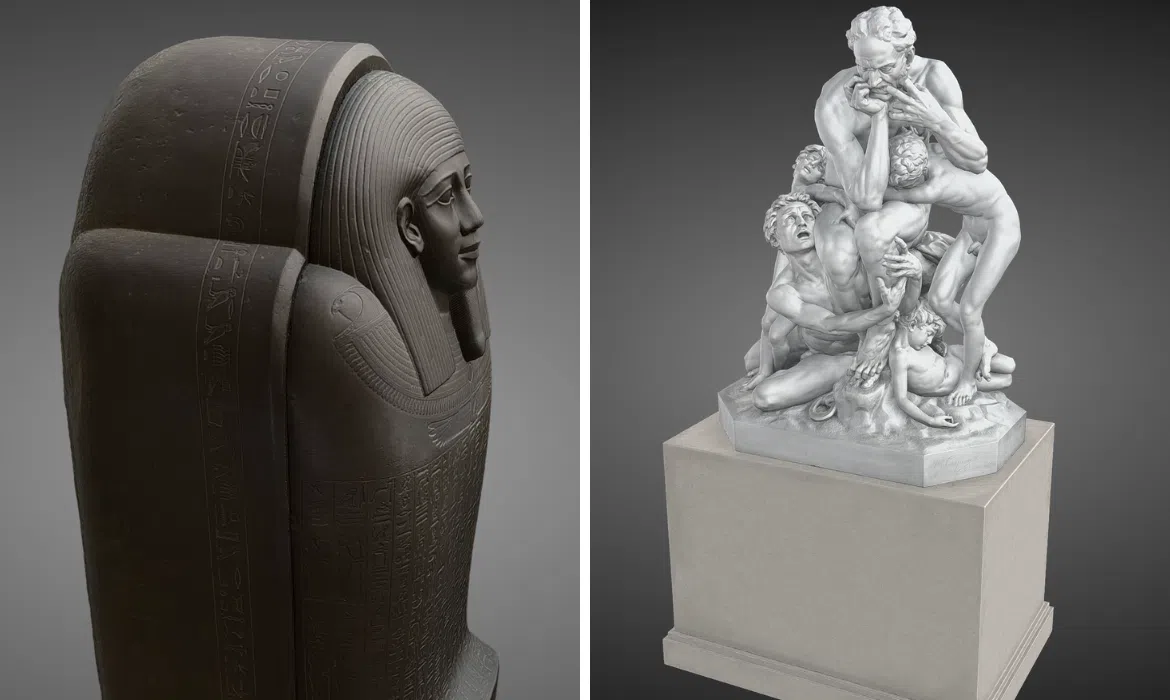
As part of its Open Access initiative, the Metropolitan Museum of Art in New York has published more than 100 high-definition 3D scans of art historical objects. These models have been carefully curated from the museum’s collection, which encompasses some 1.5 million works across media such as sculpture, painting, textiles, jewelry, calligraphy, and more.

Read Article


November 18, 2025

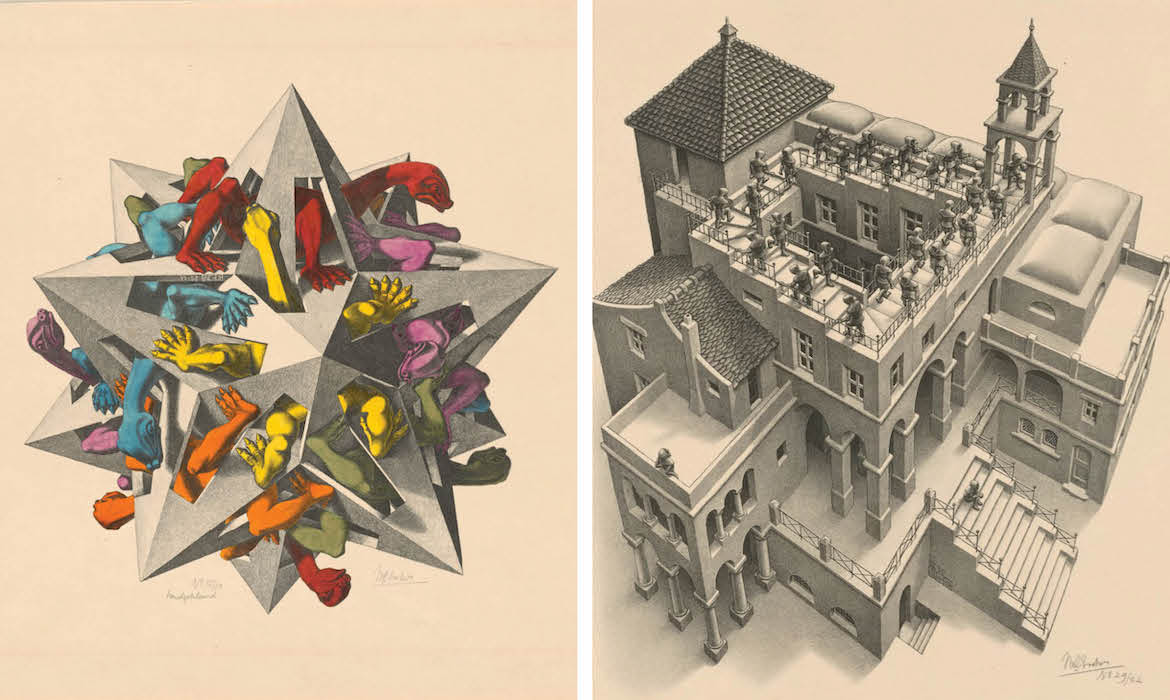
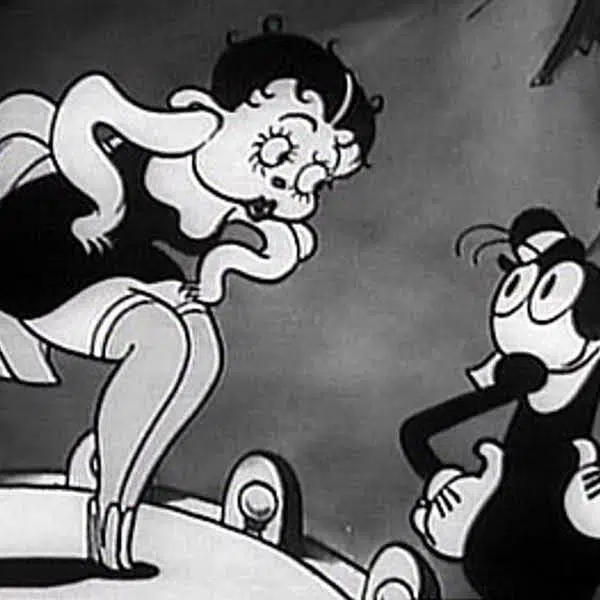
Spellbinding M.C. Escher Prints Are Now Available Online
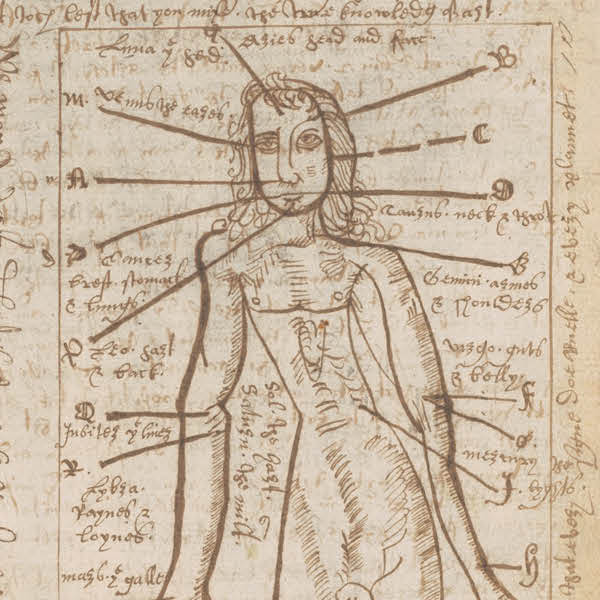
For most of his life, M.C. Escher was largely overlooked by the art world. This can perhaps be attributed to the Dutch artist’s singular—though idiosyncratic—style, which was rooted in mathematics, optical illusions, geometry, and so-called “impossible objects.” But, for those very same reasons, he also attracted wide popular interest beyond art institutions, a reputation that has solidified him as one of the greatest graphic artists of the 20th century.

Read Article


August 26, 2025

Playful Children’s Book Serves as Early Tool for Detecting Color Blindness

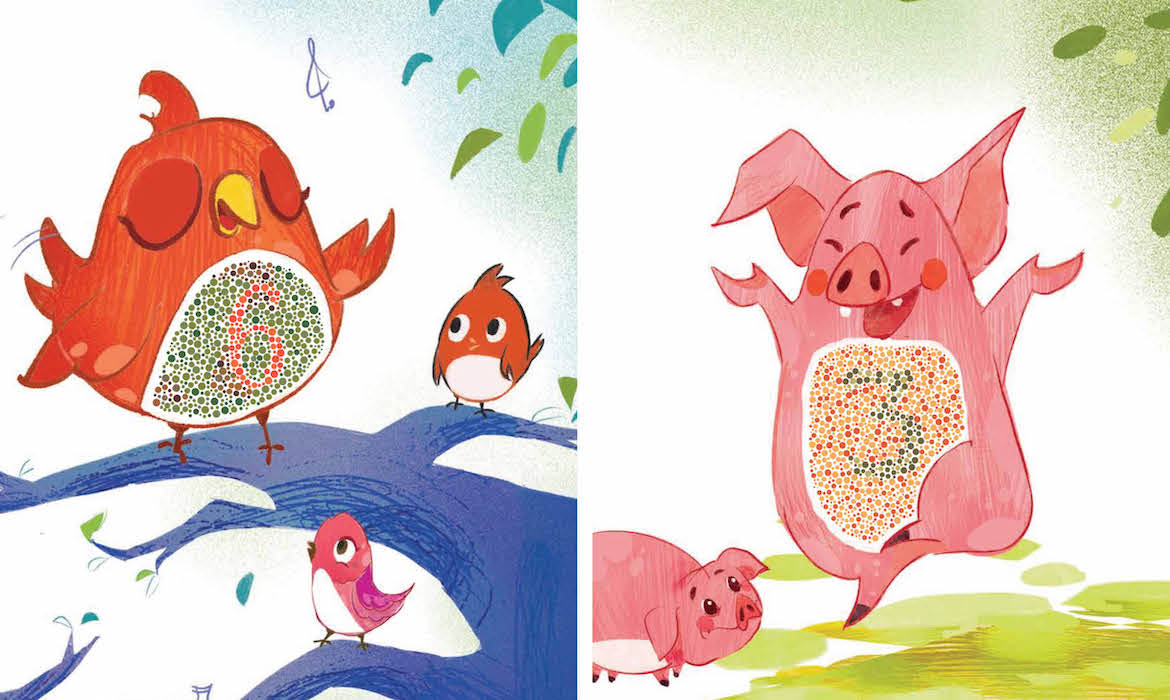
It’s estimated that there are about 300 million people with color blindness around the world. Despite the significant population with the condition, it can be difficult—and costly—to diagnose, especially in young children. But Navneet Education, one of India’s largest schoolbook publishers, may have found a solution that doesn’t break the bank. Published earlier this spring, Navneet’s Color Blindness Detection Book serves as a cost-free and discreet resource to screen for color vision deficiencies in children.

Read Article


July 30, 2025

Over 2,100 Illustrations From Charles Dickens Novels Now Available in Online Archive

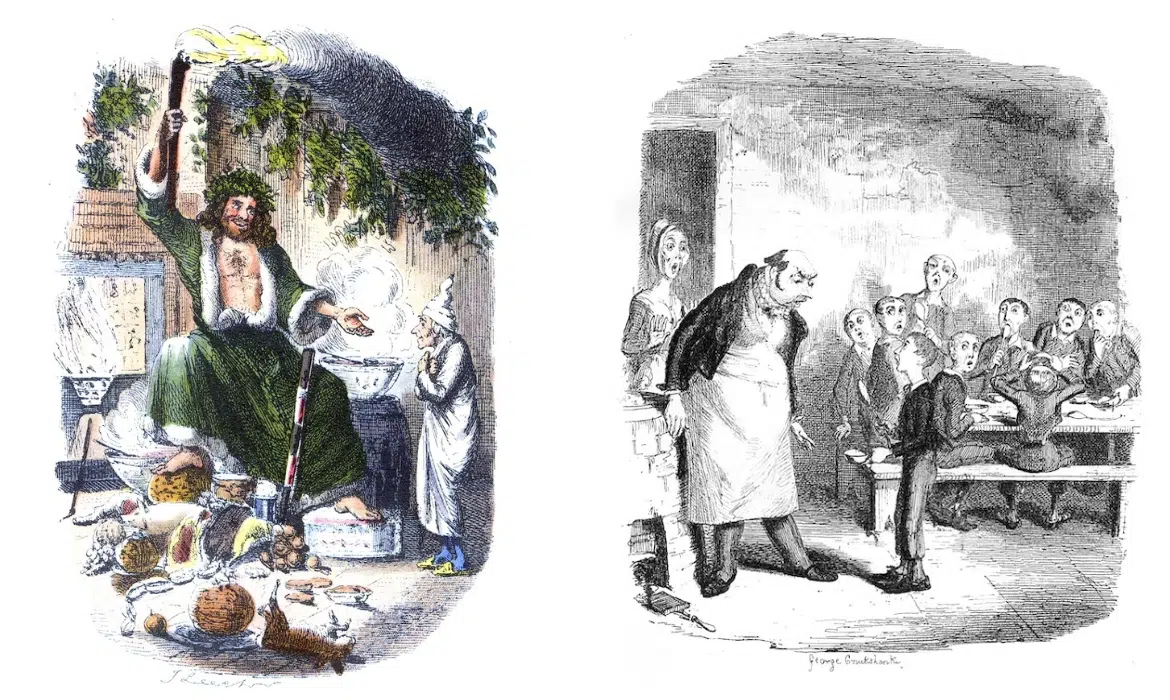
When you think of “Dickensian literature,” foggy alleyways, forlorn orphans, or grotesque villains may come to mind. That’s due in part to the influence of illustrations meant to aid 1800s readers in envisioning the scenes, characters, and emotions. Charles Dickens was deeply committed to these illustrations, which would portray characters, scenes, and emotions to his readers. Dickens consulted heavily with his artists and sometimes revised his writing to better match the vision of the illustration.

Read Article