From oat to almond to soy, there are more alternatives to cow’s milk than ever before. But scientists are exploring another option that is a little different from the plant-based milks already lining grocery store shelves. Using a process known as precision fermentation, researchers can produce the same proteins found in dairy milk, but without the need for a cow.
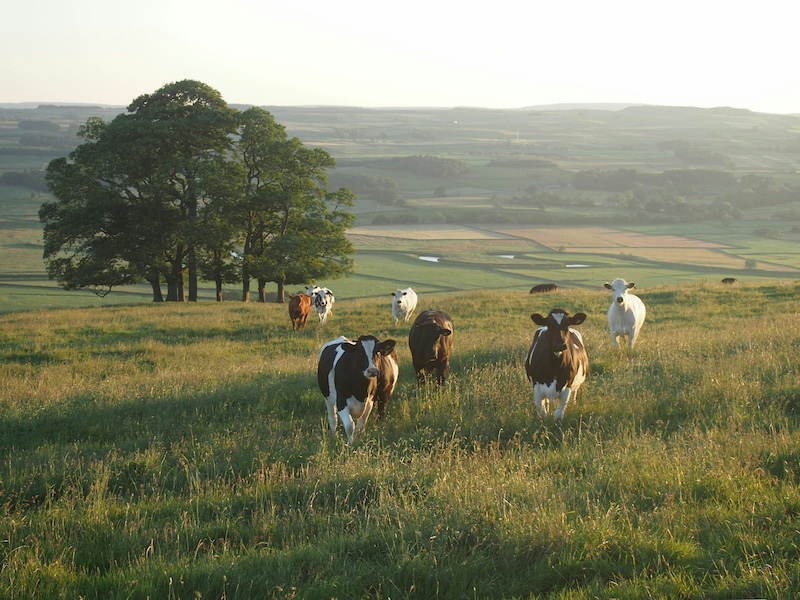
There was a new study from researchers at Imperial College London which suggests that producing milk this way could have significant environmental benefits, and cut out the need for animals in the production of dairy milk. According to their estimates, precision-fermented milk could use up to 96% less land than conventional cow’s milk.
Precision fermentation is a milk that uses genetically engineered microorganisms, such as yeast or bacteria, to produce specific ingredients. The microbes are given the genetic instructions to make proteins found in milk and are then grown inside bioreactors, where they convert a sugar-based feedstock into the desired protein. The effect is a milk made without animals, that tastes exactly the same as dairy milk.
Although it may sound futuristic, the basic technology is far from new. Precision fermentation has been used in food production for decades, including to make chymosin, an enzyme commonly used in cheesemaking. More recently, companies have begun using the technique to produce proteins traditionally sourced from milk and eggs.
For their study, researchers focused on what widespread adoption of the technology could mean for land use in the United Kingdom. They calculated the land required to produce precision-fermented milk and compared it with the pasture and cropland necessary to raise dairy cows and grow their feed. They found that even replacing a fraction of conventional dairy could make a sizable difference, estimating that replacing 20% of the UK’s cow’s milk production with precision-fermented milk could free approximately 859,000 hectares (about 2.1 million acres) of land by 2050.
If precision fermentation could replace all UK-produced cow’s milk, an estimated 4.29 million hectares (10.6 million acres) could be released, which is roughly comparable to mainland Denmark. That land could potentially be put toward other environmental goals, including restoring forests and peatlands, rewilding, or growing other food. The researchers point out that this could be particularly useful as countries attempt to balance food production with increasingly ambitious climate and biodiversity targets.
There are still plenty of questions to answer before cow-free dairy could be produced at such an enormous scale, and the researchers acknowledge that more study is needed to fully understand precision fermentation’s land requirements and other environmental impacts. Still, their findings offer a glimpse of how technology could reshape something as commonplace as a glass of milk. Rather than asking consumers to give up dairy proteins altogether, precision fermentation could one day provide many of the same ingredients while requiring dramatically less land to produce them.
Researchers estimate that milk made using precision fermentation could require up to 96% less land than conventional cow’s milk.
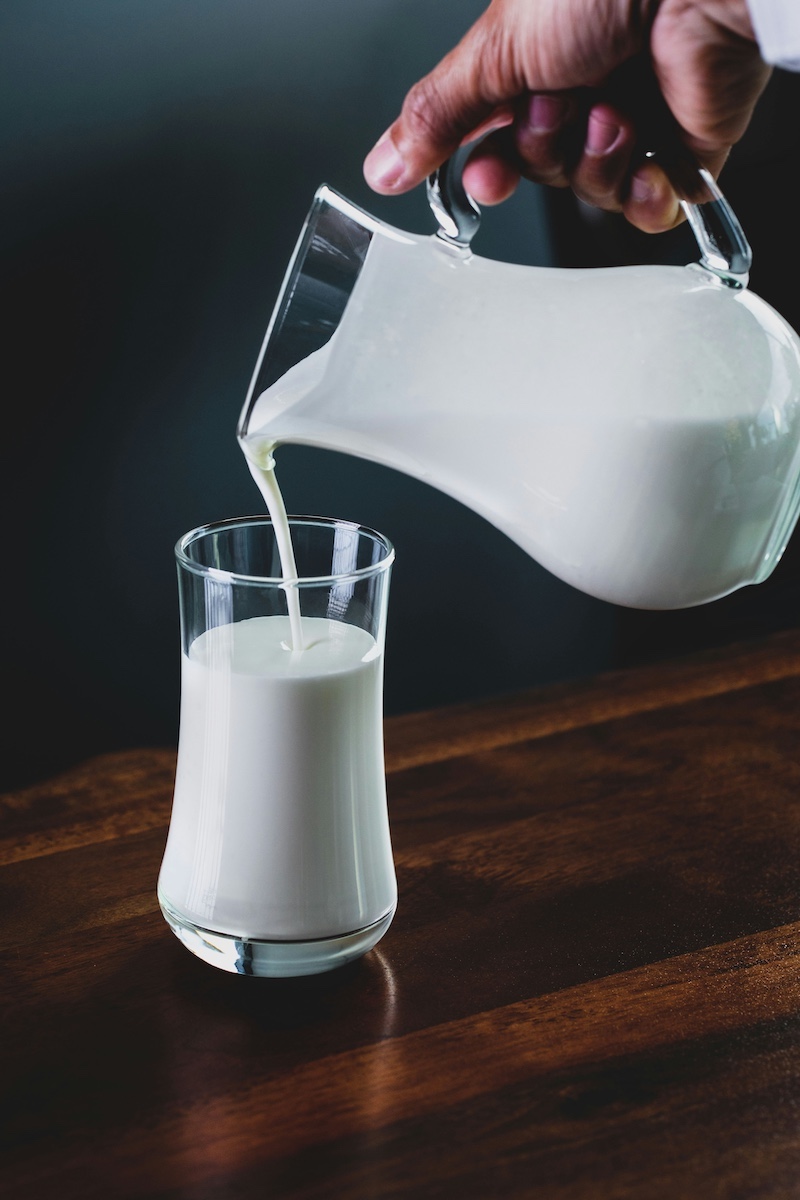
If all UK cow’s milk production were replaced, researchers estimate that 4.29 million hectares of land could be released for uses such as rewilding, forest restoration, or food production
Source: UK land use implications of replacing dairy farming with precision fermentation
Related Articles:
You Can Cuddle Some Cute Cows at This Unique Sanctuary in Hawai’i
Enormous Solar Farm Will Replace Former Coal Plant in Pennsylvania
Scientists Discover Cow Using Tools and It’s Redefining What We Know About Animal Intelligence