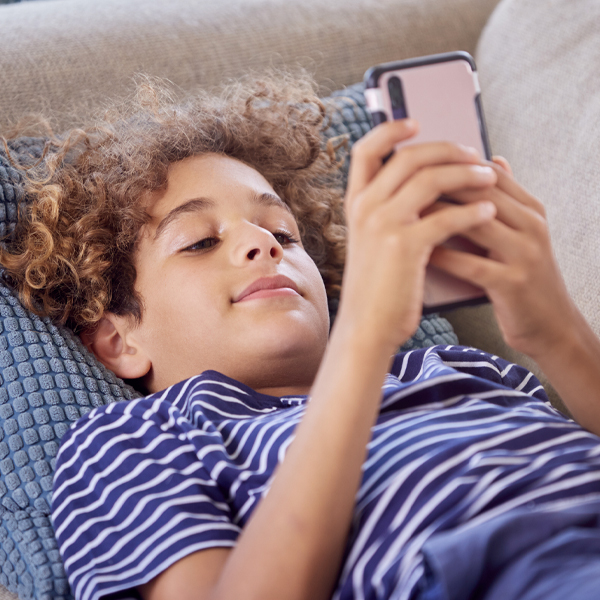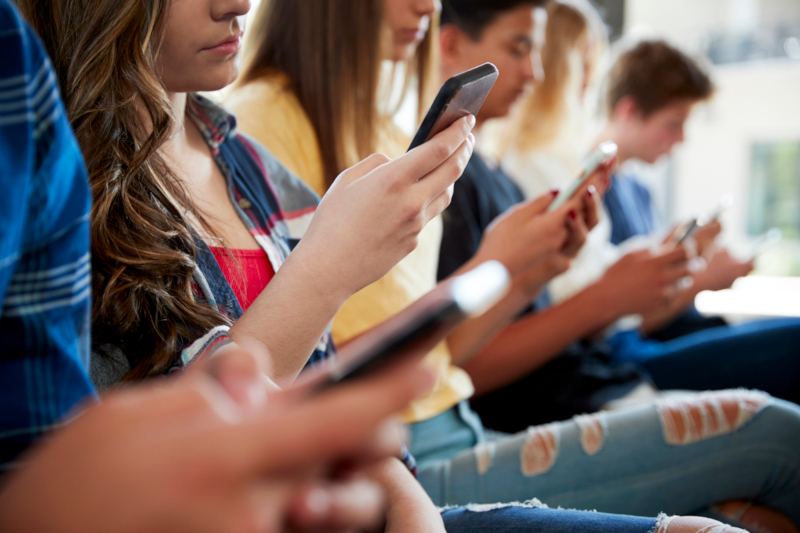
South Korea is one of the most digitally connected countries in the world, as 98% of its habitants own a smartphone. This includes its younger population, with children as young as 6 to 8 years old using these devices. Concerned about how their screen time can affect their mental health and academic performance, lawmakers have passed a bill to ban the use of mobile phones in schools nationwide.
The new law will forbid students from using phones in elementary and middle schools, except during emergencies and for determined educational and health purposes. While it only bans their use during class hours, it gives educators the power to stop students from carrying their phones on school premises. The ruling will take effect in March 2026, with the start of the school year.
Although South Korean schools had limited the use of smart devices since 2023 under restrictions issued by the education ministry, it will now be illegal—a ruling parents and school authorities had been pushing for years. The law doesn’t outline punishments for those who break the rules, but also makes a point to instill healthy digital habits among students.
Other countries have created similar restrictions, although South Korea is one of the few to turn it into a law. The Netherlands also implemented a ban on phones in 2024, resulting in “less distraction, more attention to the lesson, and more social students,” per a study commissioned by the government. In England, 99.8% of primary schools and 90% of secondary schools have established some kind of restriction. Australia has taken a different but more sweeping approach, passing a ban on social media for teenagers.
The South Korean bill has been met by some with skepticism—not only from students, but also from youth rights activists and even some teachers. Many don’t see phones as the root of anxiety or underperformance for these students. Instead, they pinpoint the stress put on them by the competitive college entrance exam that looms over them from the start of their education. Additionally, there is the ever-shrinking availability of a third place—a place separate from their first place (home) and second place (work/school); a place for gathering, socializing, and building a sense of community.
“Although they can already restrict the use under the existing regulations, they want to write it down in law, directly infringing upon students’ basic constitutional rights, such as freedom of communication and rights to keep privacy and pursue happiness,” Youth Action, a conglomerate of student rights associations, say in a statement. “Defining students’ use of smart devices as ‘harmful behavior’ across the board is a dangerous approach that treats students as objects of control and discipline, rather than respecting them as citizens capable of independent thought and judgment.”
Sources: South Korea bans phones in school classrooms nationwide; South Korea Outlaws the Use of Smartphones During Class; South Korea to ban mobile phones in school classrooms; Study finds smartphone bans in Dutch schools improved focus; Australia widens teen social media ban to YouTube, scraps exemption
Related Articles:
South Korean Grandmas Help Save Schools in Areas With Low Birthrates by Enrolling in Class
Oil Paintings Explore the Childhood Experience of Going Back to School
Over 90% of Schools in England Have Banned Mobile Phone Use
Princess Isabella of Denmark Breaks Protocol in “Gen Z” Royal Portrait Where She’s Holding Her Phone