Endangered Animals

October 1, 2026

Indigenous Women Mix Tradition With Tech To Help Save a Threatened Turtle Species in the Amazon

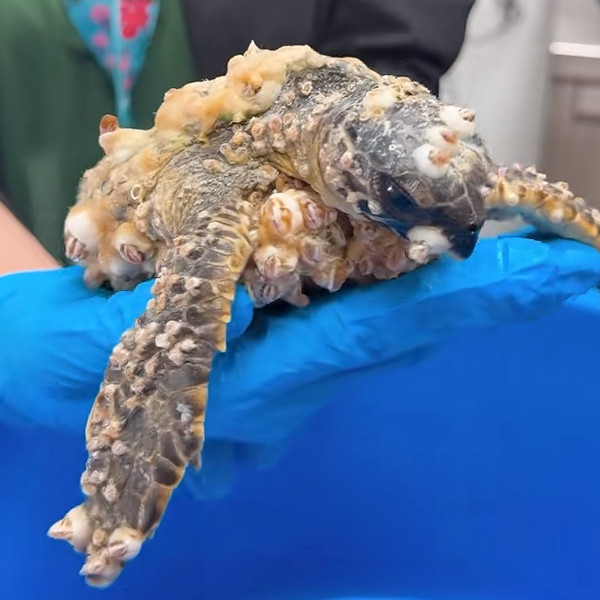
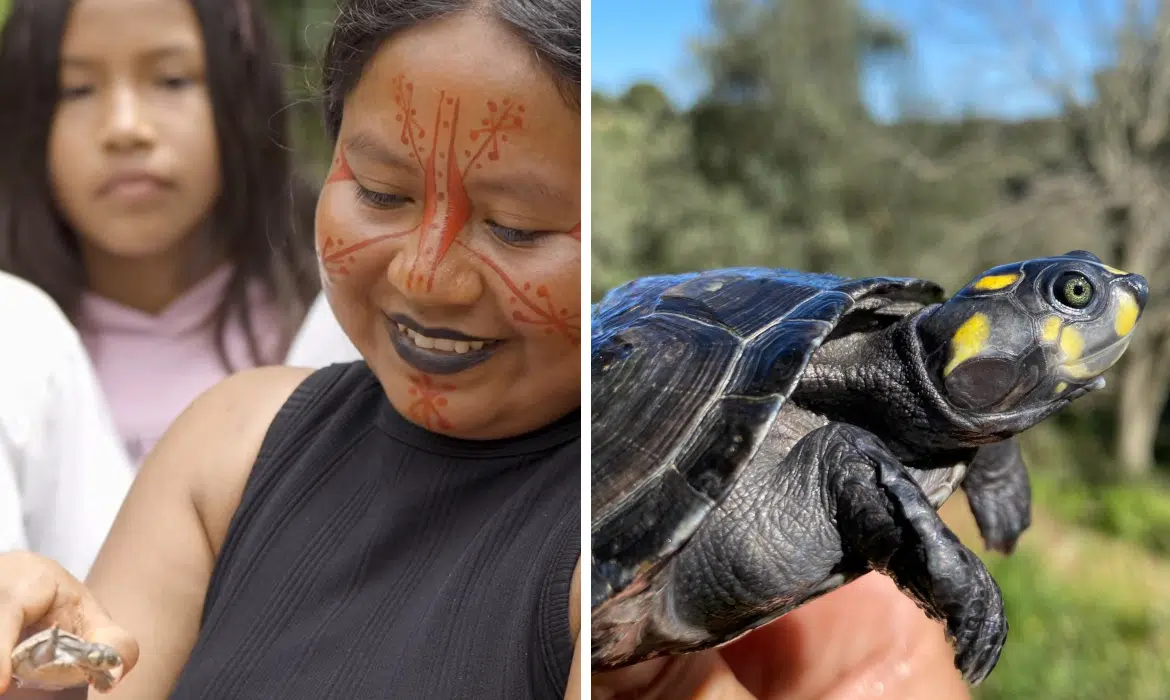
To the Siekopai, an Indigenous people living in the Ecuadorian Amazon rainforest, the wide-eyed charapa turtles represent a connection between the tangible and the spiritual worlds. That’s why they all carry the protection of Koouwajëo, a deity considered the mother, chief, and ancestral guardian of the turtles. Sadly, their populations have been decimated due to various human actions, including pollution and hunting.


Read Article


July 29, 2026

Last Circus Elephant in Portugal Becomes First Resident of New Animal Sanctuary

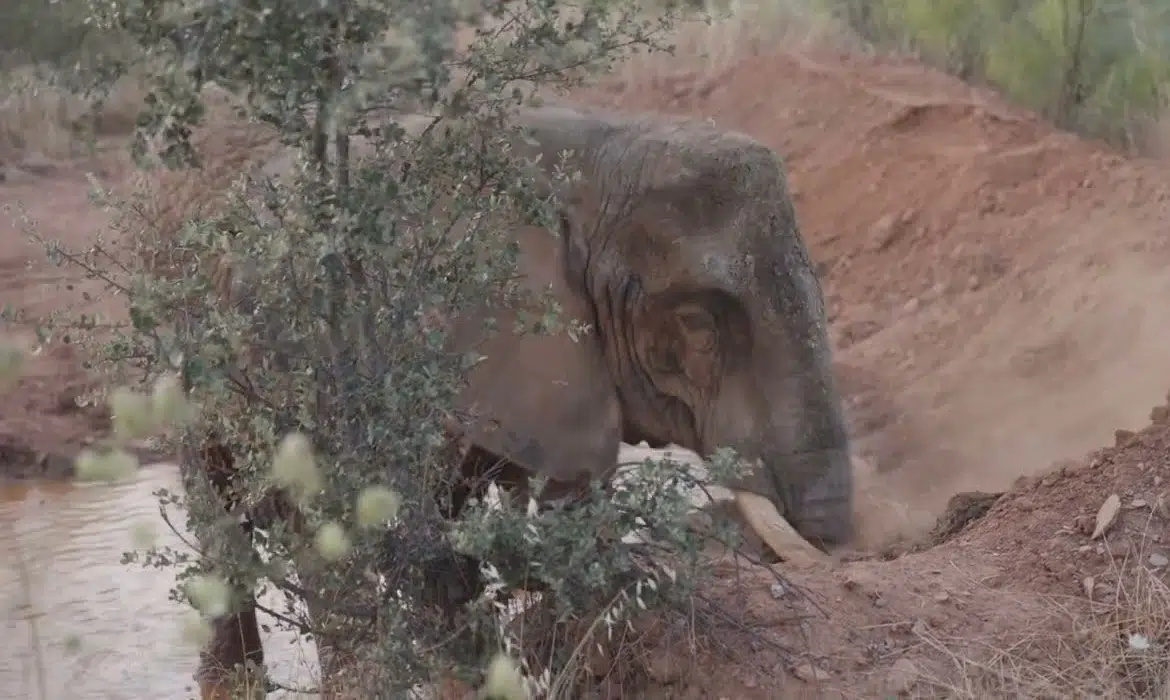
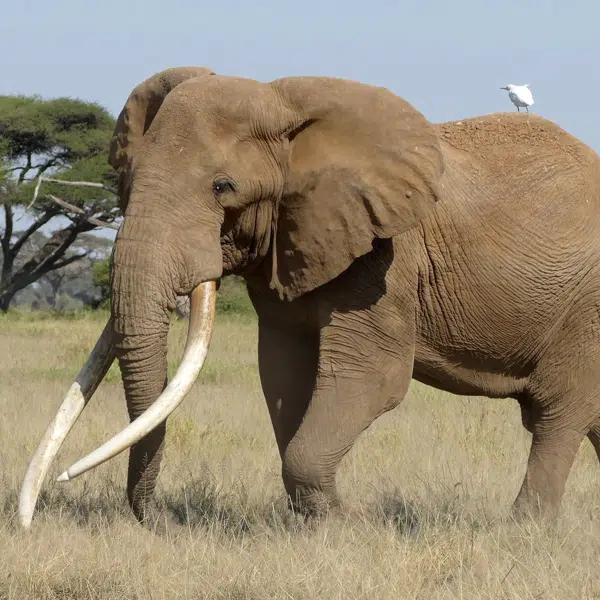
In 2018, Portugal banned wild animals in circuses under a law that fully took effect in 2024. With that, Julie, Portugal’s last circus elephant, was retired from performance. Circo Víctor Hugo Cardinali, which was in possession of Julie, reached an agreement with Pangea Trust, a new sanctuary in Alentejo, Portugal, devoted to giving a forever home to elephants in need, which will be welcoming her. Now, Julie has become the sanctuary’s first resident.

Read Article


June 23, 2026

Europe’s First Elephant Sanctuary Offers a New Home for Former Circus and Zoo Animals

Over 600 elephants are currently living in captivity across Europe, but until recently the continent had no suitable sanctuaries to safely rehome these endangered animals. Fortunately, that’s about to change with the opening of a groundbreaking new sanctuary in Portugal’s Alentejo region called Pangea. It will be the first of its kind in Europe dedicated to providing a protected haven for elephants rescued from captivity.

Read Article


March 10, 2026

Warming Oceans May Be Causing One Whale Species To Have Fewer Calves

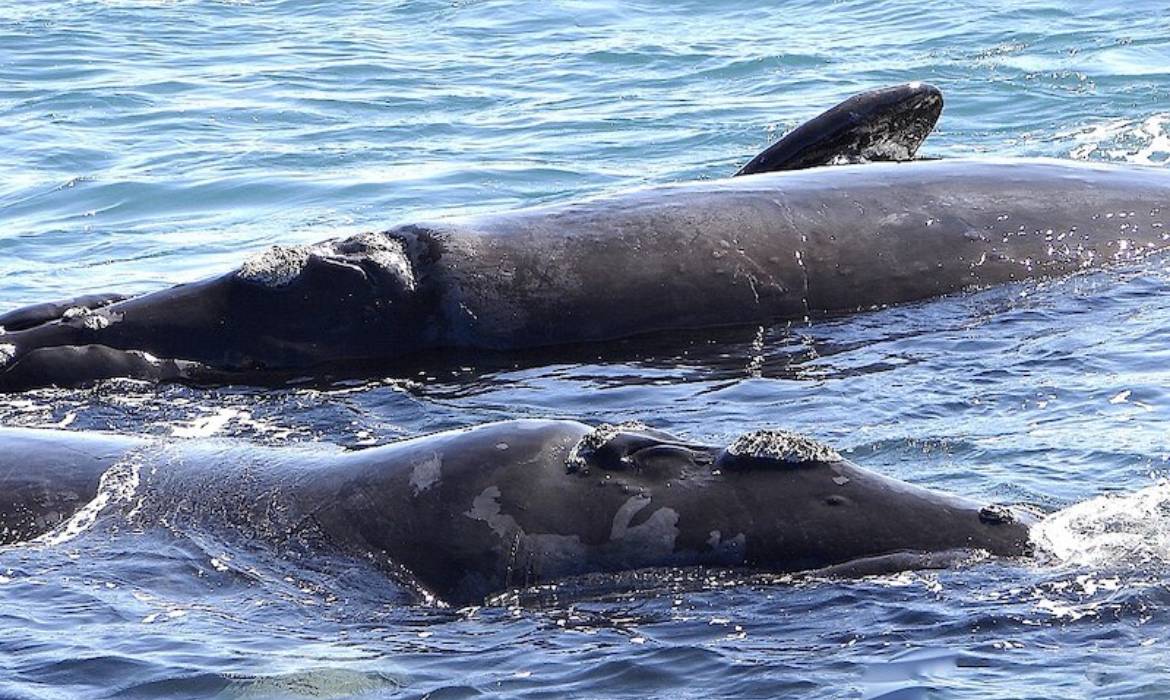
After centuries of commercial whaling pushed them to the brink of extinction, the population of southern right whales has slowly begun to recover. However, new research suggests that climate change may now be affecting that progress. Scientists have discovered that warming oceans are associated with a decline in the number of calves born to these massive marine mammals. Southern right whales reproduce slowly under normal conditions, with females historically giving birth every three years.

Read Article