Art History

March 1, 2025

Discover the Self-Taught Genius of Leonardo da Vinci

Although born out of wedlock—the son of a Florentine notary and his peasant mother—and sharing his childhood with 16 half-siblings from his parents' respective families, Leonardo da Vinci became one of history's most celebrated painters and engineers. One might assume that a man whose conceptual designs inspired inventions like the parachute, the machine gun, and the armored tank must have studied at a renowned academy or received advanced scientific training.
Read Article


February 18, 2025

Michelangelo’s Rarely Seen Sistine Chapel Sketches Are Coming to the U.S.

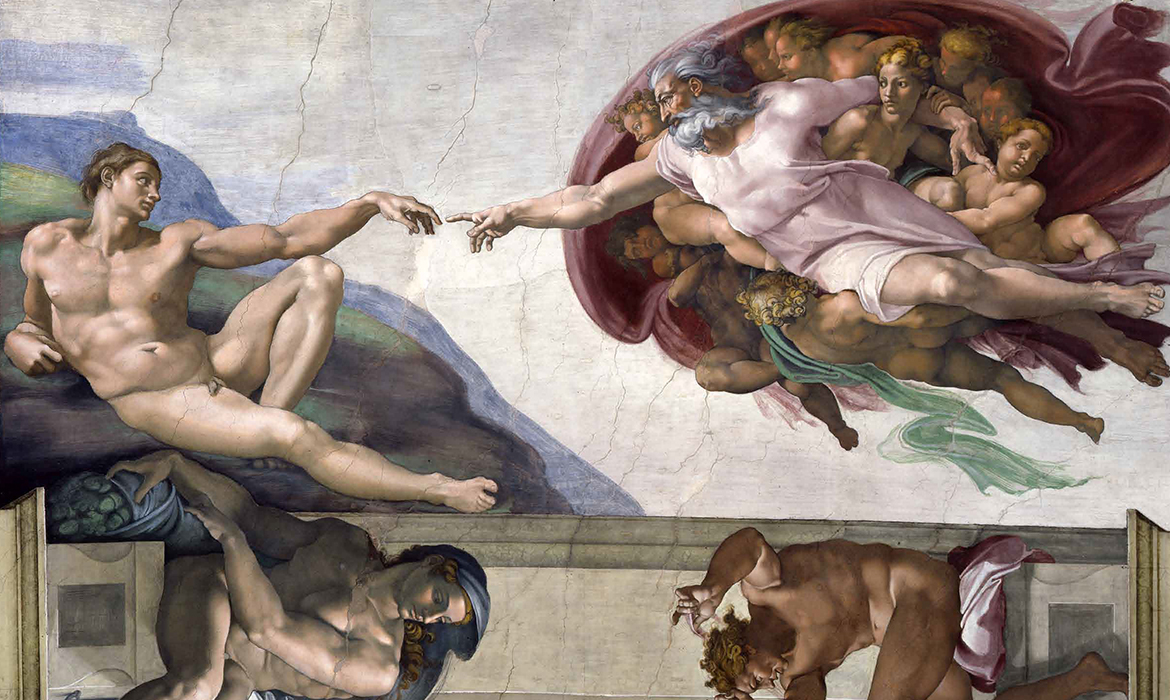
Michelangelo, one of the greatest artists of the High Renaissance, created some of the most iconic sculptures, paintings, and drawings in history. His most famous masterpiece—the breathtaking frescoes on the Sistine Chapel ceiling—required months of careful planning. Michelangelo made countless drawings in preparation of the monumental project, and now, some of those initial, rarely seen sketches will be on display at Muscarelle Museum of Art in Williamsburg, Virginia.
Read Article


February 6, 2025

Researchers Uncover Previously Unknown Portrait Beneath Iconic Titian Painting

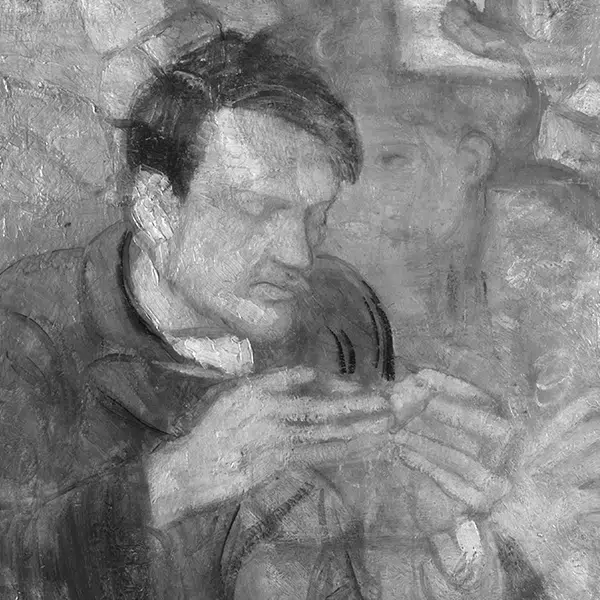
In his painting Christ Shown to the People (or Ecce Homo), Titian conjures a brutal scene. Beneath the eerie glow of a torchlight, Pontius Pilate, the Roman ruler of Judea, presents Jesus to the unseen crowd who will decide his fate. Researchers in Cyprus, however, have recently discovered the Titian painting is more than simply a religious narrative: it’s also a puzzle, bearing a portrait hidden beneath layers of paint.

Read Article


January 1, 2025

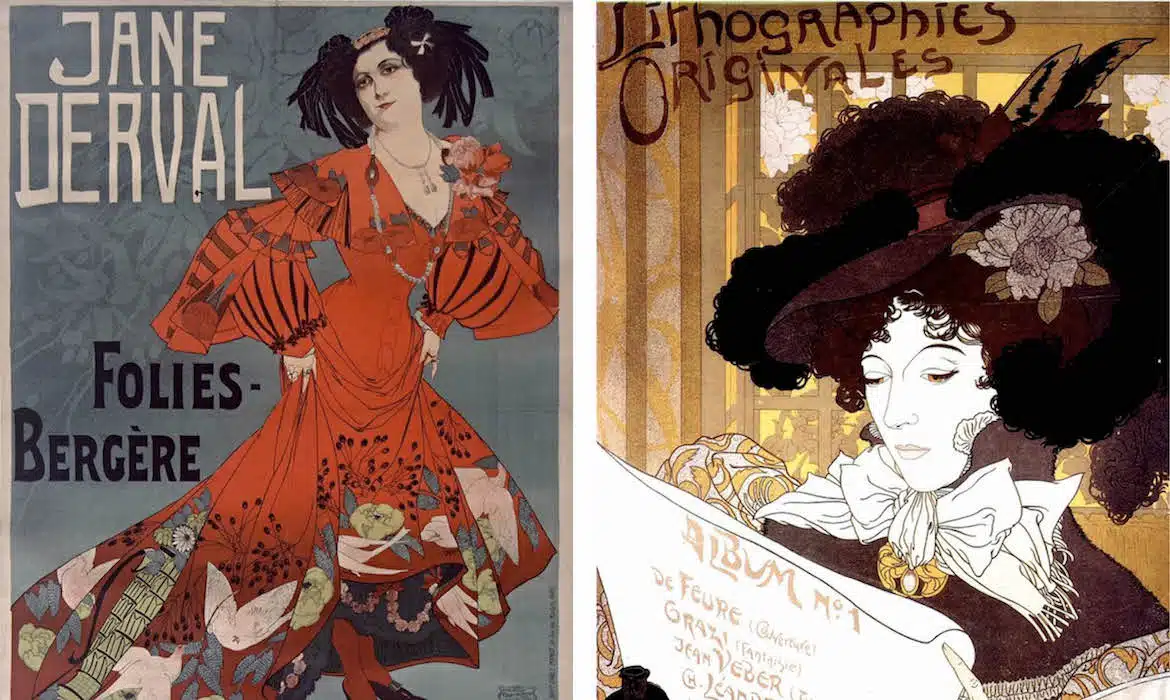
Posters by Georges de Feure Reveal the Beauty of Art Nouveau Lithography

In the late 19th century, art underwent several radical transformations. Movements ranging from Post-Impressionism to Fauvism aimed to challenge artistic conventions, especially those rooted in realism, academicism, and the separation between production methods. Art Nouveau is one of the most prominent examples of these impulses. It preferred sinuous curves and an attention to decorative and naturalistic elements. It also introduced printmaking as an artistic medium, a favorite of the French artist Georges de Feure.

Read Article