Art History

February 9, 2018

Exploring the Major Contributions of the Lesser-Known ‘Northern Renaissance’

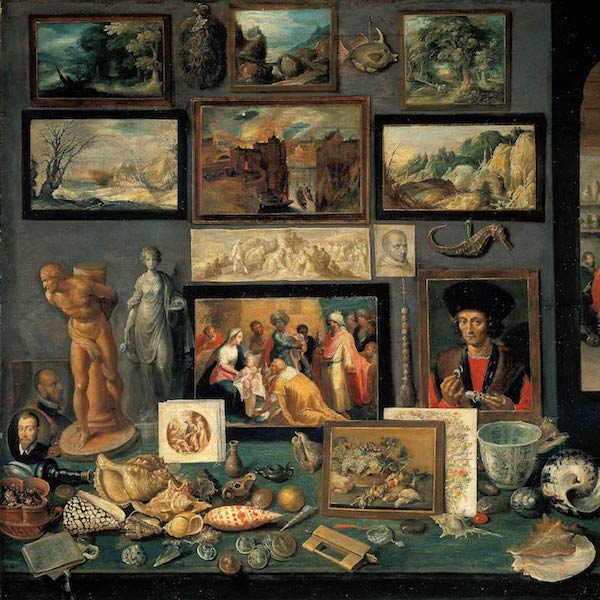
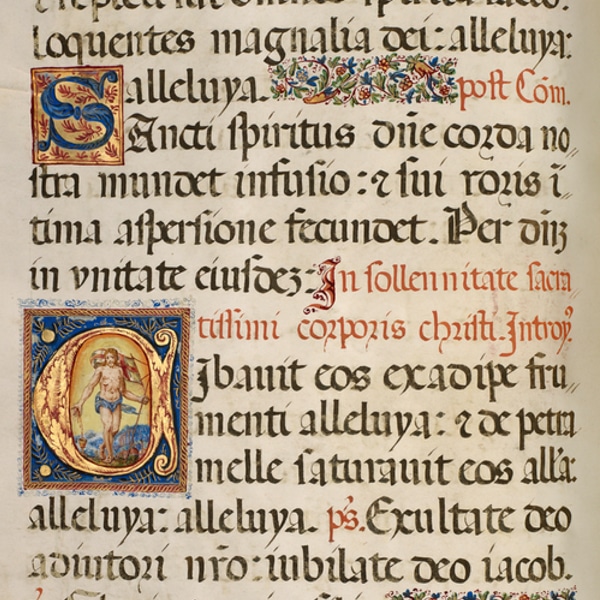
In the 15th century, artistic tastes throughout Europe started to shift. This change resulted in a period known as the Renaissance, a 300-year “golden age” of enlightenment. To many people, this piece of European art history is often only associated with masters of the Italian Renaissance, like Michelangelo, Leonardo da Vinci, and Sandro Botticelli. However, this transformation touched many countries across the continent, culminating in a separate but simultaneous movement known as the Northern Renaissance.

Read Article


January 28, 2018

Meet William Morris: The Most Celebrated Designer of the Arts & Crafts Movement

Elegant swirls of vines, flowers, and leaves in perfect symmetry, William Morris’ iconic patterns are instantly recognizable. Designed during the 1800s, Morris’ woodblock-printed wallpaper designs were revolutionary for their time, and can still be found all over the world, printed for furniture upholstery, curtains, ceramics, and even fashion accessories. But do you know the history of how they came to be?

Read Article


January 18, 2018

How the Pioneers of Pointillism Continue to Influence Artists Today

Neo-Impressionists Georges Seurat and Paul Signac pioneered a painting technique, dubbed Pointillism, that was revolutionary for its time. Bored of traditional paintings, artists of the era were searching for new ways to make “impressions” of landscapes and day-to-day life. Seurat and Signac looked to science for inspiration, and discovered how to trick the eye into seeing more in a painting than the sum of its parts: an arrangement of colored dots.
Read Article


January 13, 2018

The Story and Inspiration Behind Claude Monet’s Iconic ‘Water Lilies’ Series

As the primary pioneer of Impressionism and a Modern Art master, Claude Monet is known for his distinctive style and iconic oeuvre. With an interest in capturing the fleeting effects of light on his subjects, the French artist often opted to paint en plein air—or “outside”—in his picturesque garden. Renowned for its Japanese influences, this manicured plot featured weeping willow trees, seasonal flowers, and, most famously, a network of water lilies.

Read Article