Sculpture

August 19, 2020

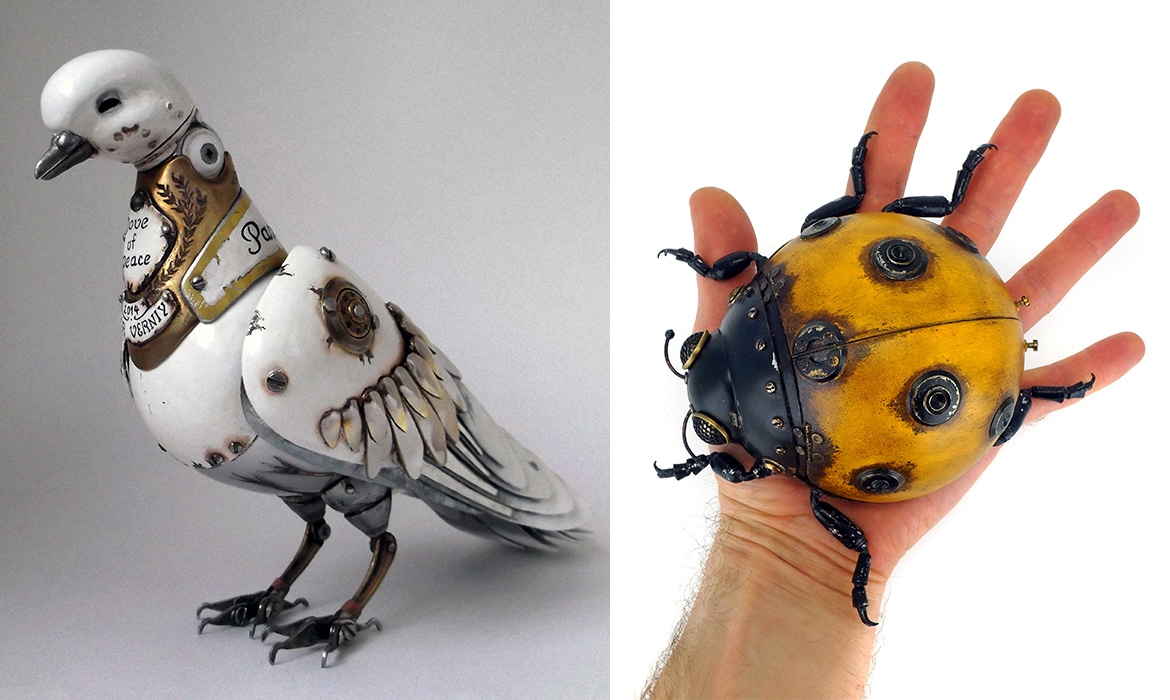
Artist Transforms Discarded Mechanical Parts Into Steampunk-Inspired Animal Sculptures

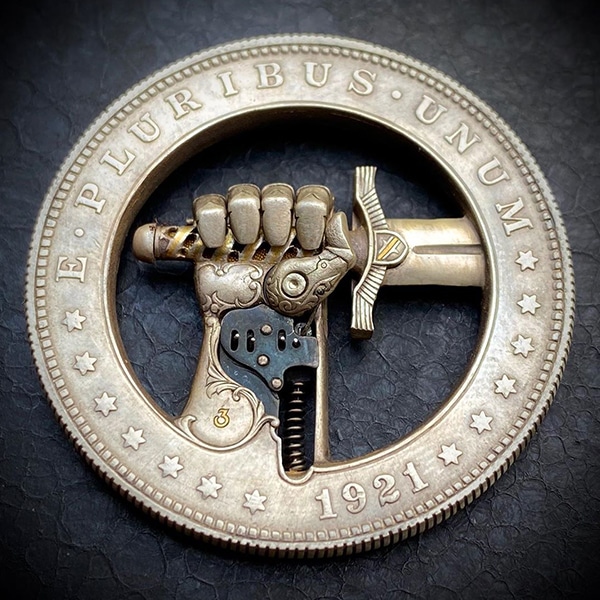
While most of us discard old and broken items, Russian artist Igor Verniy turns metal scraps into stunning steampunk-infused animal sculptures. Spanning a myriad of species from birds and mammals to reptiles and insects, Verniy's impressive models are hand-assembled from old car parts, watches, electronics, and more. “My love of natural science and engineering, plus my passion for robots and science fiction, requires me to create something unique and alive,” Verniy tells My Modern Met.
Read Article


August 4, 2020

Wood and Resin Sculptures Capture the Elegant Beauty of Wild and Free Animals

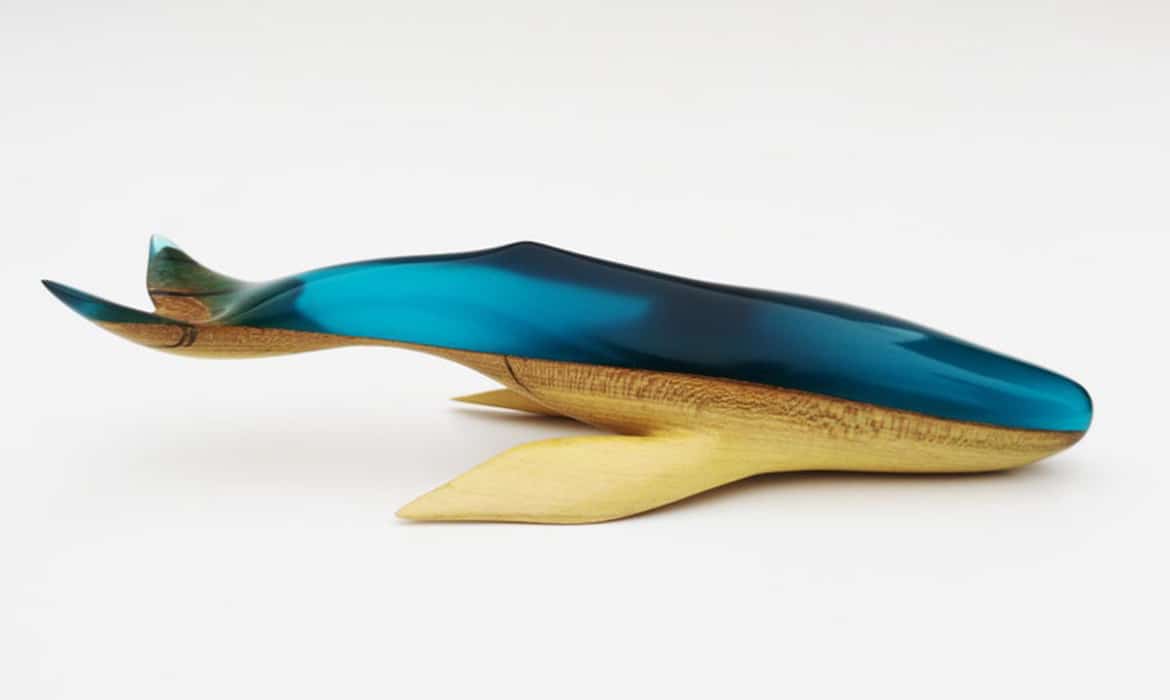
When it comes to merging materials, wood and resin make the perfect pair for creating eye-catching works of art. Ukrainian artist Yurii Myketka showcases the beautiful possibilities of combining opaque warm wood and translucent epoxy resin to create his minimalist animal sculptures. One of Myketka’s stand-out works is his whale sculpture crafted from acacia wood and blue epoxy resin.


Read Article


July 24, 2020

Artist Hand-Sculpts Anatomically Correct Miniature Animal Sculptures

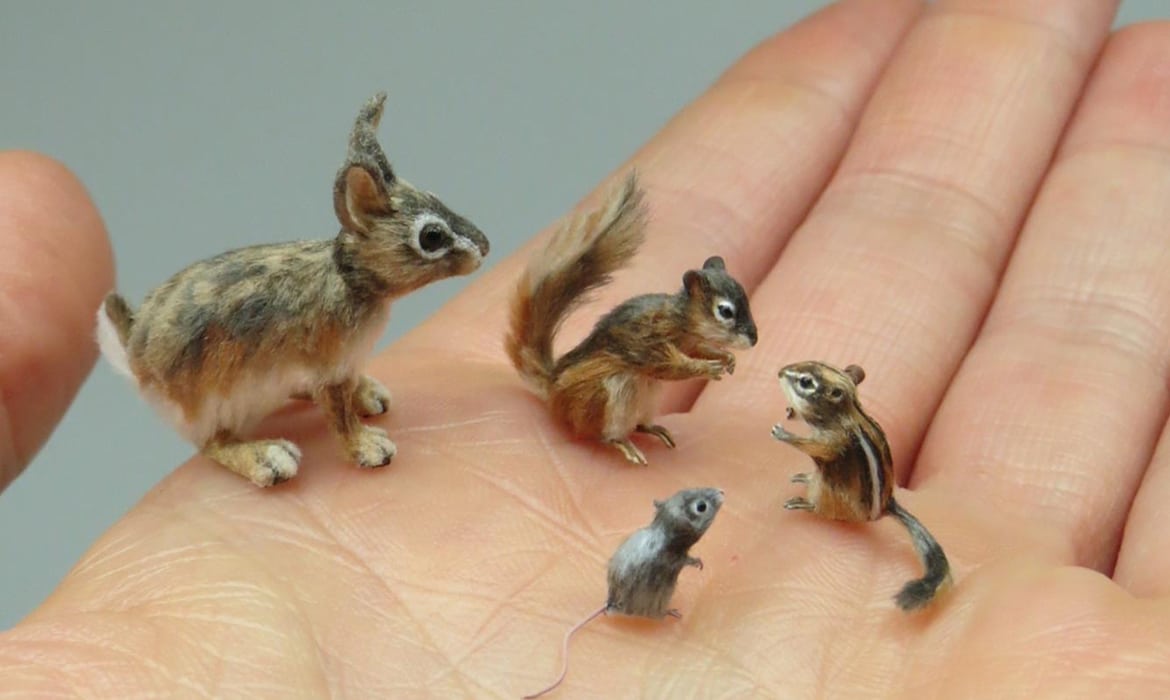
Squirrels, ducklings, and mice are already pretty cute as they are, but they’re even more adorable in miniature. Artist and  biologist Fanni Sandor crafts tiny animal figurines that are small enough to perch on your fingertip. Each anatomically correct, 1:12 scale dollhouse miniature is hand-sculpted from polymer clay, before being painted with realistic details. Sandor has been captivated by all things miniature since childhood.

Read Article


June 12, 2020

There’s a Bronze Statue of a Mouse Knitting a DNA Double Helix in Russia

Tucked away in central Russia, an adorable statue pays homage to the animals that lose their lives in the name of science every year. Located in Siberia in the city of Novosibirsk, the sculpture shows a scholarly looking mouse knitting. And when one looks closer, it's apparent that this mouse isn't knitting an ordinary scarf or a hat. No, it's actually knitting a double-strand of DNA.

Read Article