Astronomy

January 23, 2026

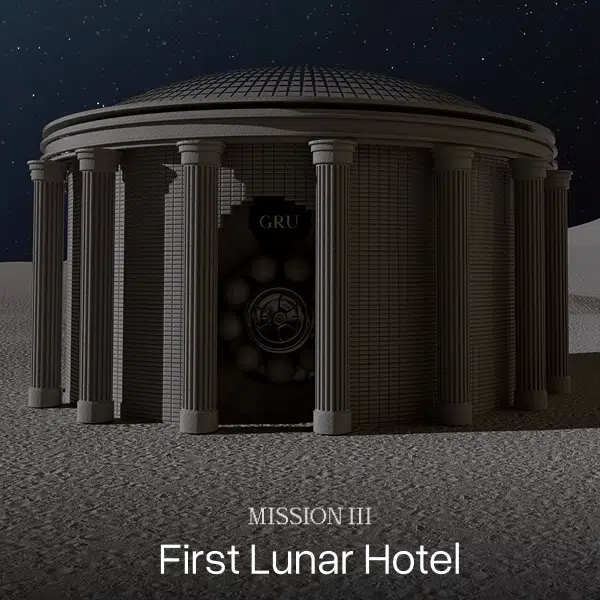
Team of Scientists and Engineers Unveil Plans for the First Hotel on the Moon

In a bold leap that reads like science fiction come to life, Galactic Resource Utilization Space (GRU Space) is developing what could become the first hotel on the moon. The ambitious project, targeted for deployment as early as 2032, reframes space travel as a frontier of imagination and luxury, where Earthrise views, low-gravity excursions, and lunar walks could soon feel within reach for the world’s most adventurous travelers.

Read Article


December 17, 2025

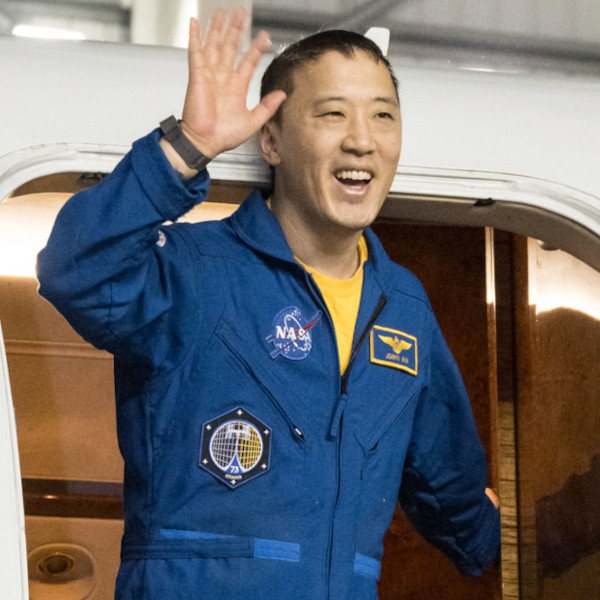
Astronaut Jonny Kim Returns to Earth After 245 Days Aboard the International Space Station

Astronaut Jonny Kim has returned to Earth after 245 days aboard the International Space Station. He, along with Russian Cosmonauts Sergey Ryzhikov and Alexey Zubritsky, landed safely in Kazakhstan before he was flown to NASA’s Johnson Space Center in Houston. During his time in space, Kim served as Expedition 72/73 flight engineer and conducted several scientific experiments.

Read Article


September 16, 2025

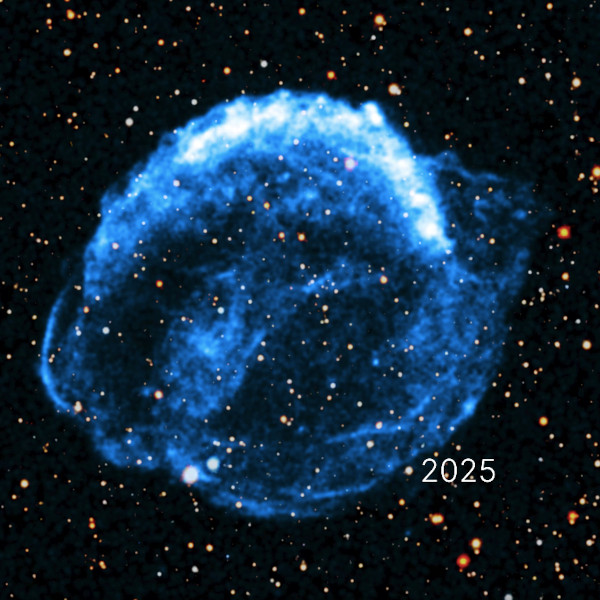
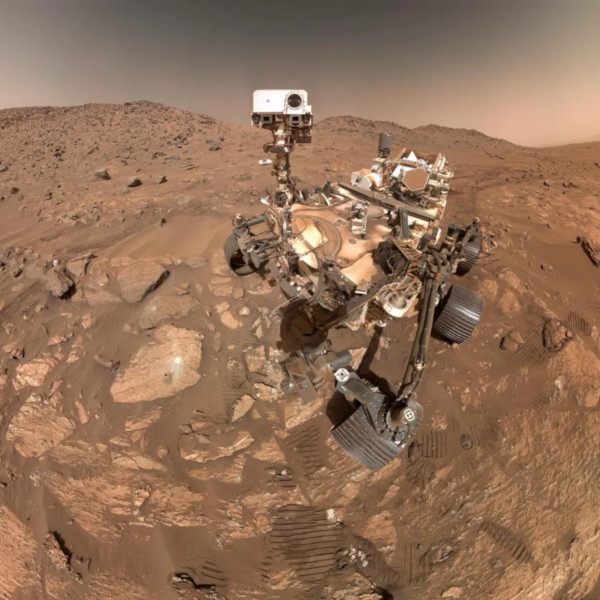
NASA’s Perseverance Rover Has Discovered Potential Signs of Ancient Microbial Life on Mars

Since its arrival on Mars in February 2021, NASA’s Perseverance Mars rover has explored the red planet to look for clues of past life and whether it was ever habitable. Now, it seems to have found its most significant lead. According to a paper published in Nature, a sample collected by Perseverance could hold evidence of ancient microbial life. The key piece was found on an ancient dry riverbed in Jezero Crater.


Read Article


August 14, 2025

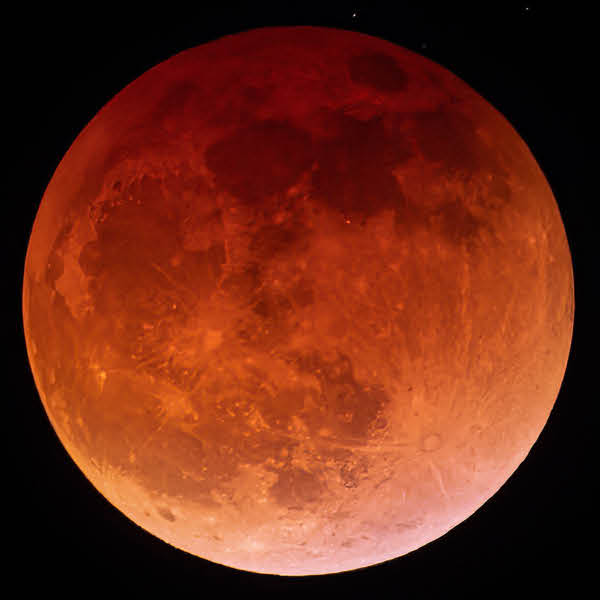
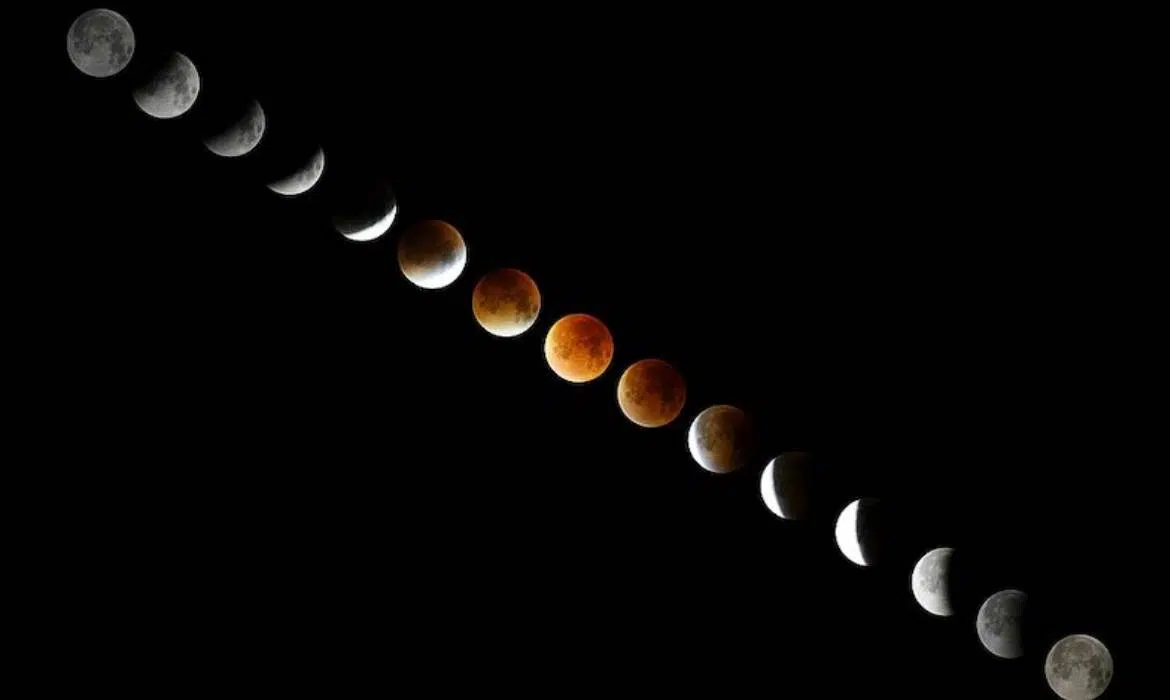
Over 7 Billion People Will Be Able to See the Next Total Lunar Eclipse in September

On September 7, 2025, a striking, red-tinged moon will begin traveling through the night sky. This celestial event will be our second total lunar eclipse of the year, primarily visible in parts of Asia, Australia, the Pacific, and the easternmost slivers of Africa through September 8, 2025. All told, about 4.9 billion people will be able to see the entire eclipse from beginning to end, while 7.

Read Article