Science

August 12, 2023

30 Million People Today Are Descendants of Passengers on the Mayflower

Are you a descendant of one of the passengers who crossed the Atlantic on the Mayflower over 400 years ago? Even if you aren't, you've probably met someone who has proudly told you that their ancestors hopped the pond in 1620. Despite being a long-time point of pride—and even class distinction for some New Englanders—the significance is still present in modern-day America.

Read Article


August 2, 2023

Scientists Thaw and Revive 46,000-Year-Old Roundworm

The Siberian permafrost is fertile ground for finding—and reviving—prehistoric life, from plants to animals to small microorganisms. A new article study in PLOS Genetics touches on something even more remarkable. In this case, not only were scientists able to find and revive 46,000-year-old roundworms, but they were also able to have them reproduce. The prehistoric roundworms were previously unknown and have been dubbed Panagrolaimus kolymaensis by researchers.

Read Article


July 24, 2023

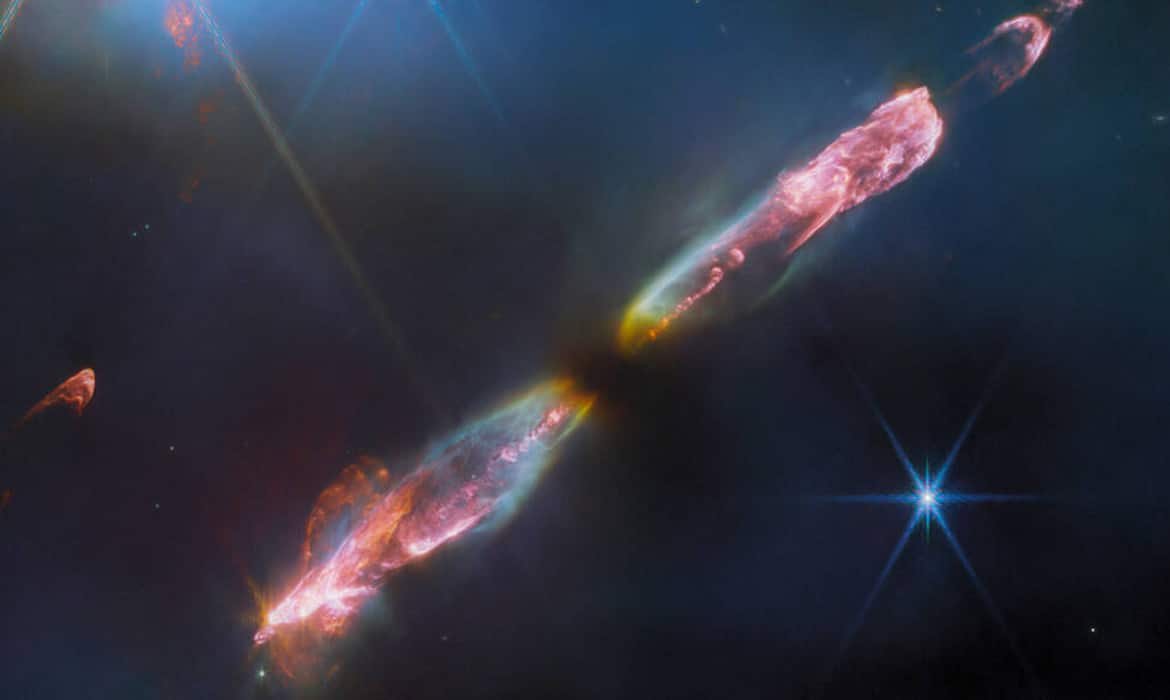
James Webb Space Telescope Celebrates Its First Year With 153-Megapixel Photo of the Birth of Sun-Like Stars

The first deep field image taken by the James Webb Space Telescope (JWST) was shared in July 2022. Since then, the astronomy community has been in awe by glimpses of distant galaxies and formations it has been able to capture. In celebration of its first year, a 153-megapixel image of the Rho Ophiuchi cloud complex, the closest star-forming region to our solar system, has been released.

Read Article


July 18, 2023

Rebellious Birds Are Now Stealing Anti-Bird Spikes and Making Nests With Them

If you’ve ever walked around in a city, you've probably seen anti-bird spikes covering statues, balconies, and sometimes even trees. While these mechanisms are intended to deter winged creatures from perching in these places, it seems like some magpies and crows have figured out a way to use them to their benefit. A group of Dutch researchers found that certain birds were using these spikes to construct nests.

Read Article