Science

June 12, 2023

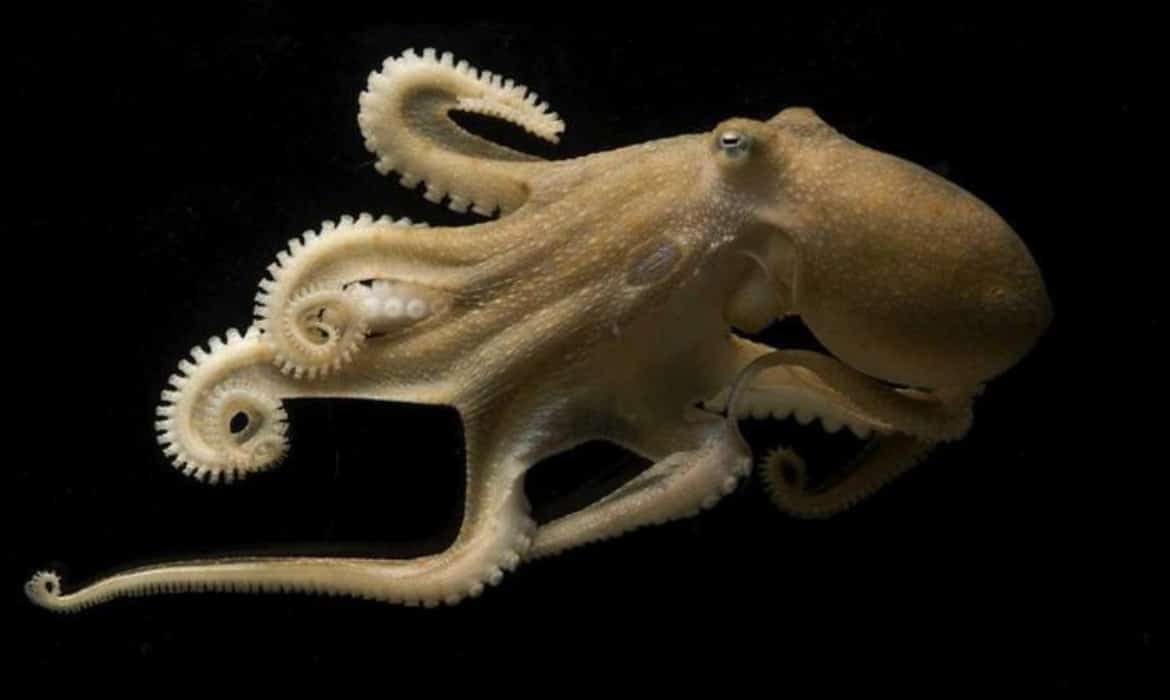
Octopuses Can Quickly Reprogram Their RNA to Survive in Warm and Cold Water

Octopuses are fascinating creatures. They're incredibly smart and adaptable. Known to camouflage themselves when in danger and to make a break for it when held in captivity, octopuses are animals that we have a lot to learn from. And a team of researchers is proving that in a new study published in Cell. The authors, led by Saint Francis University biologist Matthew A. Birk, were curious about the adaptability of these marine creatures.
Read Article


June 1, 2023

Israeli Hospital Develops Blood Cancer Treatment With a 90% Success Rate

Using genetic-engineering technology, Israel's Hadassah University Medical Center has developed a successful way to treat a deadly blood cancer. They've recently announced a 90% success rate in treating patients with multiple myeloma cancer. This is an incredible achievement, given that multiple myeloma is considered an incurable cancer. The experimental treatment was developed over the past few years at the Jerusalem hospital's bone-marrow transplant and immunotherapy department. It involves using Chimeric Antigen Receptor T-Cell Therapy (CAR-T).

Read Article


May 10, 2023

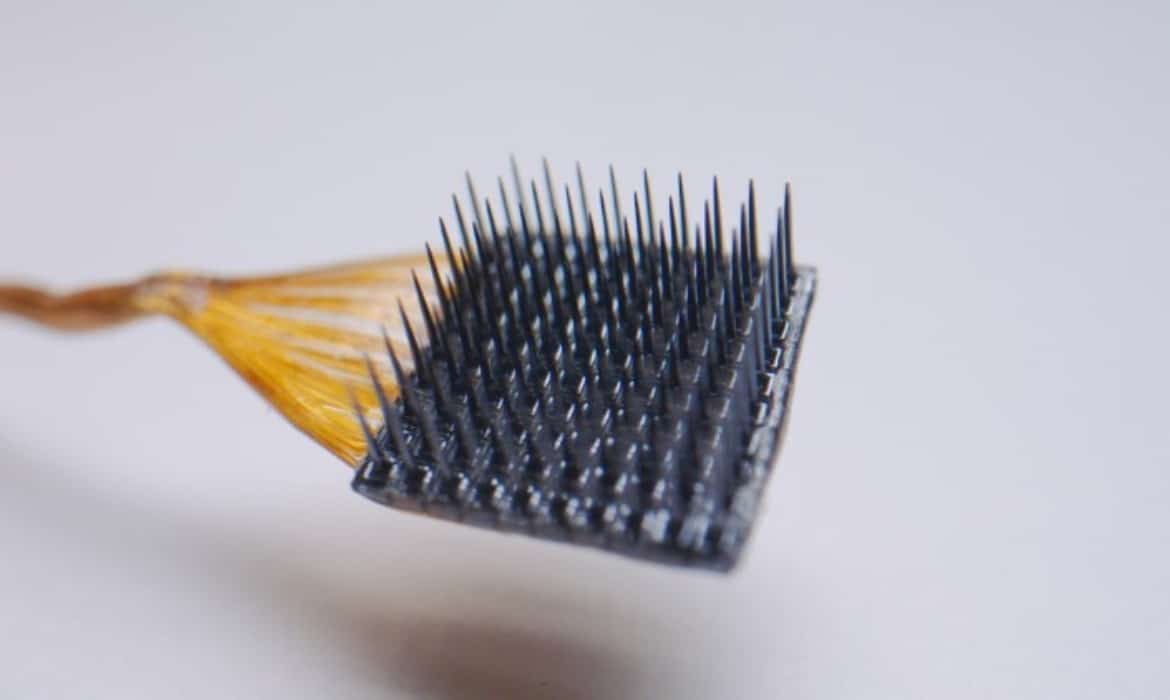
Scientists Use Brain Implants to Help Patients Regain Their Independence

For many years neuroscientists have been researching how they can use technology to enhance the lives of people suffering from paralysis and other serious medical issues. Typically, this involves a chip implanted in the patient's brain that can translate thoughts into actions. One company leading the way forward is Blackrock Neurotech. Based in Salt Lake City, they've already implanted chips into 36 patients in an effort to help a wide variety of neurological disorders.



Read Article


April 28, 2023

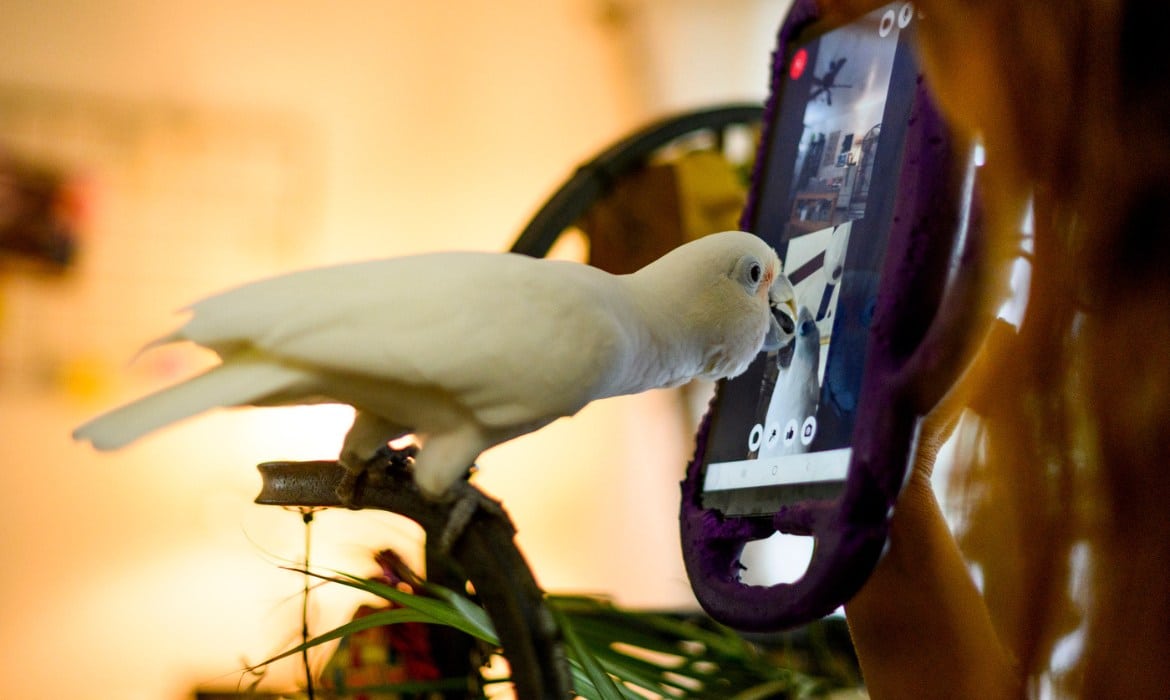
Parrots Taught to Video Call Each Other Show Increased Happiness According to New Study

Researchers have found that some birds love firing up a video call just as much as we do. This shouldn't come as a surprise, as in the wild, birds live in flocks. Loneliness can be a real problem for pet birds, so scientists from Northeastern University wanted to see if video chatting with other birds could improve their quality of life. The results are astounding.

Read Article