Science

June 22, 2025

Magnolias Are So Old That They’re Pollinated by Beetles

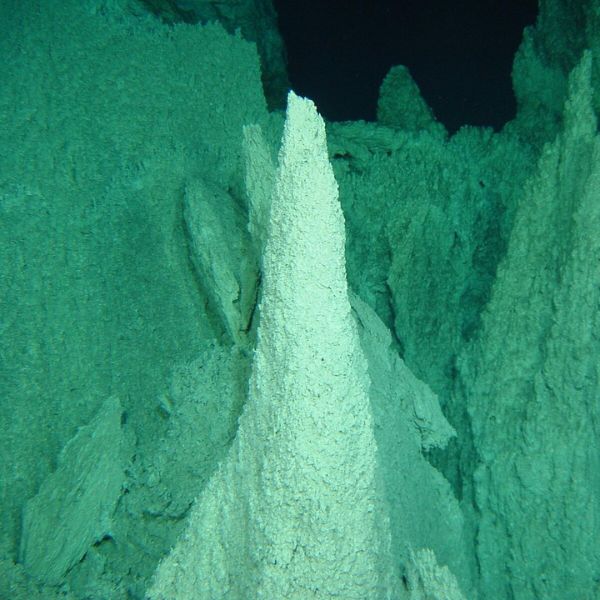
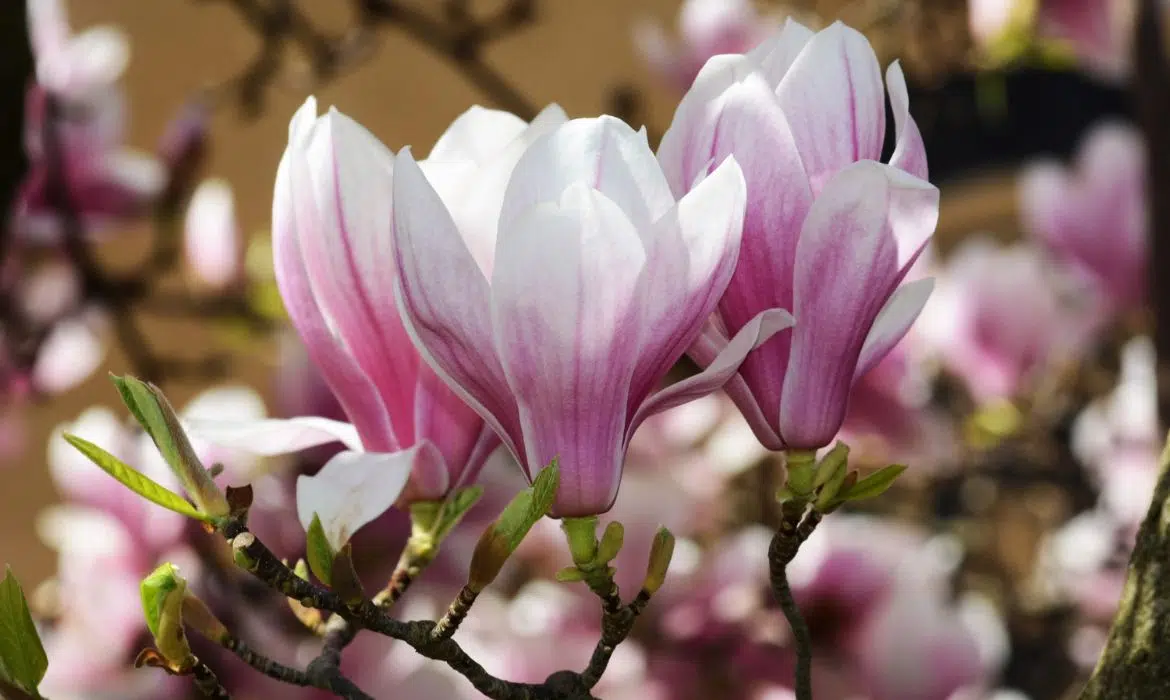
Many people begin to notice the arrival of spring with the large, beautiful blooms of the magnolia flower. Magnolia trees can be found in many parts of the world, and their beautiful forms have symbolic, medicinal, and visual meaning across cultures—and have for centuries. If you’re ever near a magnolia tree, though, look closely: you’ll notice that beetles, instead of bees, will be moving amongst the flowers. So, why beetles over bees?
Read Article


June 15, 2025

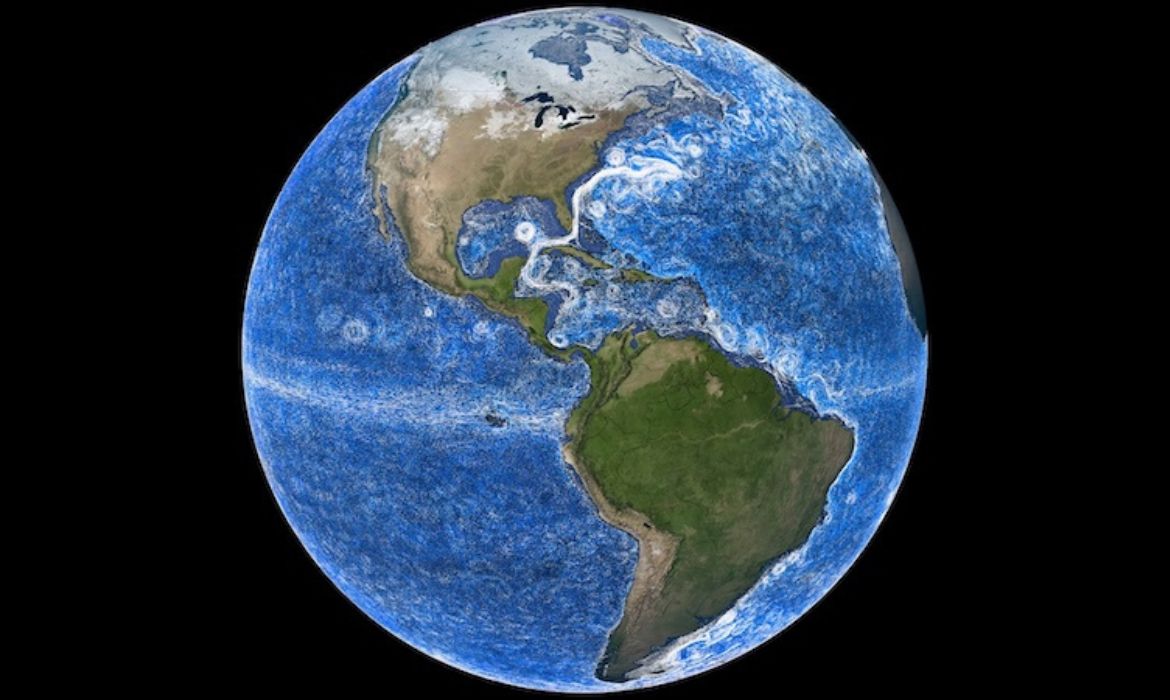
Incredible NASA Imaging Shows the Most Traveled “Underwater Highways” on Earth

Photos taken from space help us better understand things that happen on land. They visualize land masses such as mountain ranges, show where different ecosystems meet, and even how the population of cities expand over time. But have you ever considered that space imaging may also help us understand the Earth’s oceans, too? Oceans cover about 71% of Earth, while land makes up the remaining 29%.

Read Article


June 6, 2025

19-Year-Old Wins $100K for Creating Cheaper Way To Make Antiviral Drugs From Corn Husks

Sometimes, the most groundbreaking scientific discoveries come from the youngest minds. In 2024, 15-year-old Heman Bekele was named TIME’s Kid of the Year for his breakthrough cancer-curing soap. Now, another young innovator is making waves in the world of healthcare. Nineteen-year-old Adam Kovalčík, from Dulovce, Slovakia, has earned recognition for developing a faster, more affordable method of producing galidesivir, an experimental antiviral drug that targets RNA viruses like COVID-19, Ebola, and Zika.

Read Article