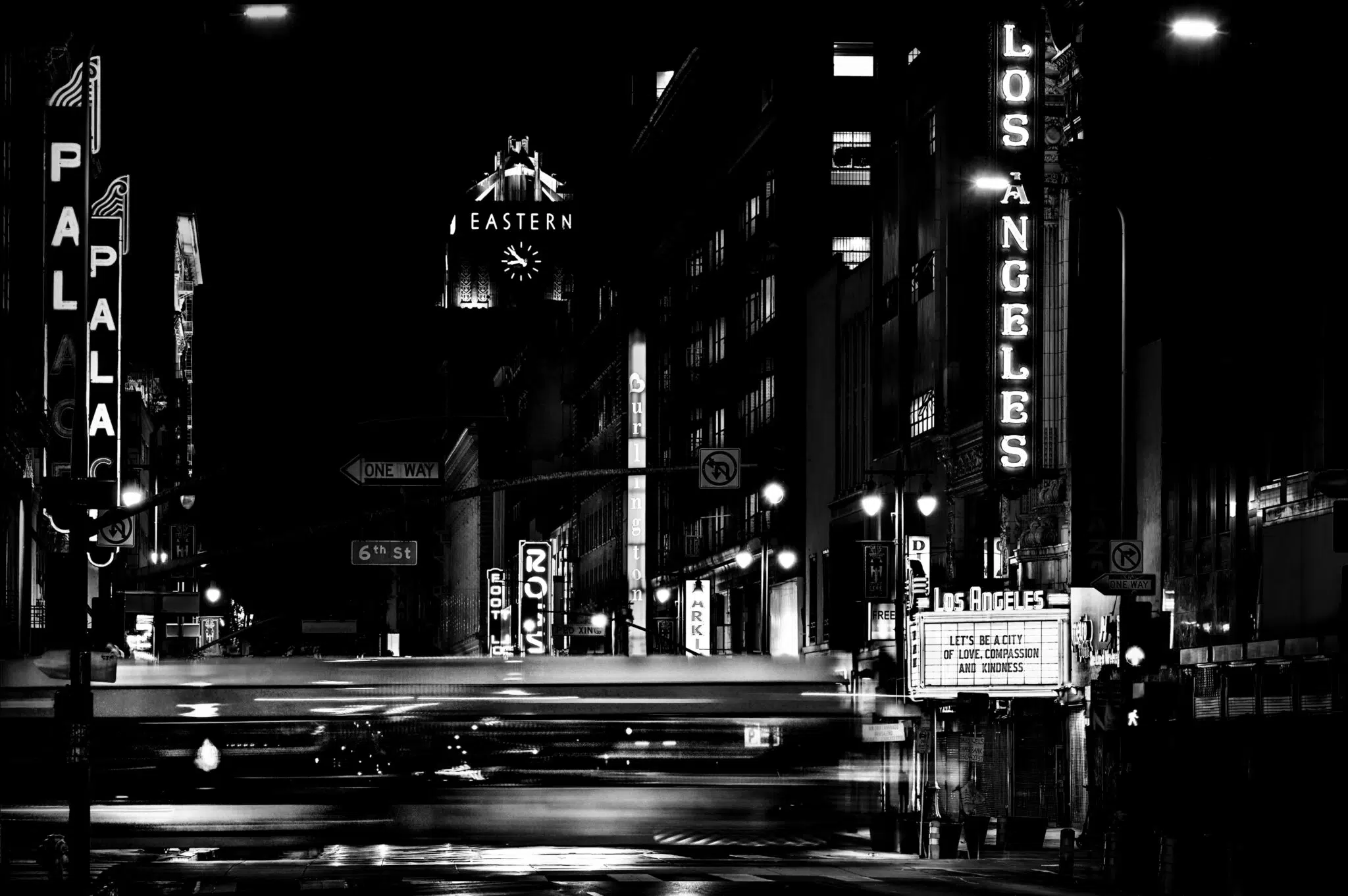
Broadway and 6th St.
By the time the Writers Guild of America called for a nationwide strike in 2007, Daniel Sackheim had amassed quite a portfolio. He had directed episodes of iconic television series like Law & Order, The X-Files, and NYPD Blue; earned an Emmy in 1994; and solidified his reputation at the forefront of TV’s modern “Golden Age.” Suddenly and unexpectedly unable to direct, though, he decided to explore a new medium: photography.
“Feeling an itch that I thought a visually creative outlet like photography could scratch, I bought my first digital camera,” Sackheim tells My Modern Met. “It would be years, however, before I actually developed a style and a point of view to go along with the new gear.”
Perhaps unsurprisingly, that style is informed by Sackheim’s roots within the TV industry. His images often take the form of horizontal rectangles, emulating the atmosphere of a film noir. That sensation is only enhanced by Sackheim’s preference for moody, black-and-white environments, all of which he meticulously curates through location scouting and lighting studies. In Sackheim’s mind, it’s this level of preparation and intentionality that most betrays his background as a director. Sometimes, as if on a set, he admits that he “intervene[s] more directly and construct[s] the scene” he has in mind, lending each image a precision and clarity that may otherwise have been absent.
“I don’t think of shooting the way a traditional street photographer might: roaming freely, waiting for the right moment to present itself,” he explains. “That does happen, of course, but rarely. Instead, I treat it much as I would a film shoot.”
Next month, after years of developing his photographic practice, Sackheim will release his debut monograph, The City Unseen, with Hat & Beard Press. Much of the book contends with Los Angeles, not just as a city but as a muse, one that encapsulates themes like anonymity, absence, and memory. Sackheim’s distinct language mirrors these interests, pairing high-contrast visuals with urban settings shot at unexpected angles or perspectives.
“What I can say is that I see Los Angeles as a completely unique place,” he says. “The architecture, the landmarks—they are a constant reminder of a city that in many ways refuses to let go of its complicated past. So, I try to find ways to tap into that nostalgia, to treat it as a character in its own right.”
Ahead of the volume’s publication on May 12, 2026, we spoke with Daniel Sackheim about the relationship between TV and photography, the origins of his photographic practice, and what he hopes readers will take away from The City Unseen. Read on for our exclusive interview with the TV director and photographer.
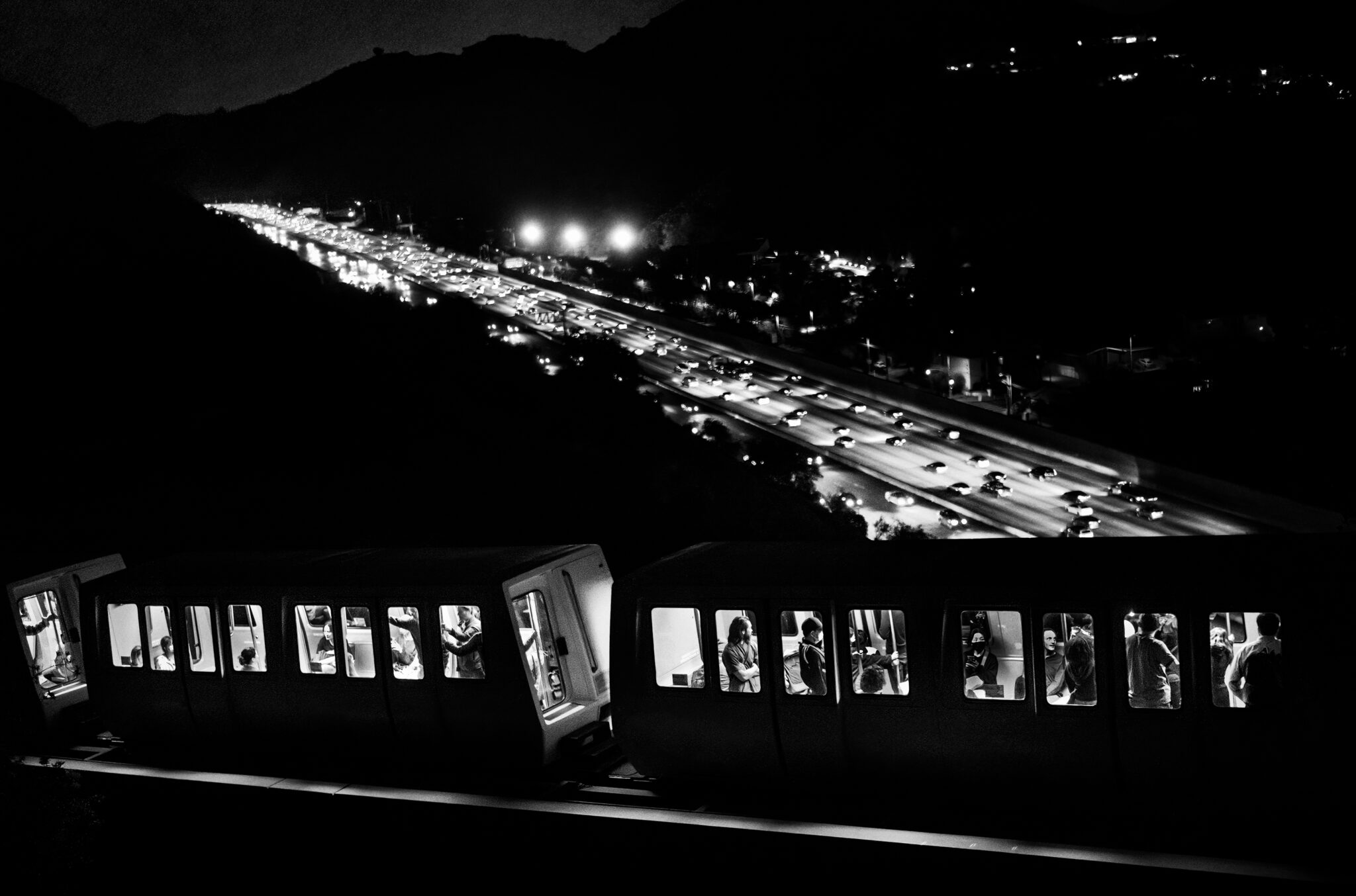
1200 Getty Center Dr.
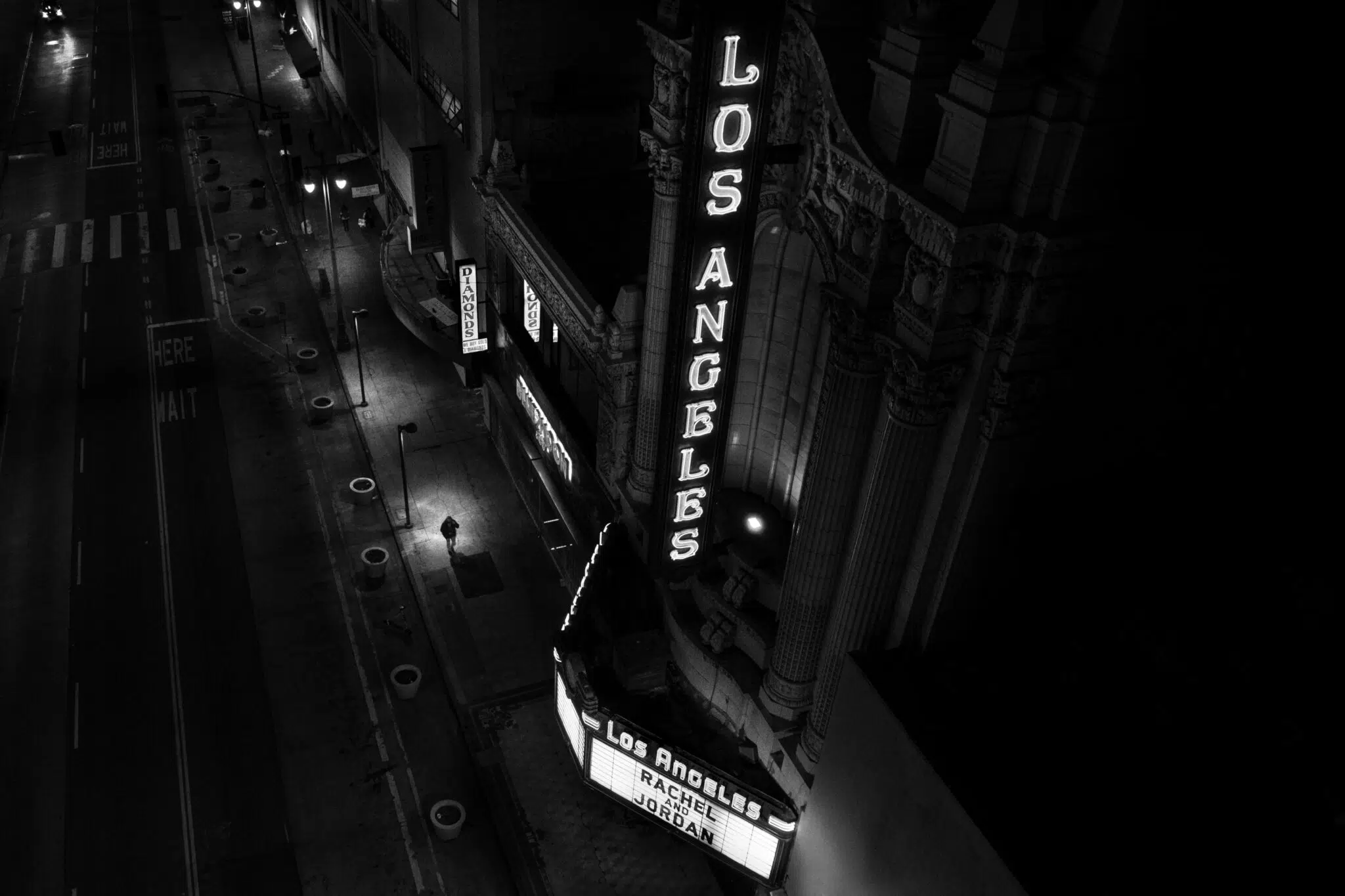
South Broadway
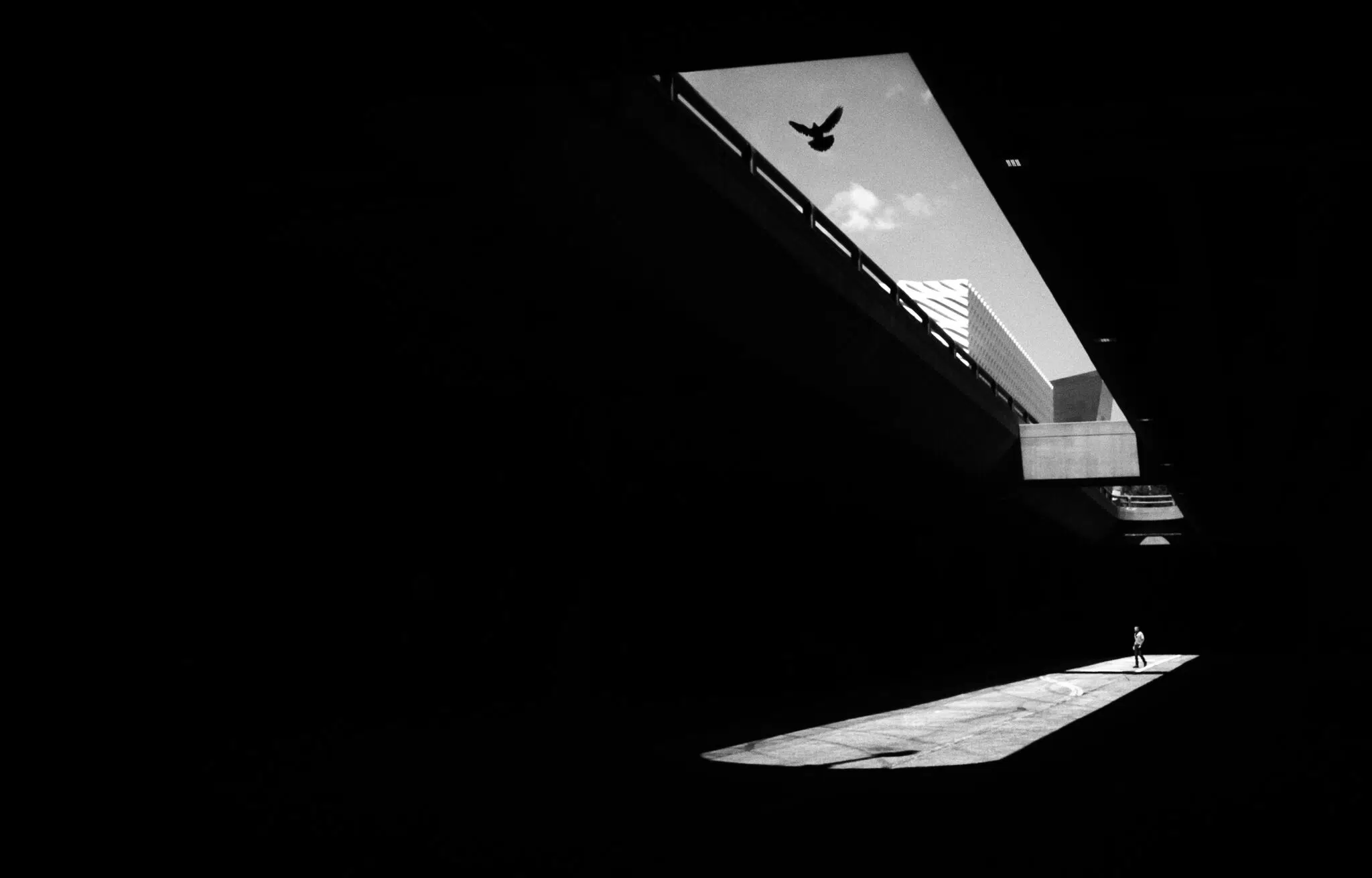
Lower Grand Avenue
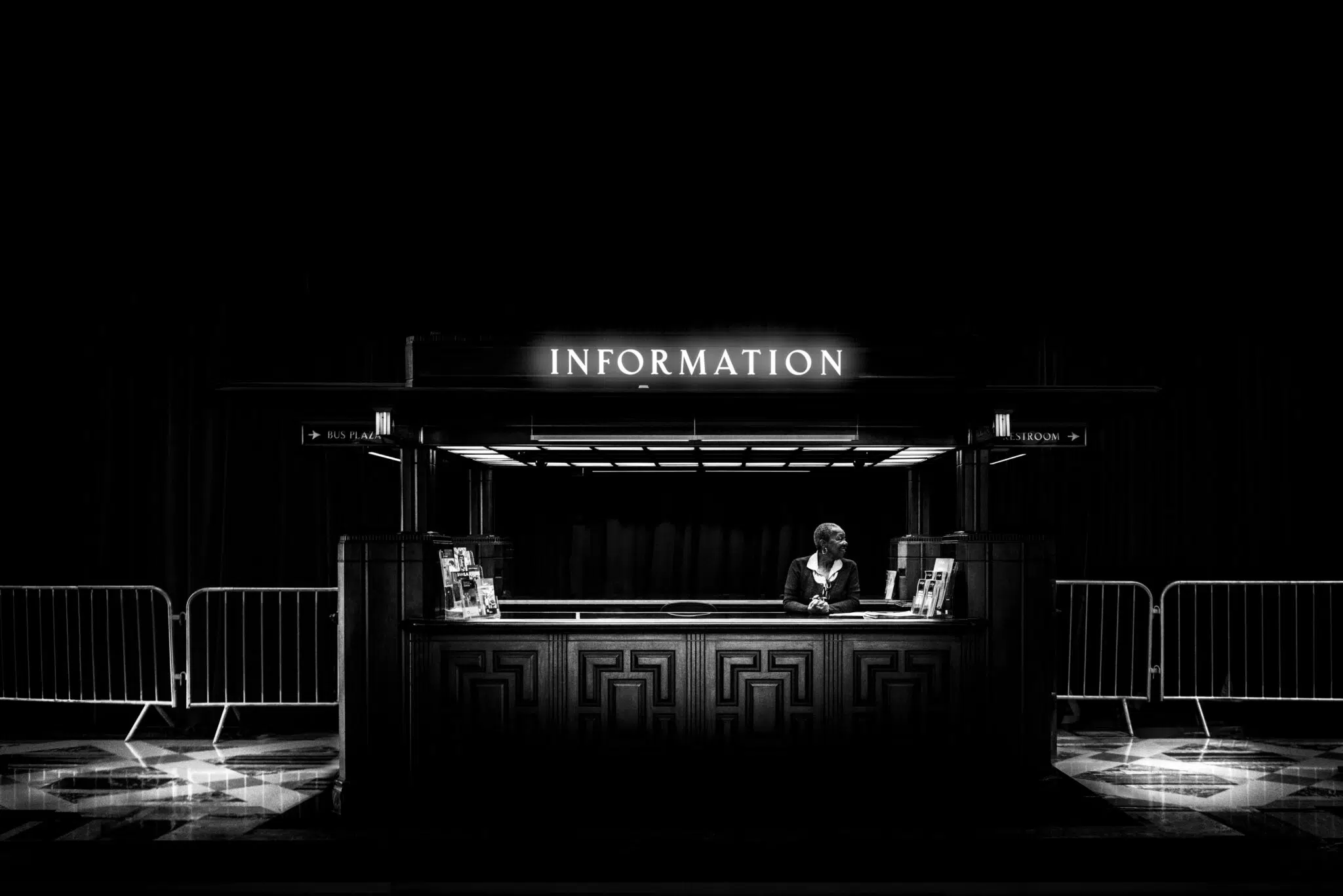
800 North Alameda St.
When did you first begin experimenting with photography, and what originally drew you to the medium?
It was sudden and unexpected, owing to the Writers Guild of America calling for a national strike in 2007, which resulted in much of Hollywood production being shuttered. Unable to direct, and feeling an itch that I thought a visually creative outlet like photography could scratch, I bought my first digital camera. It would be years, however, before I actually developed a style and a point of view to go along with the new gear.
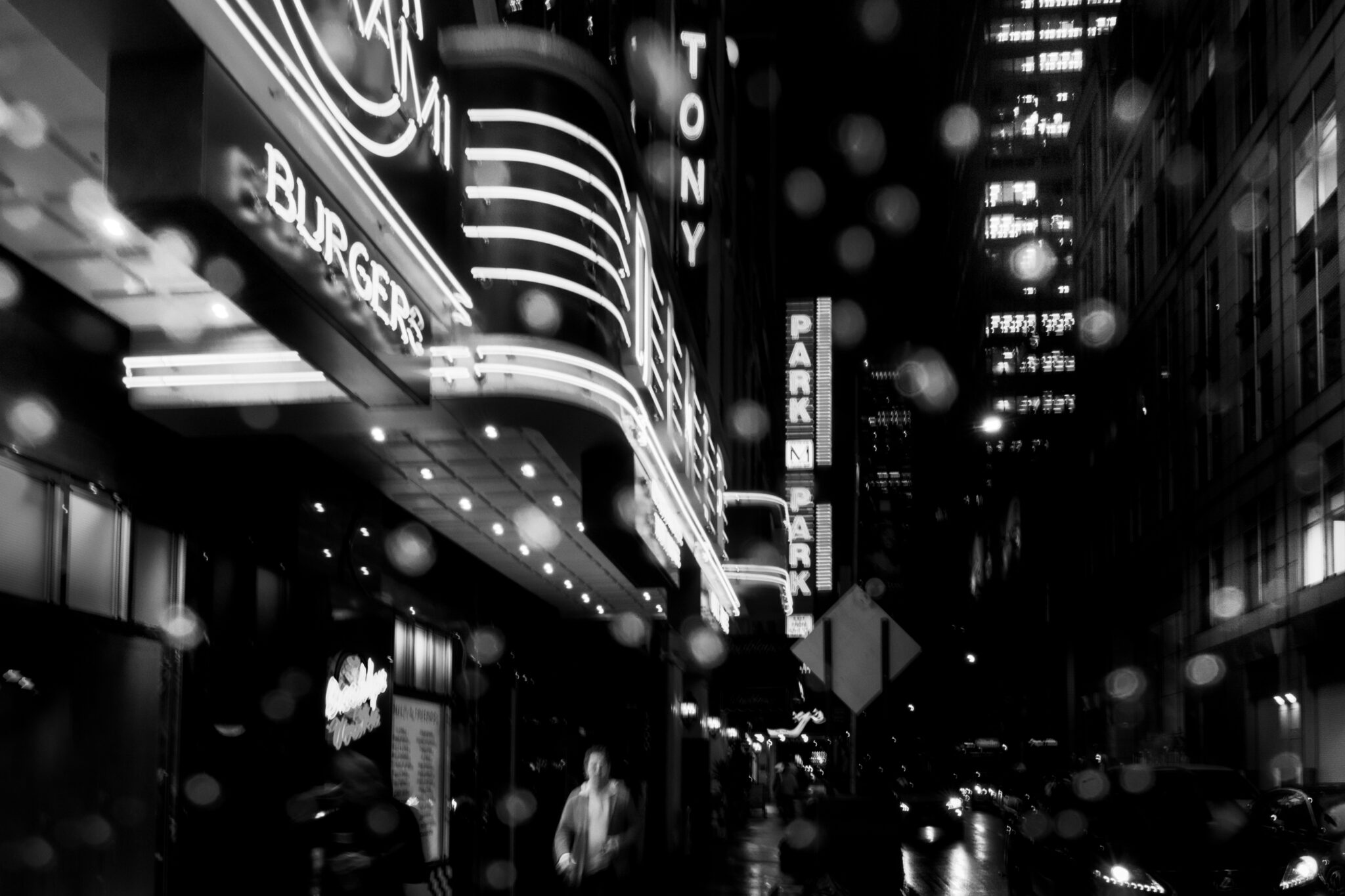
Broadway
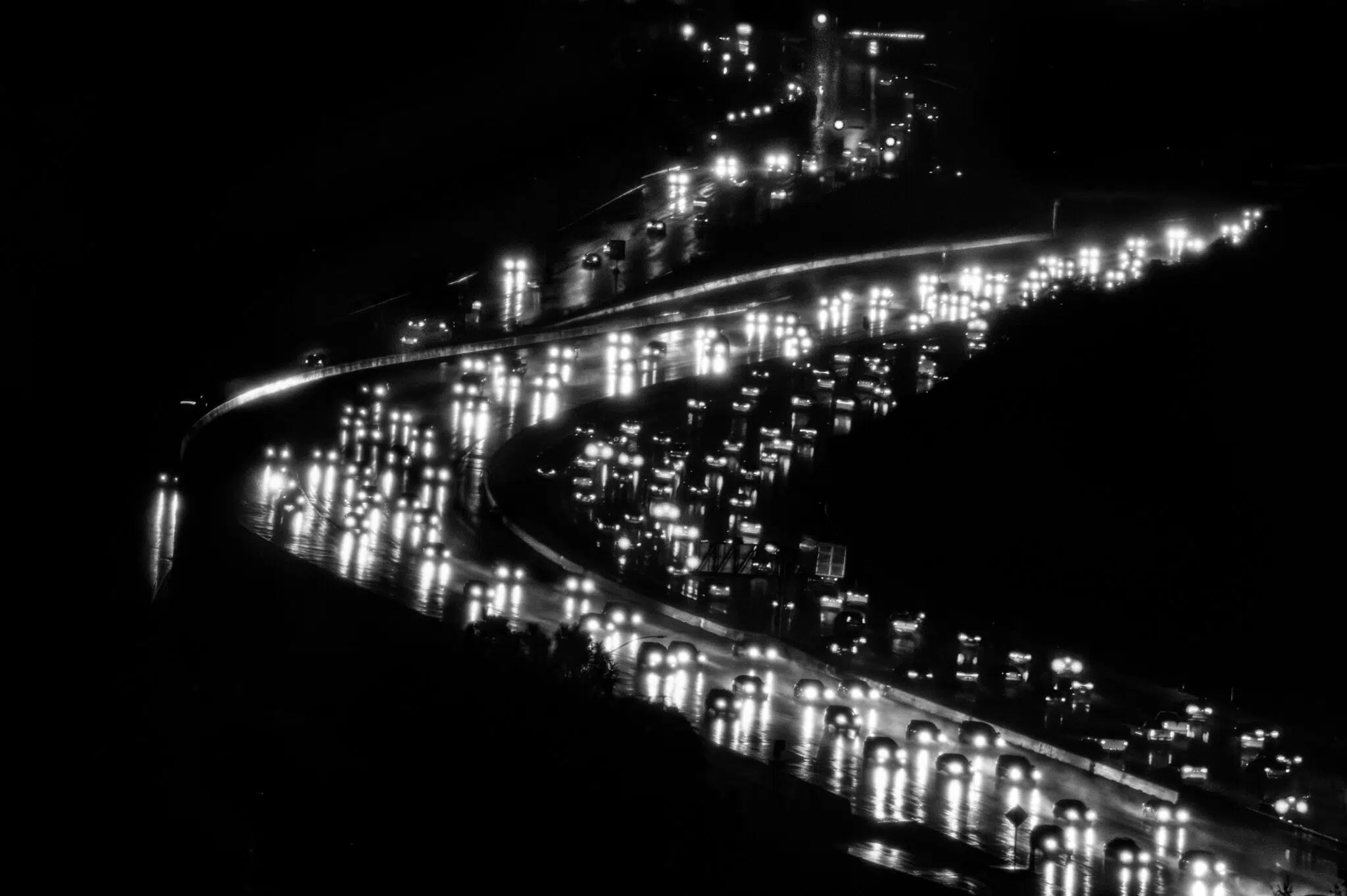
405 Freeway at the Supelveda Pass
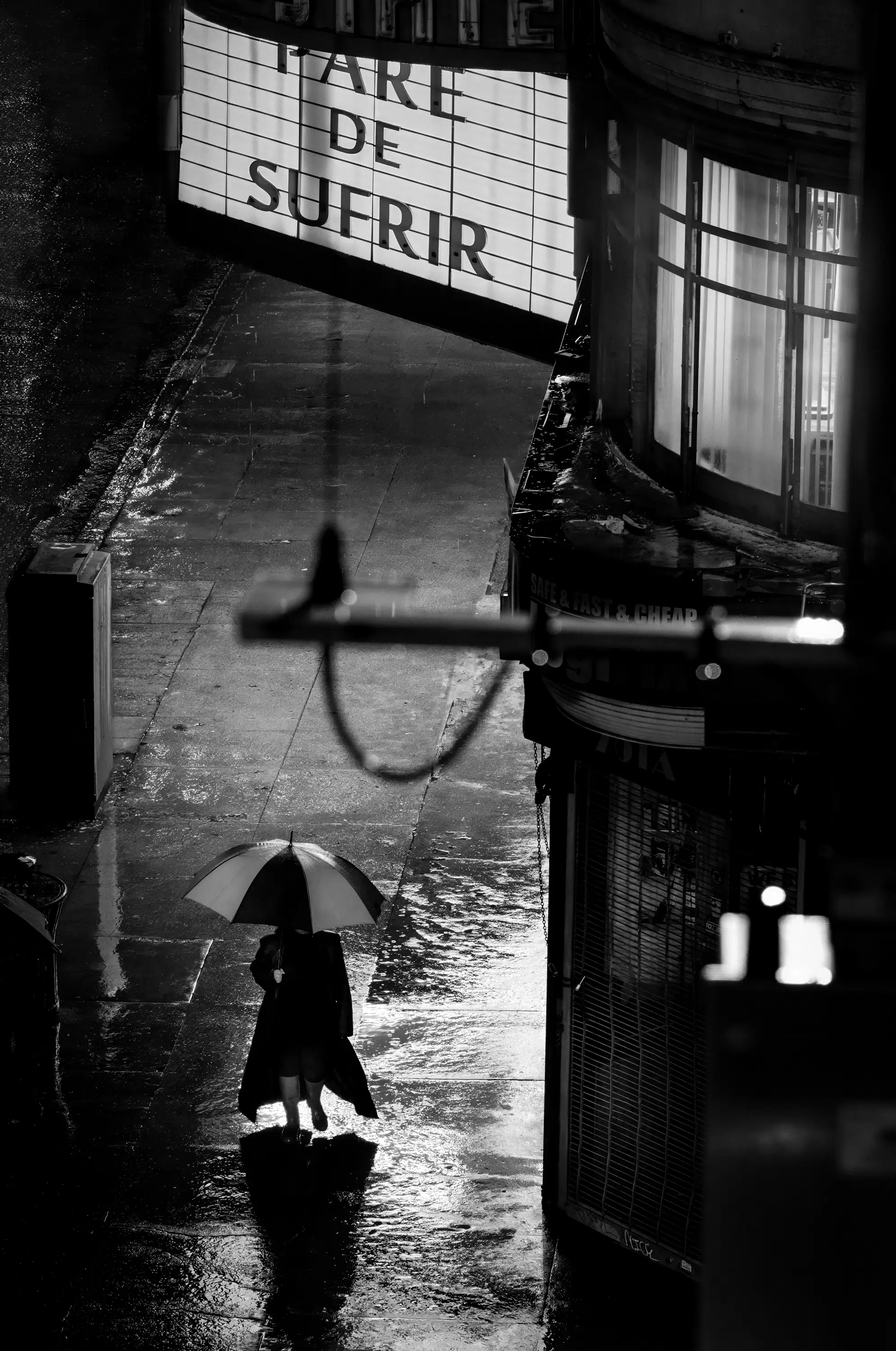
Corner of South Broadway and 3rd St.
How have your experiences as a film and television director informed your photographic language, if at all?
It has informed it quite a bit. Having been a director for far longer than I’ve been a photographer, the compositional environment in which I was—and still feel—most comfortable emulates a movie frame: a horizontal rectangle.
I’m also more inclined to create imagery that has some footing in a narrative space. I want to tell stories. This is not always achievable, of course, but despite directing and photography being very different mediums, I love the challenge of telling a story within a single frame, one that makes the viewer fill in the blanks on their own. That premise, I believe, is consistent across mediums.
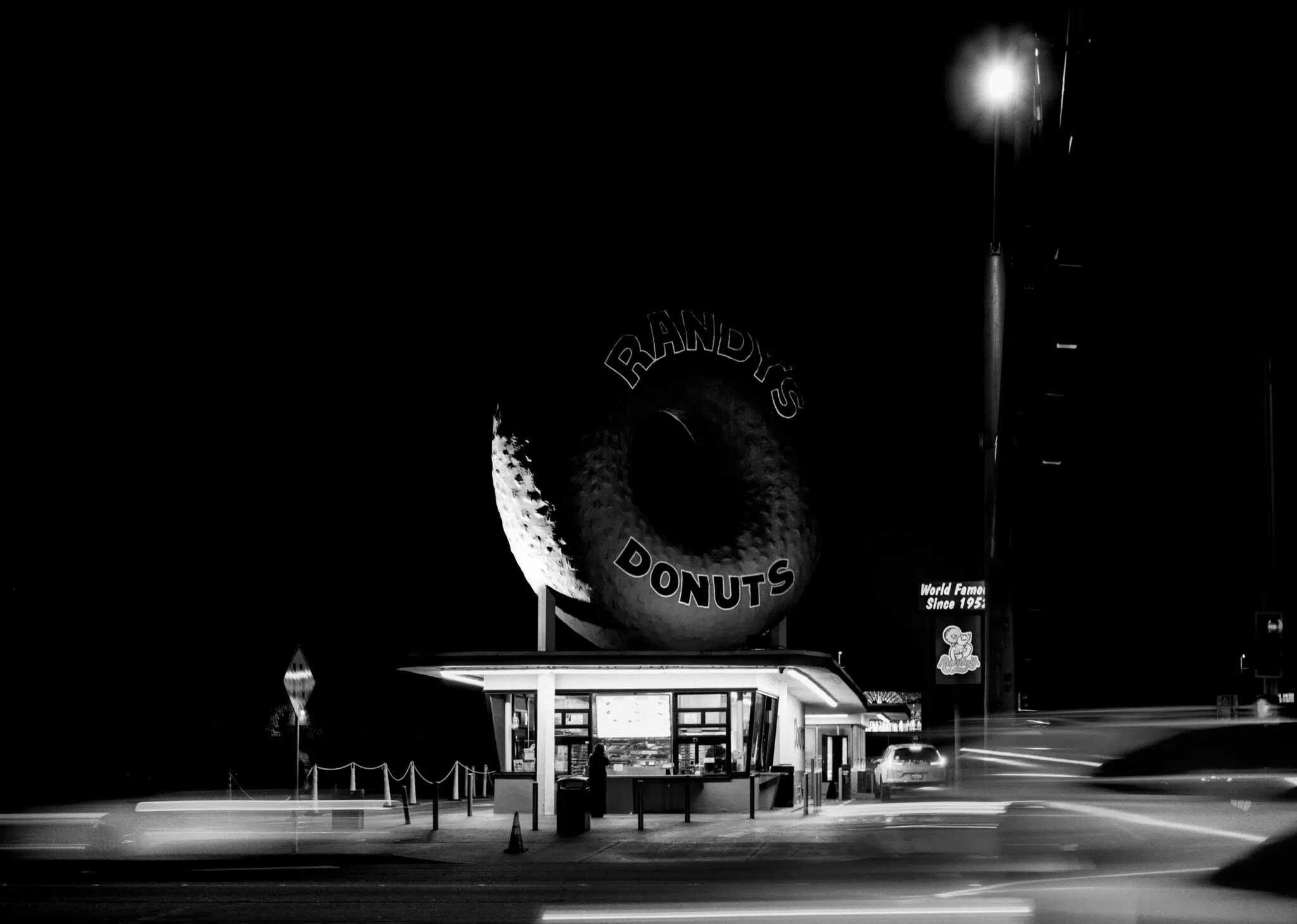
936 West Florance Ave.
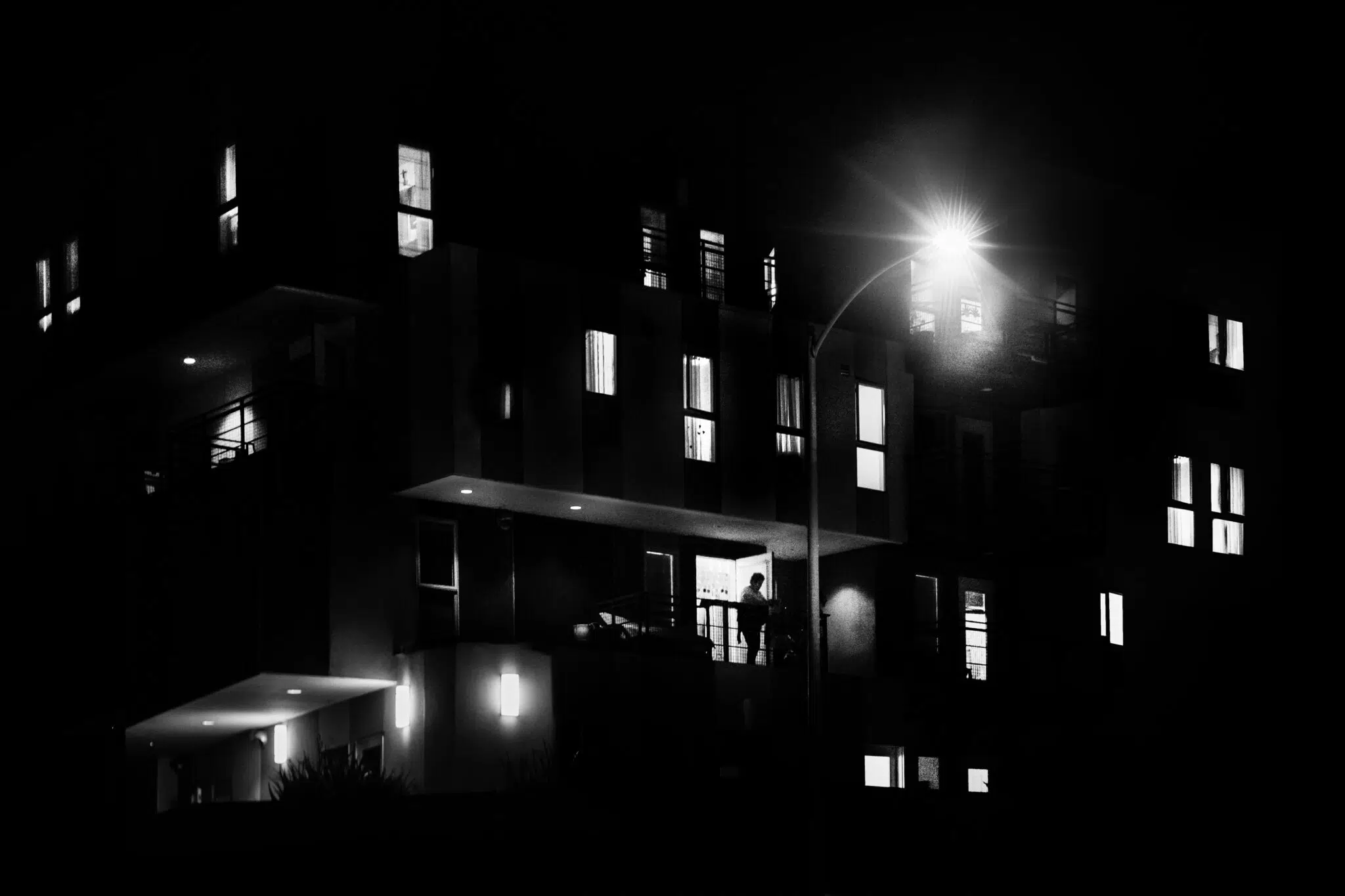
5261 Hollywood Blvd.
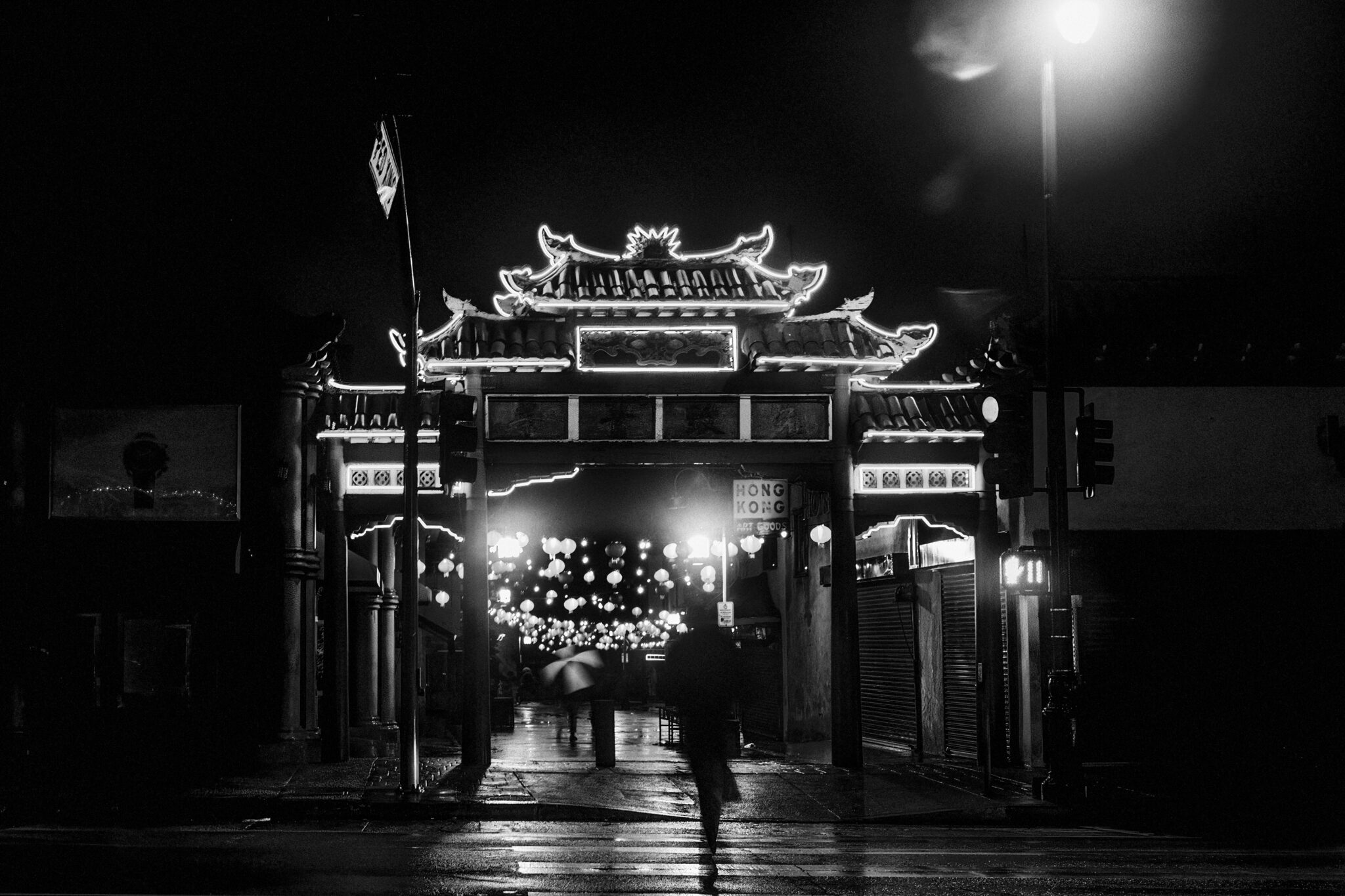
498 Ling Way
What compels you about Los Angeles as a photographic subject?
Few people realize that the original home of the grand and gilded movie palaces of the 1920s and 30s—the ones we associate with star-studded premieres and klieg lights sweeping across the sky—didn’t actually originate in Hollywood, but on Broadway, in downtown Los Angeles, where they thrived until the 1950s. That’s when they were abandoned by cinema-goers headed to Hollywood Boulevard and Grauman’s Chinese Theatre.
A few years back I was exploring that old, mostly abandoned theatre district for a documentary project I was considering. The project never moved forward, but my interest in old downtown Los Angeles was piqued. There was an ineffable nostalgia—verging on romance—about downtown Los Angeles and its deep connection to Film Noir, which I’ve been a fan of for many years.
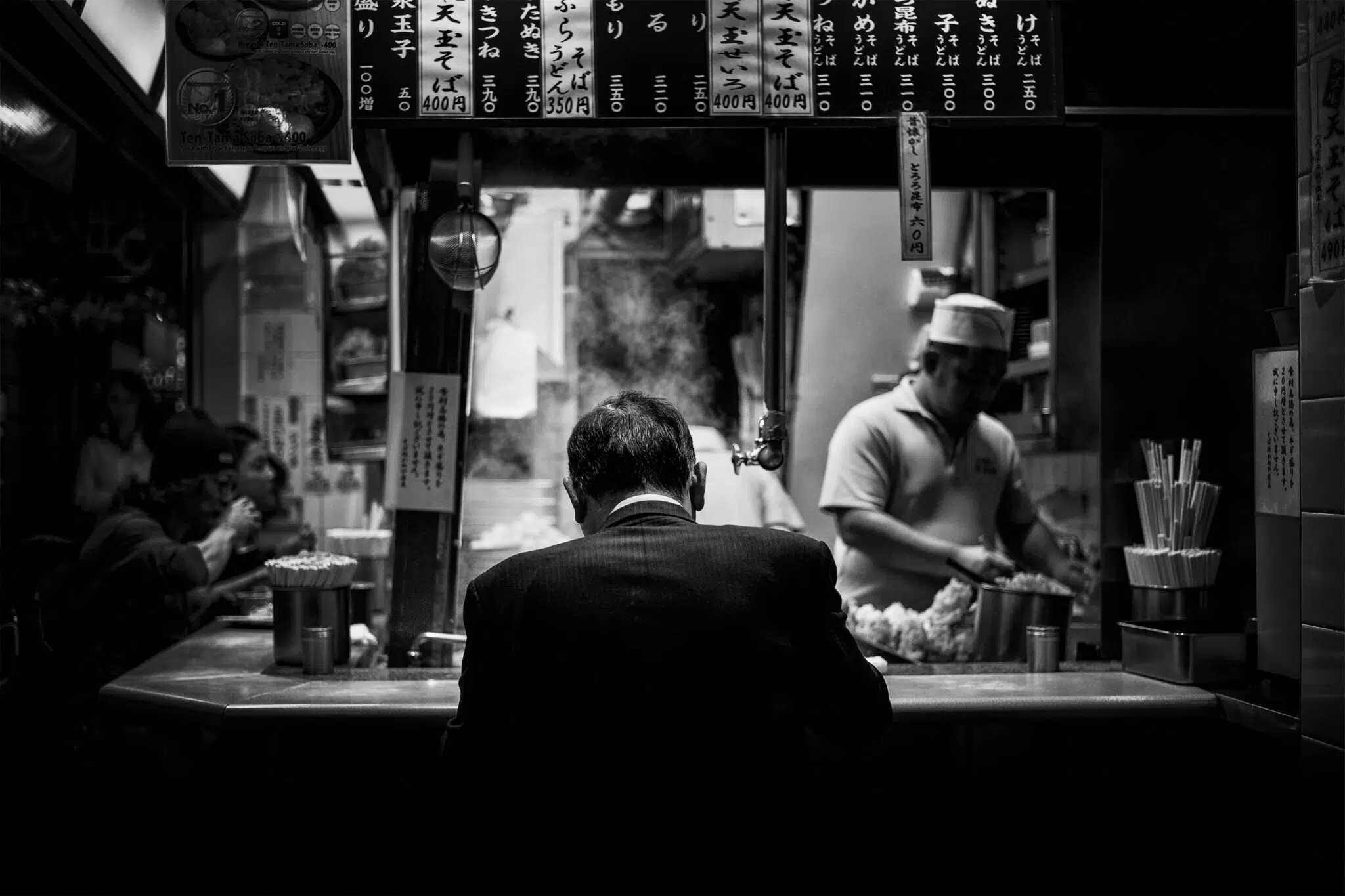
Omoide Yokocho
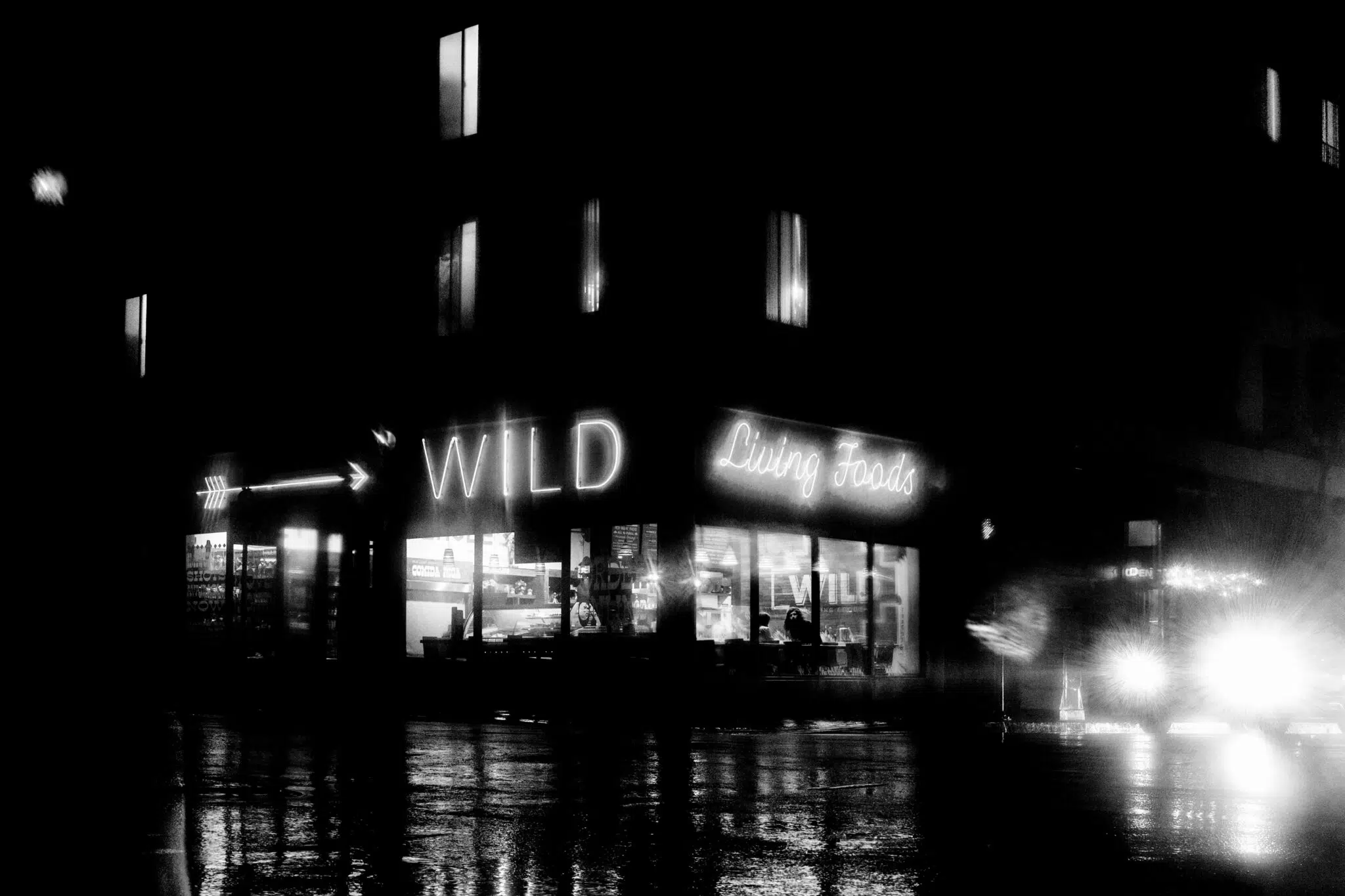
Corner of Main and 8th Streets
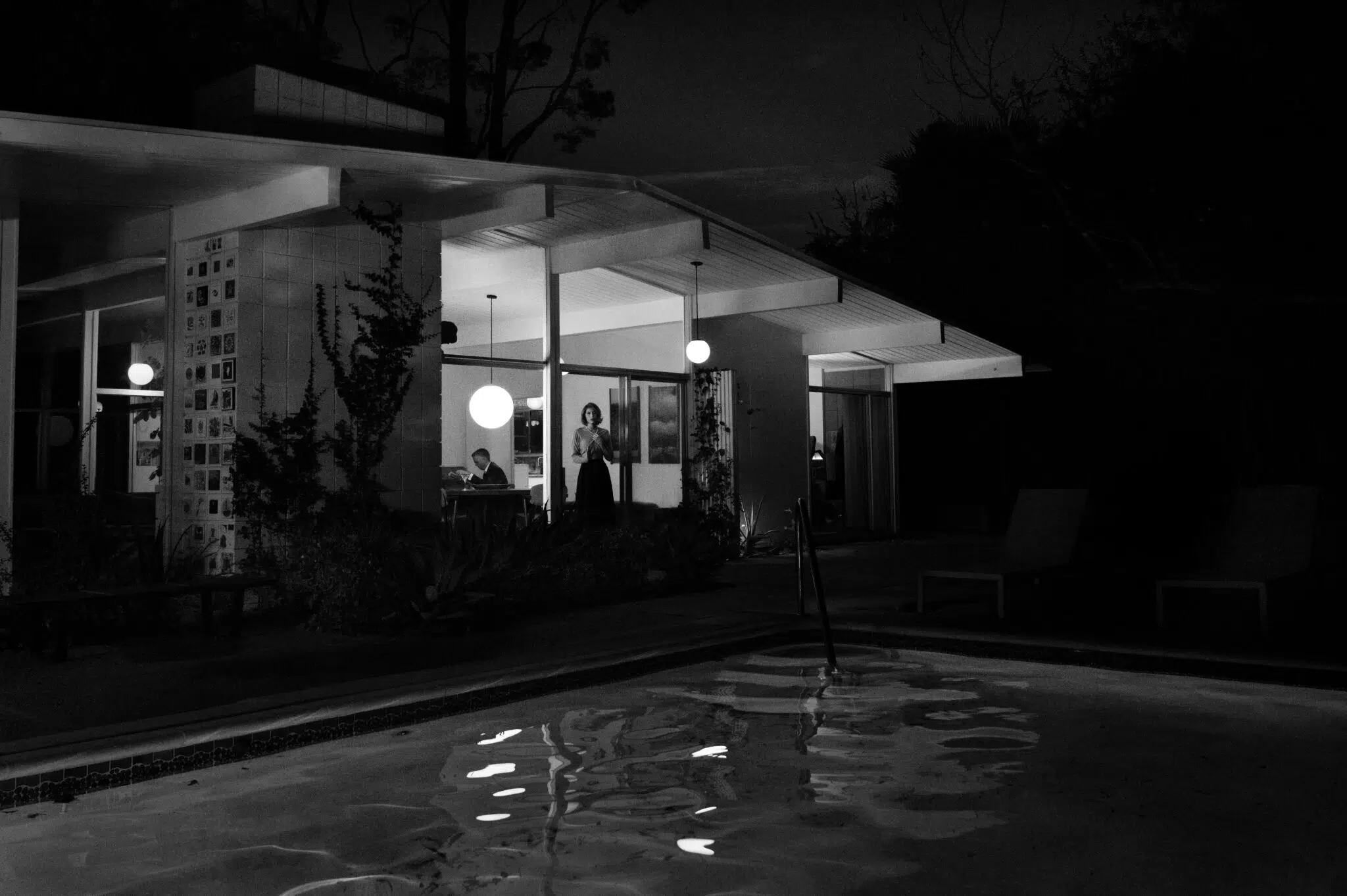
Undisclosed location in the San Fernando Valley
How does your approach to LA differ from that of other photographers, and what do you hope your images reveal about the city?
I touched on some of this earlier, in terms of the appeal of Film Noir. As for how my approach differs from other photographers, that’s genuinely difficult for me to say, since I can’t really speak to what others do. What I can say is that I see Los Angeles as a completely unique place, populated by those who have caught the brass ring—a ticket to fame and fortune—living in close proximity to those still surviving on little more than a dream, feeling isolated and desperate. I can’t think of many places where so many people carry that particular kind of desperation so visibly. The architecture, the landmarks—they are a constant reminder of a city that in many ways refuses to let go of its complicated past. So, I try to find ways to tap into that nostalgia, to treat it as a character in its own right.
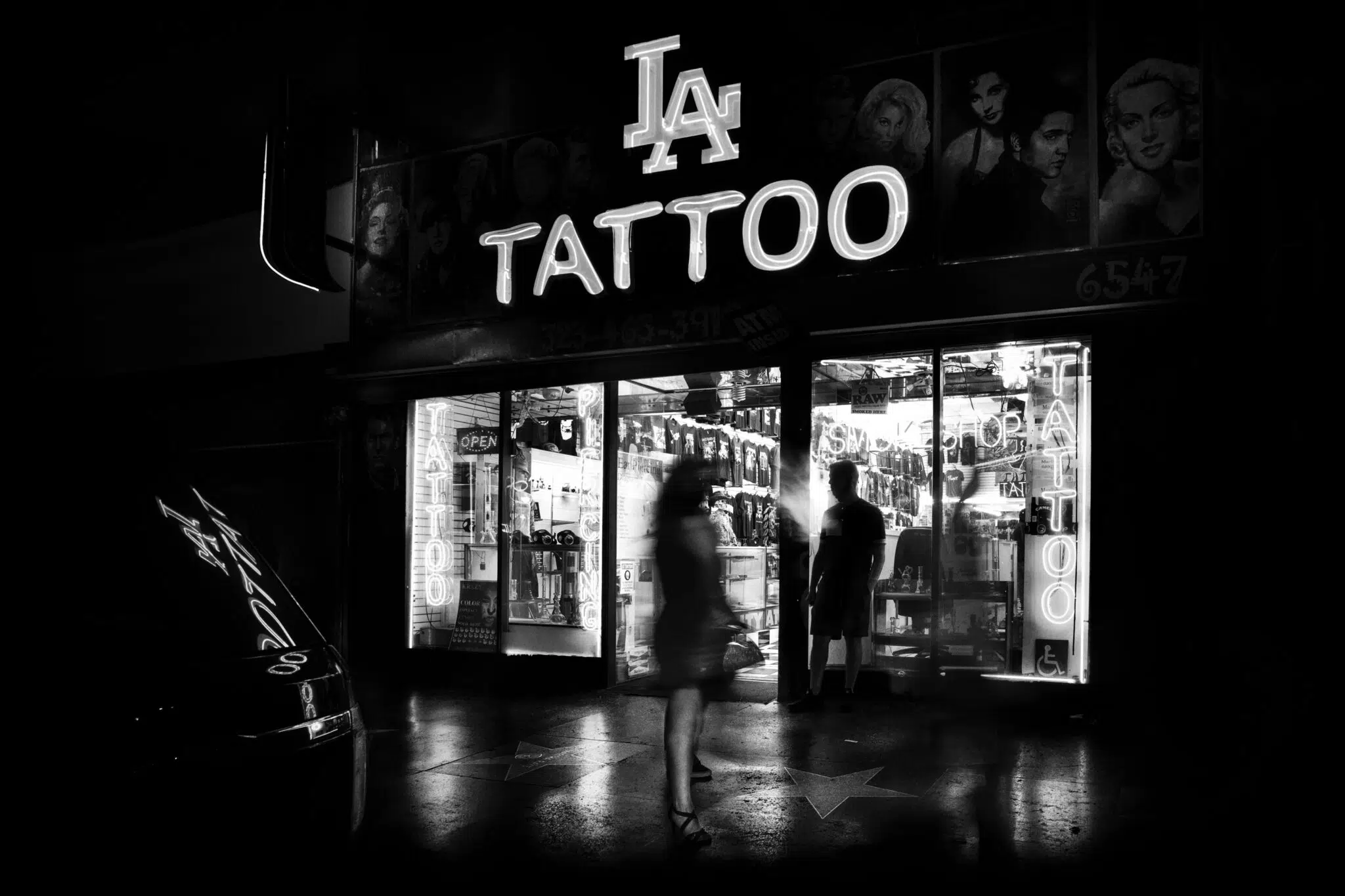
6547 Hollywood Blvd.
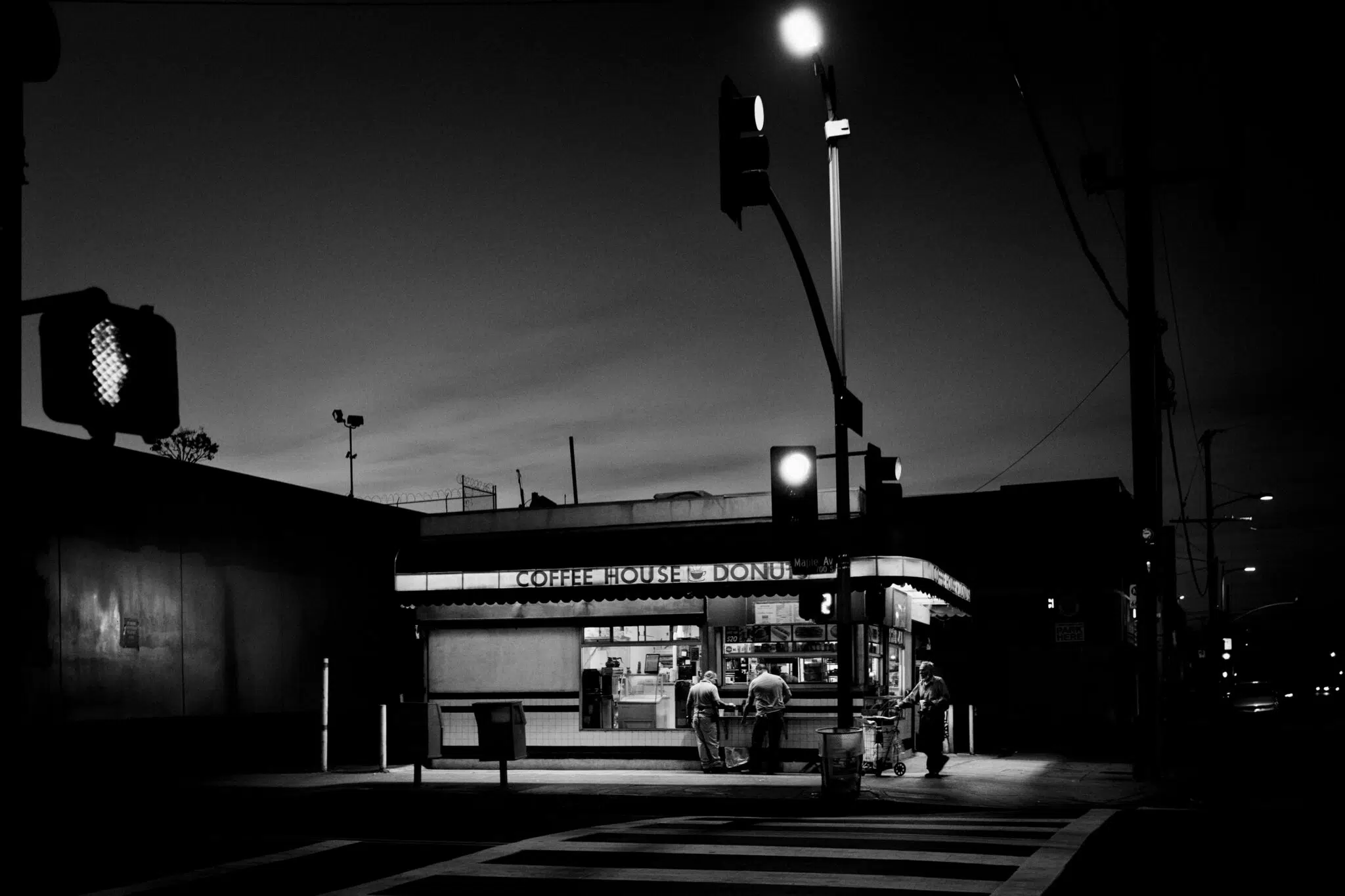
520 Maple Avenue
How does your background in film and TV inform your photographic style?
I don’t think of shooting on the streets of Los Angeles the way a traditional street photographer might: roaming freely, waiting for the right moment to present itself. That does happen, of course, but rarely. Instead, I treat it much as I would a film shoot. I scout locations that speak to me and suggest the kind of narrative I’m hoping to capture. I do light studies, returning again and again within a window of time when conditions are right, waiting for something special to happen within the frame. Or sometimes I’ll intervene more directly and construct the scene I have in mind. It all depends on the scene itself, and my appetite for complexity and expense.
One of the benefits of having worked in television, which is a medium where you are always short of time, resources, and mostly a lack of time, is that it’s trained me to be fast on my feet. It allows me to pivot quickly and arrive at an alternate game plan, if one is possible. That provides a good measure of confidence that I simply wouldn't have without that background.
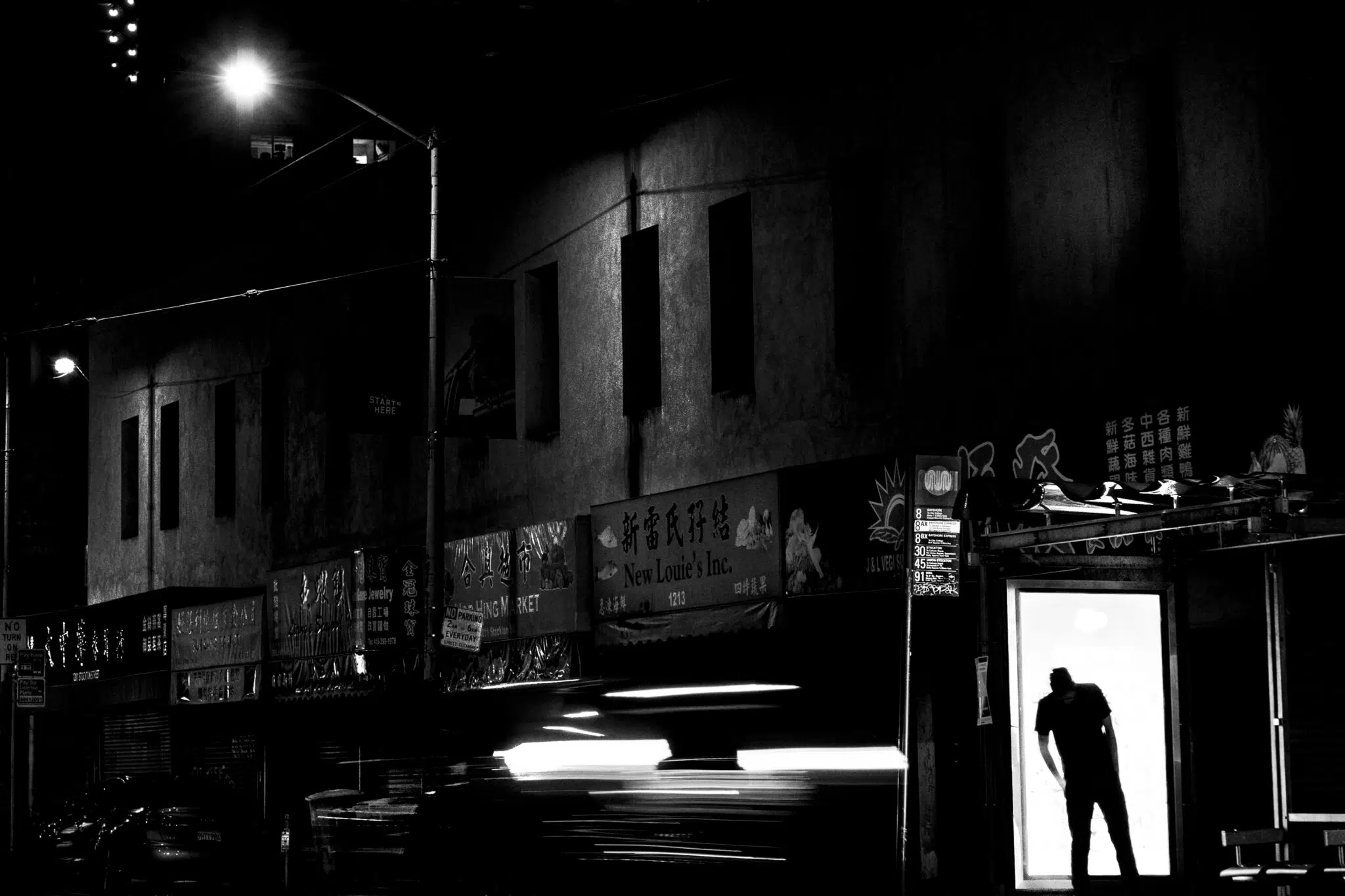
Columbus Avenue
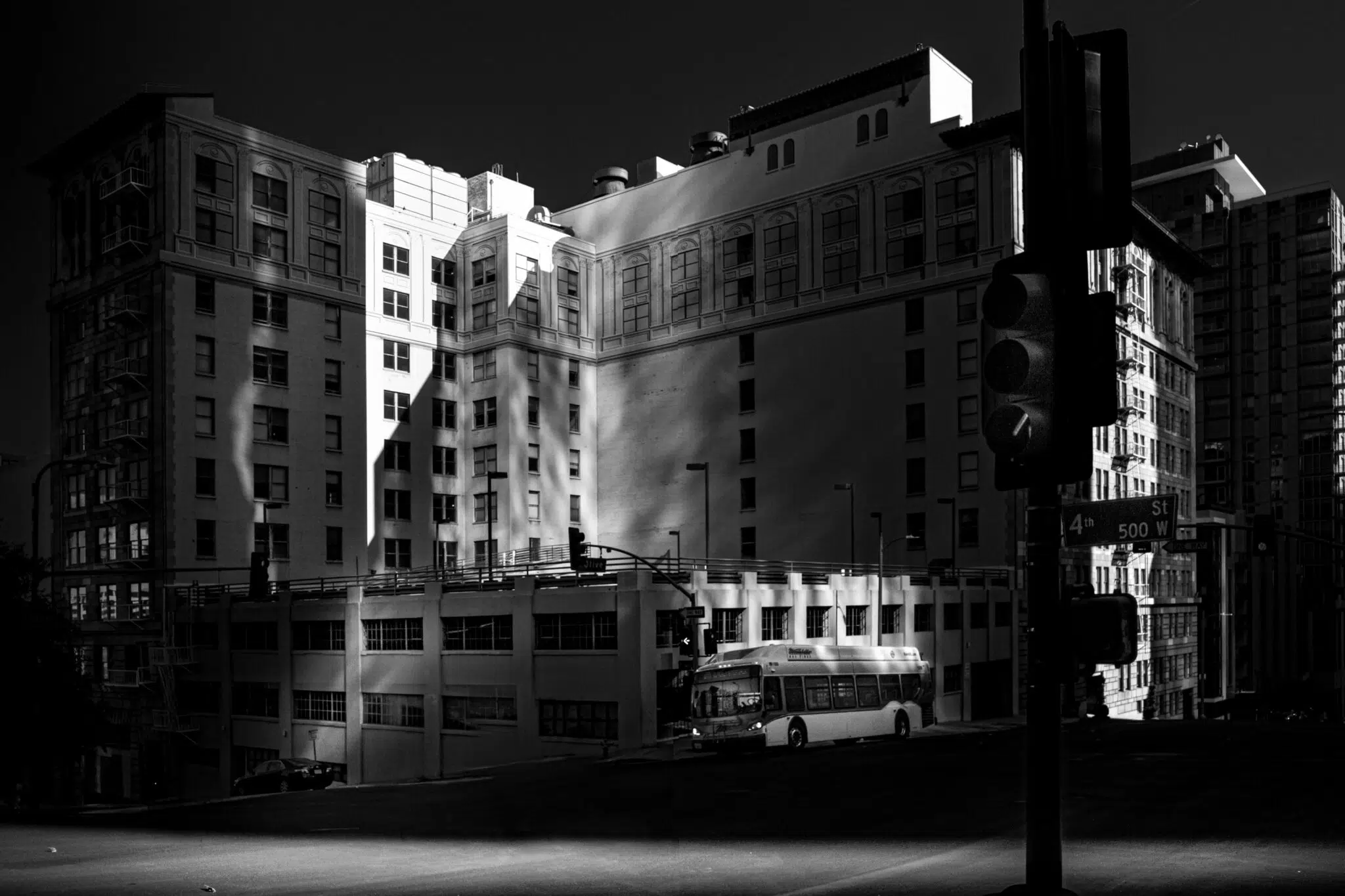
Corner of Hope and West 4th St.
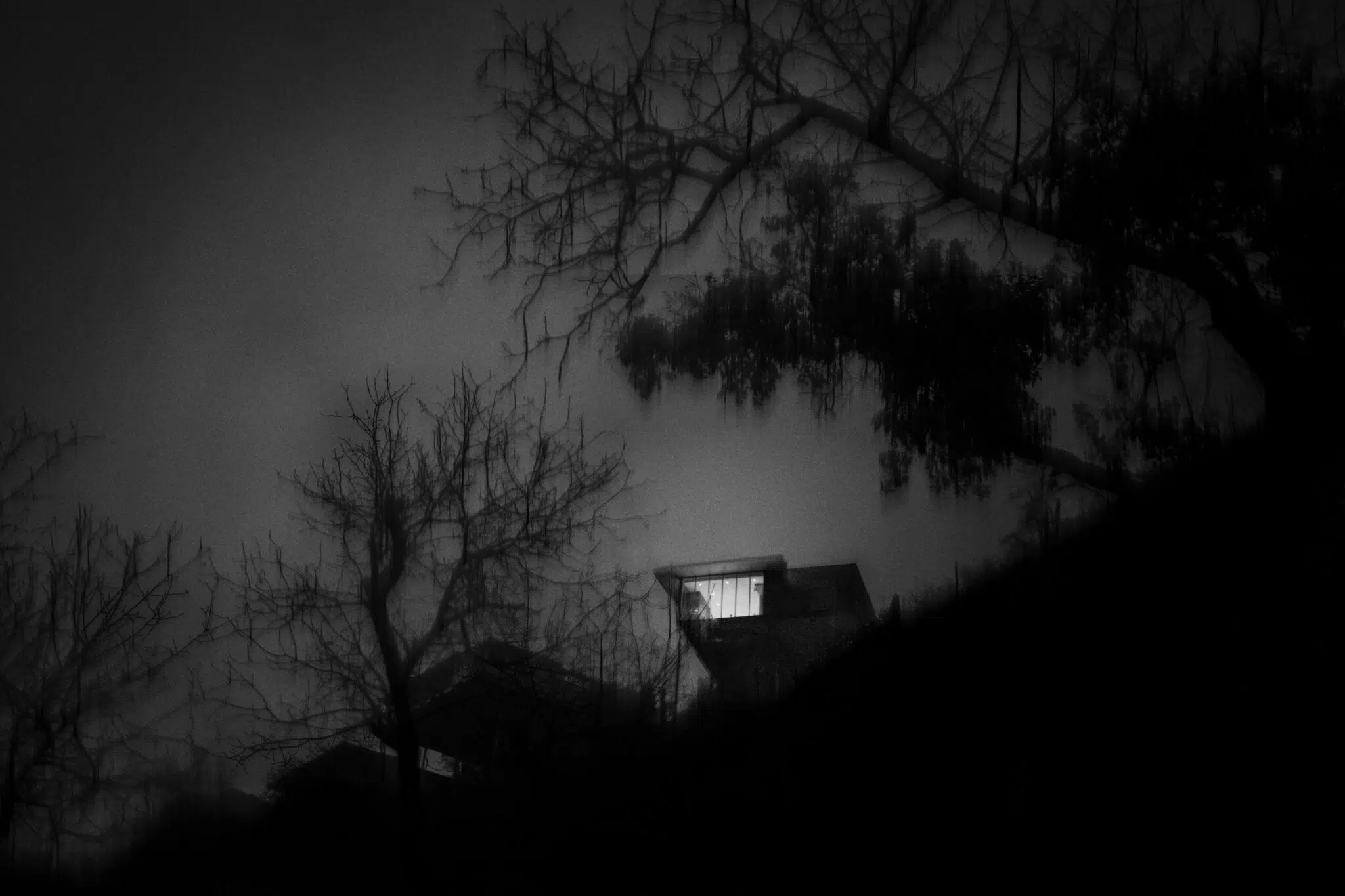
Oakfield Drive, Hollywood Hills
Why did it feel important to explore themes of anonymity, absence, and memory throughout The City Unseen, and how does your photographic style enhance or visualize those ideas?
You know the old adage, write what you know? I’ve spent much of my life navigating feelings of alienation, the pressures of anxiety, and an unreasonable fear of what might be lurking just beyond the light. These are themes rooted in the human condition, which I believe makes them broadly relatable.
Ultimately, I want my photography to scratch the surface in a way that makes you feel something. The short answer is that I understand many of these themes at a root level, and I’m drawn to the challenge of seeing whether I can find ways to give them visual form.
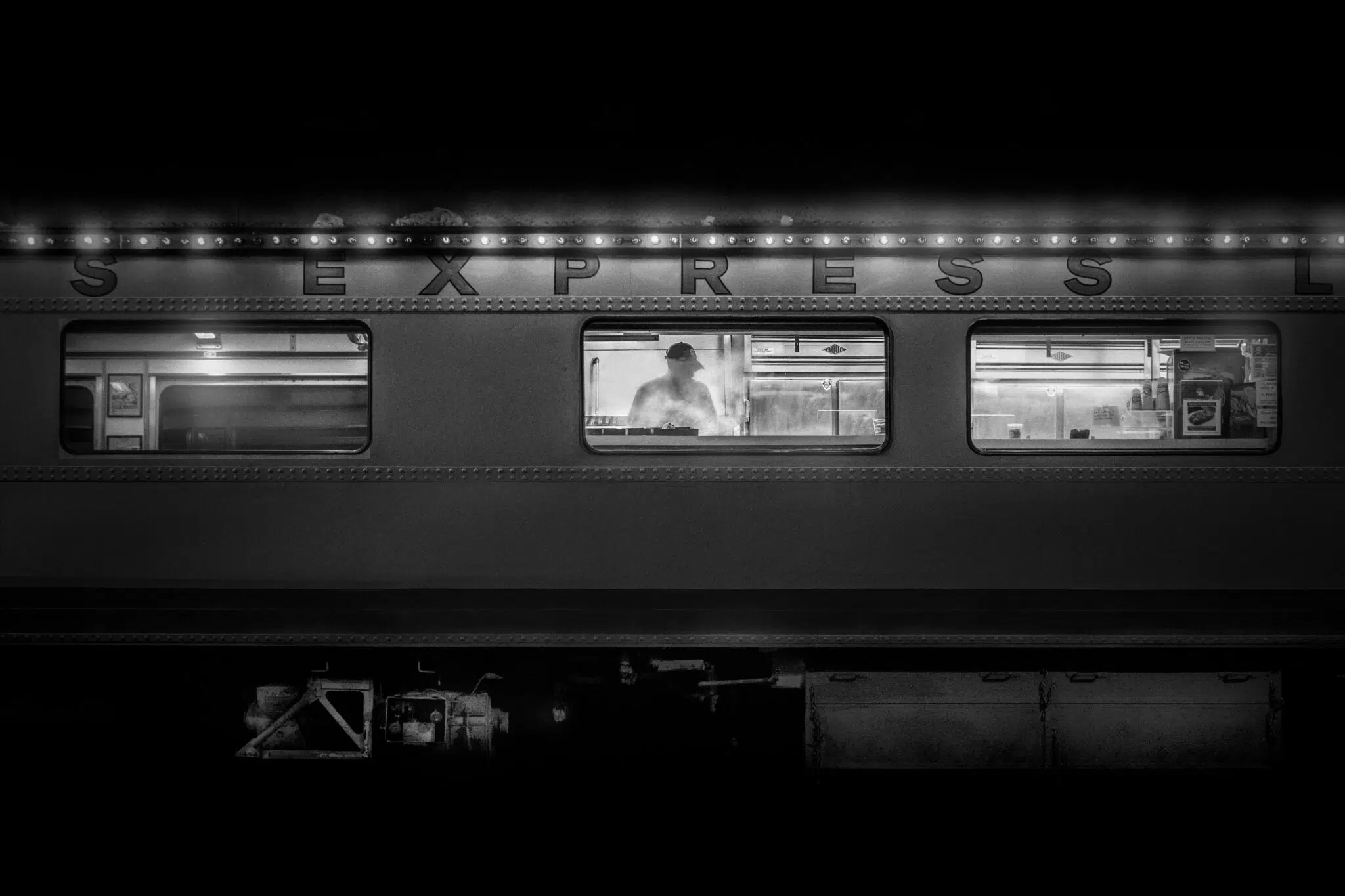
12601 Ventura Blvd.
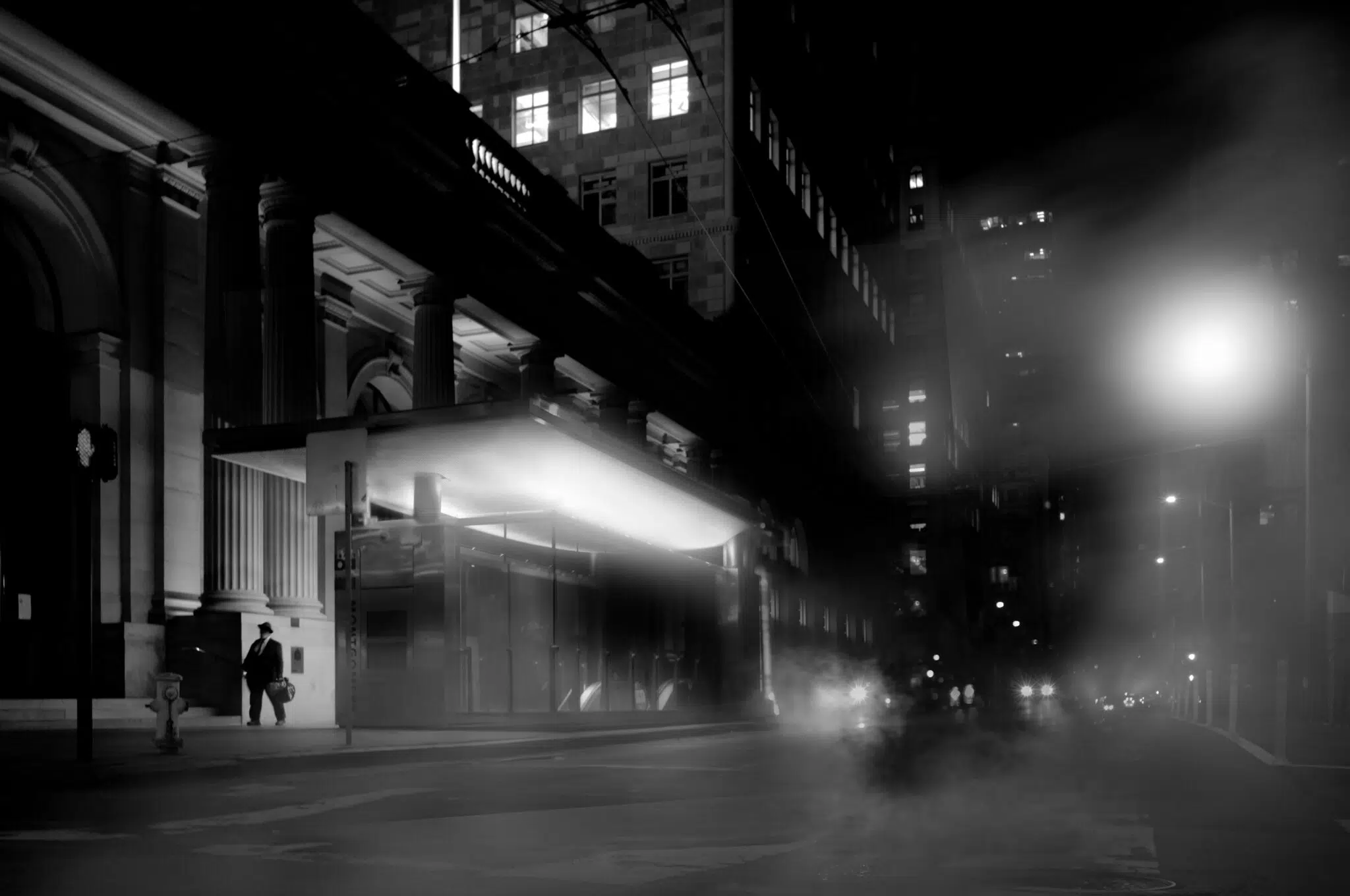
Sansome St.
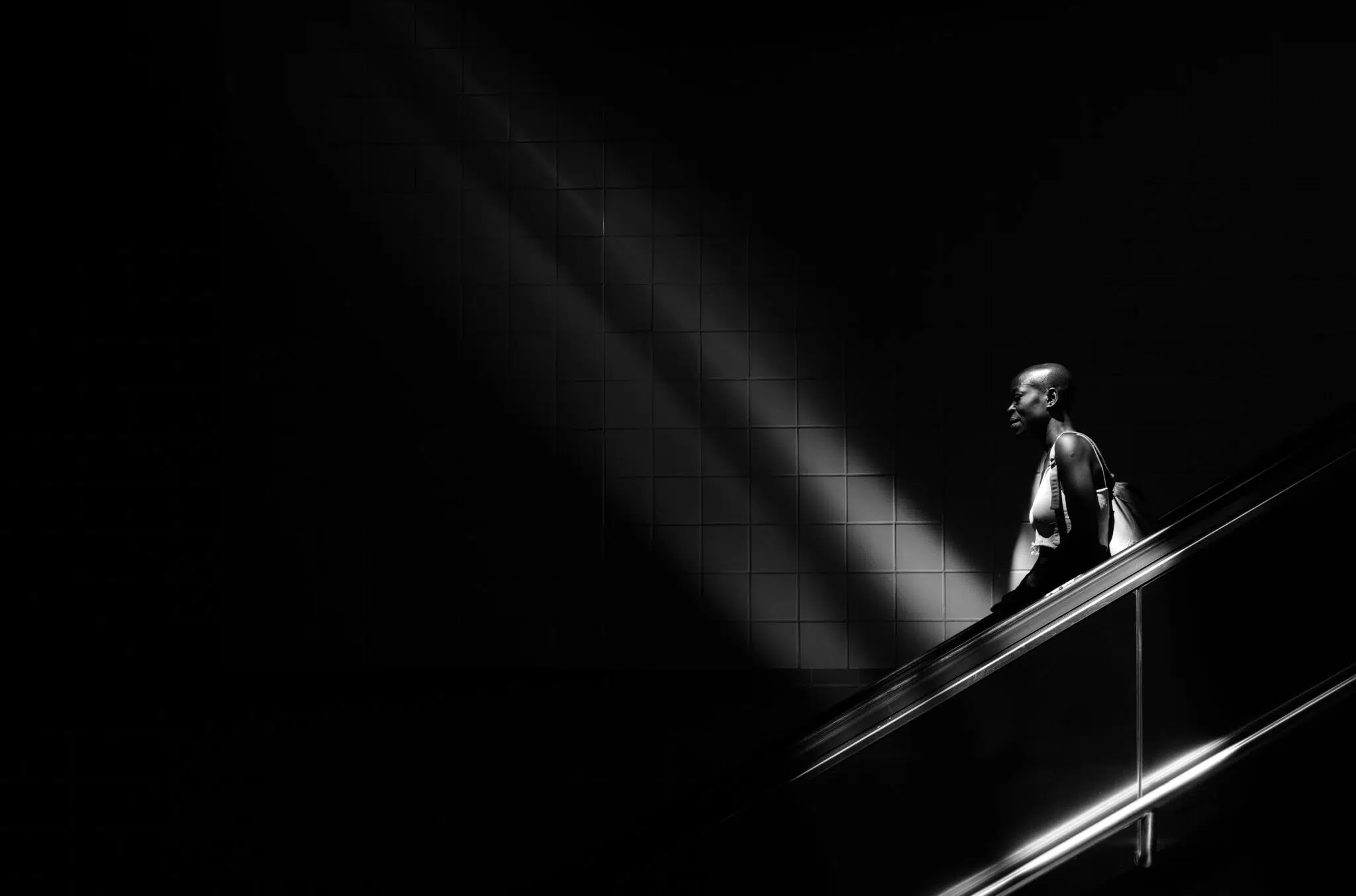
11299 Chandler Blvd.
What do you hope people will take away from The City Unseen?
That it makes them stop and wonder.
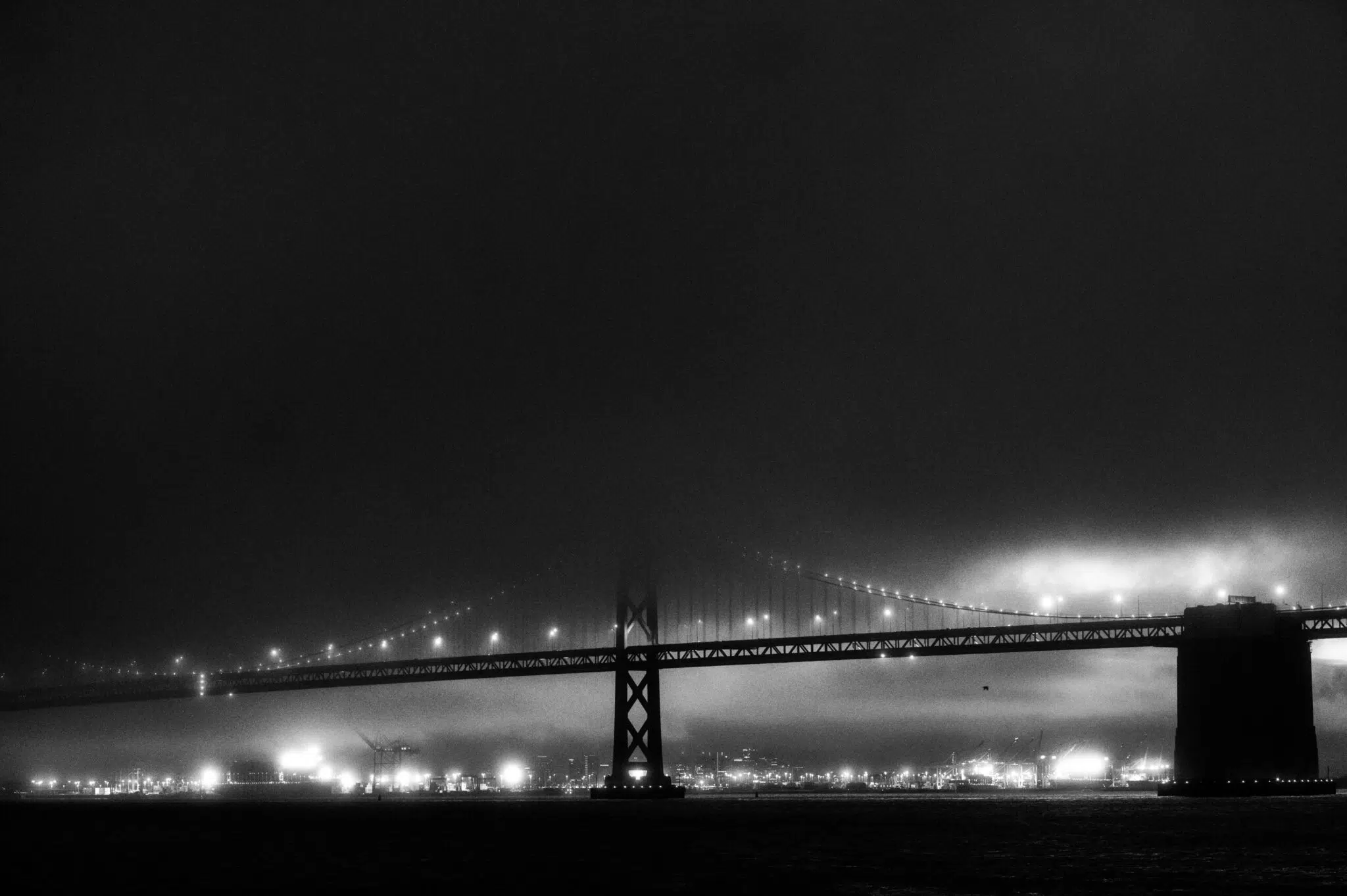
The Bay Bridge
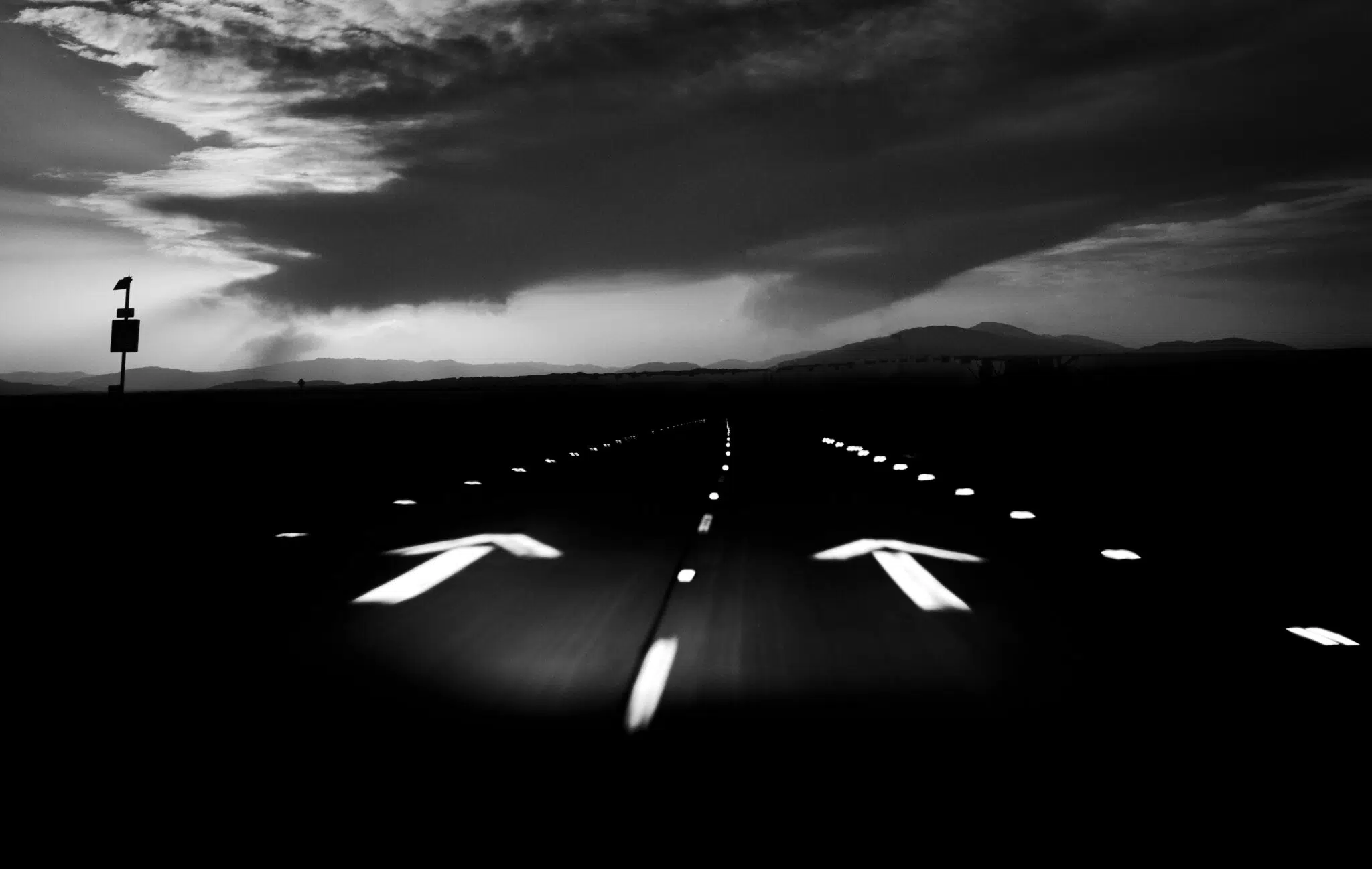
Interstate 86