In the final hours before Mount Vesuvius erupted in 79 CE, Pompeii was not a city bracing for disaster. It was a city alive with sound, movement, and routine. Morning light spilled across stone-paved streets, warming homes painted in deep reds, ochres, and blacks. To the people of Pompeii, this was just another ordinary day.
Thanks to a recent digital reconstruction by the team at Lost in Time, we can now see that the Roman city did not resemble the ghostly ruins visitors walk through today. Instead, it was a dense, colorful urban landscape filled with people moving through the streets, working in shops, preparing meals, and gathering at the Forum. The eruption that would entomb Pompeii came suddenly, interrupting ordinary life without warning.
The digital reconstruction offers one of the most immersive looks yet at Pompeii, drawing from archaeological surveys, architectural measurements, fresco remnants, and historical records. Rather than focusing on destruction, these visualizations restore the city as it once was: vibrant, crowded, and full of life.
Pompeii’s streets formed a grid of buildings rising two or three stories high. Shopfronts opened directly onto the street, where citizens gathered to eat, drink, and socialize. The city’s heart was the Forum, a bustling public square surrounded by temples, markets, and government halls. Here, residents came to worship, trade, and debate.
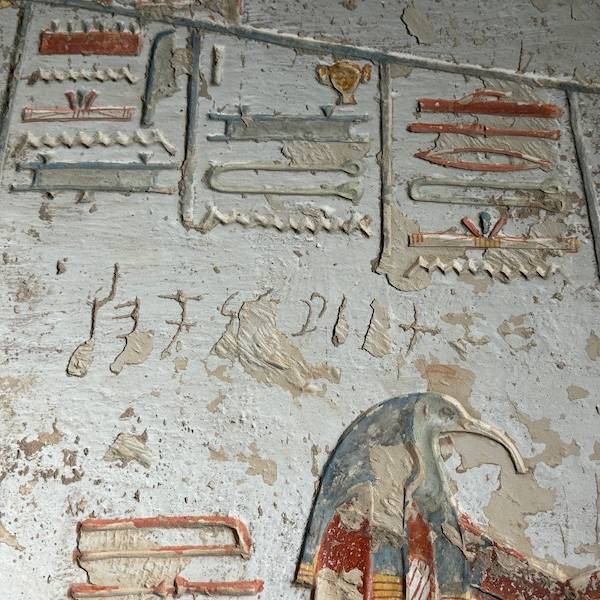
The reconstruction brings back the details that time has worn away. Sunlight filtered through open roofs, mosaic floors gleamed below, and frescoed walls were filled with scenes of myth and nature. What remains today are fragments of this world, glimpses of history scratched into walls or painted across interiors.
It is through these remnants that we learn how the city functioned; how people ate, bathed, socialized, worked, and even scented their bodies. When Mount Vesuvius finally erupted, burying Pompeii beneath ash and pumice, it sealed these moments of time. These traces of everyday life frozen in time for those who still walk its ruined streets today.
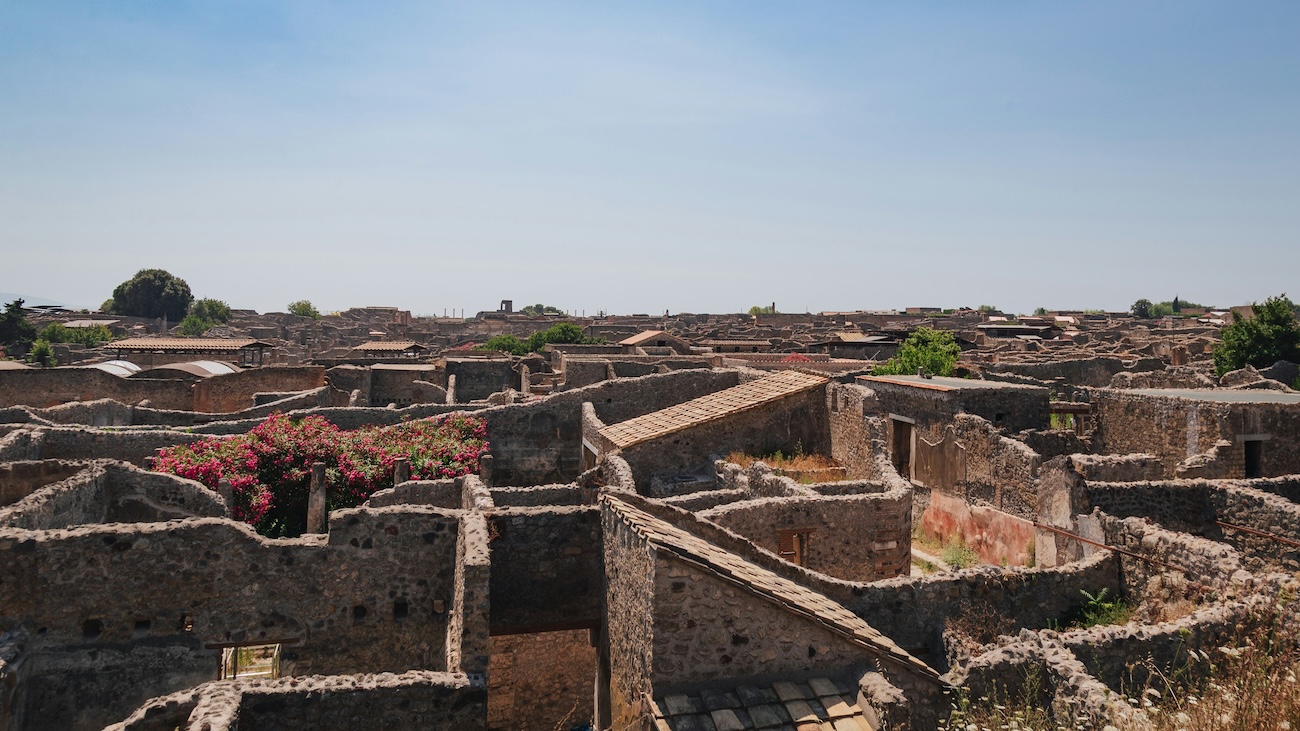
Pompeii was once a thriving Italian city of arts and culture, filled with bustling markets, baths, other recreational attractions boasting prosperity.

Photo: Sage Helene / My Modern Met
In 79 CE, when Mount Vesuvius erupted, the city was tragically destroyed and sealed in ash.
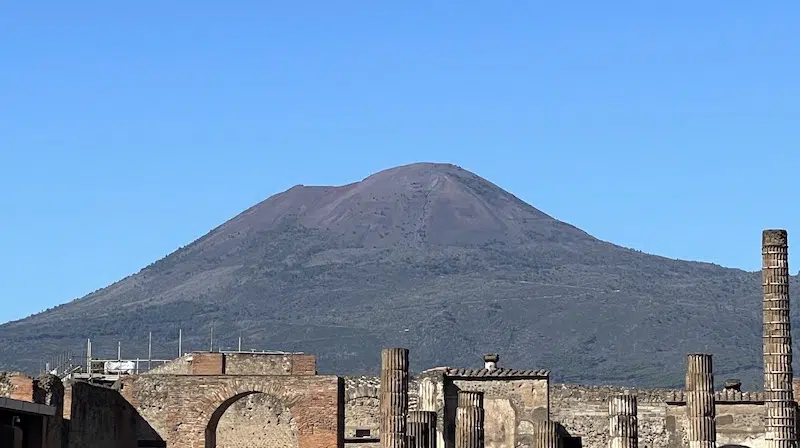
Photo: Sage Helene / My Modern Met
Moments of daily life were preserved in the historic destruction.
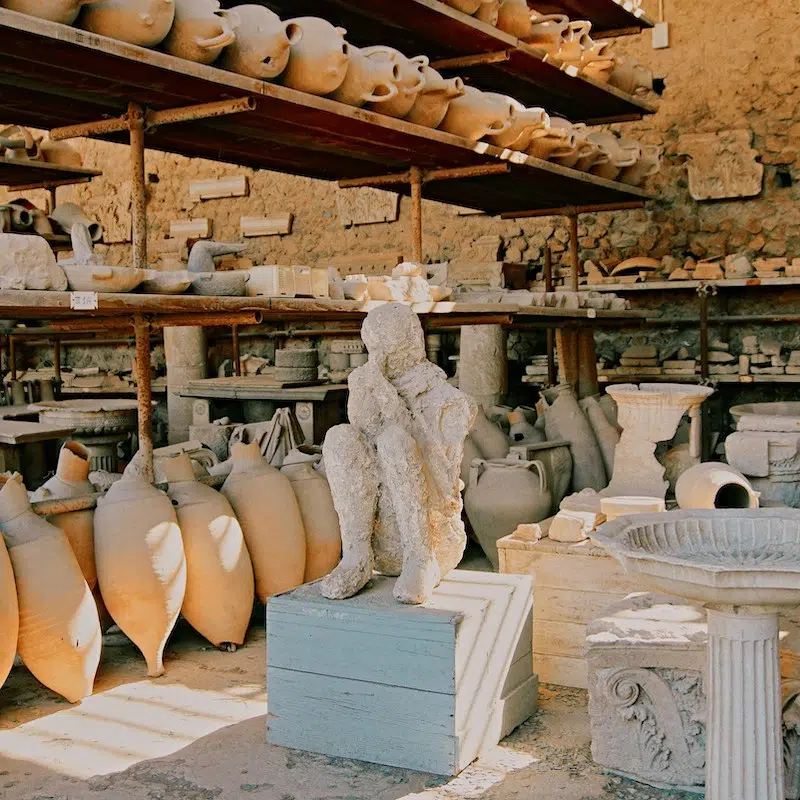
Now, centuries later, we’re able to visit the ill-fated city to observe what remains and what’s been remarkably preserved in the ash.
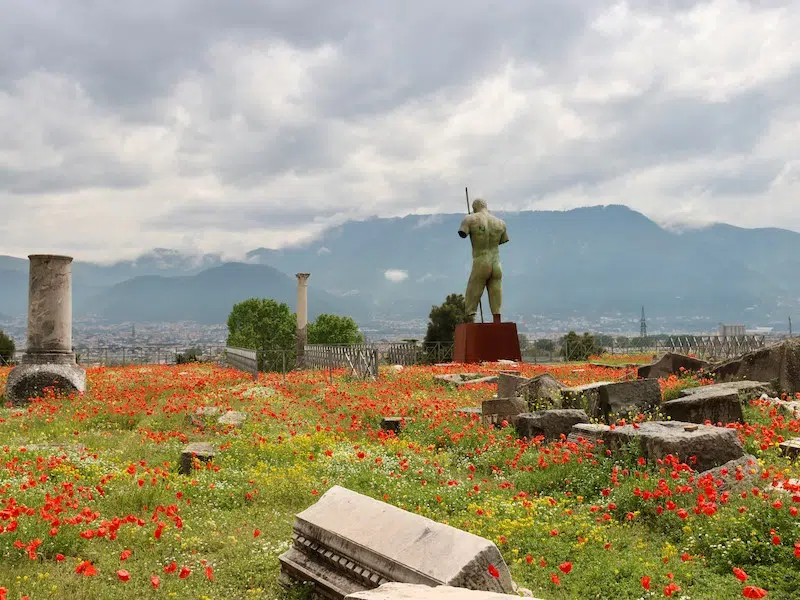
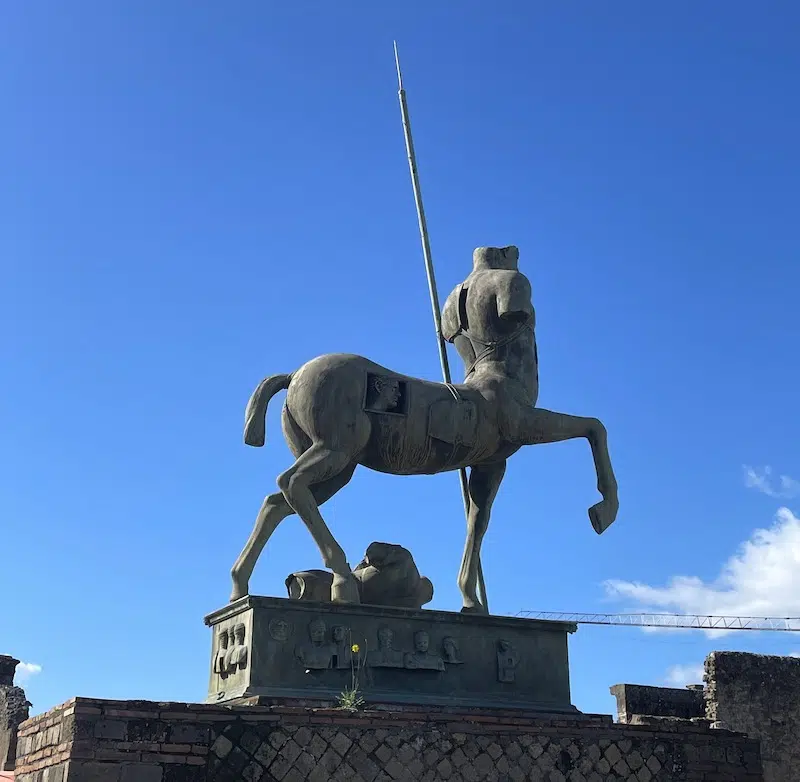
Photo: Sage Helene / My Modern Met
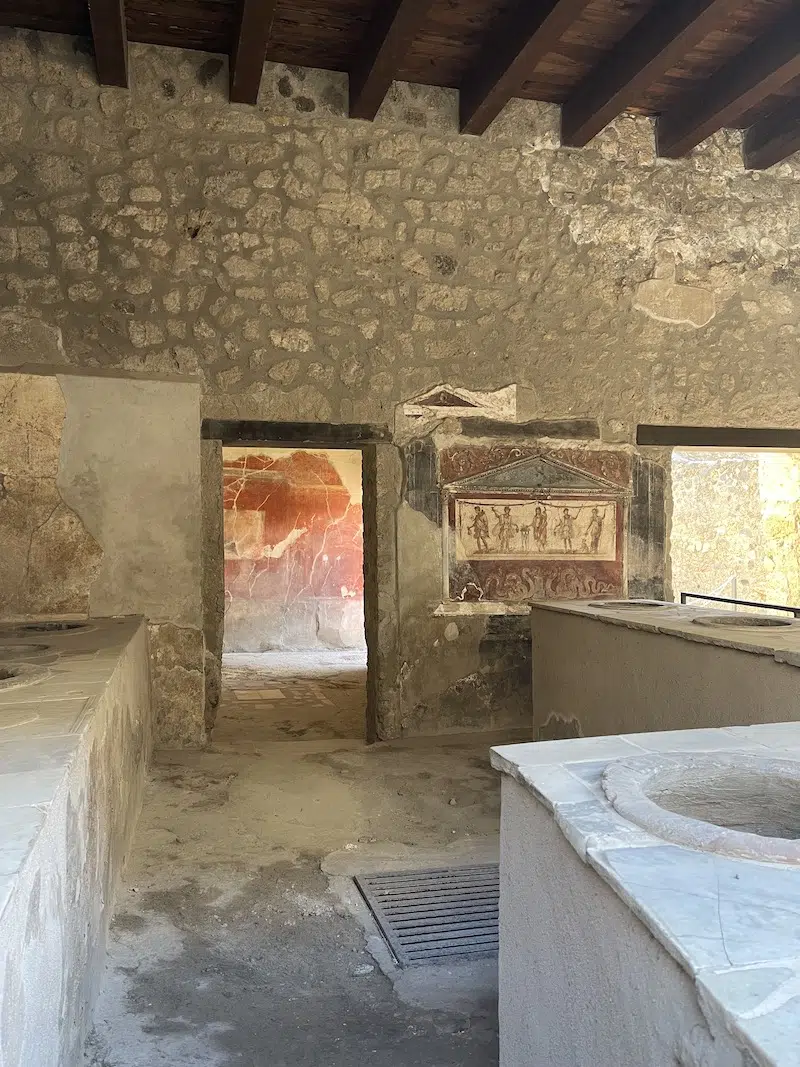
Photo: Sage Helene / My Modern Met
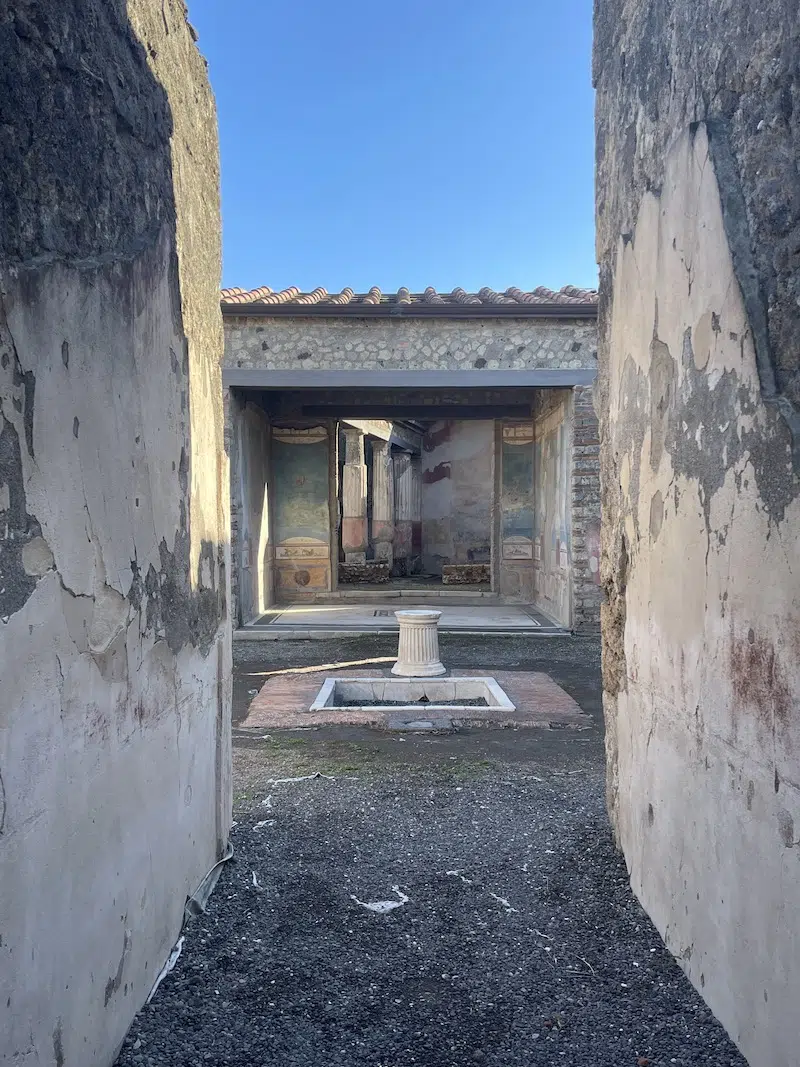
Photo: Sage Helene / My Modern Met
Using archaeological evidence and digital modeling, we can also now imagine Pompeii as it truly looked just hours before the eruption.
Lost in Time: Website | YouTube
Source: What Pompeii Looked Like Hours Before Its Destruction: A Reconstruction
Related Articles:
Nearly Life-Sized Relief Sculptures in Exceptional Condition Discovered in Pompeii
New Well-Preserved Paintings Discovered at Pompeii Amid Ongoing Excavations
Newly Discovered Pompeii Frescoes Reveal a Different—Wild—Side of Ancient Roman Women
Archeologists Discover “Tiny Home” in Pompeii Filled With Well-Preserved Frescoes