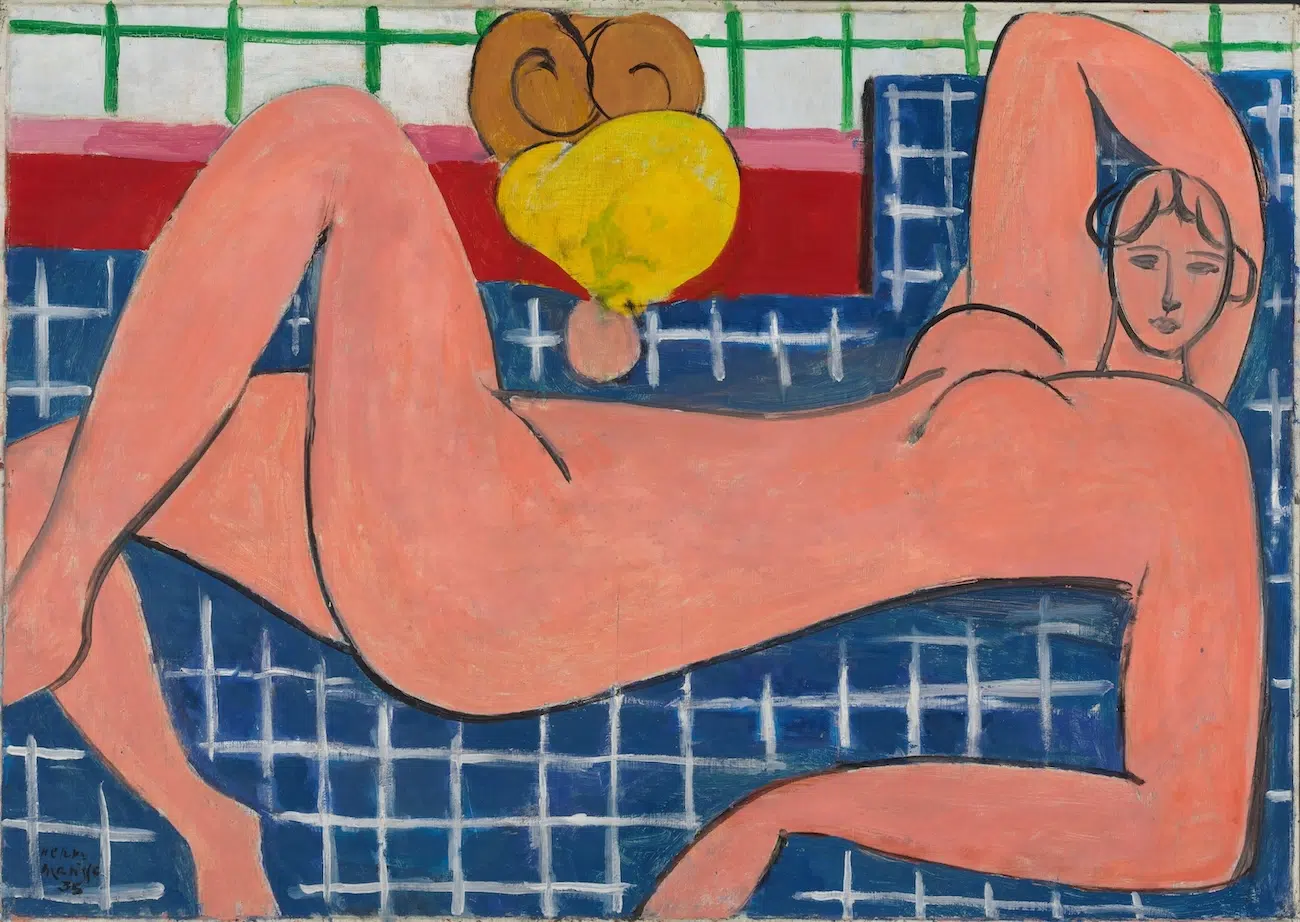
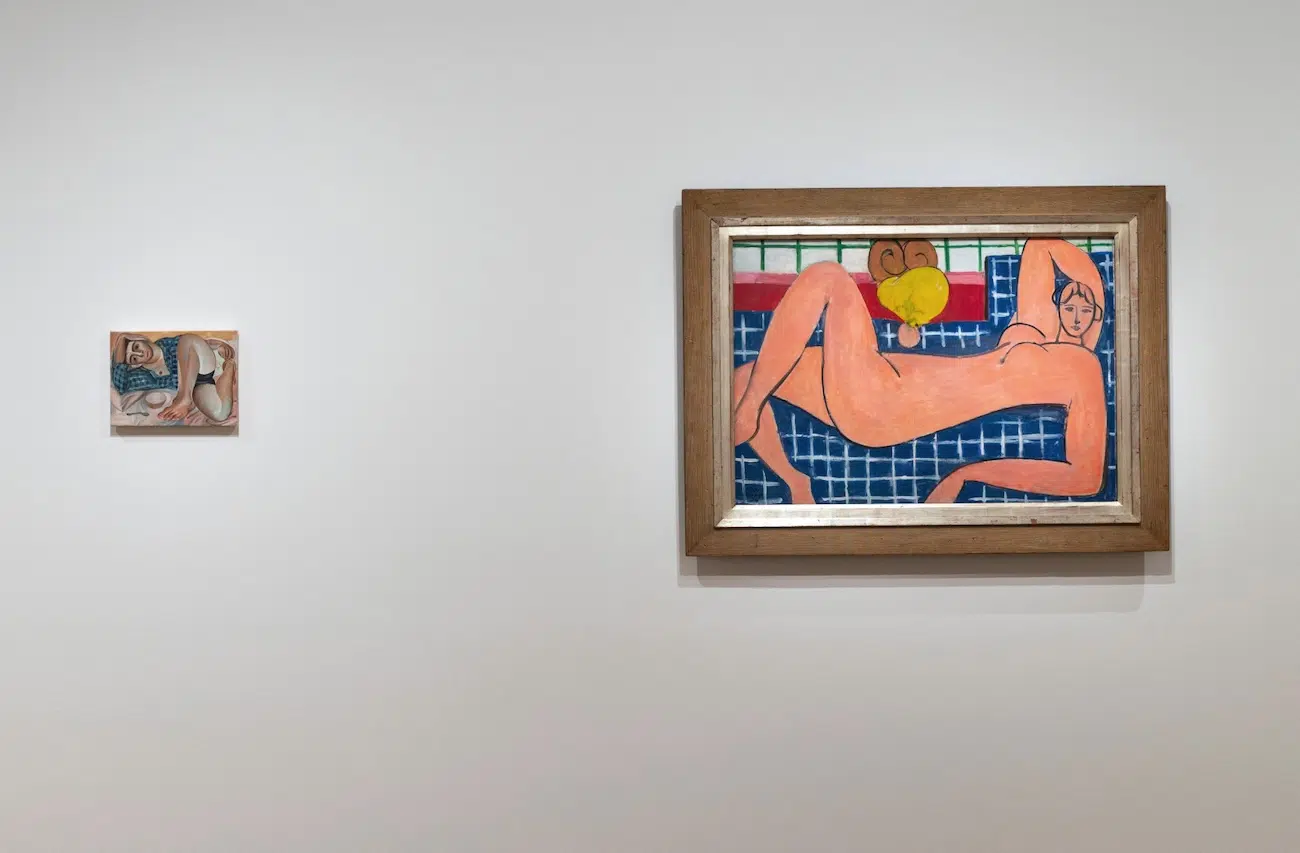
Henri Matisse. “Large Reclining Nude,” 1935. Baltimore Museum of Art. The Cone Collection, formed by Dr. Claribel Cone and Miss Etta Cone of Baltimore, Maryland. BMA 1950.258. © Succession H. Matisse/Artists Rights Society (ARS), New York
The Baltimore Museum of Art (BMA) is home to the world’s largest public collection of works by Henri Matisse. In 1949, the BMA received 600 pieces from Baltimore sisters Claribel and Etta Cone, two of the most prominent collectors of modern art in the first half of the 20th century. Since then, the BMA’s collection has more than doubled, and now, the work of the French artist is on display in not one, but three exhibitions happening simultaneously in the museum.
The trio of shows highlights the enduring influence of Matisse and helps engage the public with his timeless oeuvre, complemented by the institution’s commitment to new scholarship about his work.
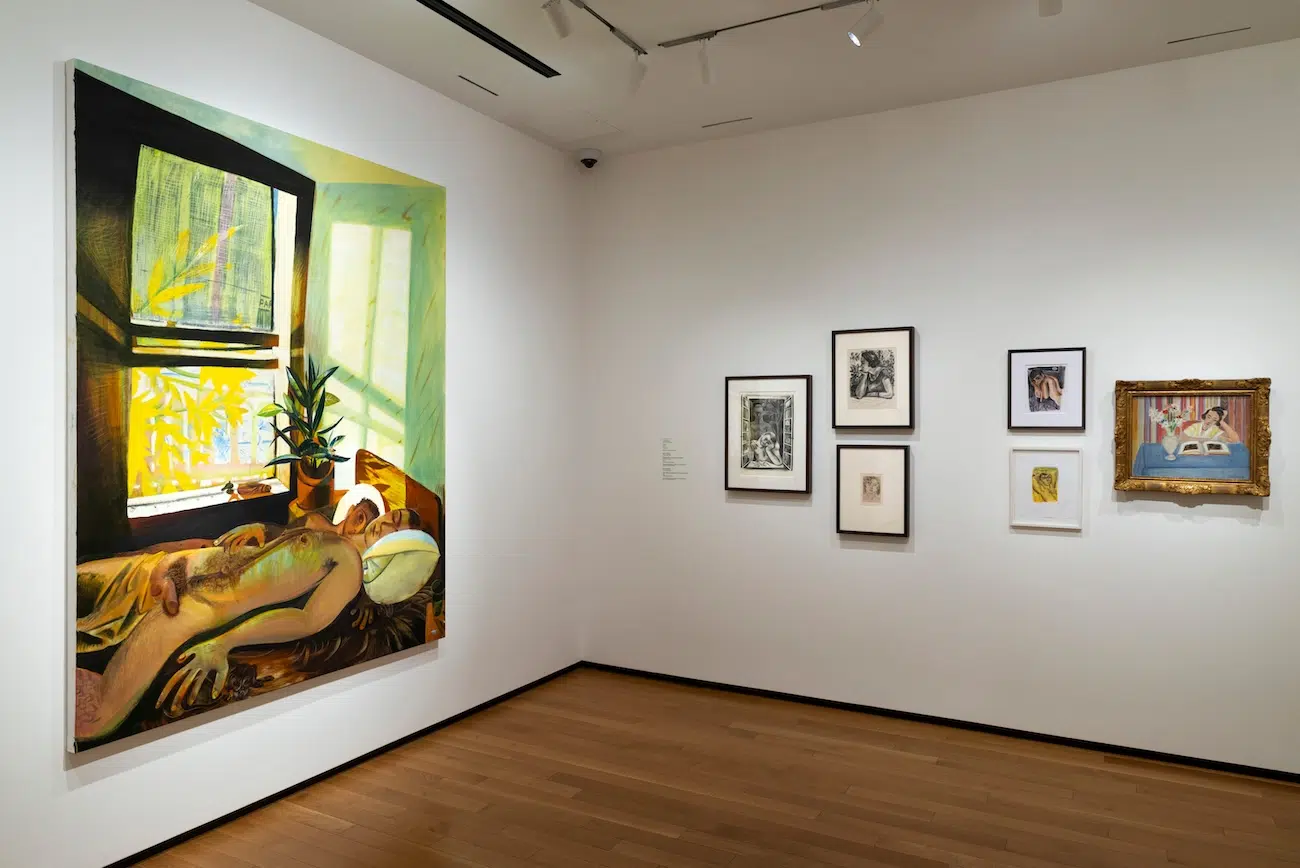
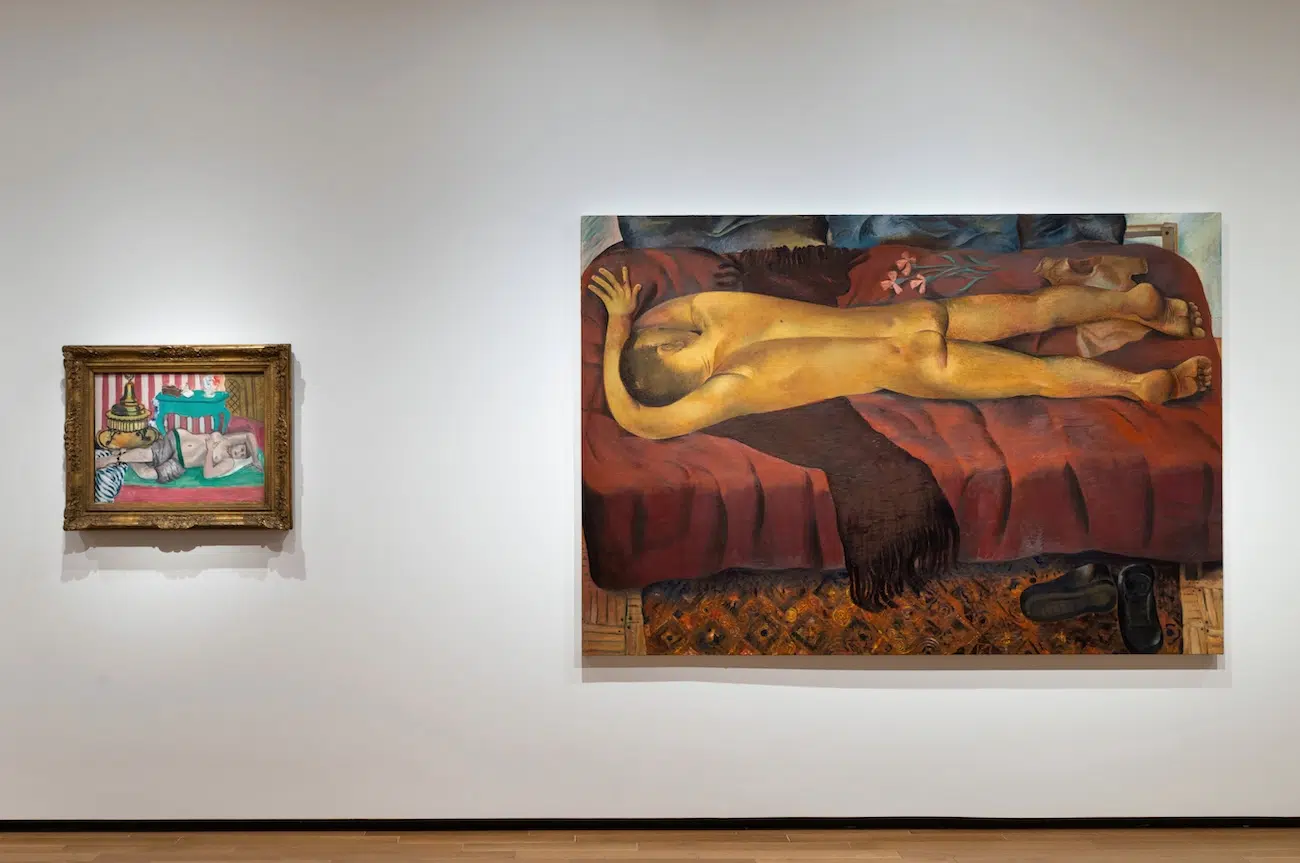
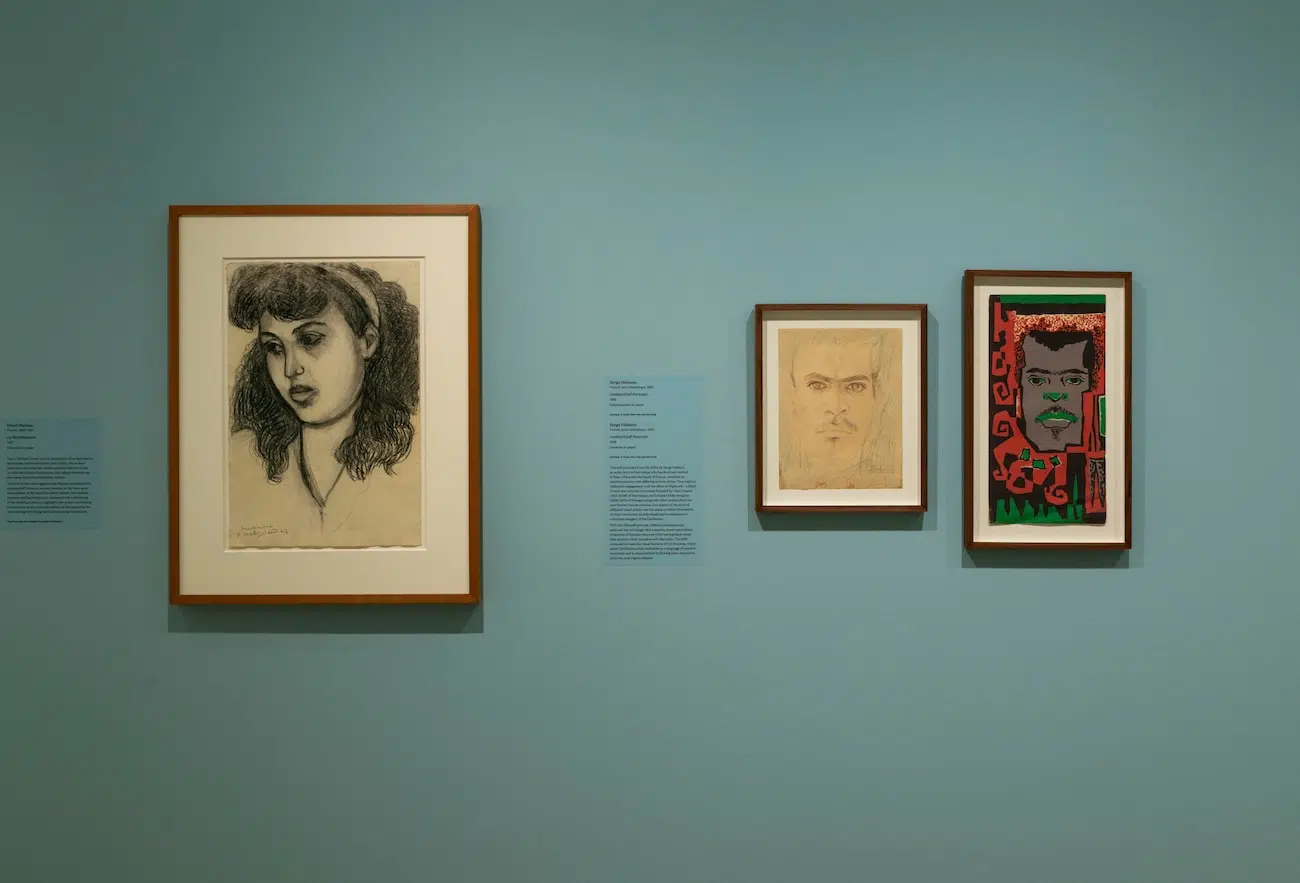
Fratino and Matisse: To See This Light Again focuses, in part, on figure studies. The exhibition features approximately 30 figurative, interior, still life, and self-portraiture works by Matisse and contemporary artist Louis Fratino. Born in Maryland and educated at the nearby Maryland Institute College of Art, Fratino displays his celebrated intimate and expressive portraits of the male figure. They stand in juxtaposition and in conversation with Matisse’s female models, and Fratino created several new works with the show in mind. Together, the pieces explore aesthetic and conceptual interplay and how that translates across generations of creatives.
While Fratino and Matisse includes the work of a second artist, Matisse and Martinique: Portraits and Poetry focuses on one of Matisse’s least-known series of book illustrations. It’s inspired by the artist’s 1930 visit to Martinique, an island in the Caribbean that’s also a French territory. He visited for his friend John-Antoine Nau’s book, Poésies Antillaises (Antillean Poetry). Works in the exhibition feature portraits of female companions who inspired the pleasant thoughts of travel, music, and idyllic ocean landscapes.
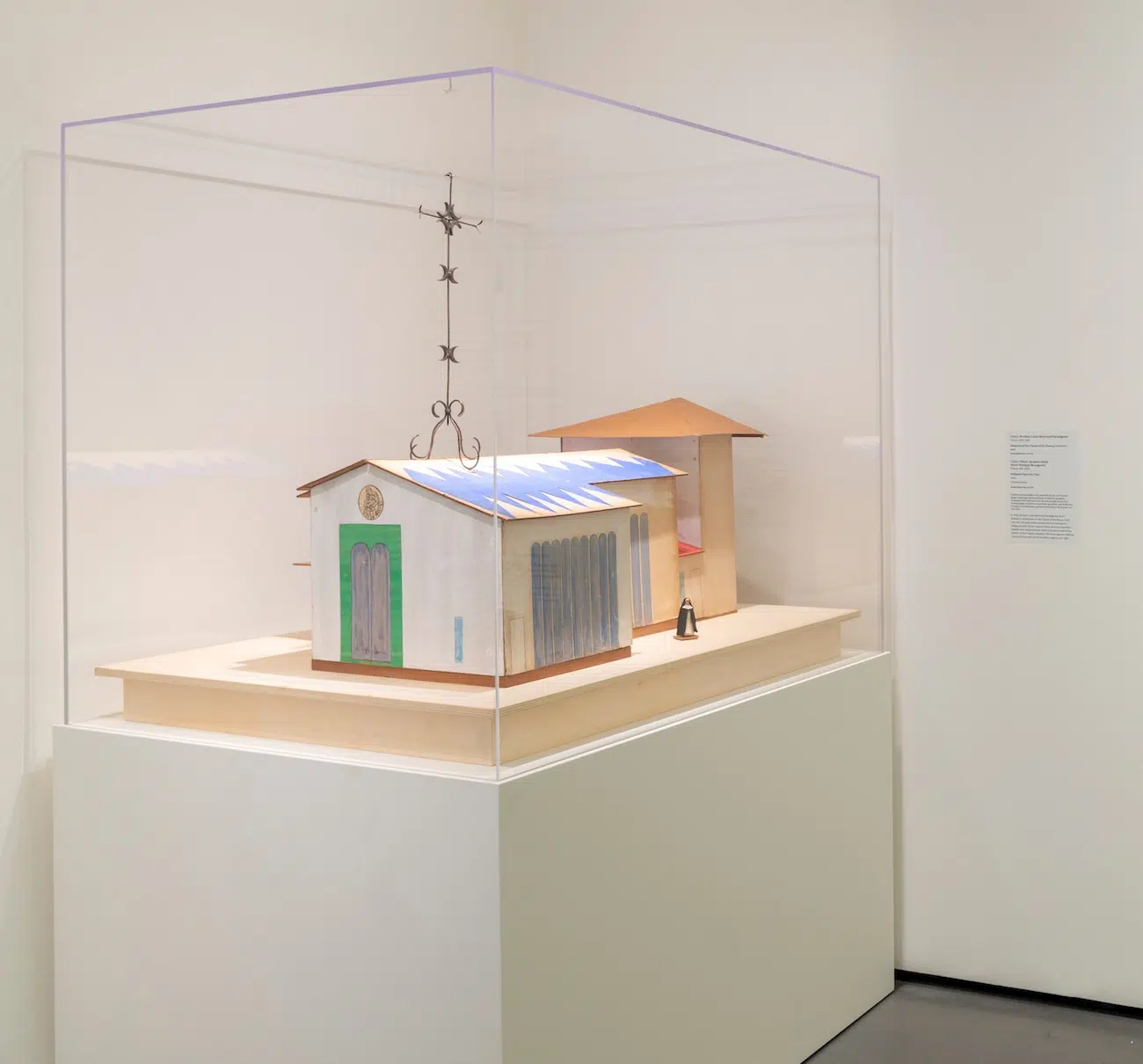
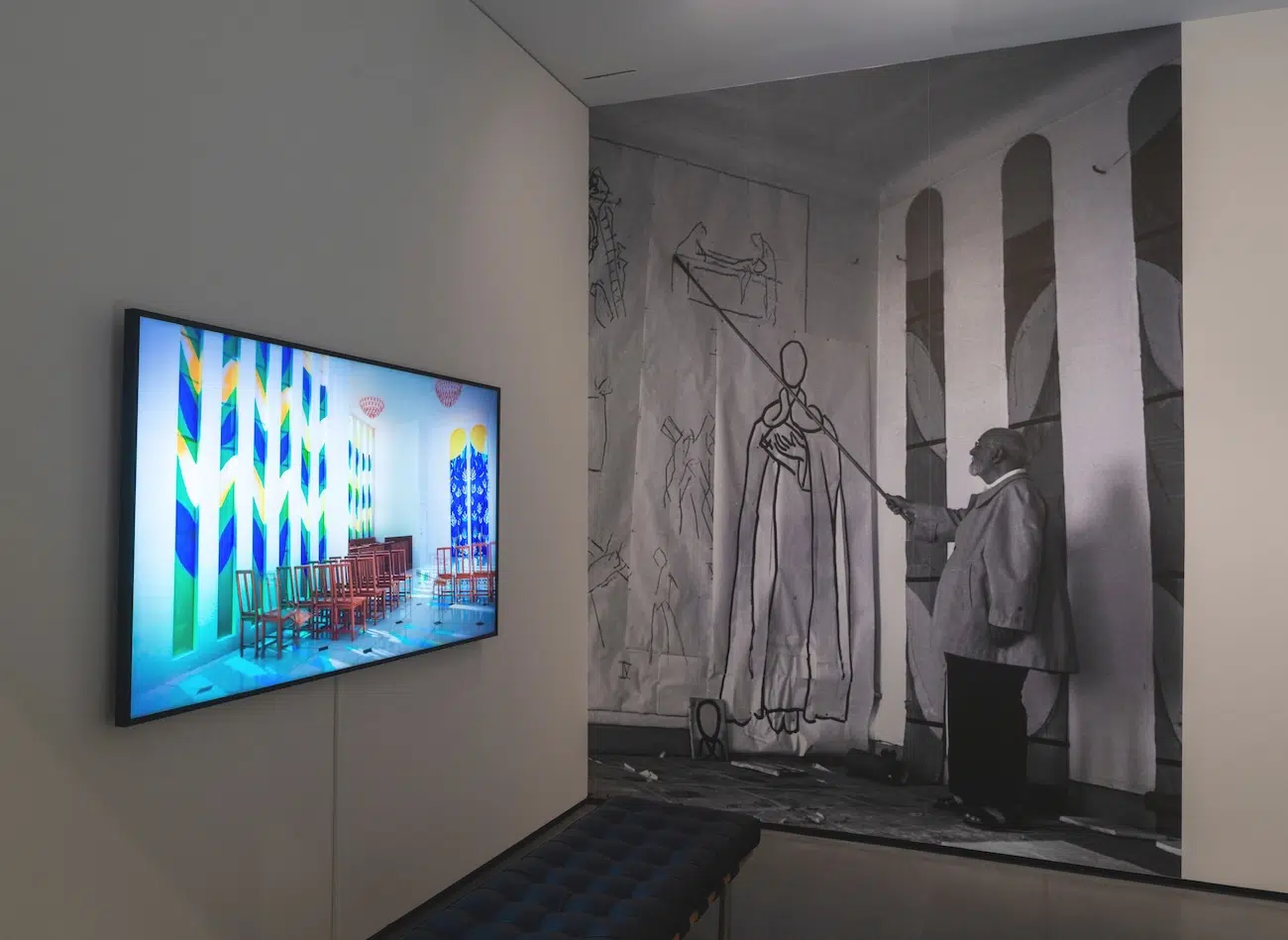
The third show on view is one co-organized with Musée Matisse in Nice, France. Titled Matisse in Vence: The Stations of the Cross, it features 85 rarely shown or previously unseen works on paper detailing his only architectural project. During WWII, Matisse moved from Nice to Vence, France, to escape the threat of bombs. While there, he reconnected with a former model who had been his nurse and was taking steps to become a Dominican nun. Their renewed ties led to a four-year commission to design the interior and exterior of a chapel in the town.
Matisse conceived of every aspect of the building, from stained glass windows to three large-scale ceramic murals. Matisse in Venice was guest curated by the distinguished scholar Yve-Alain Bois, Professor Emeritus, Institute for Advanced Study in Princeton, New Jersey, with assistance from Alix Agret, art historian and researcher.
Matisse in Vence: The Stations of the Cross is on view until June 28, 2026; Fratino and Matisse: To See This Light Again is on view until September 6, 2026; and Matisse and Martinique: Portraits and Poetry is on view until October 25, 2026.
A trio of shows at the Baltimore Museum of Art highlights the enduring influence of Henri Matisse and helps engage the public with his timeless oeuvre.
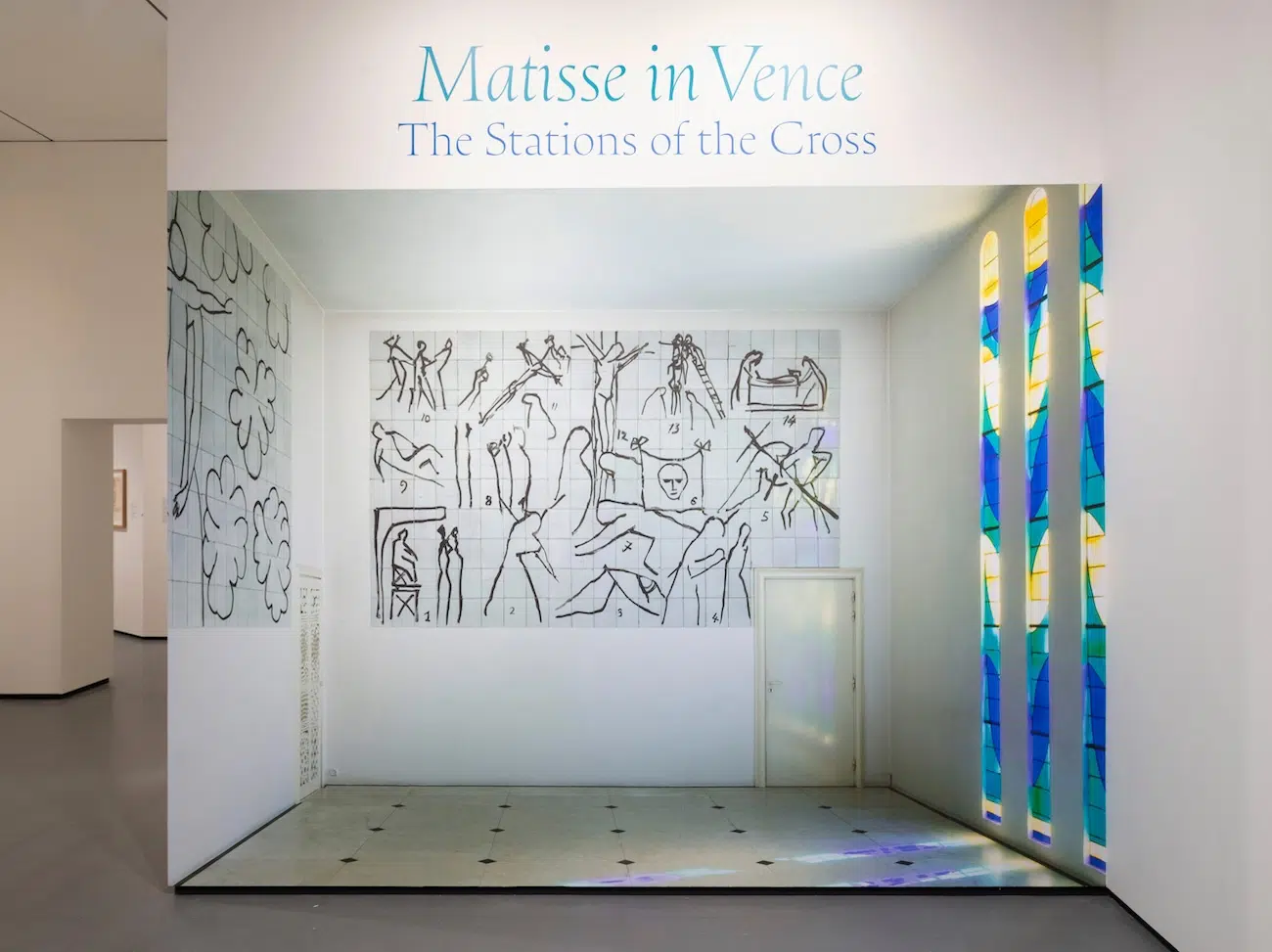
Matisse in Vence: The Stations of the Cross features 85 rarely shown or previously unseen works on paper detailing his only architectural project.
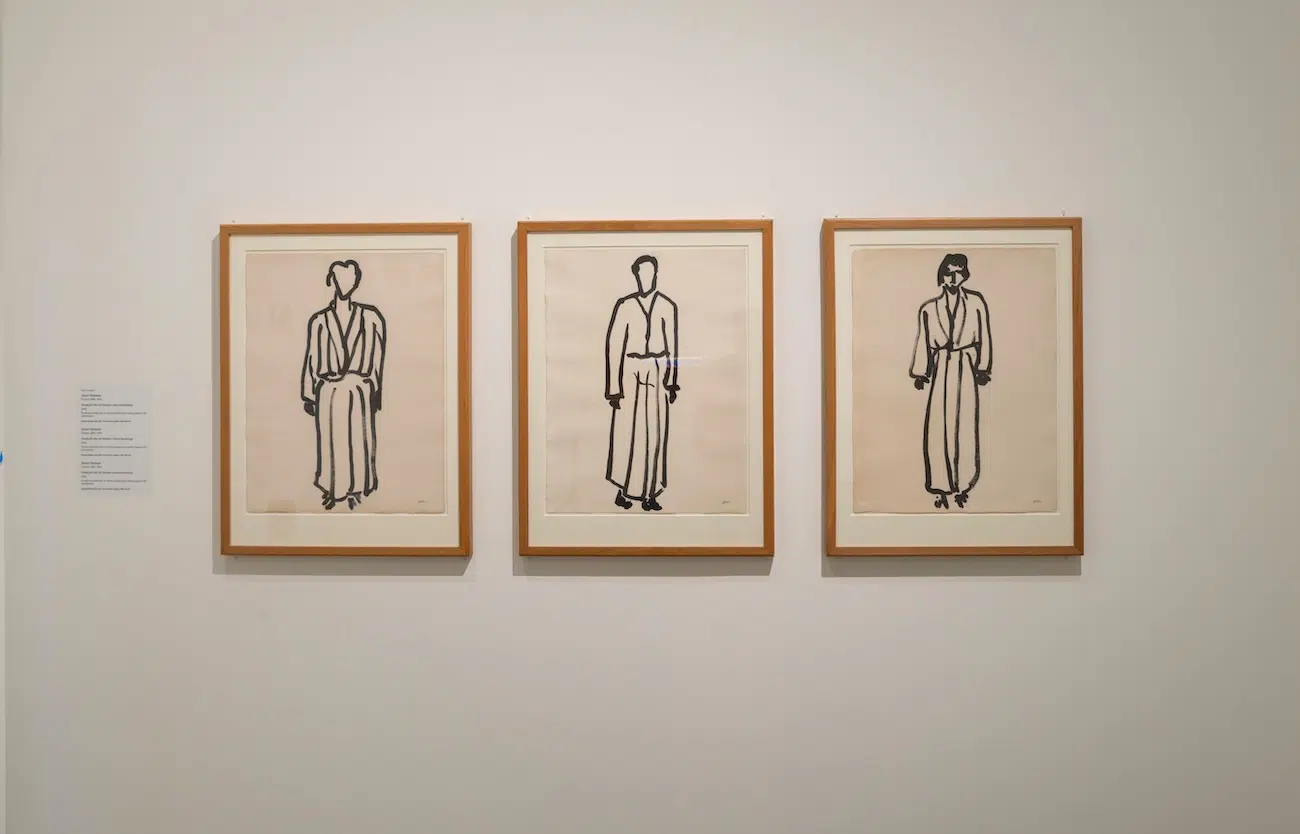
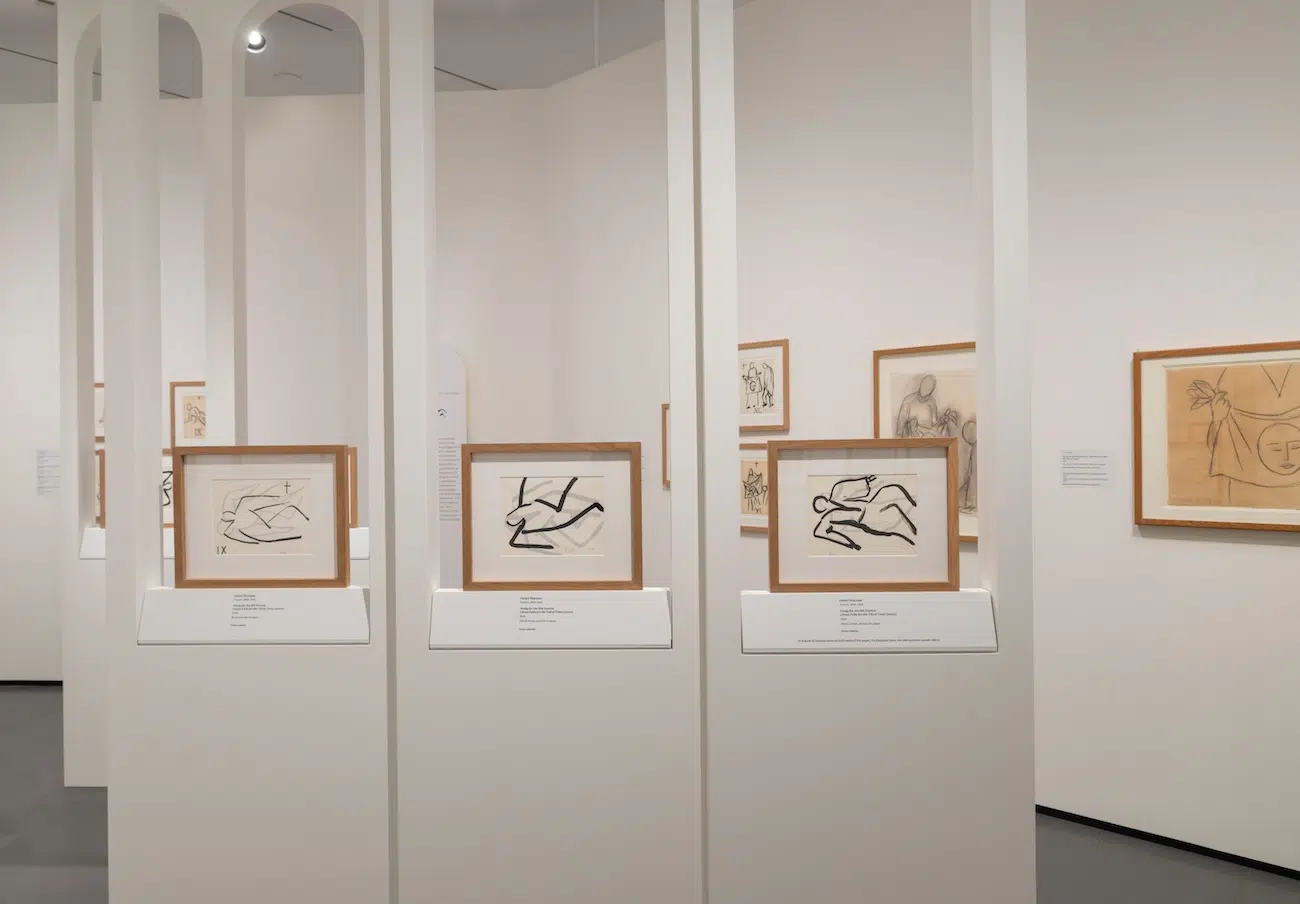
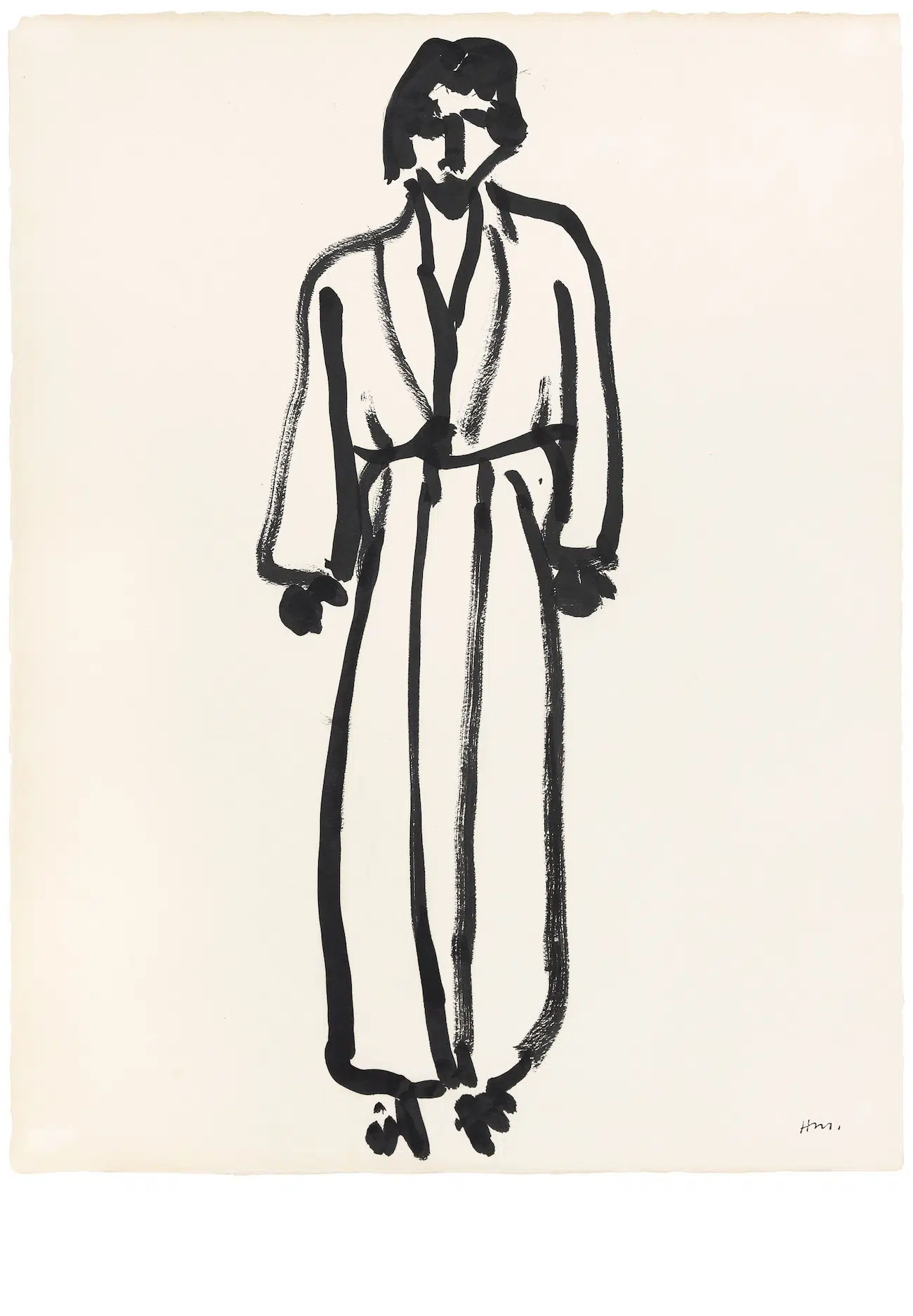
Henri Matisse. “Study for the 1st Station (Jesus Standing).” 1948. Matisse Museum, Nice. Gift of the artist’s estate, 1960 63.3.31
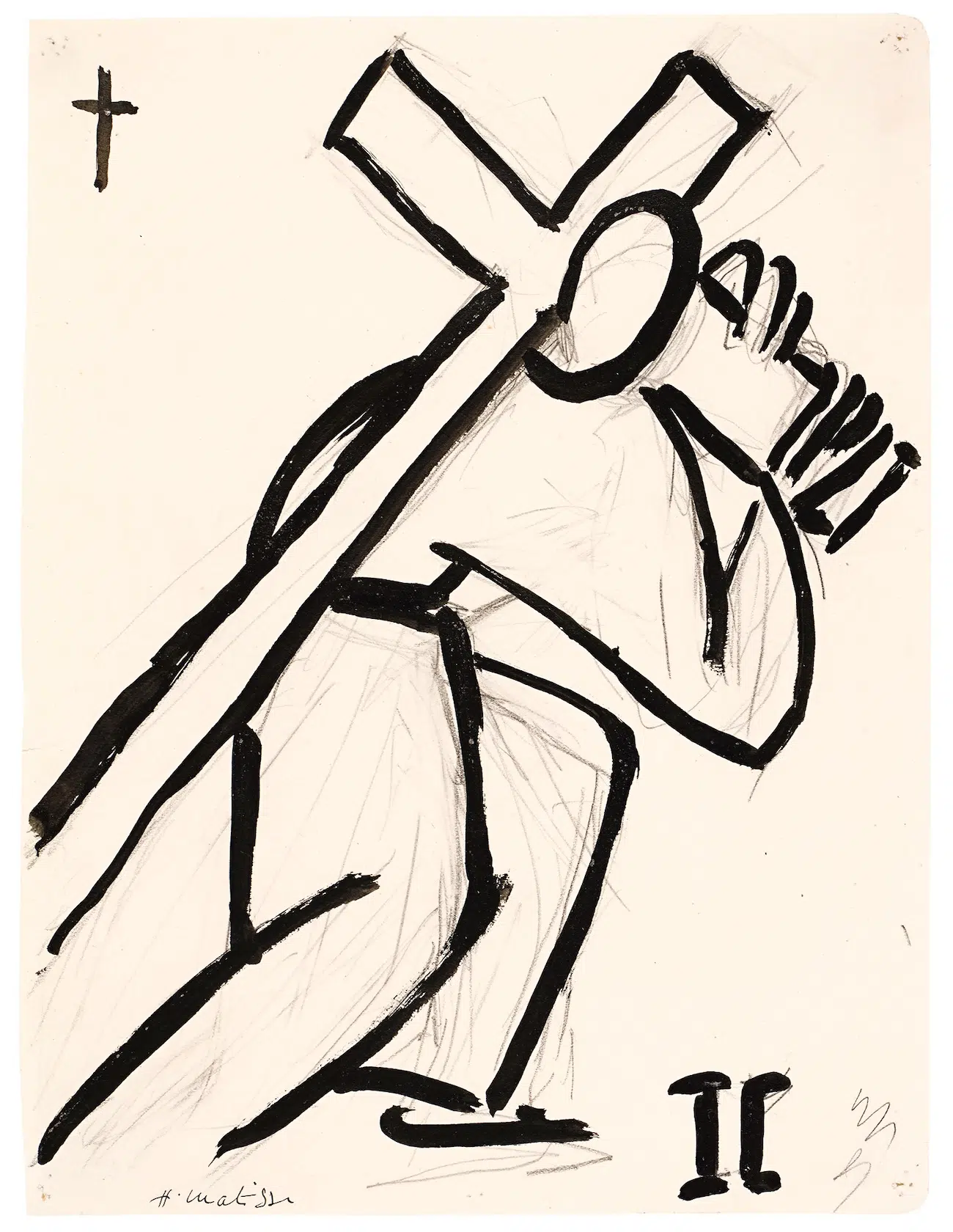
Henri Matisse. “Study for the 2nd Station (Jesus takes up His cross).” 1948. Ahrenberg Collection, Switzerland
The show is on view until June 28, 2026.
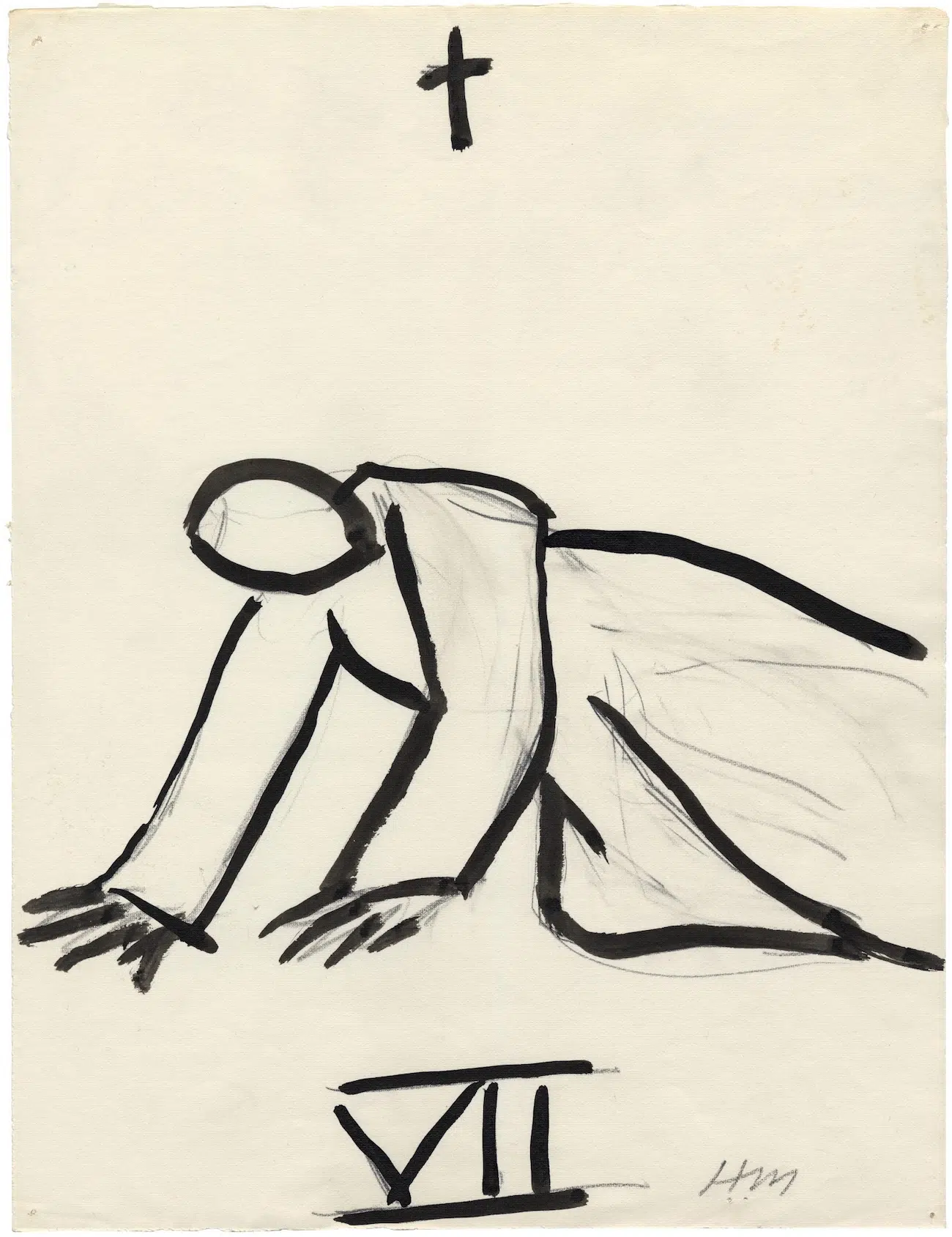
Henri Matisse. “Study for the 7th Station (Jesus falls for the second time),” 1948. Private Collection
Fratino and Matisse: To See This Light Again features approximately 30 figurative, interior, still life, and self-portraiture works by Matisse and contemporary artist Louis Fratino.
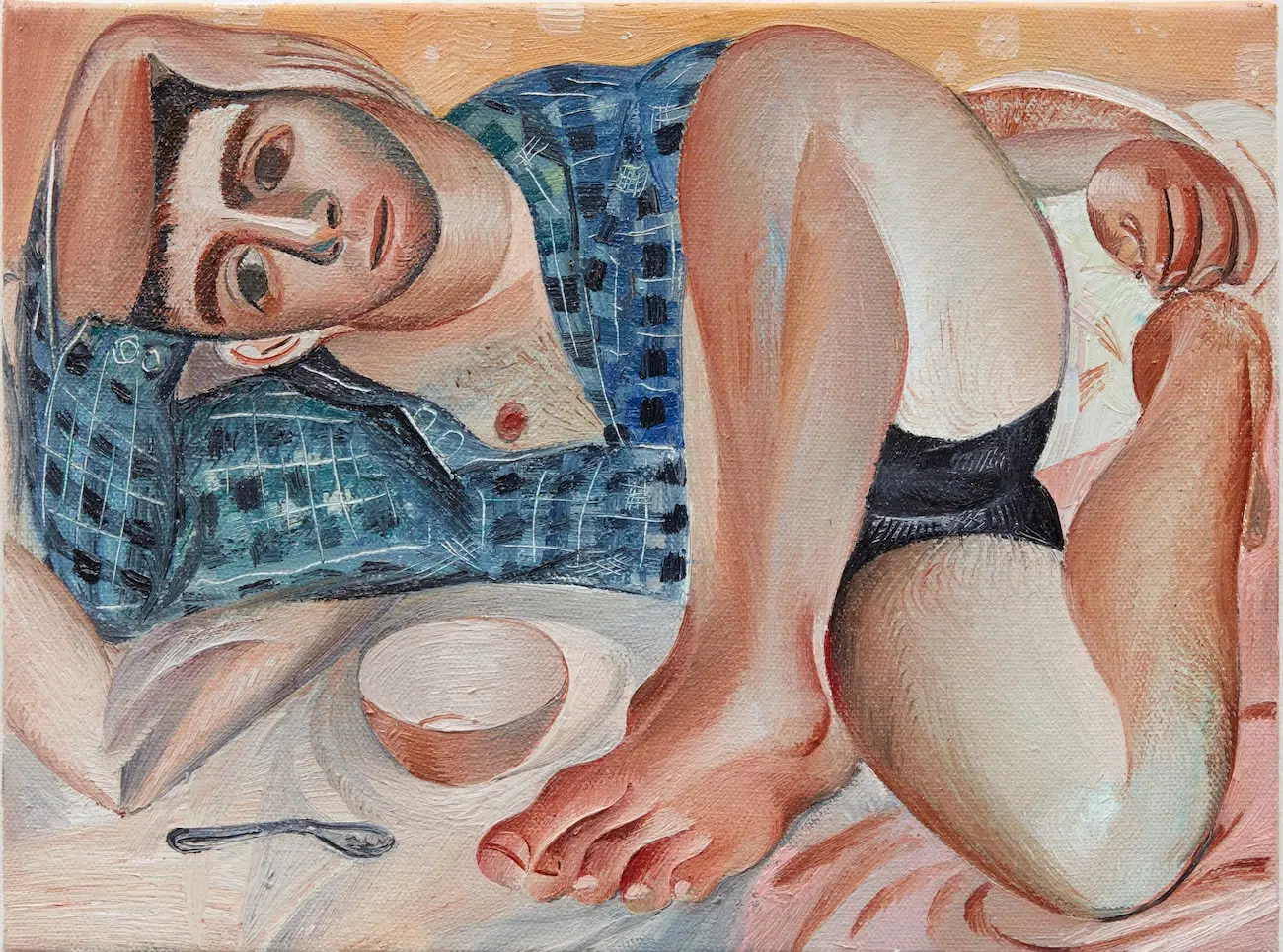
Louis Fratino. “Tom,” 2019. Collection Arturo Herrera, Berlin © Louis Fratino
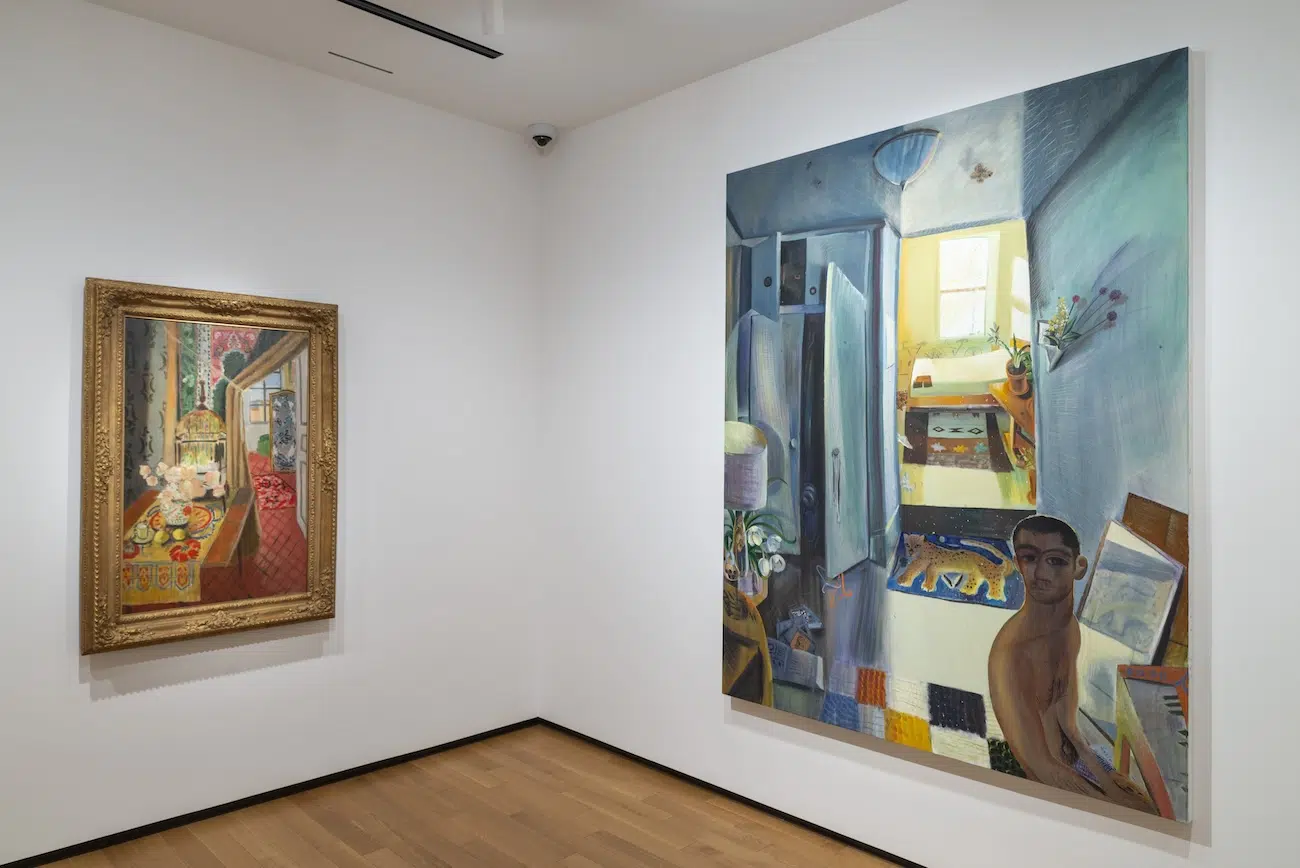
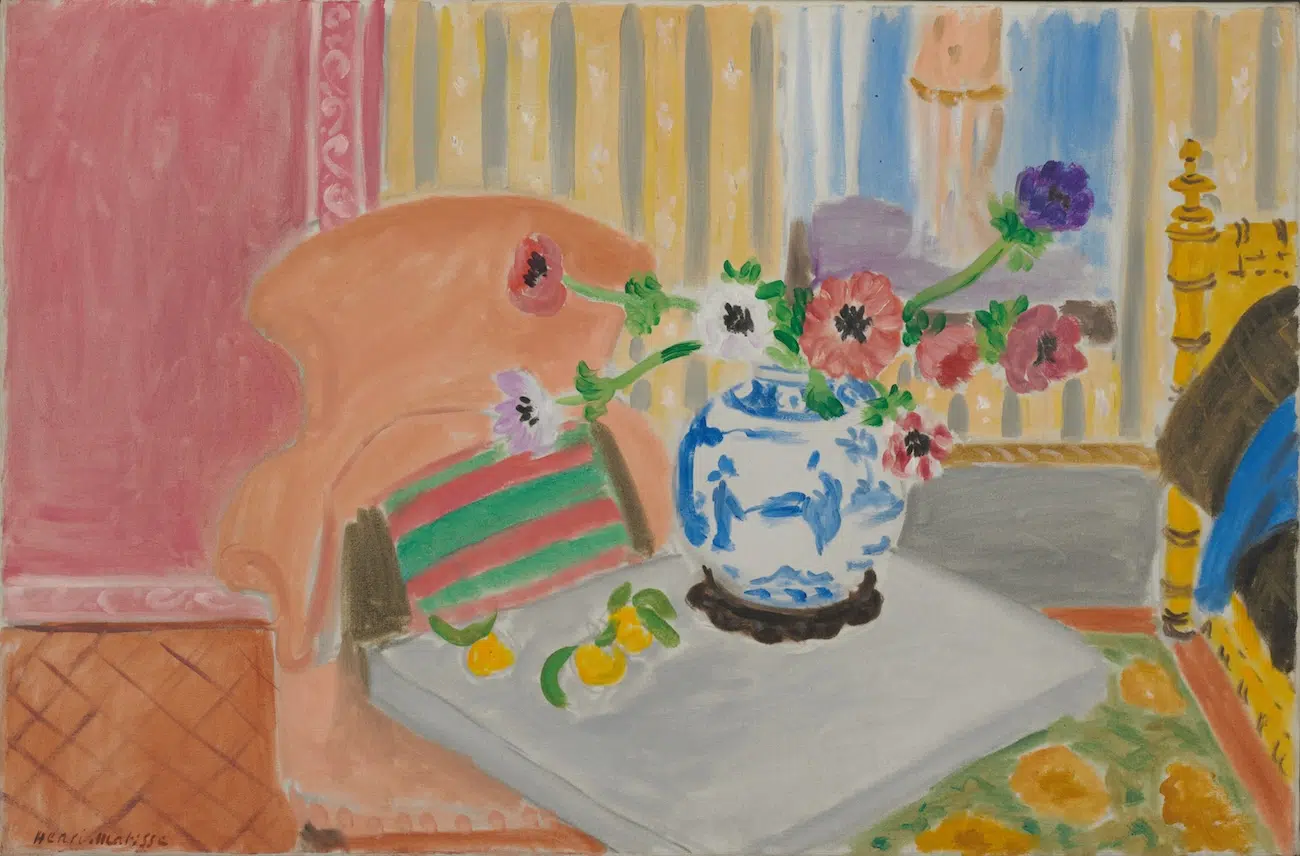
Henri Matisse. “Anemones and Chinse Vase.” 1922
The Baltimore Museum of Art: The Cone Collection, formed by Dr. Claribel Cone and Miss Etta Cone of Baltimore,
Maryland, BMA 1950.248
Fratino and Matisse: To See This Light Again is on view until September 6, 2026.
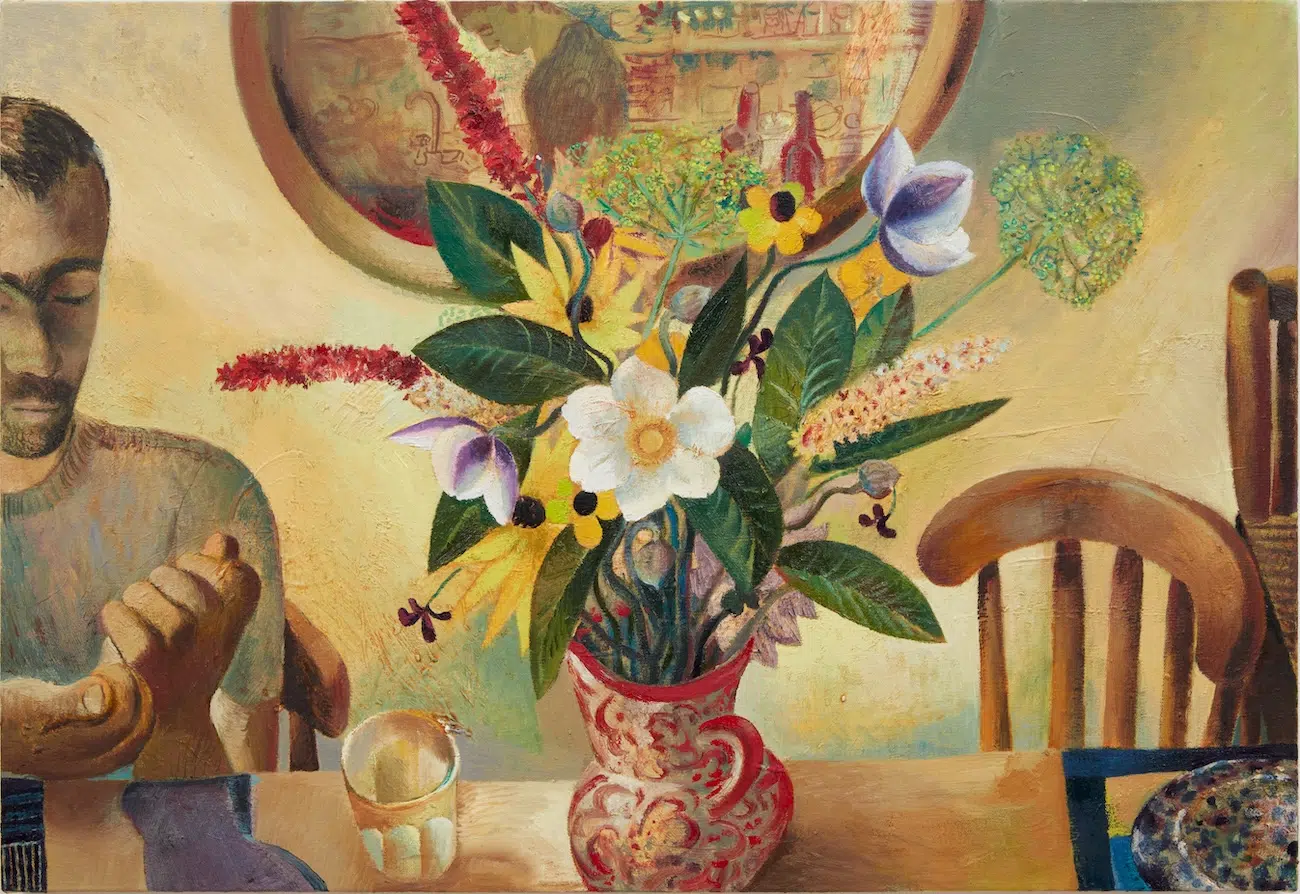
Louis Fratino. “September flowers.” 2025
Courtesy of the artist and Sikkema Malloy Jenkins, New York
© Louis Fratino
Matisse and Martinique: Portraits and Poetry focuses on one of Matisse’s least-known series of book illustrations.
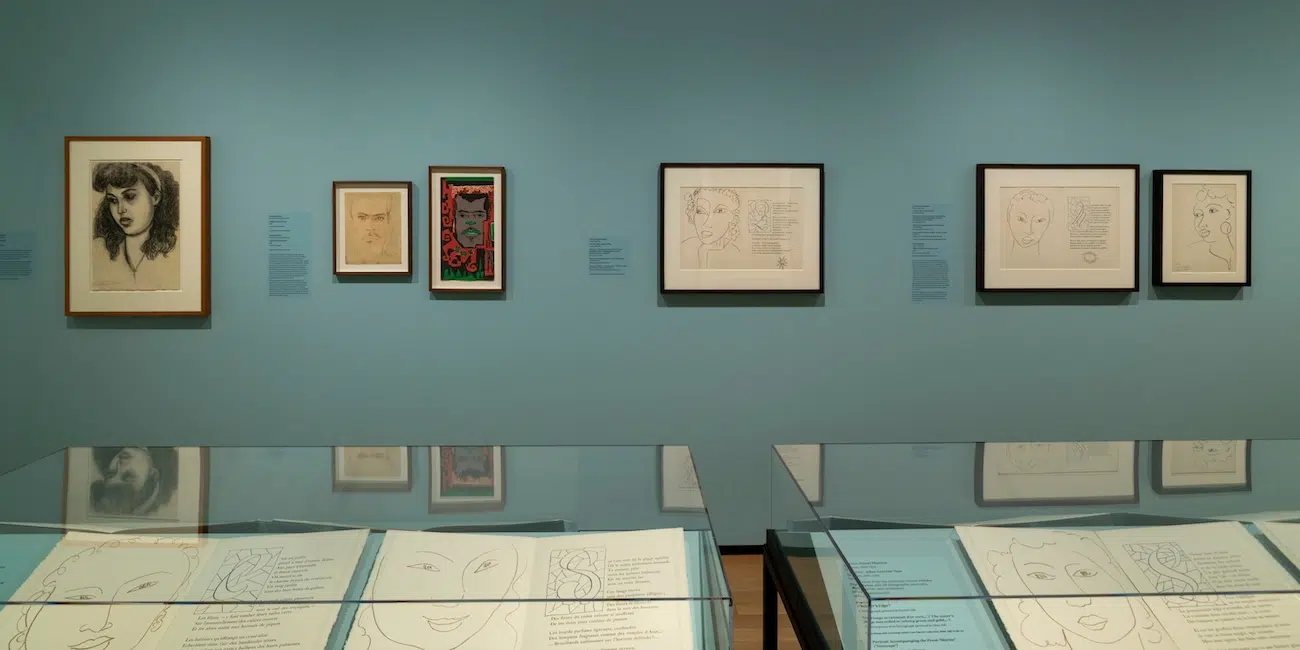
It’s inspired by the artist’s 1930 visit to Martinique where he visited for his friend John-Antoine Nau’s book, Poésies Antillaises (Antillean Poetry).
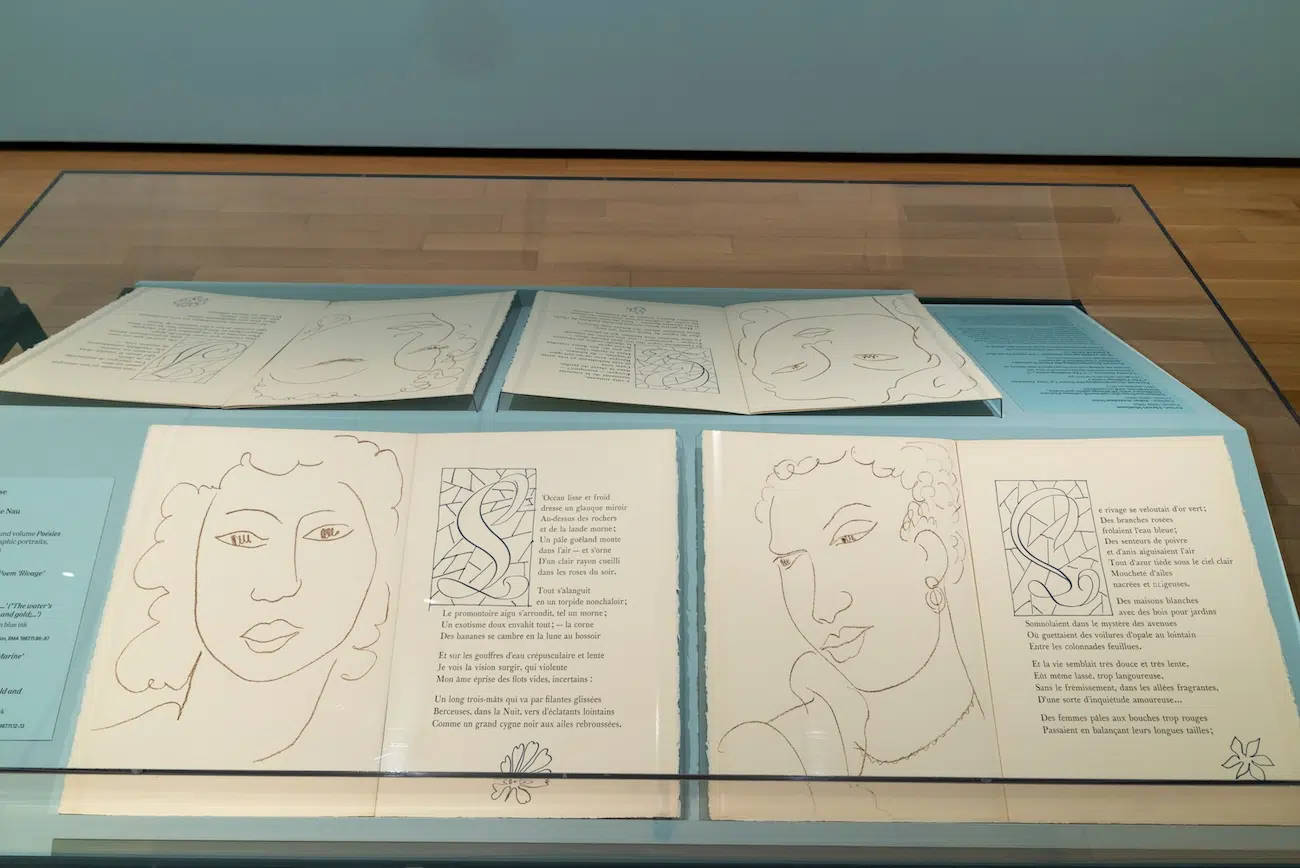
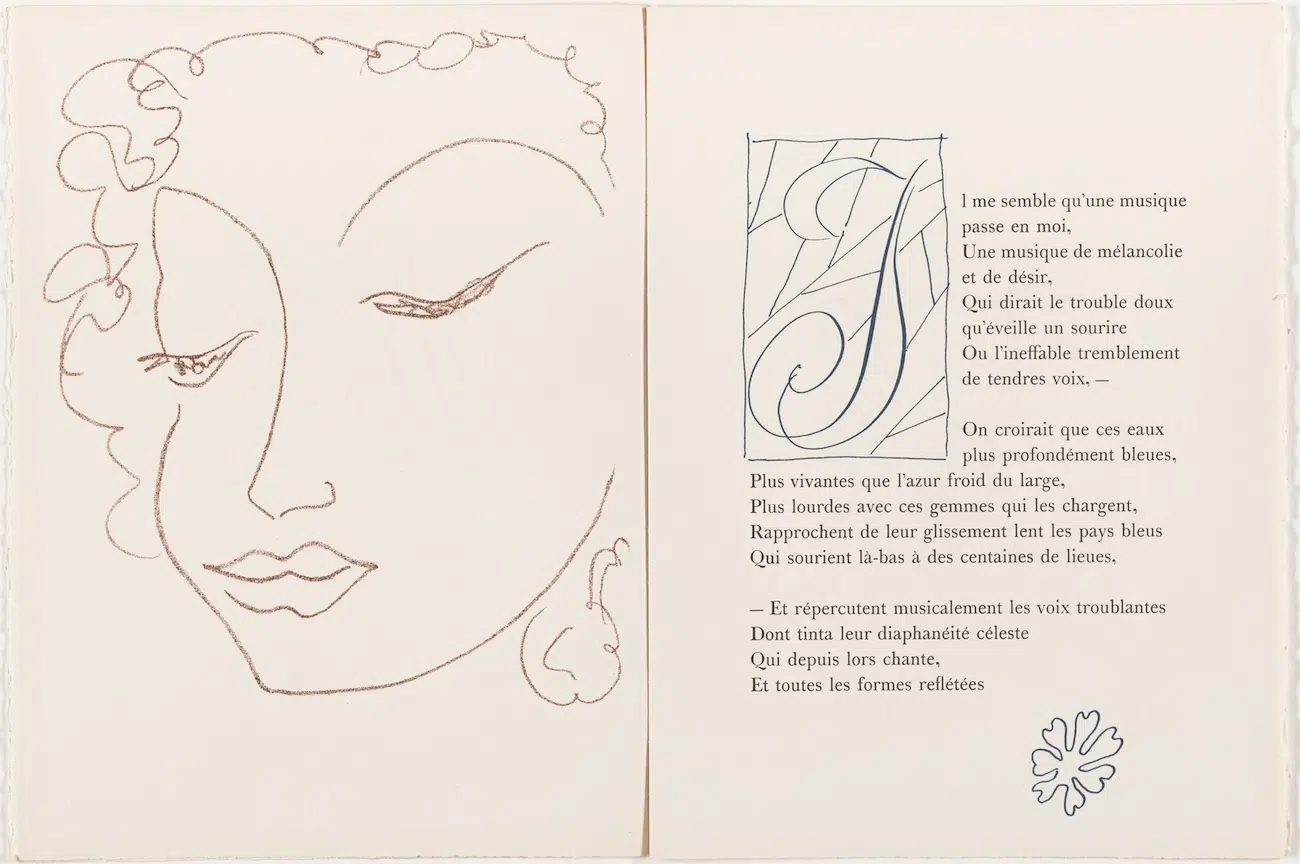
Henri Matisse. “Poésies Antillaises,” 1954, published 1972.
Baltimore Museum of Art, Purchase with exchange funds from Garrett Collection, BMA 1987.11
Portraits and Poetry is on view until October 25, 2026.
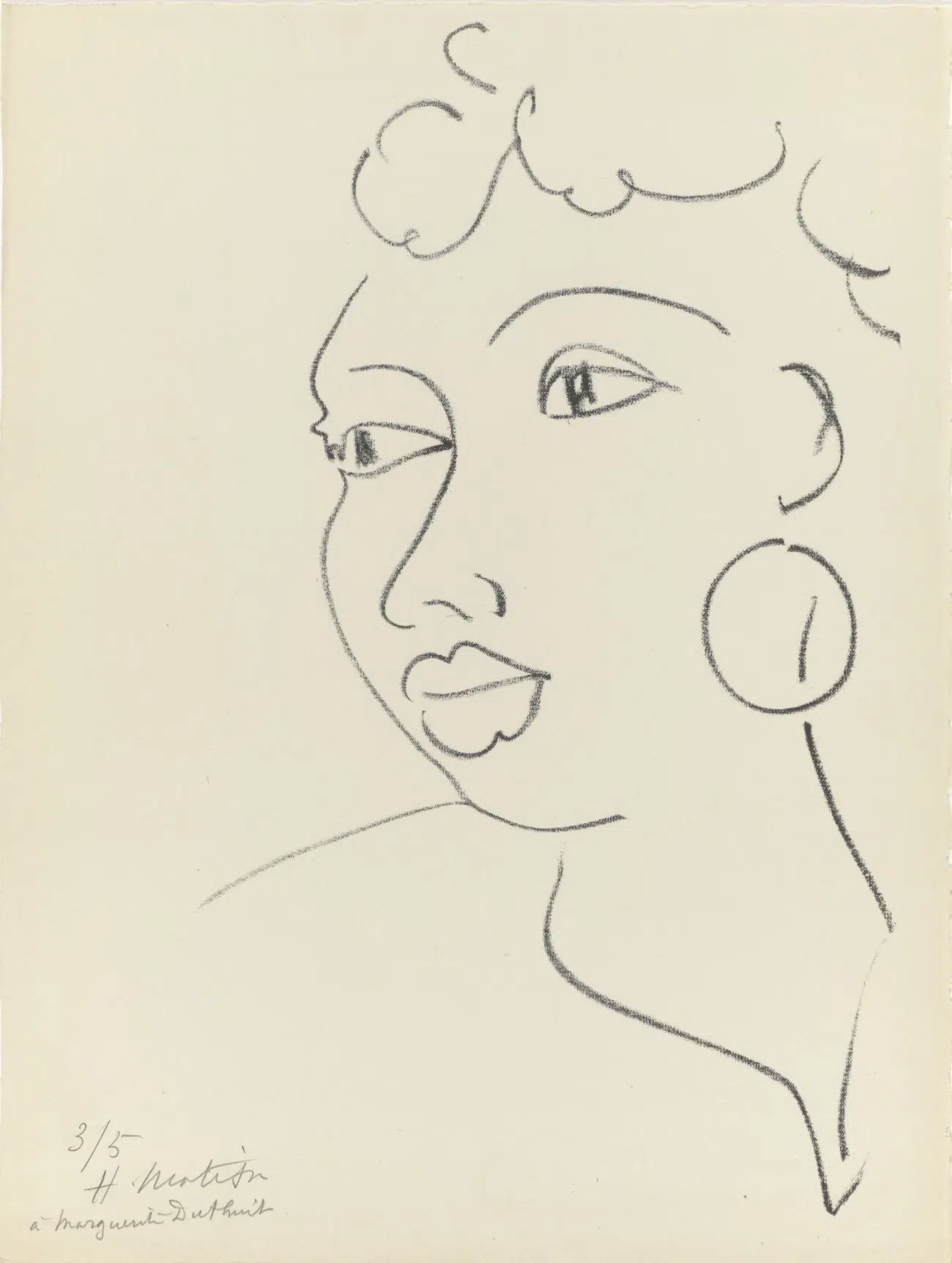
Henri Matisse (French, 1869-1954) “Haitian Woman with Hoop Earrings,” 1945
Crayon transfer lithograph
Sheet: 411 x 31 1 mm. (16 3/16 x 12 1/4 in.)
Image: 390 x 232 mm. (15 3/8 x 9 1/8 in.)
The Baltimore Museum of Art: Marguerite Matisse Duthuit Collection BMA 2010.241