February 7, 2012

Athletic Bronze Sculptures Emerge from Walls

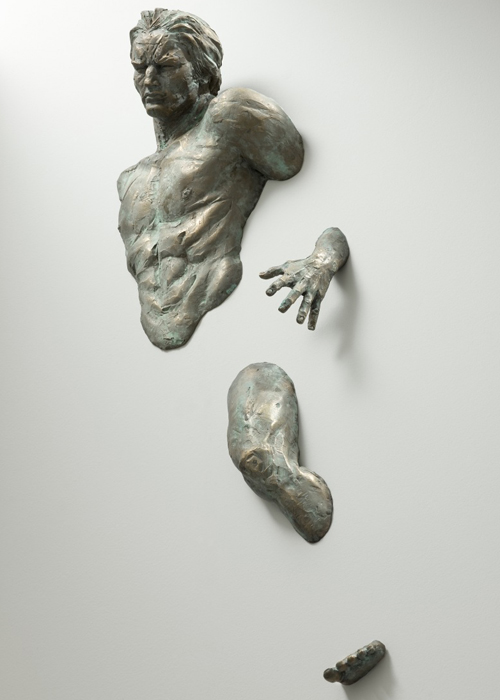
These hard-bodied men emerging from bare, white walls are the works of Milan-based artist Matteo Pugliese. The most apparent and impressive aesthetic choice that Pugliese has chosen in this series entitled Extra Moenia is the decision to present his sculptures in fragments. A bent knee opens the opportunity to represent one whole form in at least two pieces. It is the spectator's mind that makes up the limbs and other body parts that aren't visible.

Read Article


February 3, 2012

Surreal Depiction of Human Environmental Impact

Artistic married duo Robert and Shana ParkeHarrison first brought us the surreal universe of the dapper Everyday man in their series entitled The Architect's Brother. Since the release of that photography project, the couple have unveiled two new series entitled Counterpoint and Gray Dawn. While the older works display the unusual plight of the Everyday man in his natural surroundings, the newer images seem to depict the unfortunate outcomes of a mistreated land.

Read Article


February 2, 2012

Dreamy Hanging Sculptures

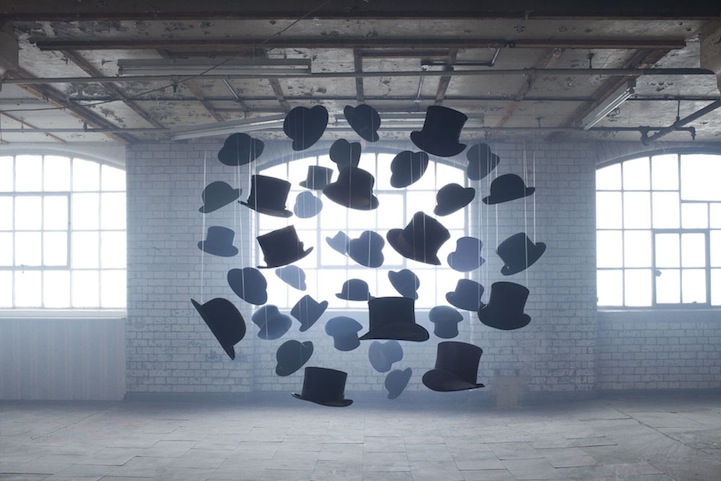
Nicola Yeoman is a London-based installation artist who plays with the concepts of perspective and common spatial expectations. At first glance, her installations are conventional hanging sculptures. Upon entering the gallery space, initial reactions to the work are challenged “as the viewer finds him or herself able to walk within and about the work–the relationship of the viewer with the object renegotiated and the interplay of dependence altered.

Read Article


February 1, 2012

Wood-Burned Illustrations of Animals

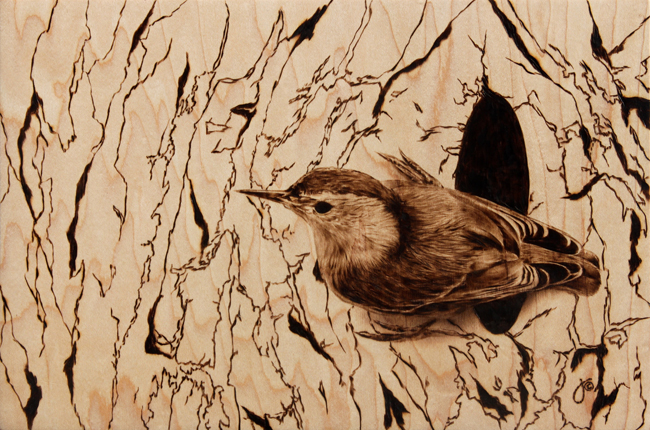
Inspired by nature and wildlife, artist Julie Bender etches illustrations of various animals by burning her images into wood. By employing the traditional art of pyrography, which dates back to ancient Egypt, Bender essentially paints with fire. The art involves scorching a piece of wood, or other natural material, with a heated metal tip, in place of a brush or pencil. It's hard to believe that Bender's works aren't sepia-toned photographs.

Read Article