August 2, 2019

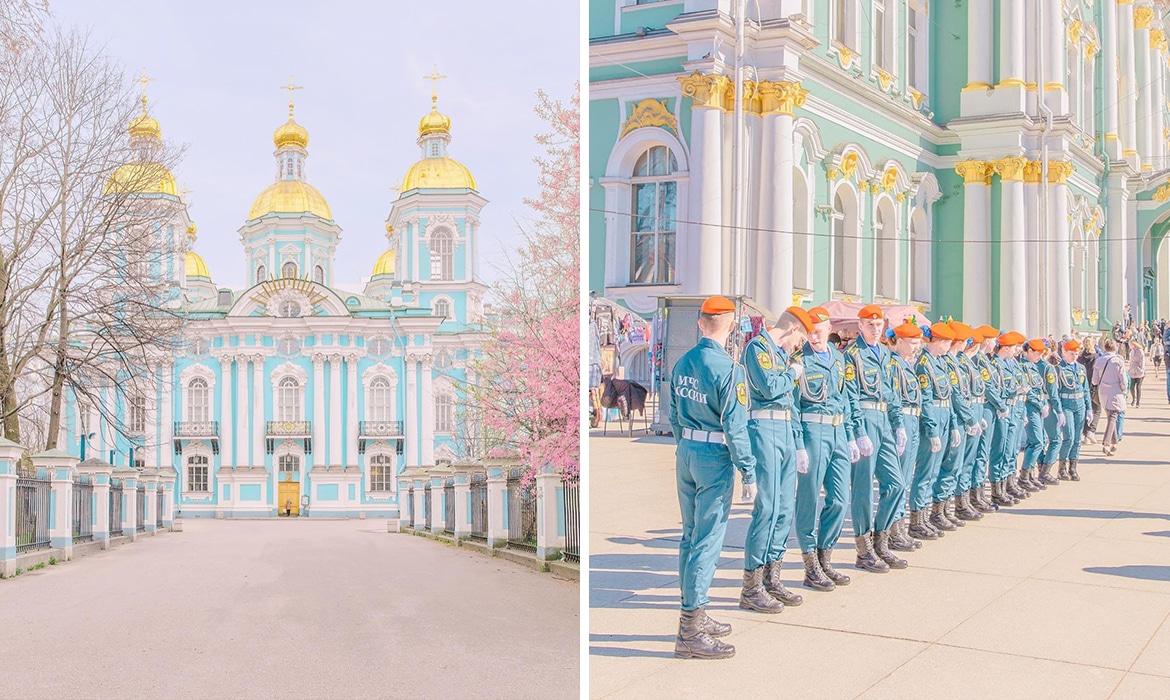
Traveling Photographer Captures a Pastel World Straight Out of a Wes Anderson Film

Viewing the world through the eyes of Lisbon-based photographer Teresa Freitas is like stepping into a candy-colored wonderland. With soft pastel hues and imaginative compositions, her ever-growing portfolio of travel photography captures the magic of each location she visits. Freitas’ interest in photography and creative editing began when she was a sophomore student.

Read Article


August 1, 2019

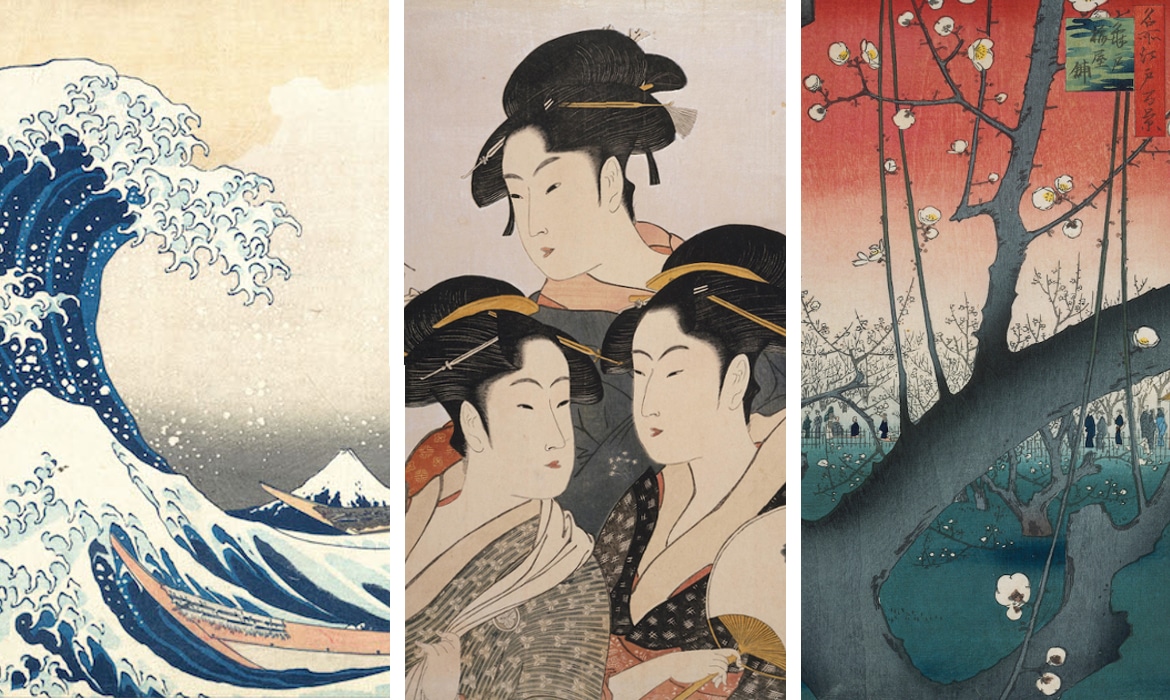
The Unique History and Exquisite Aesthetic of Japan’s Ethereal Woodblock Prints

Subject Matter   Women Like western art, one subject that repeatedly appears in Japanese works is the classically beautiful female. Particularly present in woodblock prints, Japanese women—ranging from geishas and courtesans to ordinary individuals—appear to have fascinated artists with their stoic expressions, elaborate garments, and graceful demeanors. Utamaro was particularly known for these female-centric depictions. Aptly called bijin ōkubi-e (“large-headed pictures of beautiful women”), his distinctive portraits often featured close-up views of women's faces and upper bodies, emphasizing their effortless beauty.

Read Article


August 1, 2019

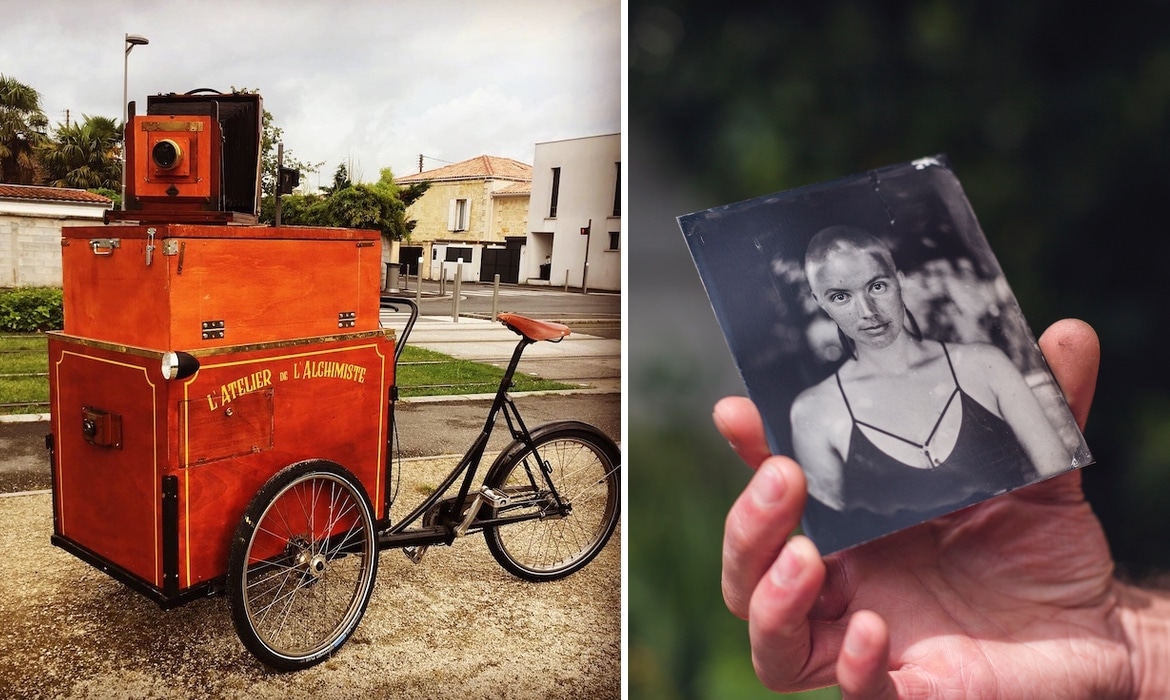
Photographer Turns His Tricycle into a Portable Wet Plate Photography Darkroom

French photographer Michaël Tirat has created a clever method to bring his love of wet plate photography on the road. By creating his own portable darkroom, he's able to travel, shoot, and print in a manner that harkens back to the itinerant photographers of the mid- to late-19th century. Tirat calls his traveling darkroom L'Atelier de l'Alchimiste (The Alchemist's Workshop) in a nod toward the magical chemistry that occurs when creating wet collodion photography.

Read Article


July 31, 2019

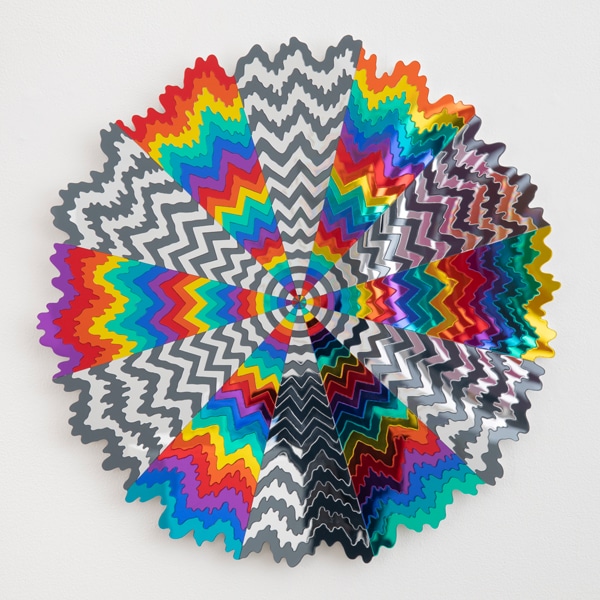
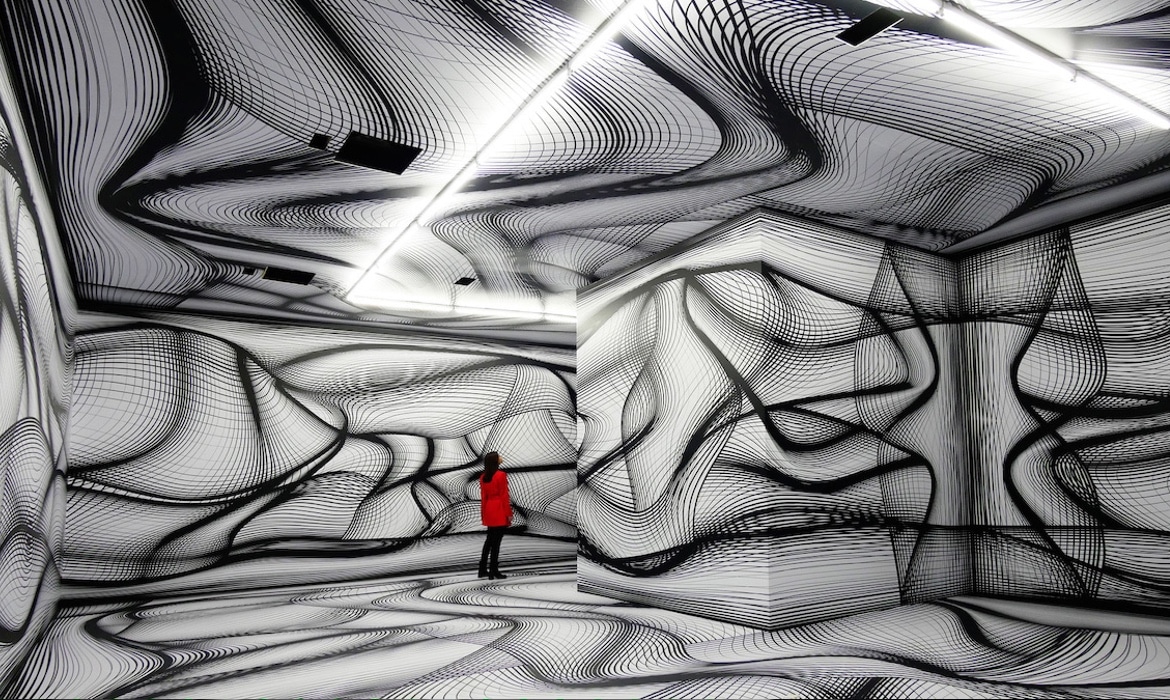
Artist Transforms Ordinary Rooms into Hypnotic Optical Illusions with Repeating Lines

With his hypnotic room installations, renowned Austrian artist Peter Kogler transforms ordinary spaces and molds architecture into surreal environments for spectators. Influenced by American minimalism, Kogler's lines are often reduced to black on white for maximum contrast and impact. Using both paint and projections, he creates his own unique “wallpaper” on spaces that are often forgotten—stairwells, entrance halls, corridors. Thus, he creates exhibition space out of architecture that would most often be disregarded.

Read Article