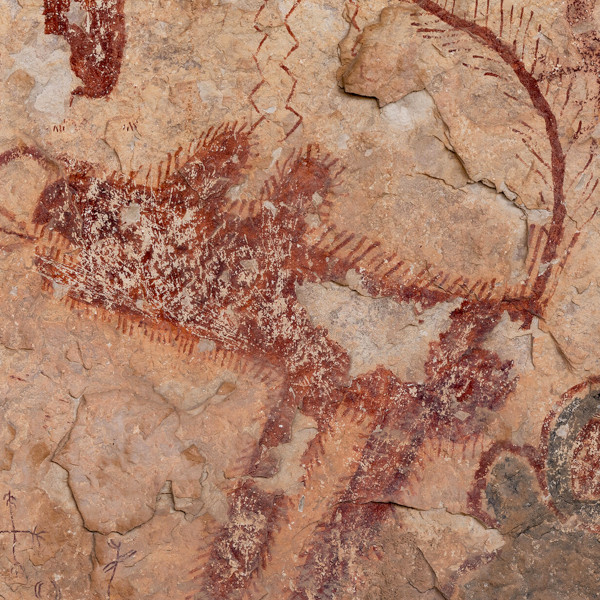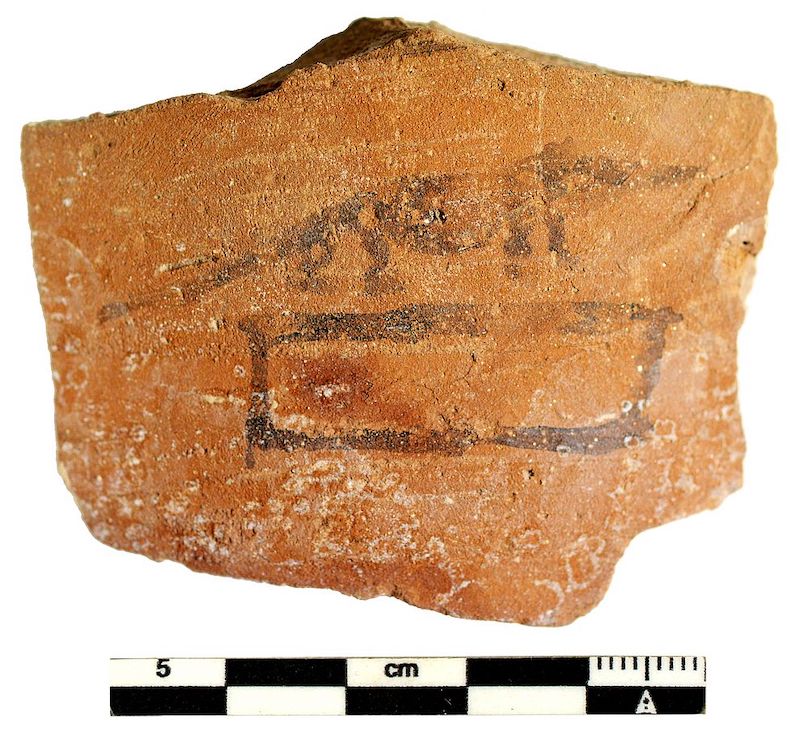
Drawing of a shrew, the sacred animal of the god Haroeris. Photo: Athribis-Projekt Tübingen
Archaeologists recovered more than 43,000 inscribed pottery fragments, called ostraca, at Athribis, an ancient city near modern Sohag in Upper Egypt. The fragments date from the 3rd century BCE to the 11th century CE, making this the largest collection of everyday written material from ancient Egypt. The University of Tübingen led the excavation with Egypt’s Ministry of Tourism and Antiquities. The team had been working at the site since 2005.
Ancient Egyptians used broken pottery as cheap, practical writing surfaces. Early texts appear in Demotic, the Ptolemaic and Roman administrative script. Other texts are in Greek, hieratic, hieroglyphic, Coptic, and Arabic. These fragments reveal daily routines and social structures in Athribis. They recorded tax receipts, delivery lists, administrative accounts, personal notes, and student exercises.
The ostraca also include priestly certificates that verify sacrificial animals. Researchers found over 130 demotic-hieratic horoscopes offering insight into birth predications and celestial beliefs. They shed light on ancient Egyptian astronomy and astrology.
Ostraca provide direct insight into what once was ordinary life, illustrating how people worked, learned, recorded, and communicated. The collection offers scholars detailed evidence that spans over a millennium.
Over 43,000 inscribed pottery shards from Athribis reveal daily life in ancient Egypt from the 3rd century BCE to the 11th century CE.
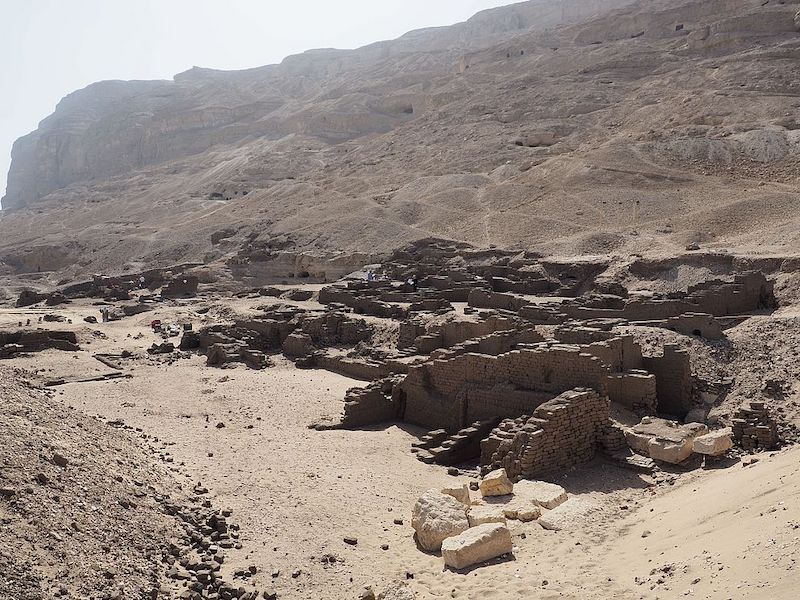
Photo: Marcus Müller / Tübingen Athribis Project
These these inscribed pottery fragments, called ostraca, include tax records, delivery notes, school exercises, and personal reminders, offering a unique glimpse into ordinary Egyptians’ lives.
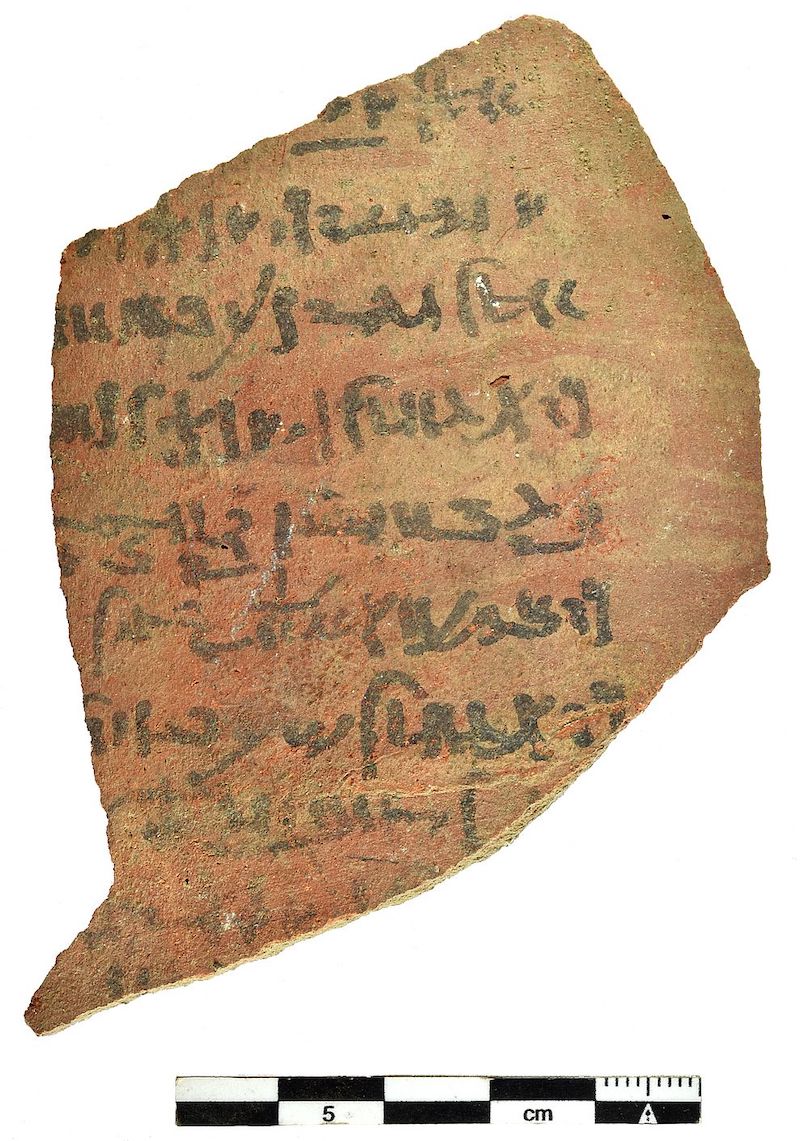
List in Demotic script including several personal names referring to local gods. Photo: Tübingen Athribis Project
Source: Record-breaking trove of information: Upper Egypt site has now yielded over 43,000 inscribed pot sherds
All images via the Tübingen Athribis Project.
Related Articles:
2,000-Year-Old Graffiti Tags From an Ancient Traveler Discovered in Five Egyptian Tombs
Archaeological Team Unearths 3,000-Year-Old Egyptian Tombs Honoring Prominent Statesmen
4,000-Year-Old Ancient Egyptian Writing Board Shows Student’s Spelling Mistakes
Ancient Egyptian Pharaoh Statues Finally Restored After Surviving an Earthquake 2,000 Years Ago