Renaissance Art

April 30, 2020

Learn How Donatello’s ‘David’ Statue Paved the Way for Sculptors in the Renaissance

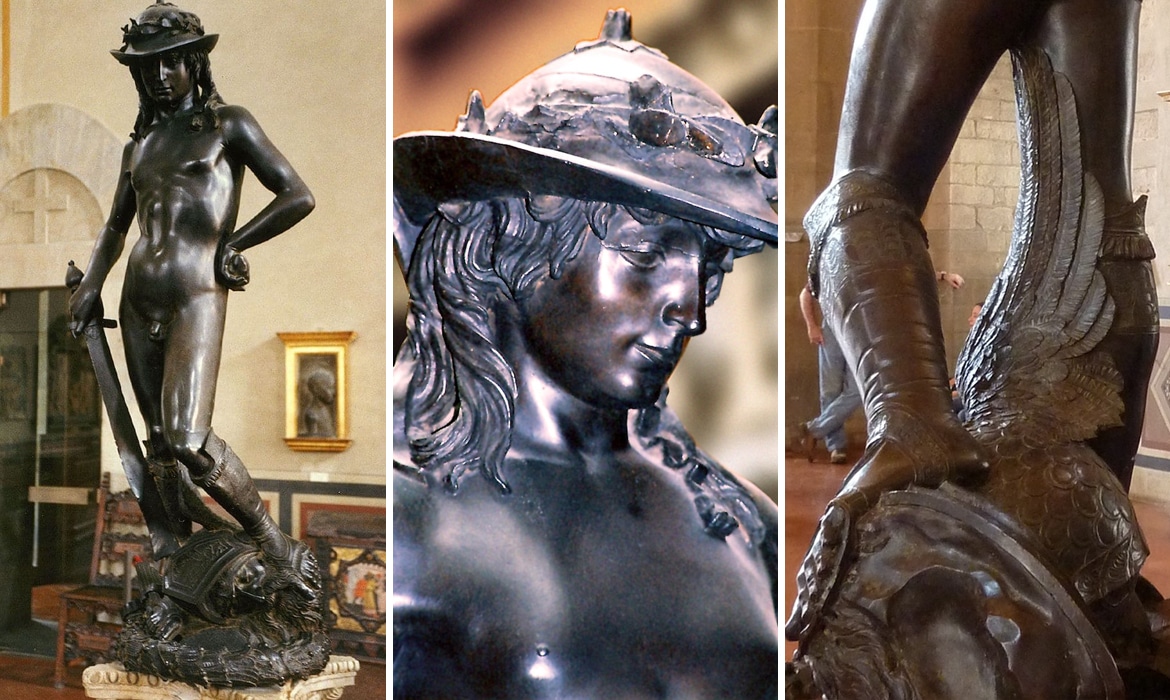
The biblical character of David was a highly popular subject in Renaissance art, perhaps made most famous by Michelangelo's marble interpretation. Before him, however, the Florentine sculptor Donatello (c. 1386-1466) created an evocative bronze-cast representation of David that stands apart from its successors. The metal depiction shows the young shepherd boy after he has already slain the opponent Goliath and is stepping on the enemy's decapitated head.

Read Article


January 20, 2020

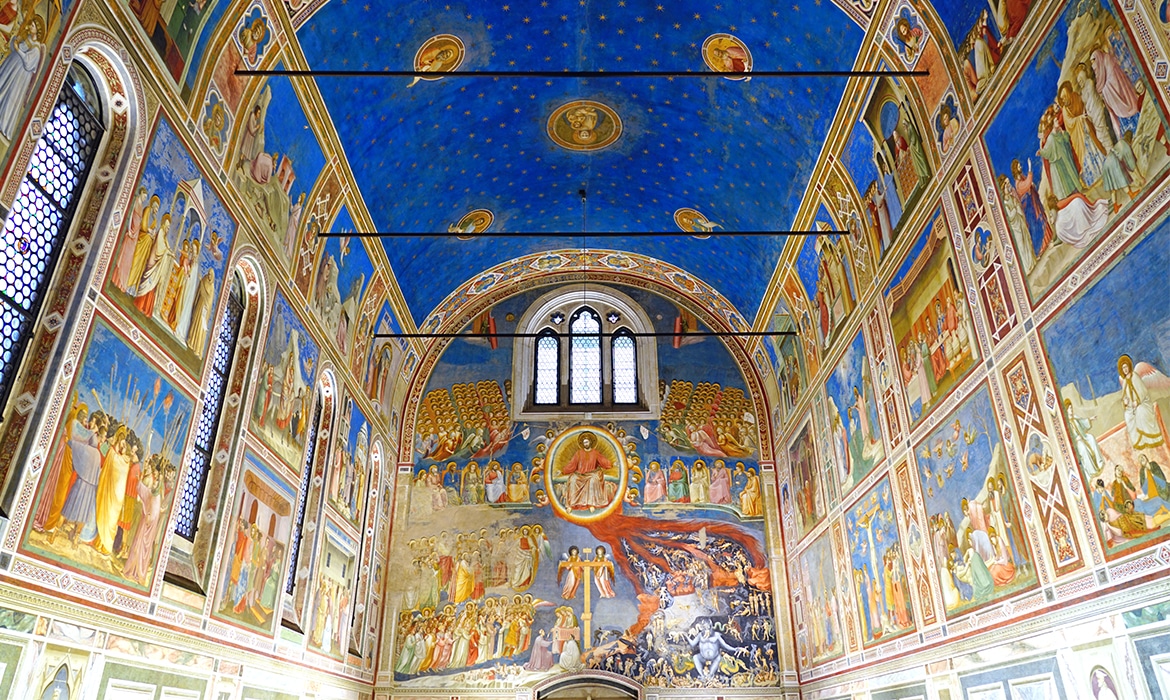
Who Is Giotto? Learn About the Life and Art of the Father of the Renaissance

The Italian Renaissance is regarded as one of the most vibrant periods in western art history. Artists like Leonardo da Vinci and Michelangelo created highly realistic works that emphasized a renewed interest in anatomy and proportion. To find the catalyst for this remarkable change, one has to look back to a painter from the Proto-Renaissance period named Giotto.


Read Article


January 5, 2020

Who Is Titian? Exploring the Life and Art of the Renaissance Master of Color

Among the great names of the Italian Renaissance—Leonardo da Vinci, Michelangelo, Raphael—there is also Titian (c. 1488-1576), the master of color. Born into the Late Renaissance, Titian's artwork was produced within a different painting philosophy to his predecessors. At the time, there were two leading schools of thought in painting: the Florentine and the Venetian. They can also be seen as “disegno” versus “colore,” or drawing versus color.

Read Article


August 3, 2018

The Significance of Leonardo da Vinci’s Famous “Vitruvian Man” Drawing

As a master of the arts, sciences, and everything in between, Leonardo da Vinci is often referred to as a “Renaissance man.” While the polymath is perhaps most well-known for his masterpieces The Last Supper and Mona Lisa, it is his scientific sketches that impressively illustrate the encyclopedic knowledge and eclectic interests that have come to define him. The Vitruvian Man, a late 15th-century drawing, is a prime example of such work.

Read Article