Modern Art

July 31, 2019

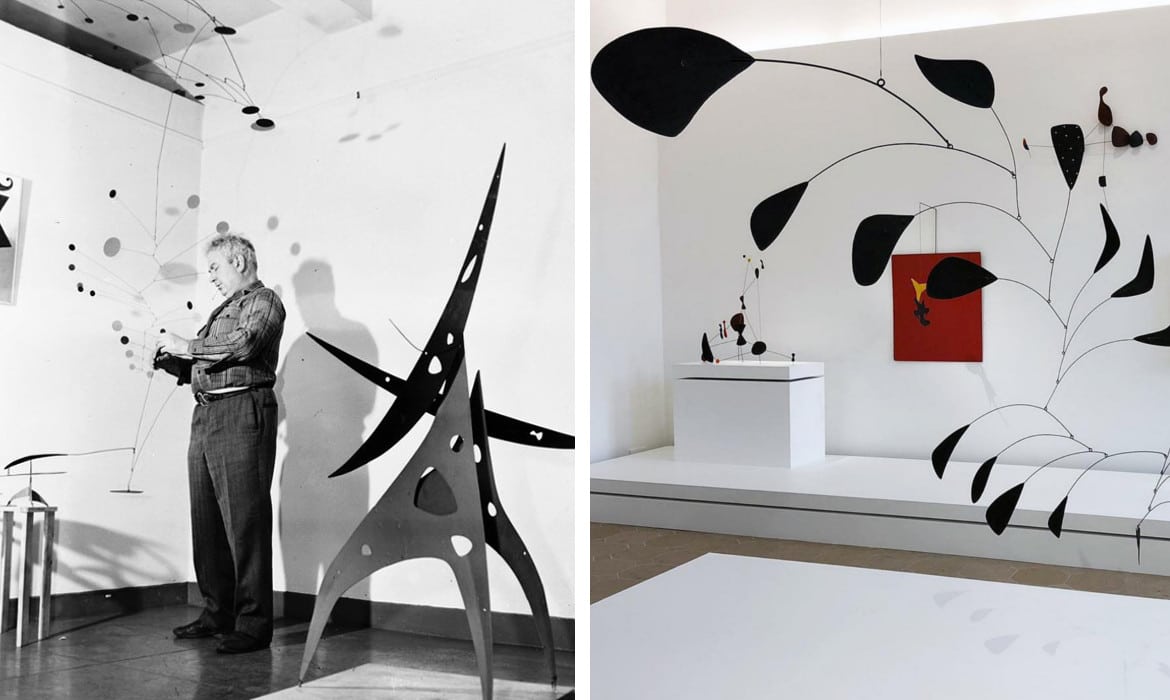
7 Fascinating Facts About Alexander Calder

In the 1930s, American artist Alexander Calder kicked off a new kind of kinetic sculpture. Known as Mobiles, these pieces explore the capabilities of sculpted works by incorporating free movement—an element evident in both his standing object-mobiles and his hanging suspended mobiles.
Read Article


April 21, 2019

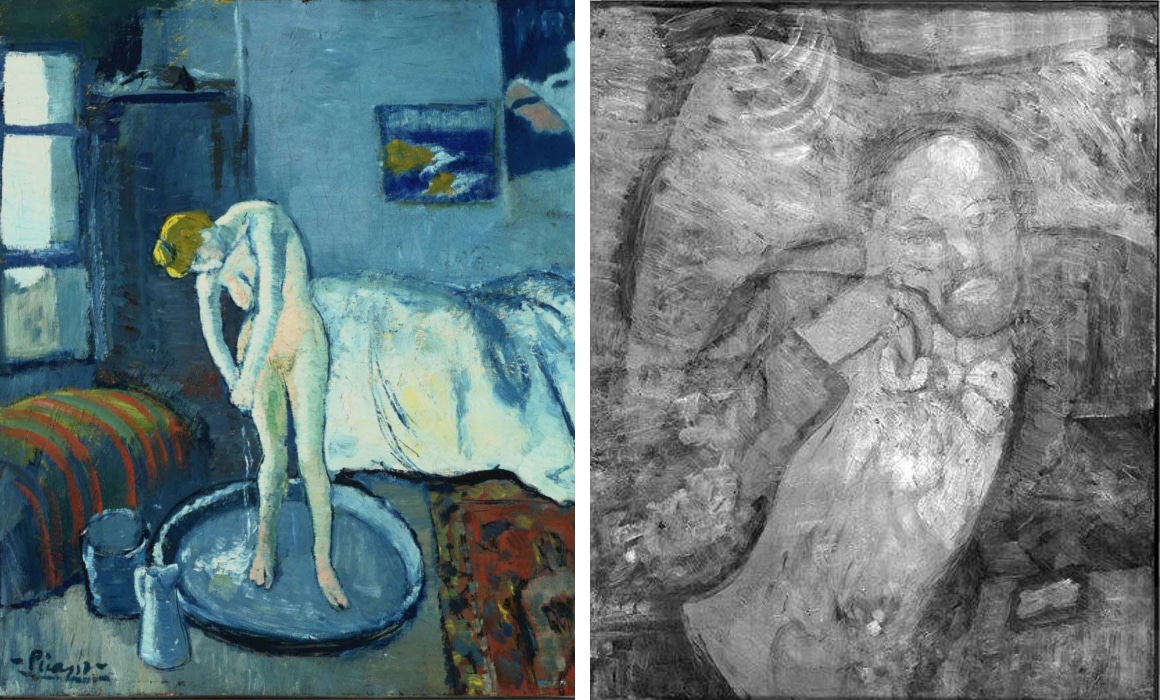
Modern Technology Reveals a Hidden Painting Underneath Picasso’s ‘The Blue Room’

Modernist master Pablo Picasso once observed that “there is only one way to look at things until someone shows us how to look at them with different eyes.” Though likely referencing the ability of avant-garde art movements to shift perspectives, this profound statement can also apply to other aspects of Picasso's practice—even when those “different eyes” require X-ray vision.

Read Article


February 1, 2018

The Evolution of Picasso’s Painting Style and What Each Artistic Choice Represents

Throughout an artist's lifetime, changes in approach, subject matter, and even style are to be expected. This phenomenon is apparent in the evolution of modern art‘s most beloved painters, from Monet‘s move toward abstraction to Van Gogh‘s brightened color palette. Though prevalent among most master painters, it is particularly emphasized in the paintings of Spanish artist Pablo Picasso.

Read Article


March 27, 2017

The Evolution of Hypnotic Kinetic Sculptures

Art that contains movement perceivable by the viewer or that relies on motion for its effect—this is the definition of kinetic art. While the definition explains the practical notion, it doesn't emphasize the hypnotic capabilities of the artform. And though it comprises any medium, it's actually kinetic sculpture that most comes to mind when thinking of the genre. So where did kinetic sculpture get its start?

Read Article