Science

January 30, 2019

Ingenious Poster Uses Lemons to Help You Identify Different Signs of Breast Cancer

For years, Worldwide Breast Cancer has made it its mission to “radically change the picture of breast cancer.” Emphasizing a need for awareness and accessibility, the non-profit organization has found success with Know Your Lemons—a clever campaign that uses the common fruit to show the signs and symptoms of the disease. In its most popular poster, the campaign compares a carton of lemons to breasts affected by cancer, with each individual fruit depicting a different tell-tale symptom.

Read Article


December 16, 2018

Psychiatrist Hand-Knits an Anatomically Correct Replica of the Human Brain

The human brain is often described as the most complex organ in the human body. The mass of tissue weighs around 1.4 kilograms and contains a mind-boggling network of around 1,000,000,000 nerve cells (aka neurons). Each neuron can make contact with thousands of others via tiny structures called synapses. These constant and ever-changing connections are how memories are stored, habits are learned, and personalities are shaped.

Read Article


October 9, 2018

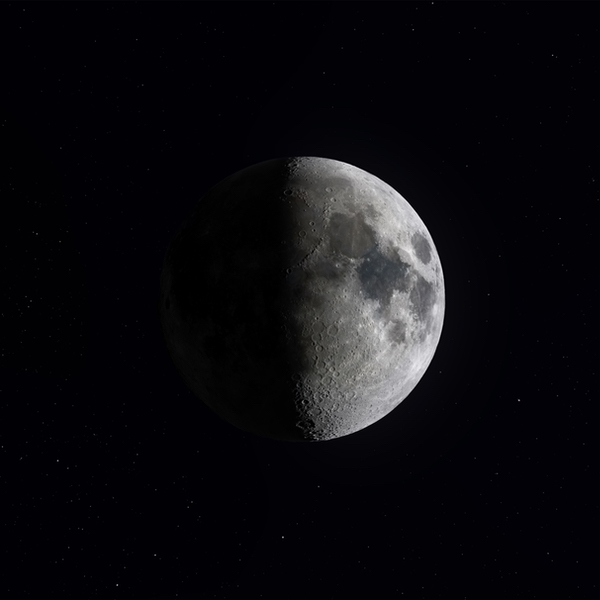
NASA’s DIY Moon Calendar Shows the Moon Phase on Any Day of the Year

Ever wonder when the next supermoon or lunar eclipse will be taking place? Whether you're an astrophotographer or simply an astronomy lover, NASA's Jet Propulsion Laboratory has made it easy to discover the phases of the moon with a clever DIY project. Their Moon Phases Calendar and Calculator is a fun project that only requires a printer, scissors, a hole punch, some tape, and a brass fastener to complete.

Read Article


August 20, 2018

30 Million-Year-Old Praying Mantis Is Preserved in Pristine Piece of Amber

Embedded within a clear piece of amber, a small praying mantis sits at attention, frozen forever in time. The piece, which measures just slightly over one inch tall, was sold via Heritage Auctions for $6,000 in 2016. The pristine piece of amber, which comes from the Dominican Republic, gives a rare view of this incredible mantis. The amber itself derives from the extinct Hymenaea protera, a prehistoric leguminous tree.

Read Article