Photo: The Walters Art Museum
More than 500 years ago, a medieval scribe bent over a sheet of parchment, guiding a quill across the page with steady care. Each line of dark ink formed part of a carefully copied manuscript, the result of hours of quiet concentration. When the scribe finished the page, they set the parchment aside so the ink could dry. Before it did, a cat padded across the surface, pressing its small paws into the wet letters and leaving a trail of tiny footprints behind.
The brief interruption occurred in the late 15th century while a Flemish scribe worked on an illuminated manuscript. At some point after the page was written, a curious cat wandered across the desk and stepped onto the fresh ink. Its paws smudged the still-damp writing and stamped delicate prints across the parchment. Rather than discard the page, the scribe continued the manuscript and left the accidental marks in place.
Centuries later, those tiny paw prints remain visible on the manuscript. The page gained renewed attention when it appeared in Paws on Parchment, a past exhibition at The Walters Art Museum in Baltimore, Maryland. The show explored how cats appeared in manuscripts and artworks across medieval Europe, Asia, and the Islamic world.
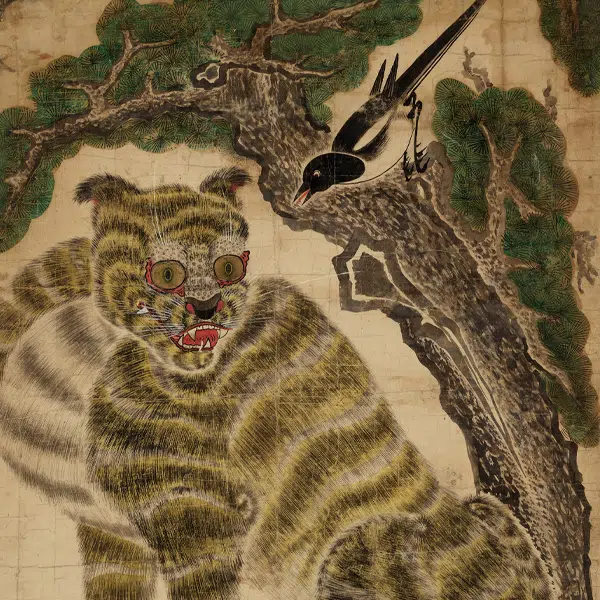
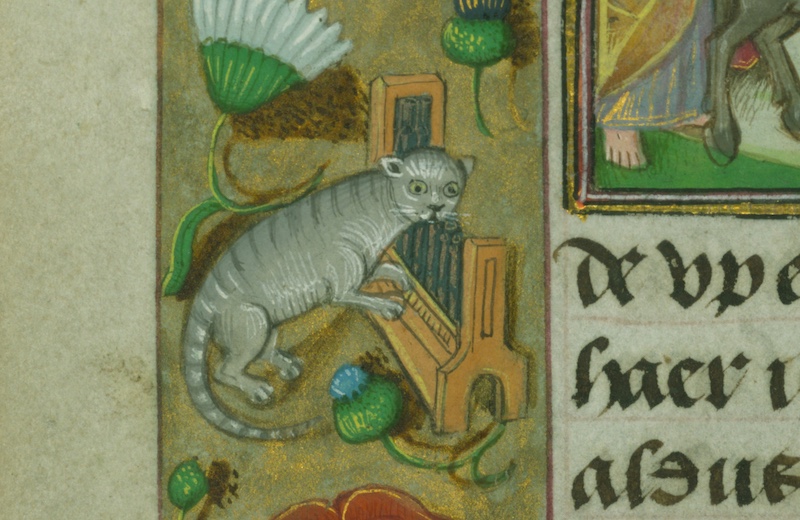
Cats played an important role in medieval households and workshops. People valued them not only as companions but also as skilled hunters. Their ability to catch rats and mice helped protect food supplies, textiles, and valuable books from pests. As a result, cats often appear in medieval manuscripts and illustrations, sometimes as playful figures and sometimes as symbols.
The small interruption now links viewers to the past in an unexpected way. In a world where digital files can disappear with a single click, the delicate paw prints feel almost poetic. One curious cat turned a quiet moment in a scribe’s workshop into a lasting reminder that history often survives through the smallest accidents.
A medieval scribe carefully copied a manuscript in the late 1400s, but a curious cat stepped across the page, leaving tiny paw prints behind more than 500 years later.
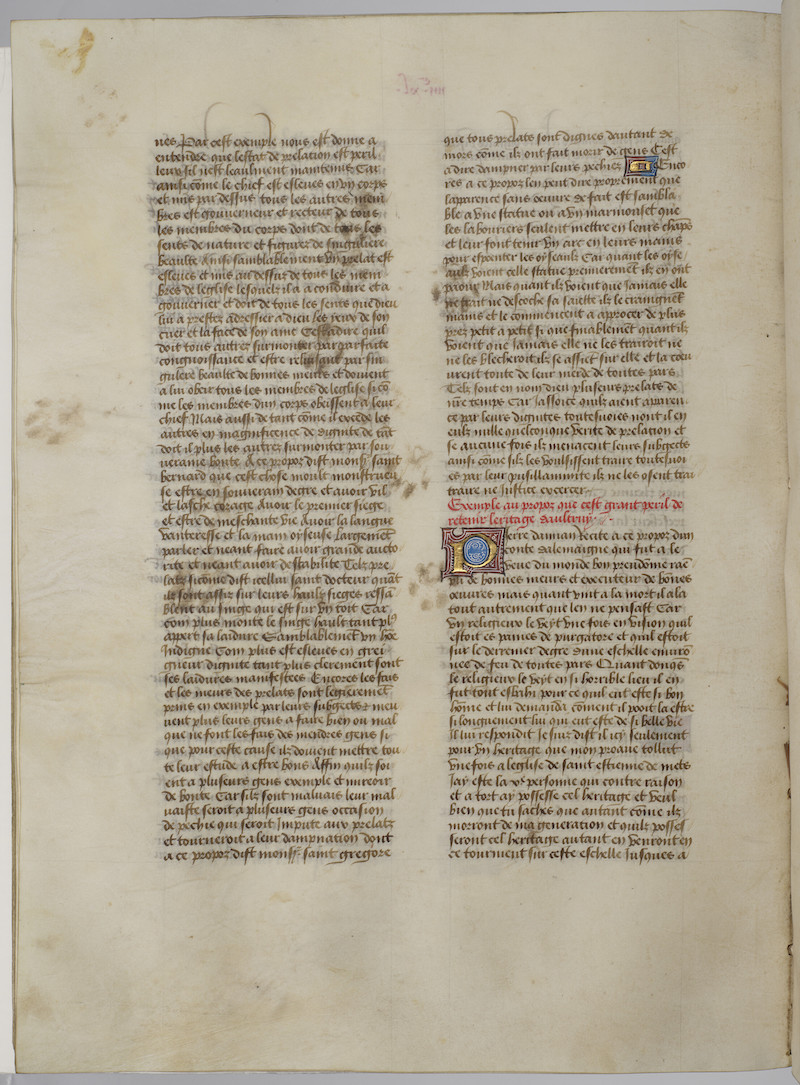
Photo: The Walters Art Museum
Cats played an important role in medieval homes and shops, where their hunting skills helped protect food supplies, textiles, and manuscripts from rodents.
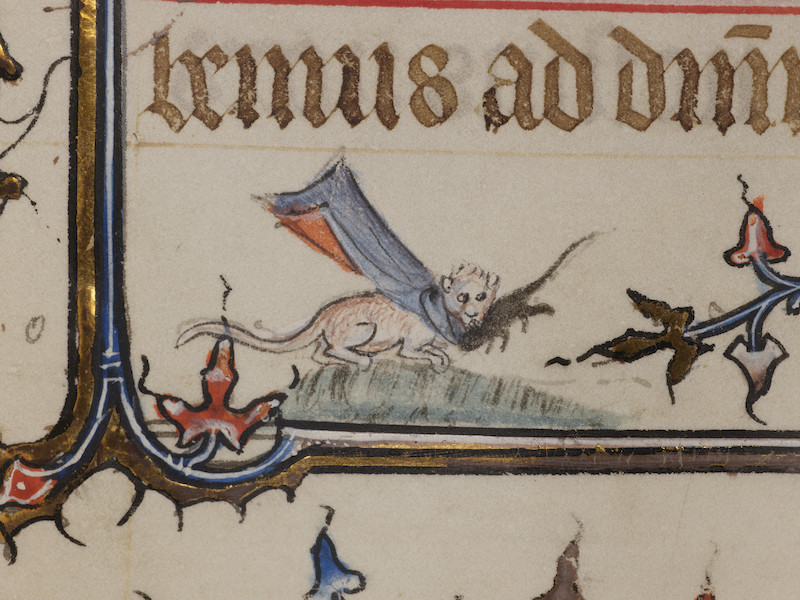
Photo: The Walters Art Museum
Source: A Cat Left Paw Prints on the Pages of This Medieval Manuscript When the Ink Was Drying 500 Years Ago
My Modern Met granted permission to feature images from The Walters Art Museum.
Related Articles:
30-Foot-Tall Inflatable Rhinoceros Takes Over a Medieval Museum in Germany
Explore Medieval Medical Recipes Featuring Dove Feces, Fox Lungs, and More
Toddler Discovers a Medieval Pendant Worth Millions Buried in a Field