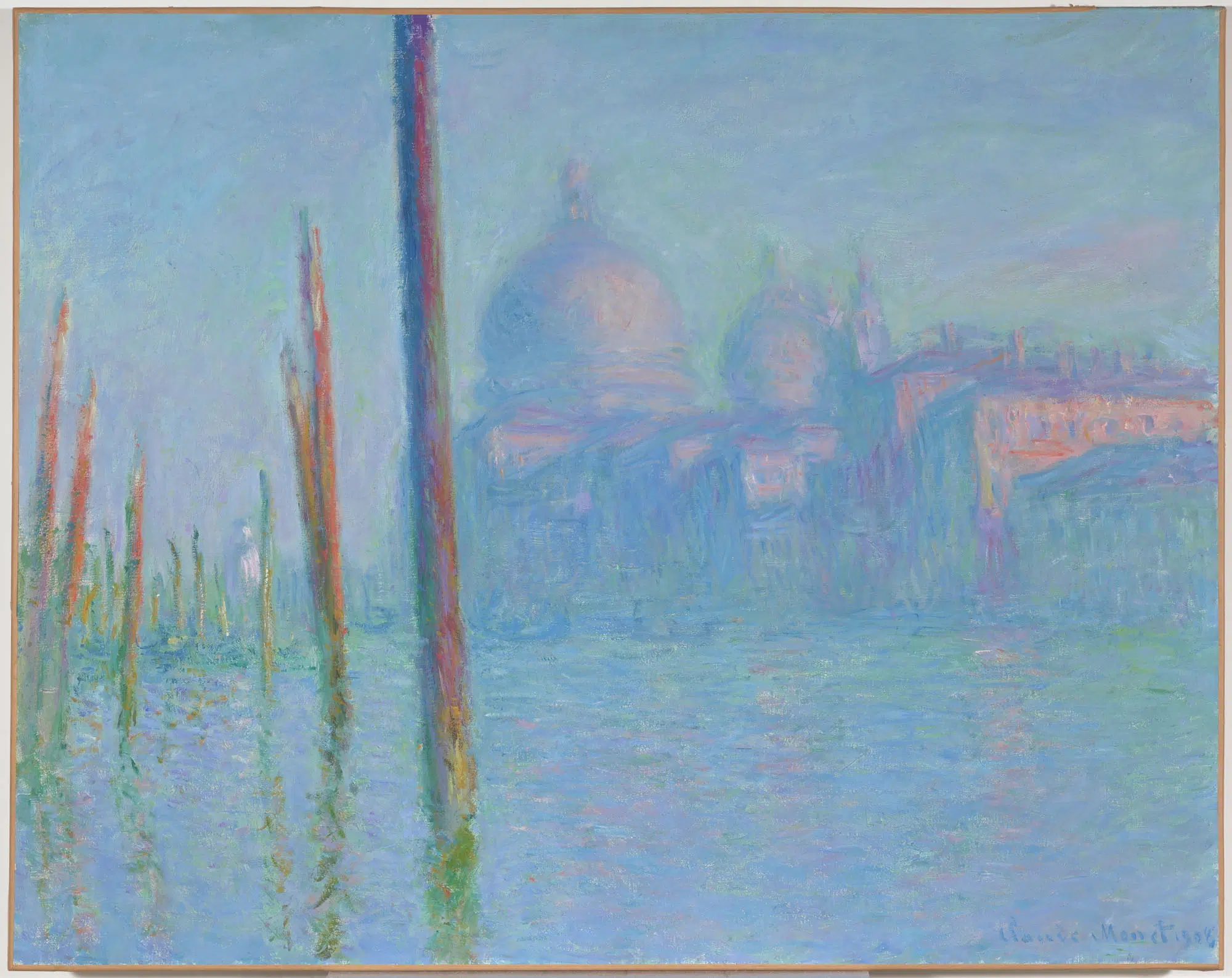
“The Grand Canal, Venice,” 1908. (Photo: Randy Dodson, courtesy of the Fine Arts Museums of San Francisco)
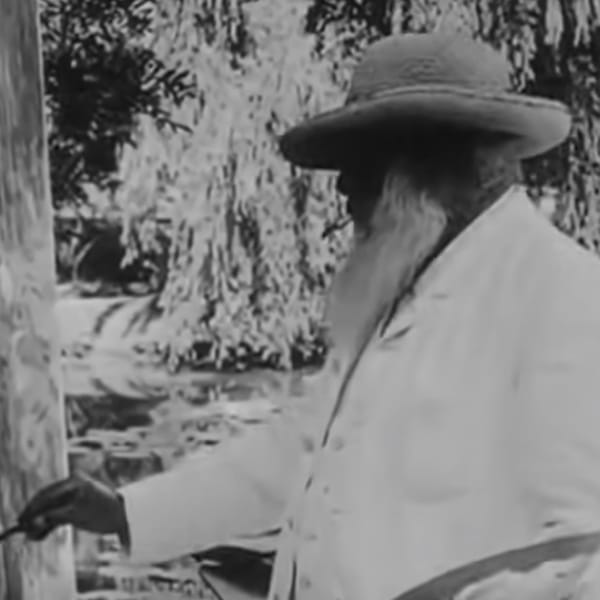
In 1908, Claude Monet paid his first—and only—visit to Venice, at the encouragement of his wife Alice. At first, he was reluctant to leave his home in Giverny, but it didn’t take long for him to recognize and ultimately treasure Venice’s singular cityscape. It was there that Monet produced his last new works to ever be shown publicly during his lifetime, and it was there that he renewed his technical, thematic, and artistic skills. Soon, Monet’s luminous portraits of Venice will be on display at the Brooklyn Museum, marking the first time they have been exhibited since their Paris debut in 1912.
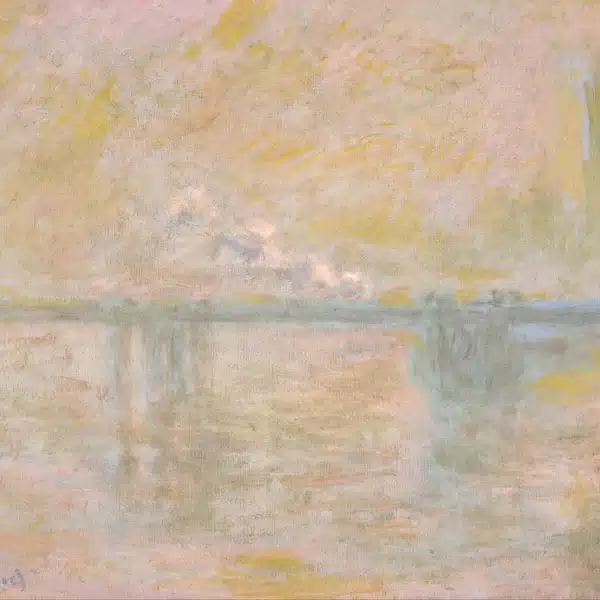
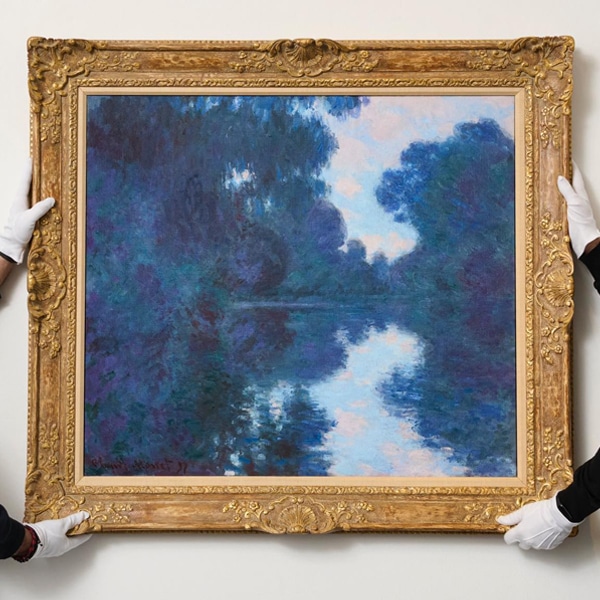
Opening on October 11, Monet and Venice showcases 19 of the artist’s Venetian paintings, alongside more than 100 artworks, books, and ephemera that further exemplify his relationship with the Italian city. That relationship is mostly traced through curated pairings, where the idyllic, French landscapes for which Monet is known are contrasted with those he produced in Venice. Through such comparisons, the exhibition reveals that Monet’s Venetian paintings are softer, more concerned with color, light, and atmosphere than with form and precision. The city’s architecture and its canals seem to be the artist’s primary interest, both of which are rendered in hazy, almost dream-like tones.
“Monet found the lagoon city an ideal environment for capturing the evanescent, interconnected effects of colored light and air that define his radical style,” Lisa Small, senior curator of European Art at the Brooklyn Museum and the exhibition’s co-curator, says. “In his Venice paintings, magnificent churches and mysterious palaces, all conjured in prismatic touches of paint, dissolve in the shimmering atmosphere like floating apparitions.”
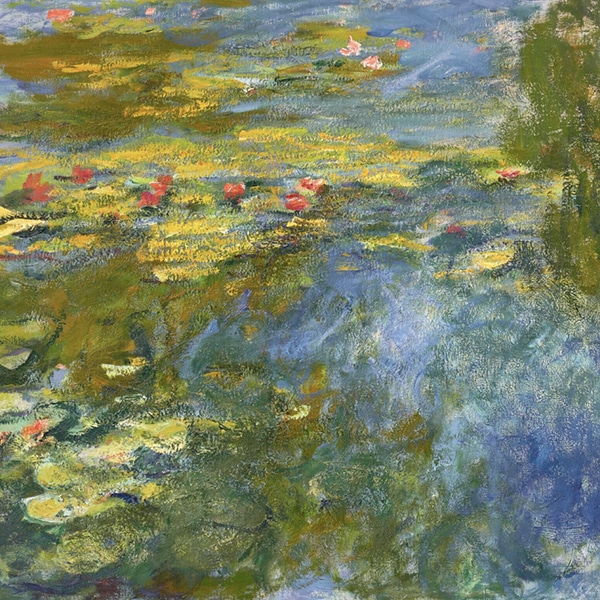
Contributing to that “shimmering” texture is Monet’s treatment of water and reflections. Throughout his Venetian paintings, the artist opts for choppier brushstrokes of several different shades, resulting in a blurred effect that still communicates a dynamic sense of movement. Monet and Venice considers these developments, juxtaposing his Venetian scenes with previous works from his time in Normandy, London, and Giverny, including three of his famed water lily canvases. Notably, the exhibition also features a water lily painting that Monet produced only a few years after his trip to Venice.
Aside from Monet’s own paintings from Venice and beyond, the exhibition gathers art from his predecessors as well as his contemporaries. Pieces by Pierre-Auguste Renoir, John Singer Sargent, J.M.W. Turner, and James McNeill Whistler, among others, highlight how other artists represented Venice, and how their visual languages either informed or contrasted with that of Monet’s. Where artists like Canaletto preferred Venice’s bustling environments, for example, Monet sought sparseness, stripping his paintings from the city of any human presence.
Monet and Venice stands as New York’s largest museum show dedicated to the artist in over 25 years. The exhibition will be on view at the Brooklyn Museum from October 11, 2025, to February 1, 2026, after which point it will travel to the Fine Arts Museums of San Francisco.
To learn more and to purchase tickets for Monet and Venice, visit the Brooklyn Museum website.
Opening on Oct. 11 at the Brooklyn Museum, Monet and Venice will be the first major exhibition in over a century dedicated to the artist’s Venetian paintings.
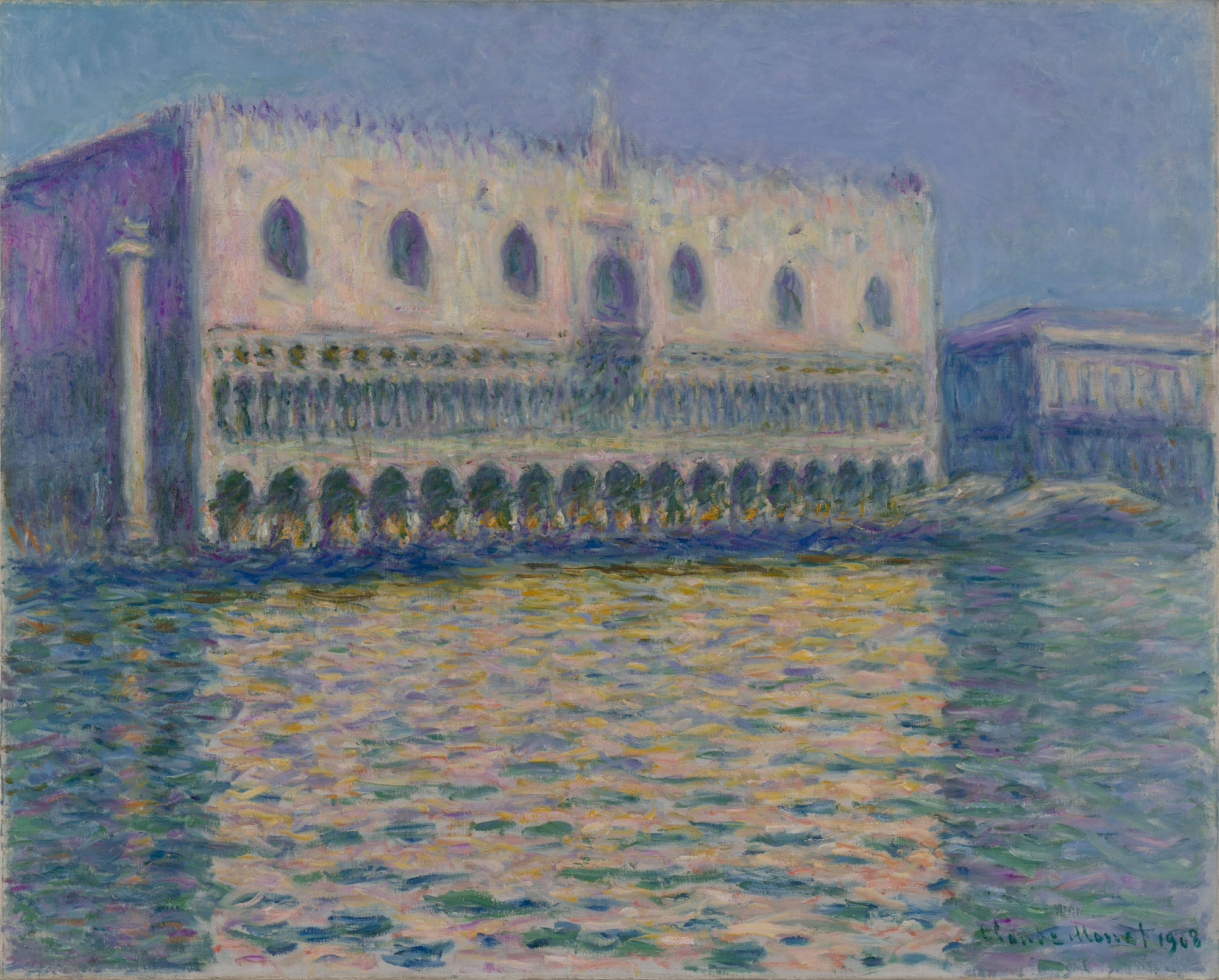
“Palazzo Ducale,” 1908. (Photo: Brooklyn Museum)
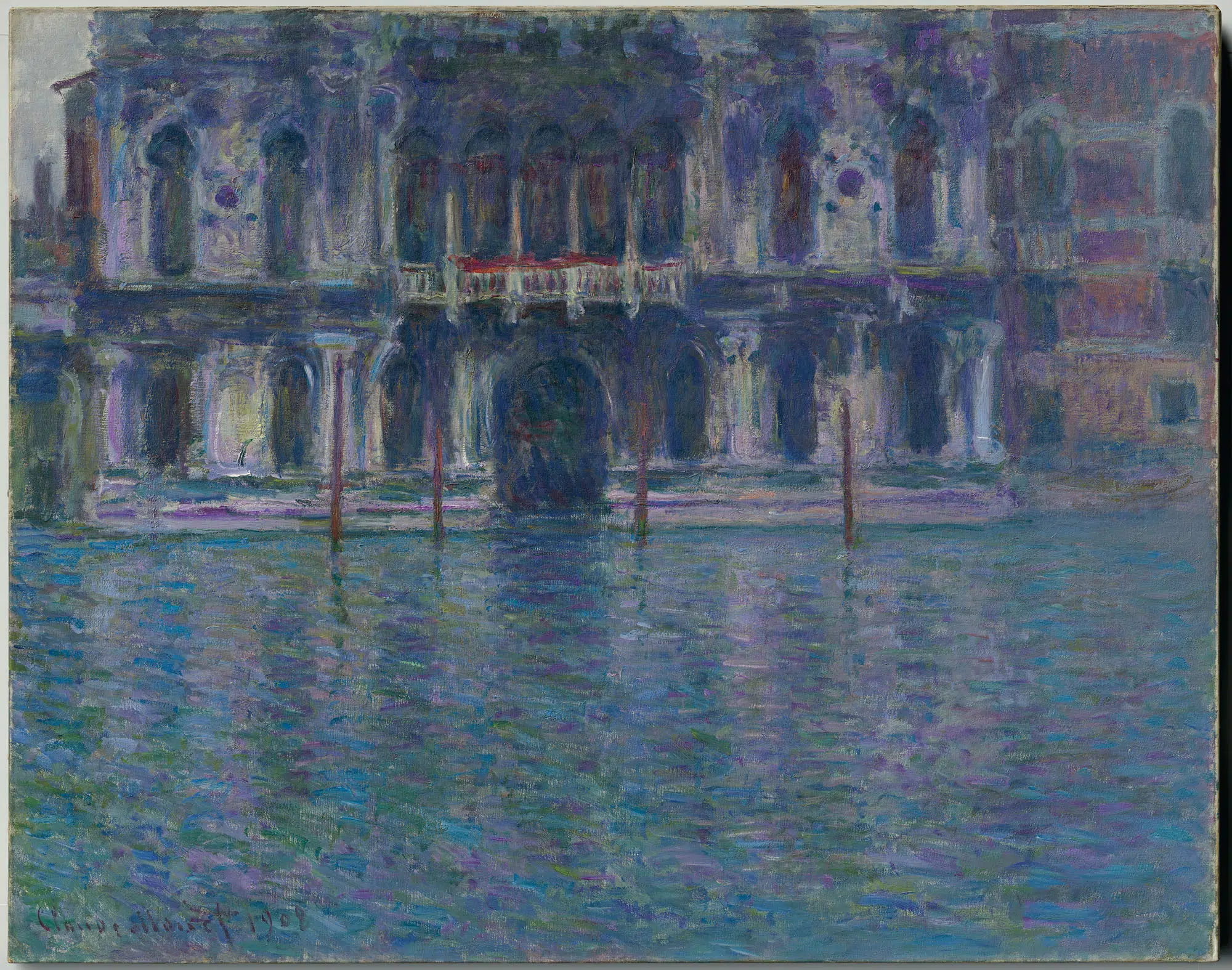
“The Palazzo Contarini,” 1908.

“The Palazzo Ducale Seen from San Giorgio Maggiore,” 1908. (Photo: The Metropolitan Museum of Art / Art Resource, NY)
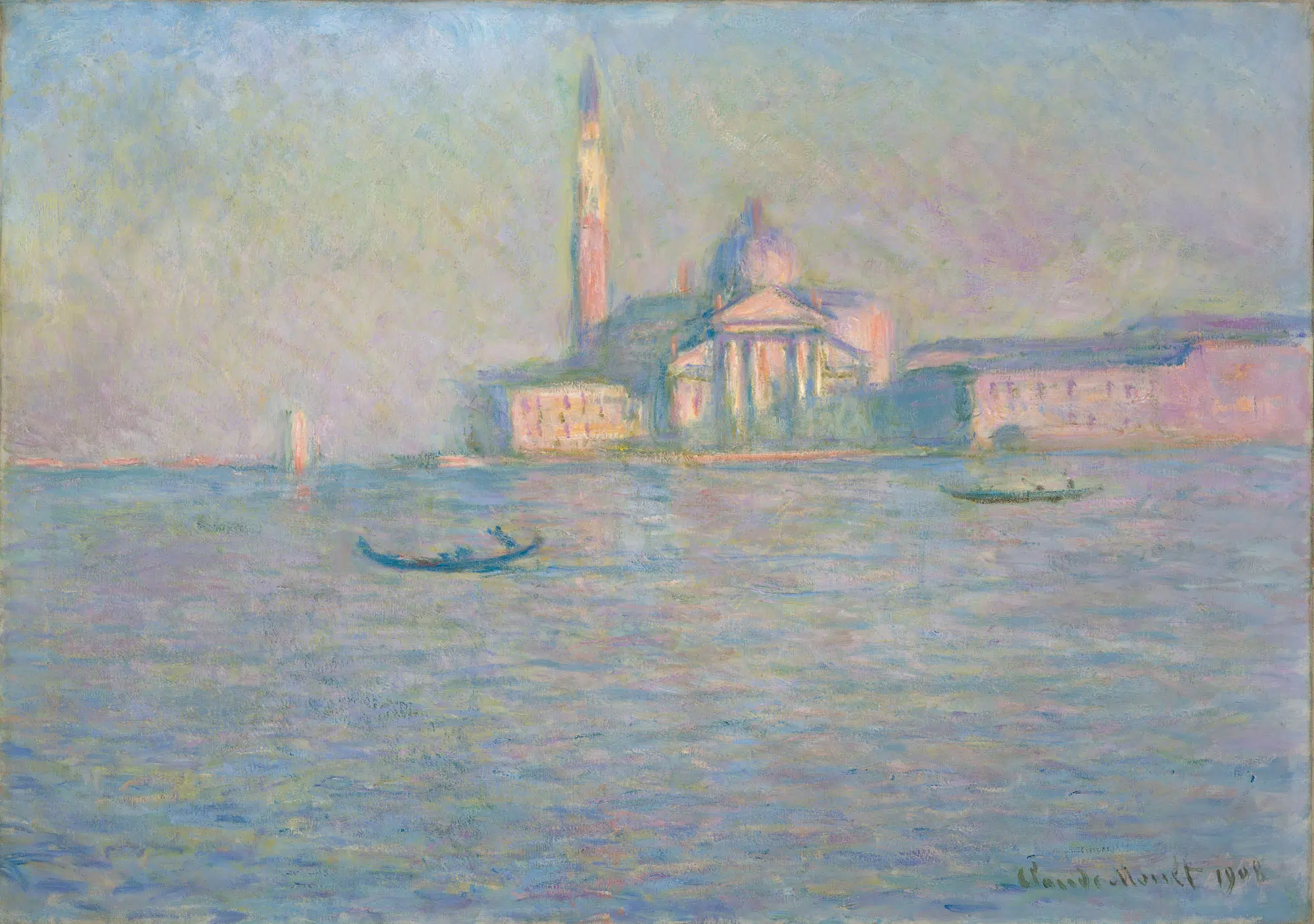
“The Church of San Giorgio Maggiore, Venice,” 1908. (Courtesy the Indianapolis Museum of Art at Newfields)
The exhibition will feature 19 of Monet’s Venetian paintings, alongside more than 100 artworks, books, and ephemera.
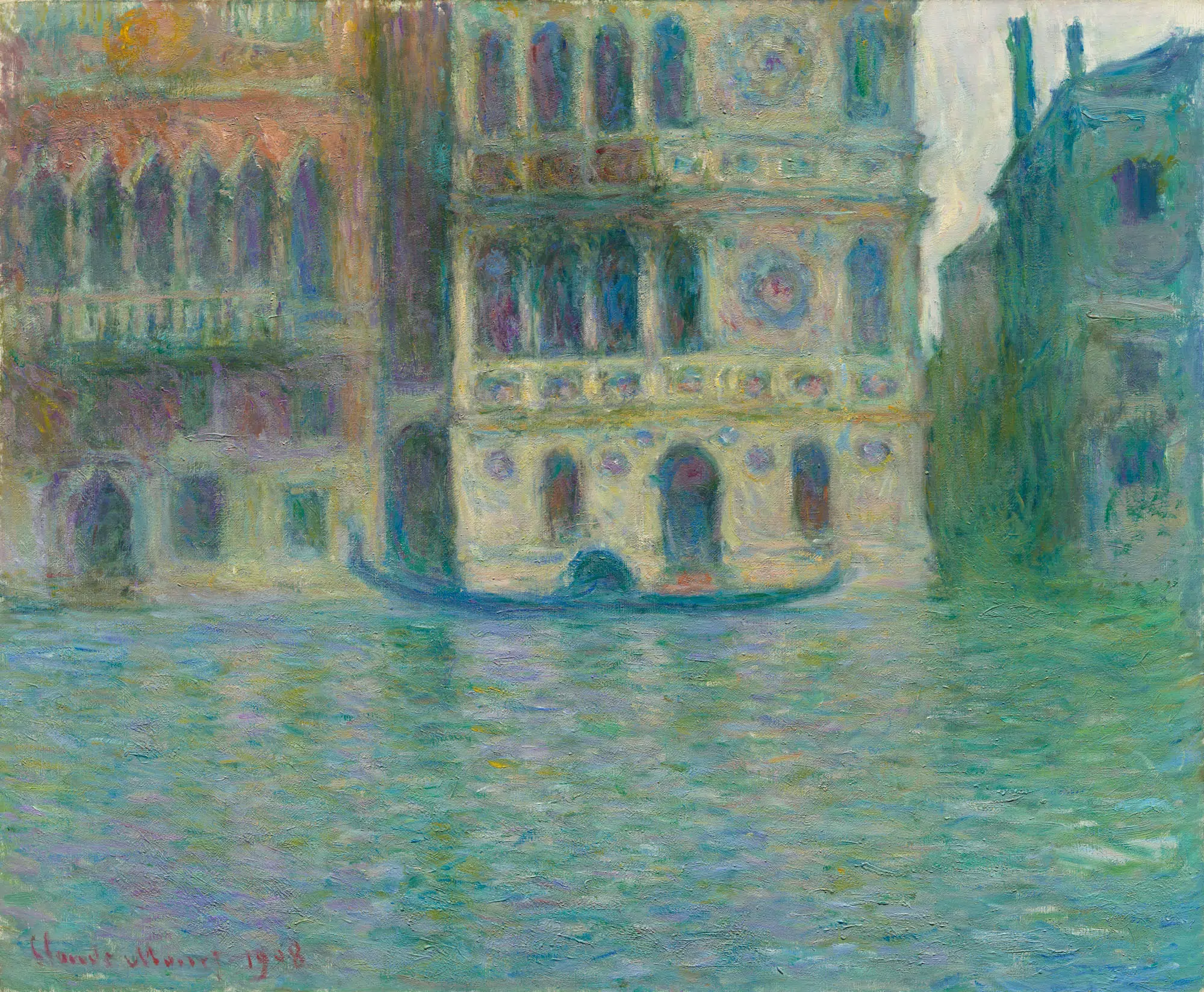
“Venice, Palazzo Dario,” 1908. (Photo: The Art Institute of Chicago / Art Resource, NY)
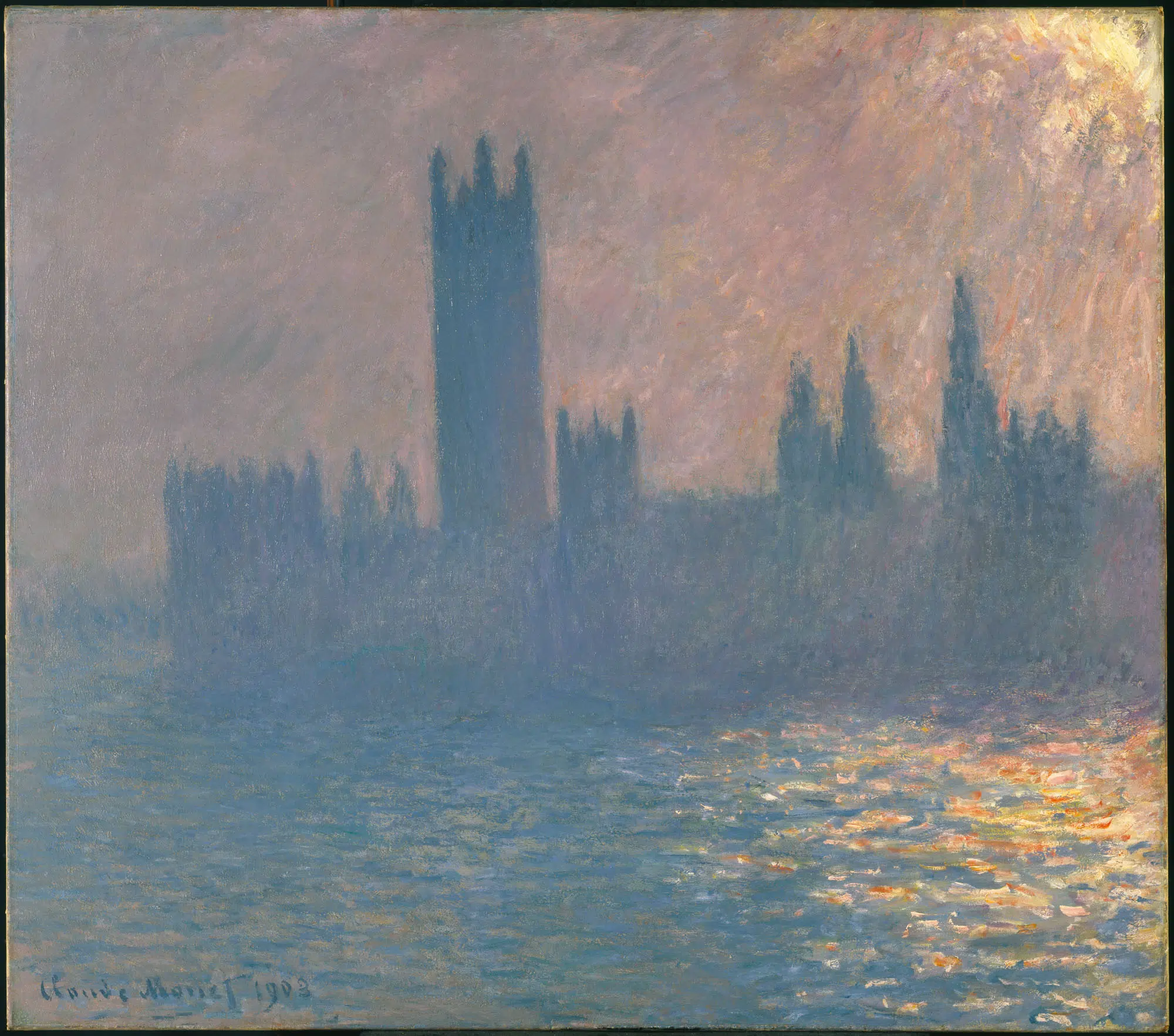
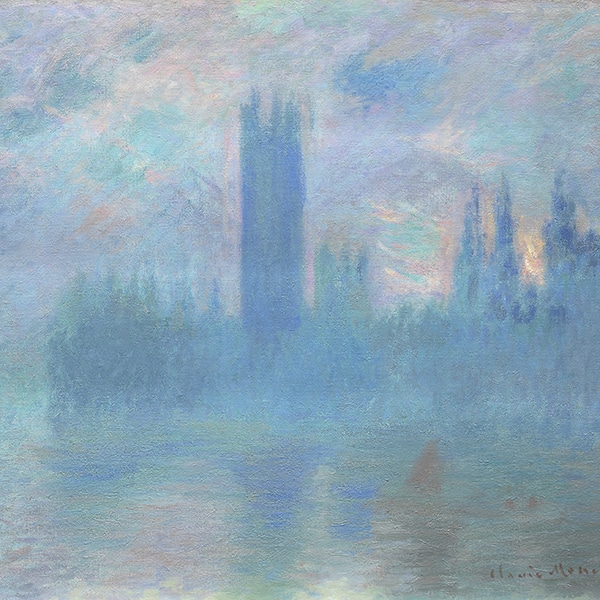
“Houses of Parliament, Sunlight Effect,” 1903. (Photo: Brooklyn Museum)
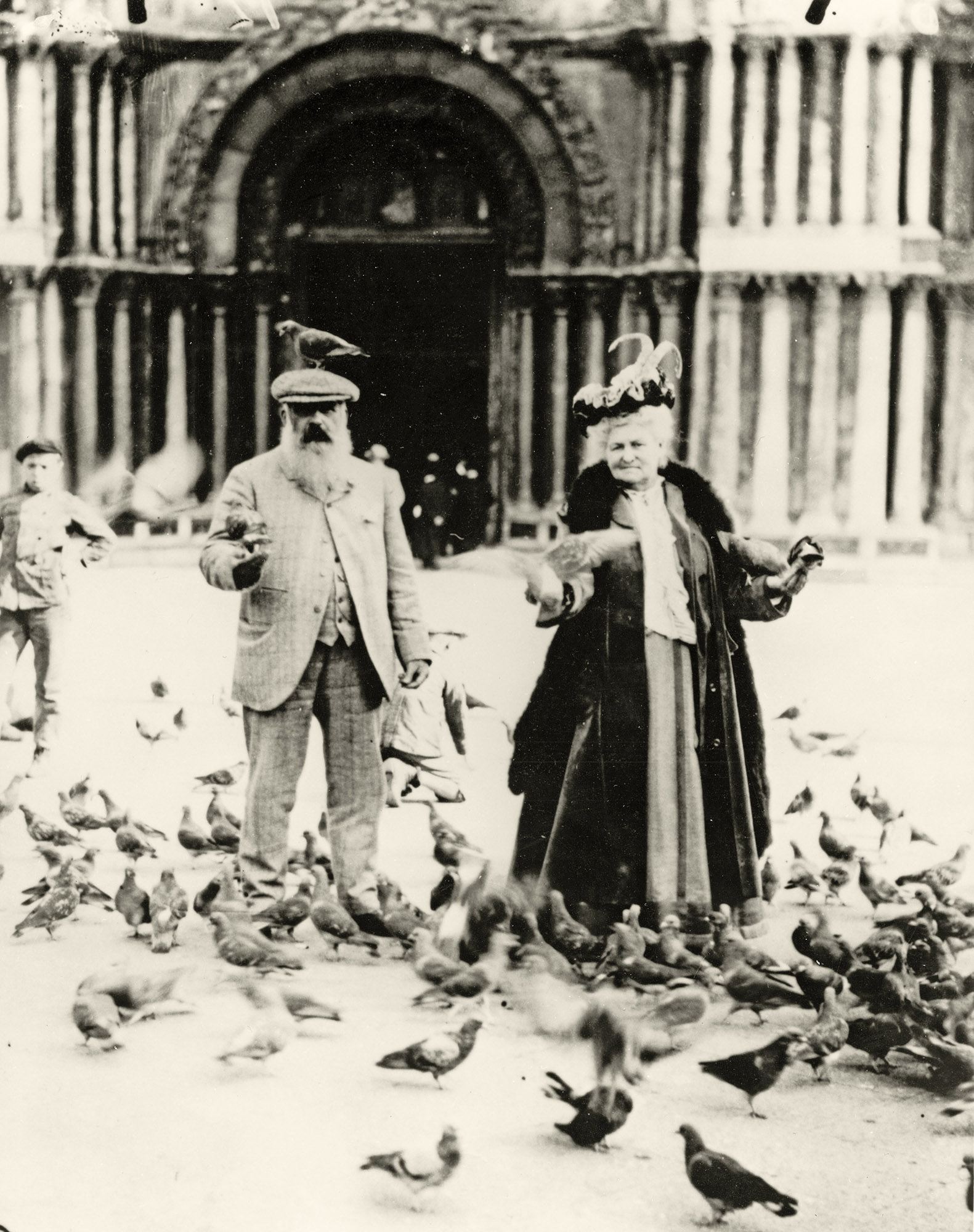
Claude Monet and his wife, Alice, in Piazza San Marco, Venice, in October 1908. (Photo: Bridgeman Images)
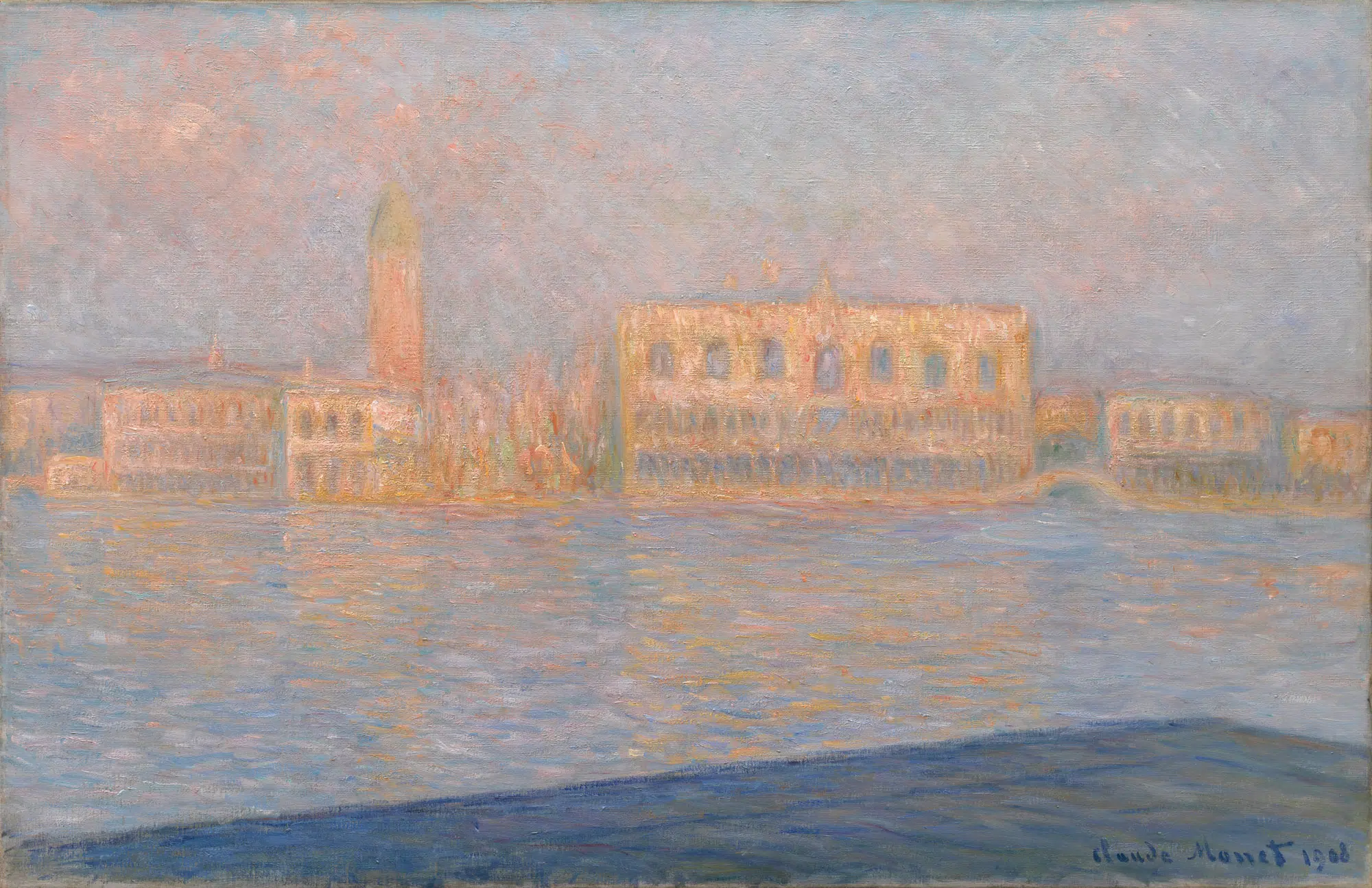
“The Palazzo Ducale Seen from San Giorgio Maggiore,” 1908. (Photo: the Solomon R. Guggenheim Foundation / Art Resource, NY)
Monet and Venice will be on view at the Brooklyn Museum through February 1, 2026, after which point it will travel to San Francisco.
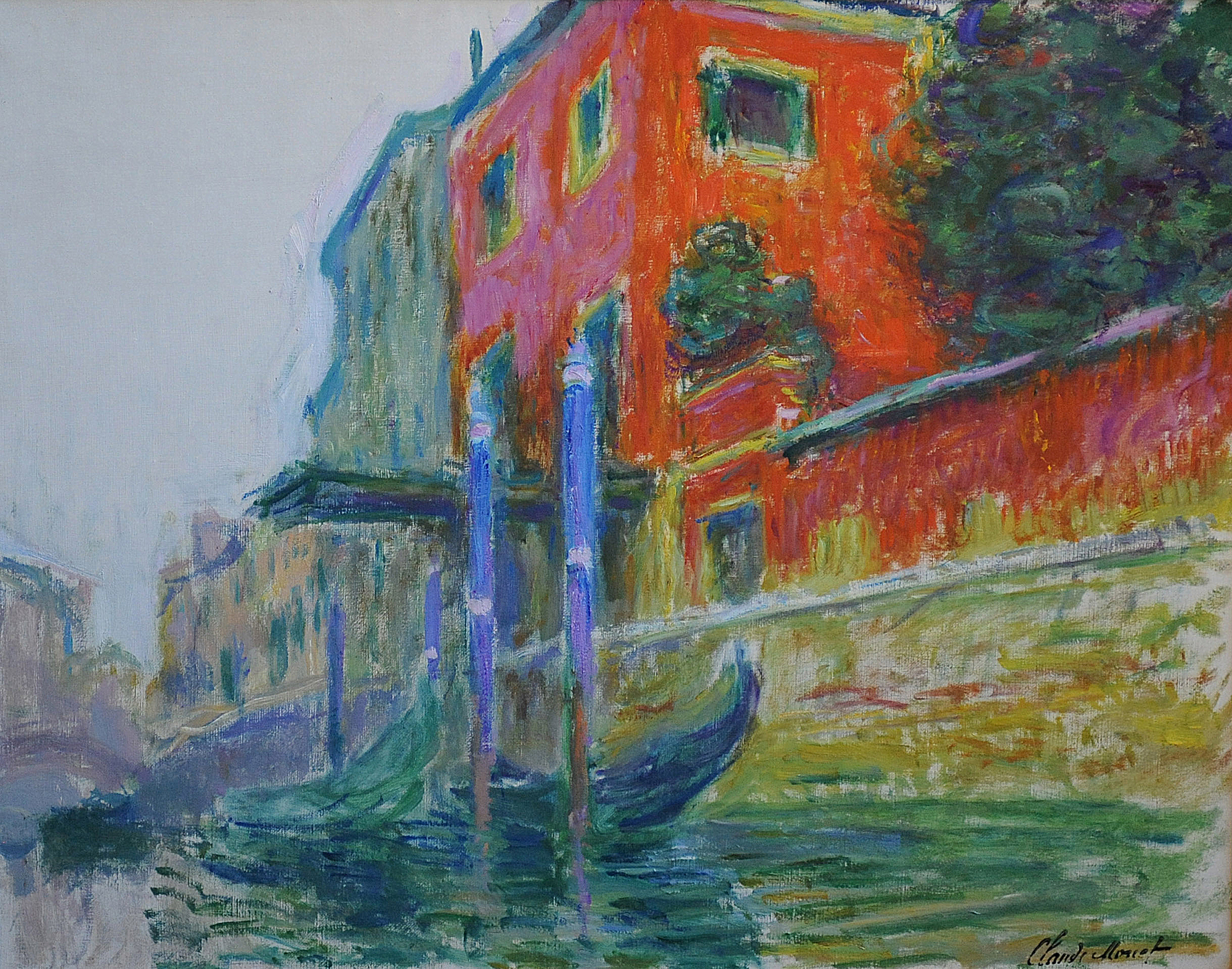
“The Red House,” 1908. (Courtesy Galerie Larcok-Granoff)

“Sailboats on the Seine at Petit-Gennevilliers,” 1874. (Photo: Joseph McDonald, courtesy of the Fine Arts Museums of San Francisco)
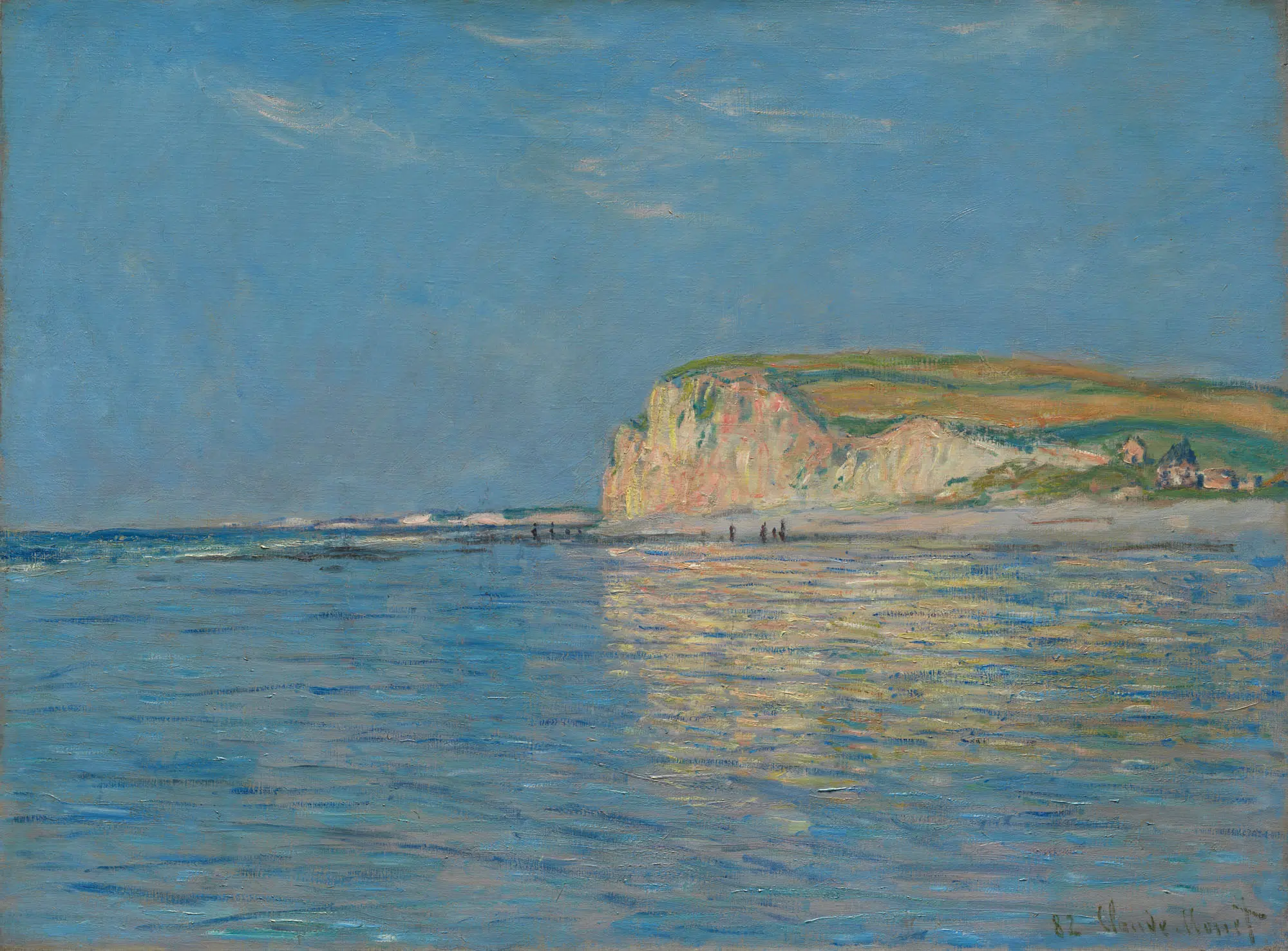
“Low Tide at Pourville, near Dieppe,” 1882. (Courtesy the Cleveland Museum of Art)

“Japanese Footbridge, Giverny,” 1885. (Courtesy Philadelphia Museum of Art)
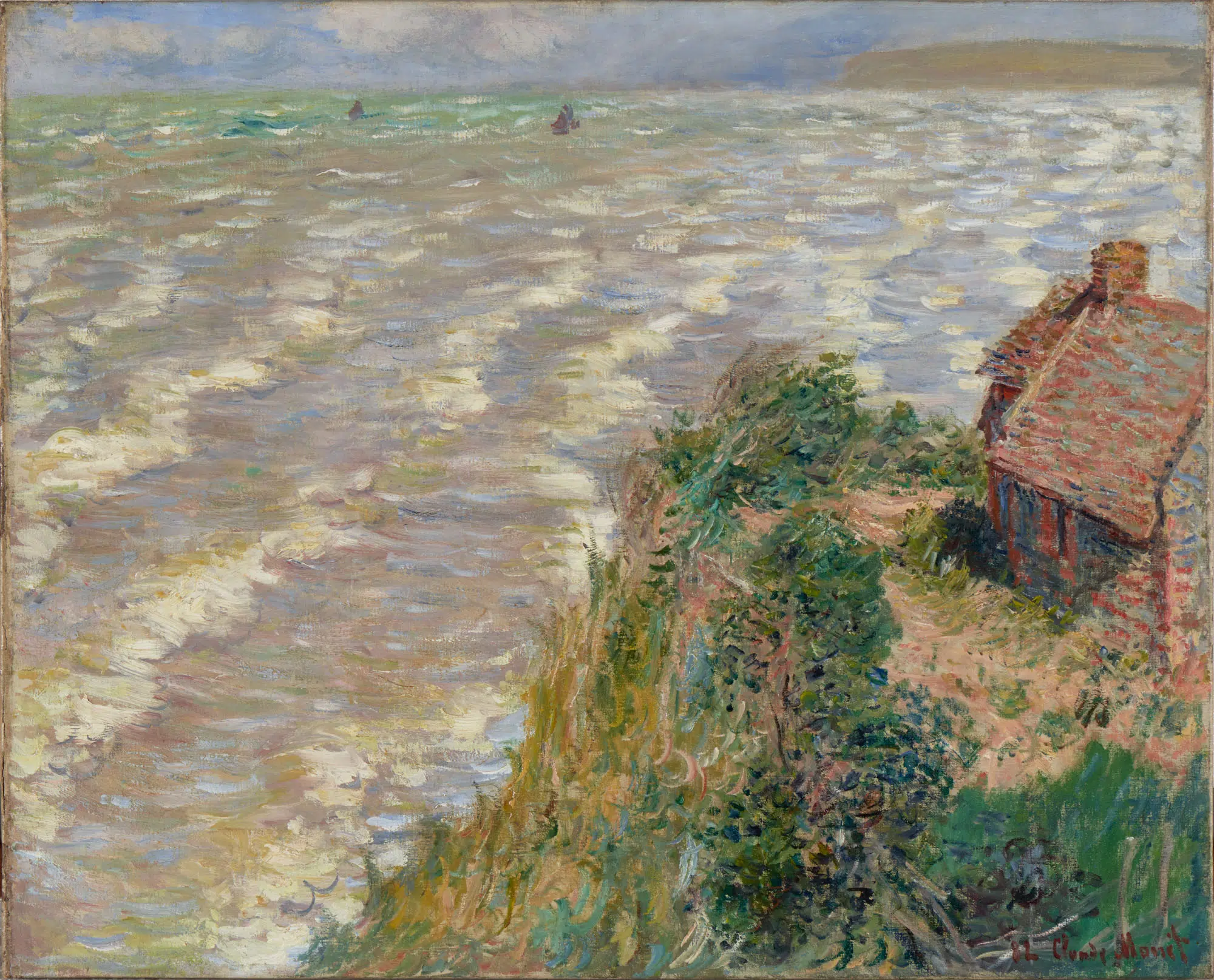
“Rising Tide at Pourville,” 1882. (Photo: Brooklyn Museum)
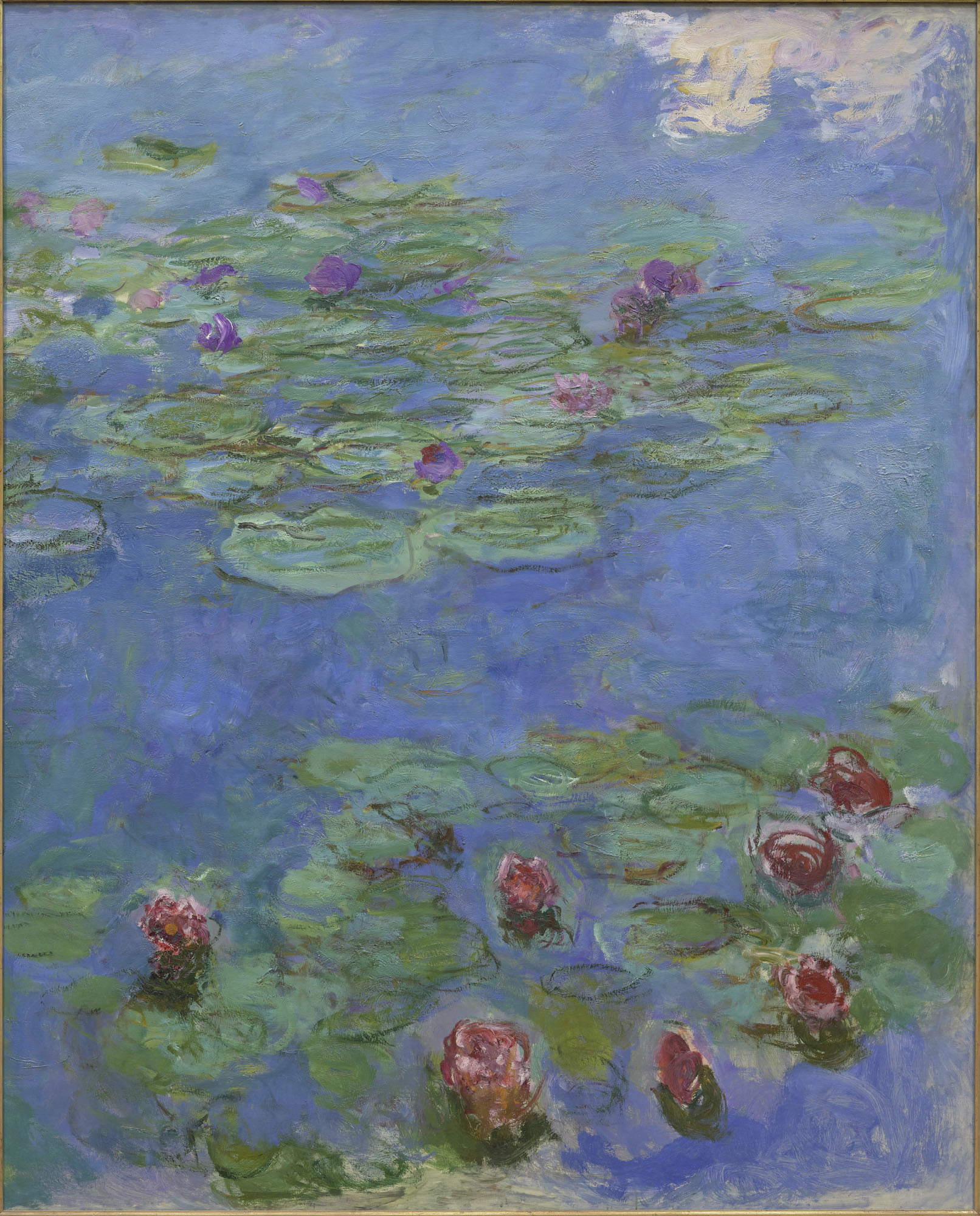
“Water Lilies,” ca. 1914–17. (Photo: Randy Dodson, courtesy of the Fine Arts Museums of San Francisco)