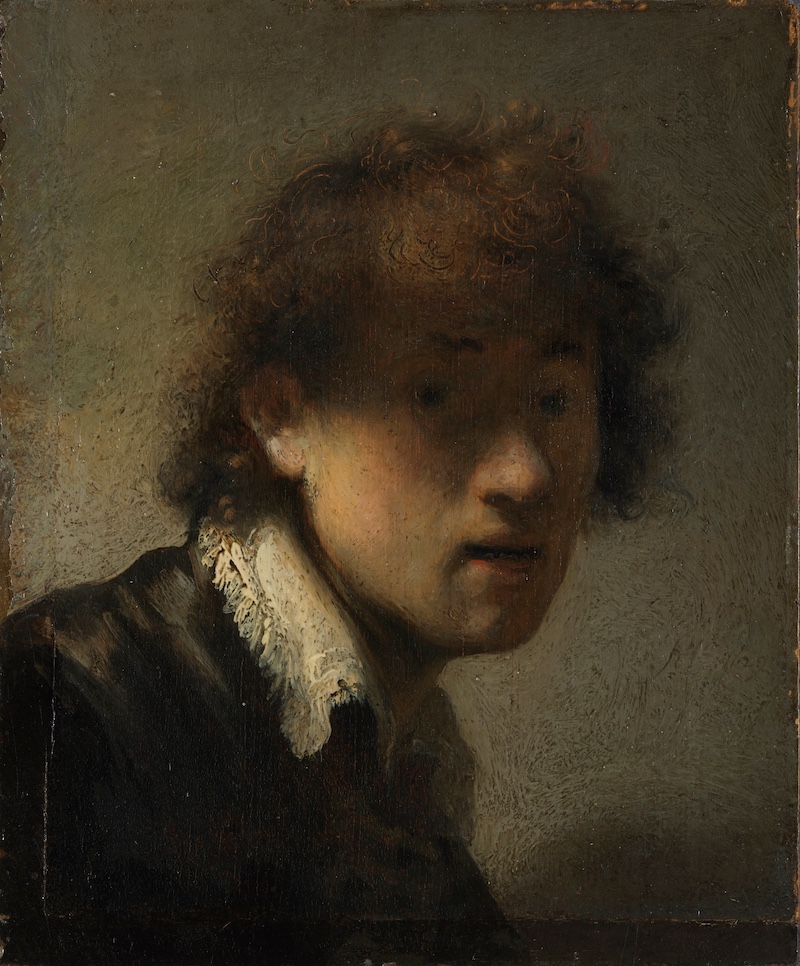
After 80 years away, one of Rembrandt’s early self-portraits has returned to the German city of Gotha in the Herzogliches Museum. The painting, which shows the artist in his early 20s, is back on display as part of the exhibition Rembrandt 1632: The Creation of a Brand. But its homecoming is about much more than an exhibition. The story of how the painting left Gotha stretches back to World War II and the division of Germany.
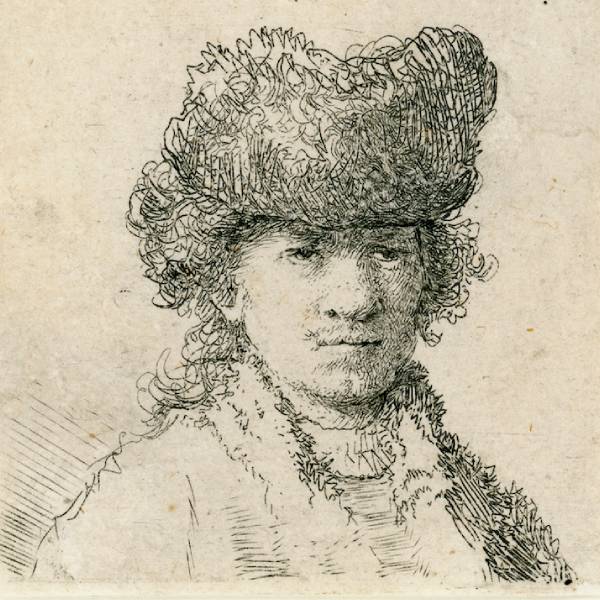
Rembrandt painted Youthful Self-Portrait in 1629. In it, the young artist appears with tousled hair and much of his face hidden in shadow. The work was acquired by Duke Ernst II of Saxe-Gotha-Altenburg by 1803 and later displayed at Schloss Friedenstein in Gotha. During World War II, the painting was moved outside the city for safekeeping. It returned to Gotha in 1945, but not for long. The following year, members of the ducal family secretly arranged to have it moved to Coburg, which was then part of the American occupation zone.
The move was reportedly meant to protect the Rembrandt from Soviet forces, who were taking artworks from Germany back to the Soviet Union. But what may have started as a temporary measure ended up lasting for decades. In 1954, the ducal family sold the self-portrait to the Bavarian State Painting Collections for DM75,000 (worth just under $18,000 at the time, which today would be equivalent to just over $222,000). It eventually went on display at Munich’s Alte Pinakothek, where it remains part of the collection today. The Friedenstein Gotha Foundation says the painting was among the artworks that were “illegally removed from Gotha” by the family.
The division of Germany made getting the painting back especially difficult. Gotha was in East Germany, while Munich was in West Germany. By the time Germany reunited in 1990, the legal window for Gotha to seek the painting’s return had already closed. Now, the Rembrandt is finally back in Gotha, even if only temporarily. The loan came about after Gotha Mayor Knut Kreuch approached Bavarian Minister-President Markus Söder about bringing the painting back to the city.
The self-portrait joins 10 other Rembrandt paintings in Rembrandt 1632: The Creation of a Brand. The exhibition looks at an important period in the Dutch master’s career, including his decision to stop signing works with his initials and simply use the name that would eventually become famous around the world: Rembrandt. For Gotha, though, this particular painting carries another layer of history. Eight decades after it left the city, the young Rembrandt has finally made his return.
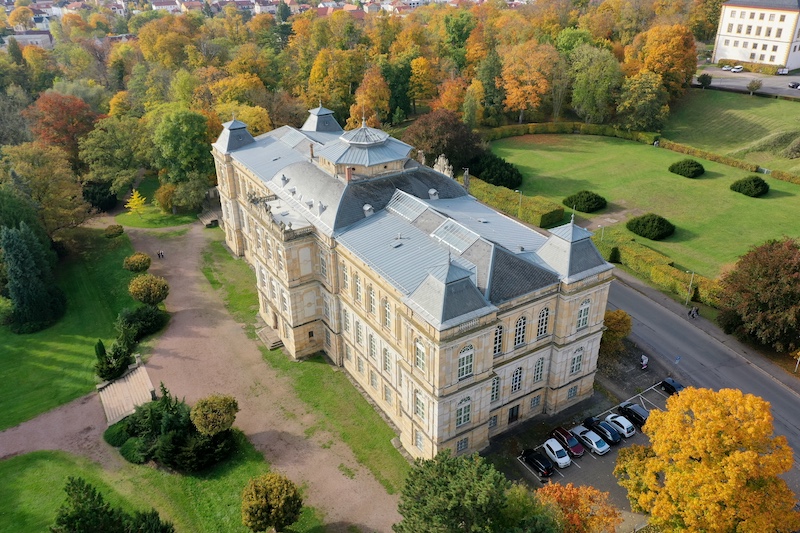
After 80 years away, one of Rembrandt’s early self-portraits has been brought back to Germany in the Herzogliches Museum.
Source: Rembrandt self-portrait returns to German city 80 years after it was illegally removed
Related Articles:
A Folder of “Nice Pictures” Turns Out to Be a Collection of Rembrandt Etchings
Stolen Picasso Painting Unexpectedly Resurfaces During a Drug Raid Near Paris