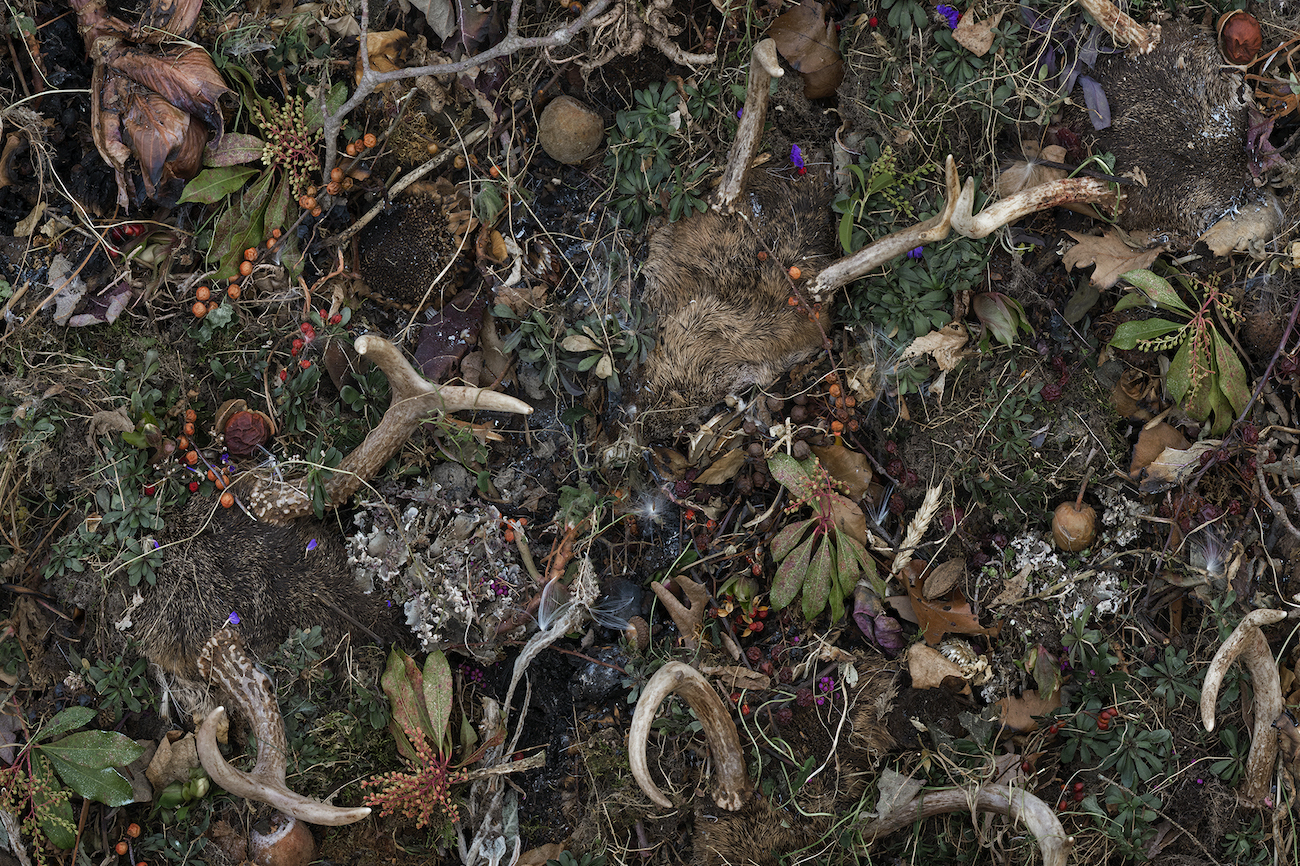
Tanya Marcuse, “Woven, No. 17,” detail, 2016.
At the Center for Photography Woodstock (CPW) in Kingston, New York, Tanya Marcuse brings together eight large-scale photographs from Woven: An Ecological Tapestry. The exhibition traces more than a decade of Marcuse’s fascination with growth, decay, and mortality. Alongside Woven, CPW will debut an 11-minute film, titled Deer, made with collaborator Ben Stechshulte, offering a new, time-based dimension to Marcuse’s work.
Marcuse’s photographs initially overwhelm through their scale. Measuring up to five feet high and 10 feet wide, the Woven works resemble elaborate, fantastical gardens viewed from above. Look closer, however, and the abundance becomes stranger. Flowers mingle with animal remains. Moss, fruit, insects, feathers, bones, and other organic materials occupy the picture plane. Some elements appear lush and newly grown while others have already begun to wither. Marcuse constructs each scene by hand, gathering, arranging, painting, burning, and transplanting materials over weeks or months. The resulting photographs hold beauty and decomposition in the same frame.
Woven emerged through experimentation. “There was just a lot of trial and error,” Marcuse tells My Modern Met. “All of these things, as the methods evolved and as the process evolved, were getting closer to something I was picturing.”
Marcuse draws from medieval hunting and falconry tapestries, translating their dense, all-over compositions into photographs shaped by materiality and change. Like a tapestry, each image brings countless individual elements into a single visual field, revealing new details up close while forming a larger, almost abstract composition from a distance.
Yet the works are never entirely fixed. Marcuse constructs each scene, while weather, insects, plants, and decomposition continually alter the materials before the camera. Their ephemerality becomes part of the image itself, with growth and decay registering the passage of time and the instability of the natural world.
“I’m both at their mercy and participating in them,” Marcuse says.
Weather can even determine when a photograph must be completed. While making Woven No. 31 during the winter, Marcuse worked with ice and snow as part of the composition. “There was going to be a sudden spike in the temperature, and I would have worked on that thing for another five or six weeks,” she recalls. “But I just had to finish it within the four days before the melt.”
The outdoor setting makes Marcuse’s process fundamentally collaborative with the environment; it becomes part of the conditions under which each photograph develops. Nature and time then become an active force in the work.
“So much of my work is about time,” Marcuse says. “In the still image, whatever ways in which it points to time or meditates on time, it doesn’t actually consist of time unfolding, and it’s not durational.”
Marcuse completed Woven in 2020. The series ended as her practice shifted. She continued to work with the frame but began using it to consider transformations between ground and sky, land and water, and catastrophe and renewal. Those ideas eventually developed into Book of Miracles, a subsequent body of work.
Deer returns to the concerns of Woven while pushing them into a new medium. Ben Stechshulte collaborated with Marcuse on the film’s editing, animation, and sound. The film centers on the remains of a deer that Marcuse worked with over an extended period. Through light, adornment, animation, and other interventions, she transforms the animal’s body rather than presenting it simply as an image of death.
“I covered it with gems to make it look like the body of the deer is like a passage to the Milky Way rather than a corpse,” she says.
The shift into film allows Marcuse to make transformation experiential. The deer moves through different visual states, extending the themes of metamorphosis already embedded in her still photographs.
“I actually really love the idea of giving a kind of creative afterlife to these creatures,” she says.
The work is not simply a way to arrange organic matter into compelling photographs. It becomes a way of attending to bodies, landscapes, transformation, and the passage of time.
“I feel like the work itself is the ritual,” she says. “If I’m honest, or even if I’m being extra honest, I would say devotional.”
Together, Woven and Deer reveal an artistic practice grounded in transformation. The photographs preserve moments that could never remain physically intact, making impermanence not just a subject of the work, but part of how it is made.
Woven | Deer: An Ecological Tapestry is on view through January 17, 2027, at CPW in Kingston, New York.
Tanya Marcuse’s Woven photographs transform natural materials into monumental tableaux that explore growth, decay, and mortality.
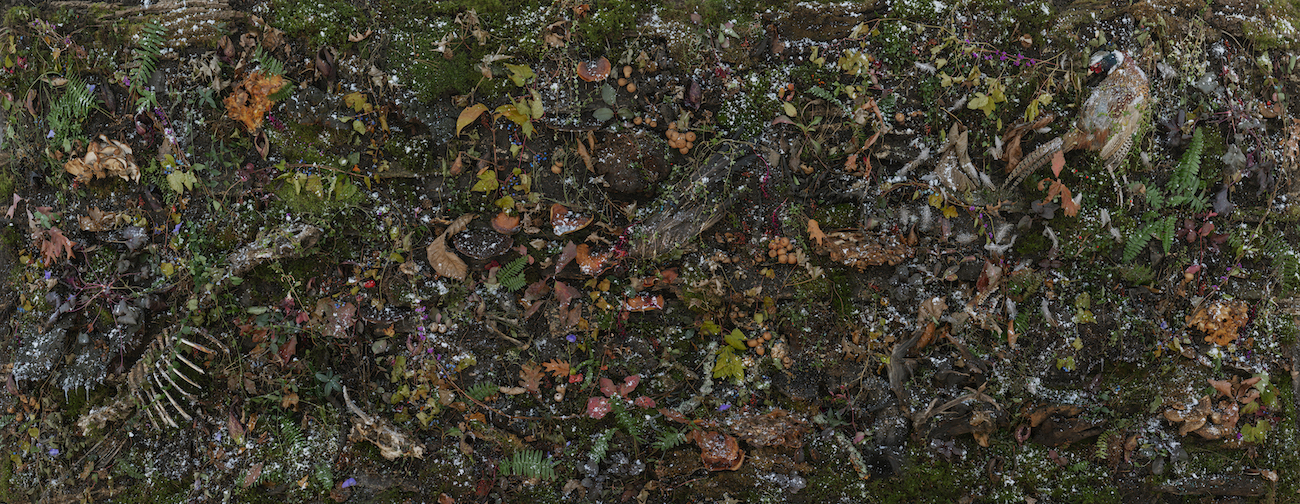
Tanya Marcuse, “Woven, No. 30,” 2018.
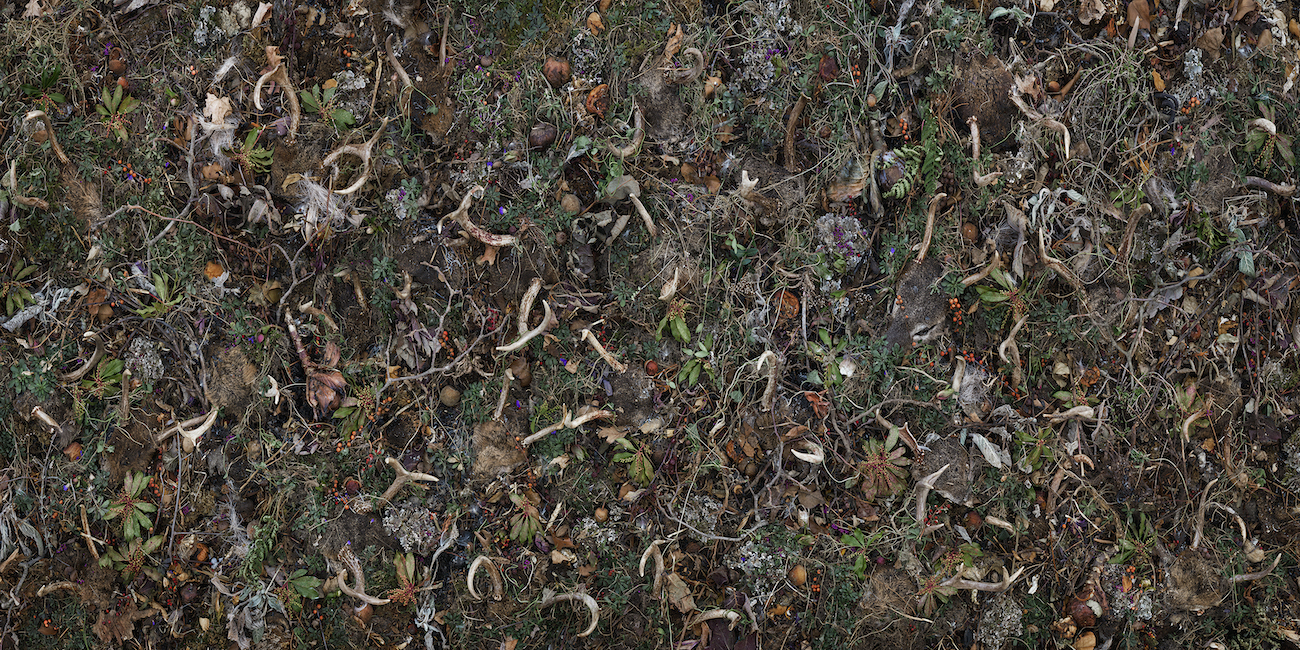
Tanya Marcuse, Woven, No. 17,” 2016.
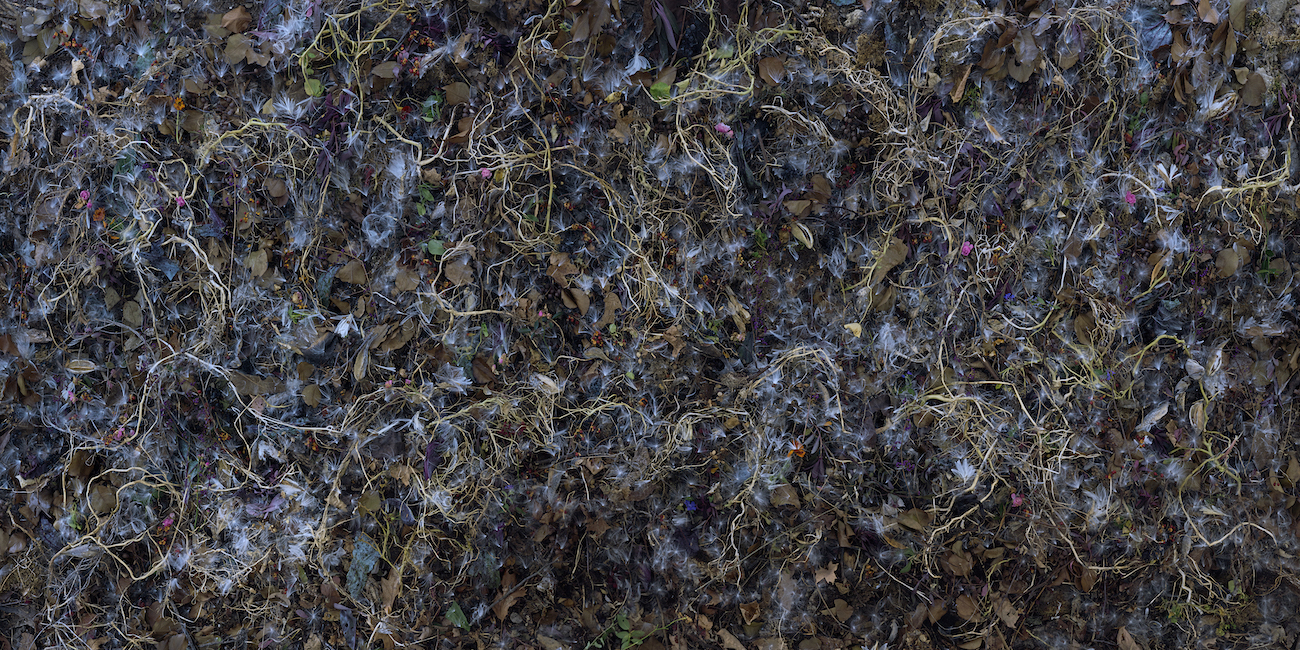
Tanya Marcuse, “Woven, No. 11,” 2016.
At the Center for Photography Woodstock (CPW) in Kingston, New York, Deer extends Marcuse’s exploration of ephemerality and transformation into an 11-minute film made with Ben Stechschulte.
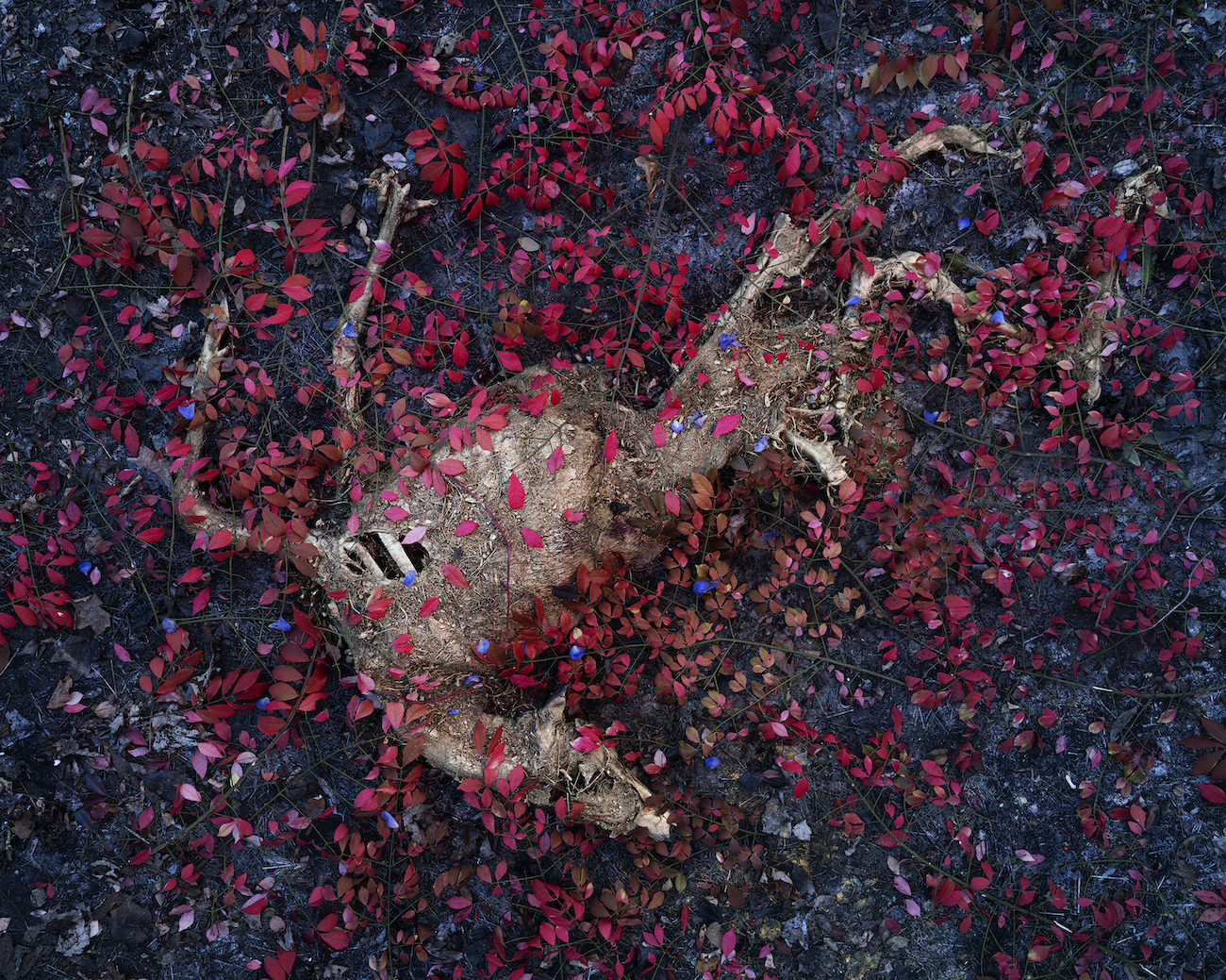
Tanya Marcuse, “Deer Nº 7084,” from the series “Deer” (2023-25).
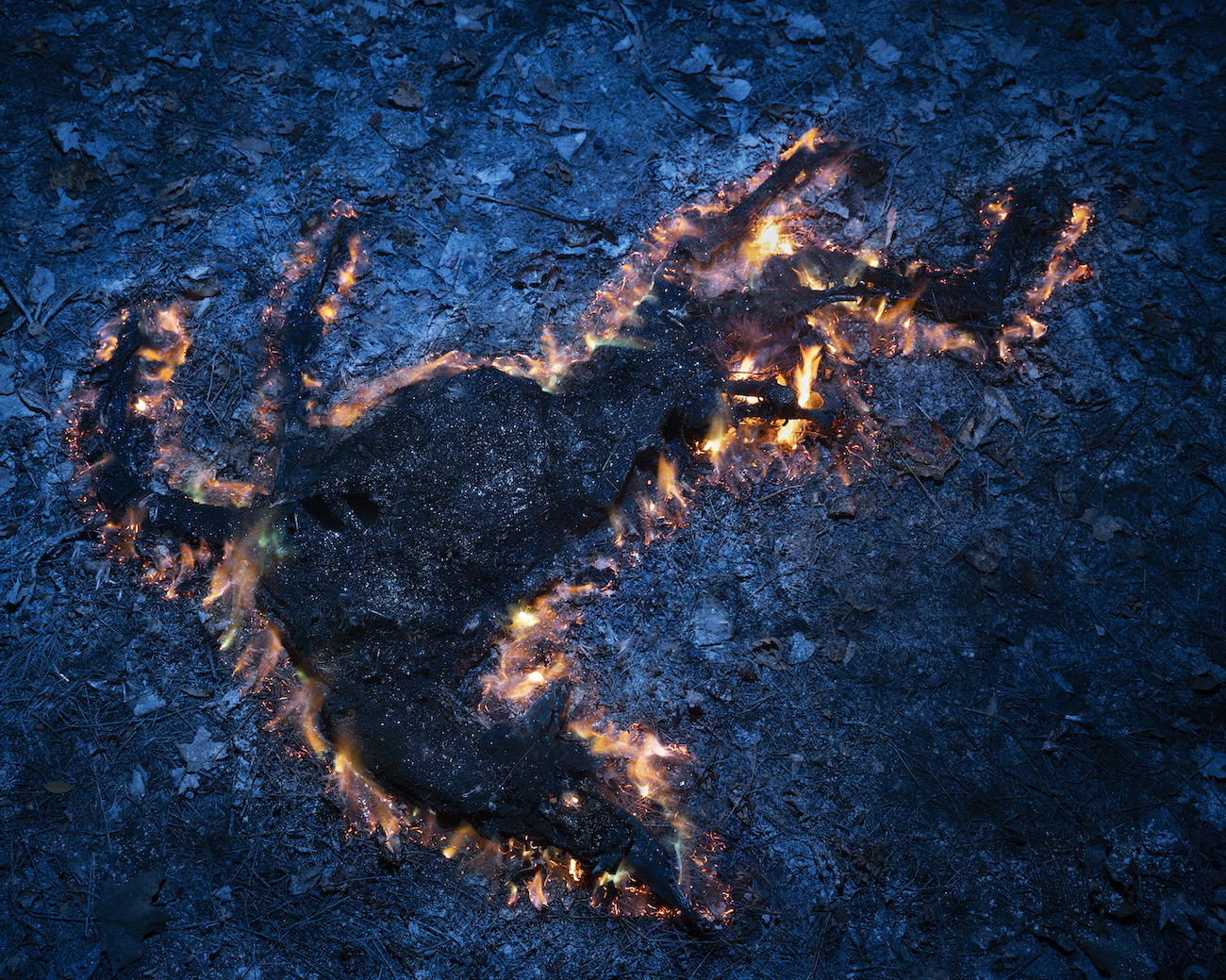
Tanya Marcuse, “Deer Nº 6054,” from the series “Deer” (2023-25).
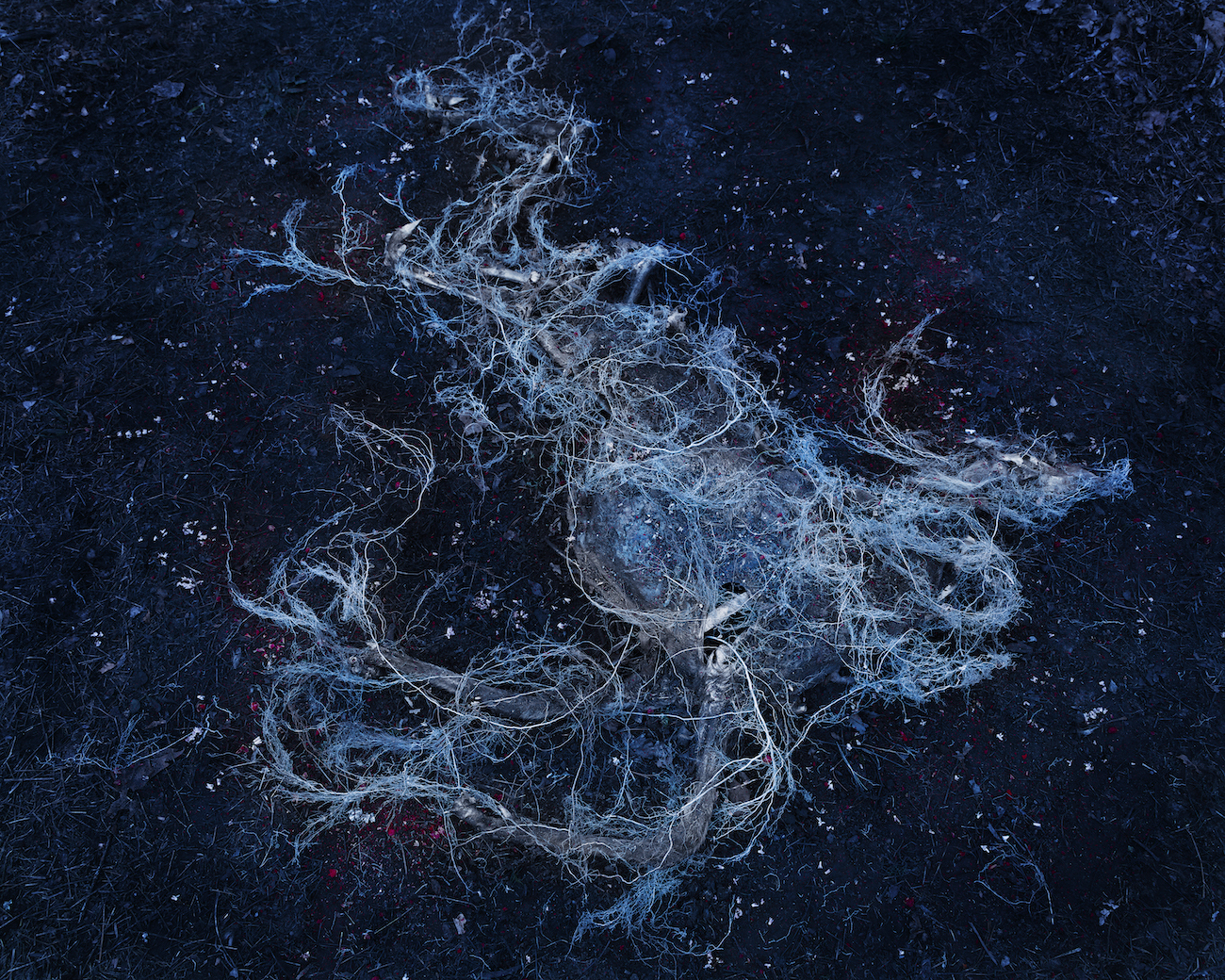
Tanya Marcuse, “Deer Nº 9578,” from the series “Deer (2023-25).
On view October 3, 2026 through January 17, 2027, Woven | Deer: An Ecological Tapestry brings together Marcuse’s photographs and film to examine the fragile cycles of the natural world.
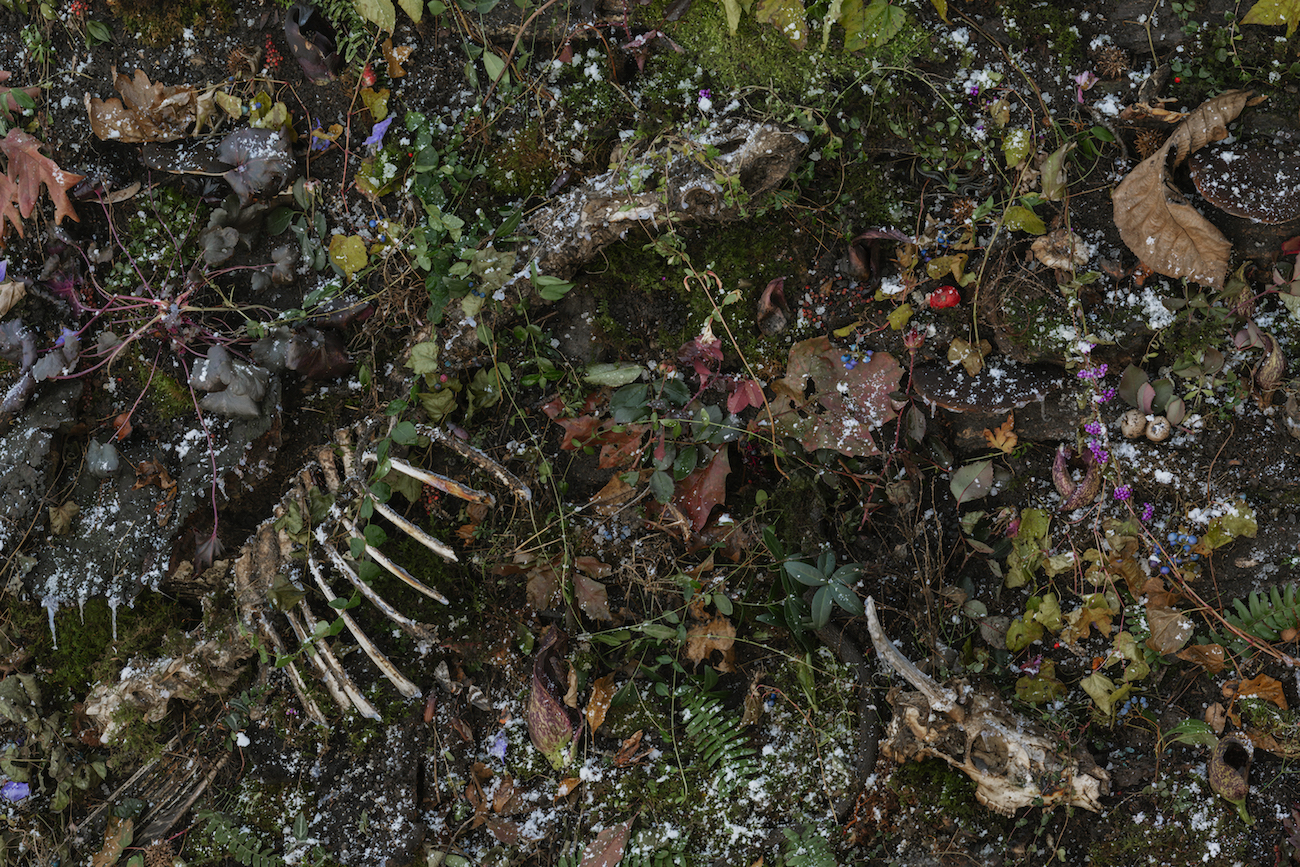
Tanya Marcuse, “Woven, No. 30,” detail, 2018.
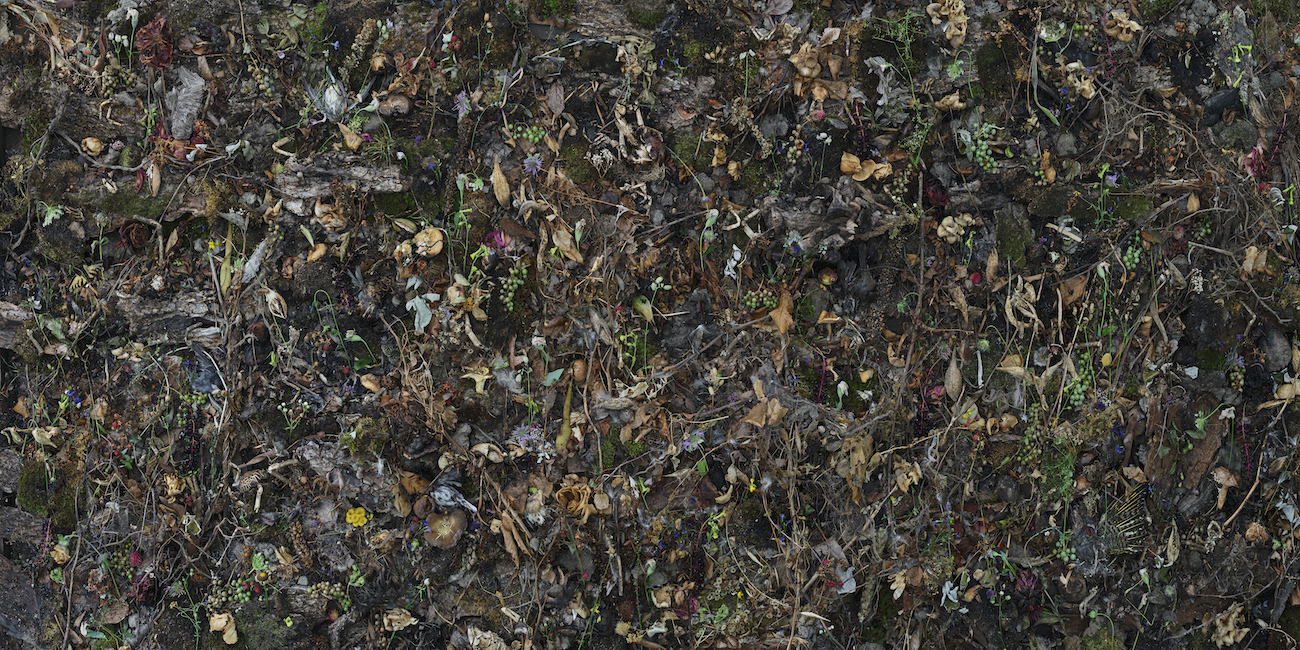
Tanya Marcuse, “Woven, No. 4,” 2015
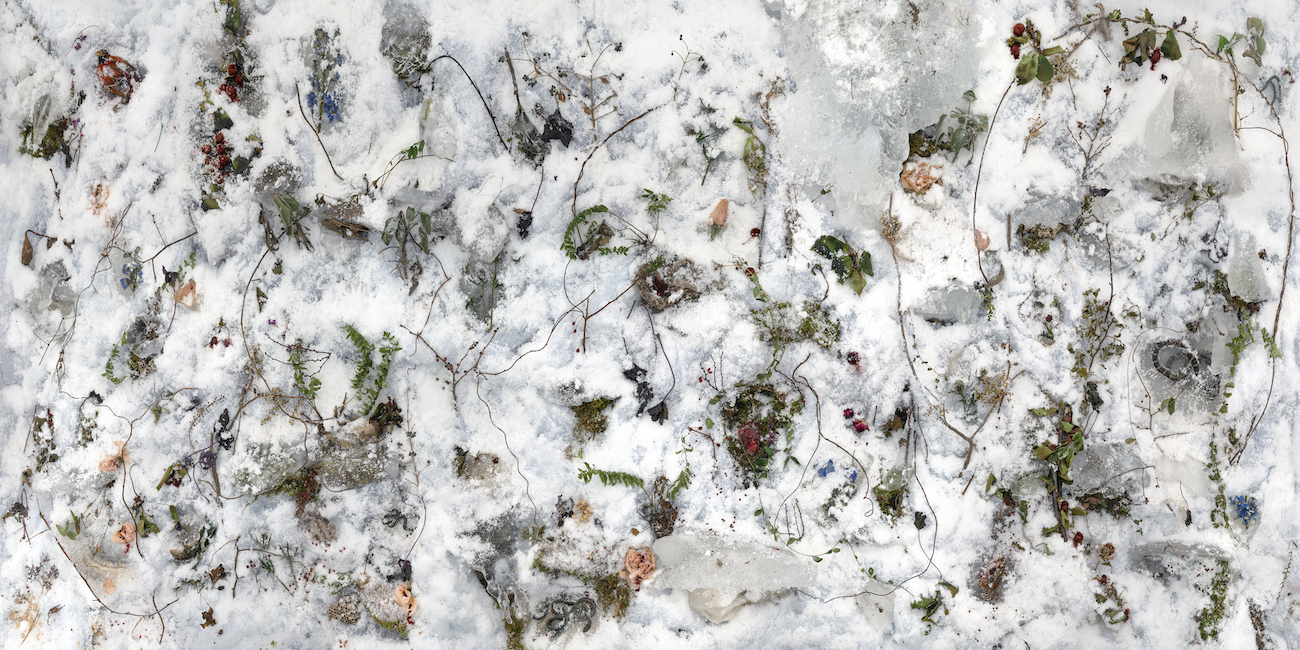
Tanya Marcuse, “Woven, No. 31,” 2018.