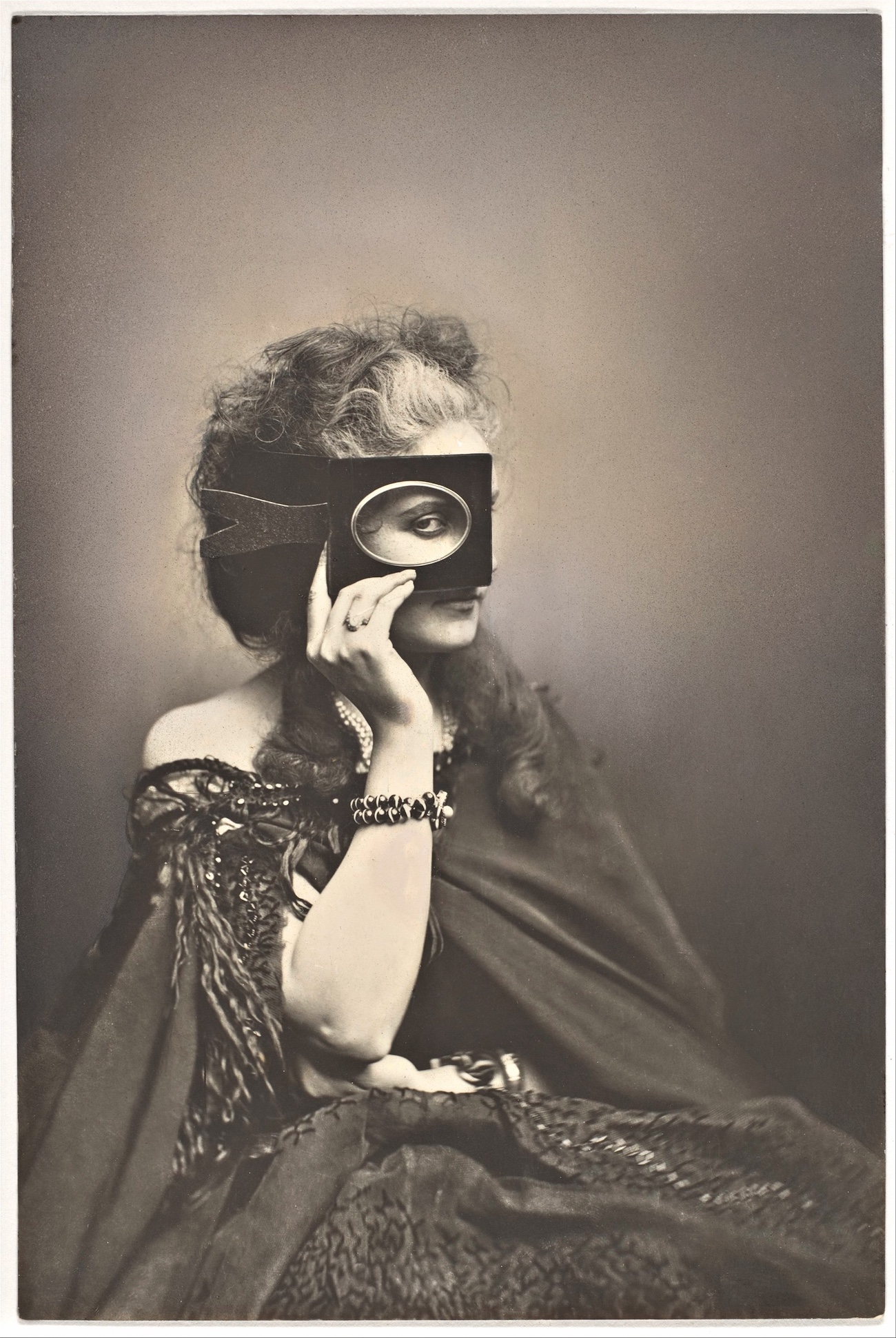
Virginia Oldoini, “Countess of Castiglione,” with the collaboration of Pierre-Louis Pierson, ‘Scherzo di Follia’ [Joke of Madness], circa 1863-1866, albumen print from a collodion glass negative, 18,8 x 12,5 cm, New York, Metropolitan Museum of Art.
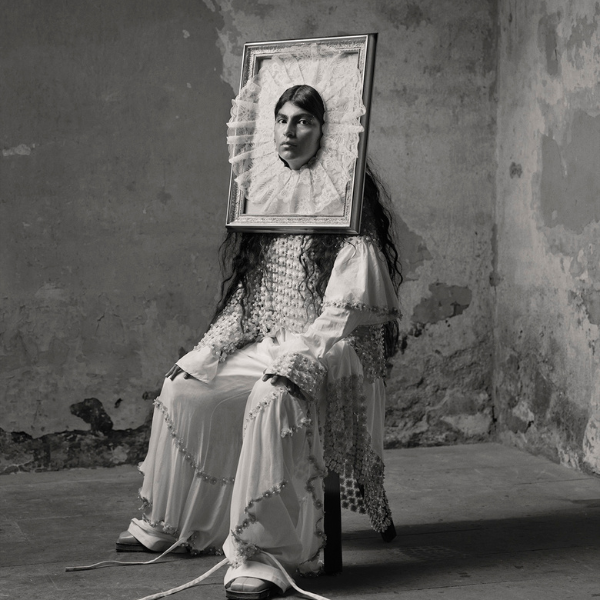
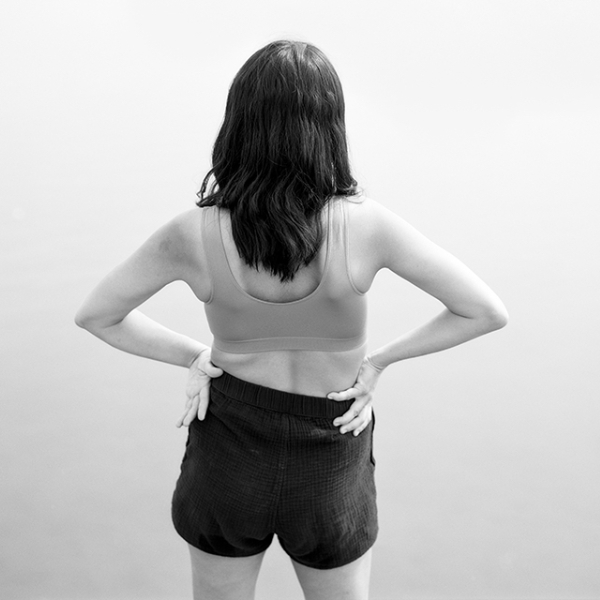
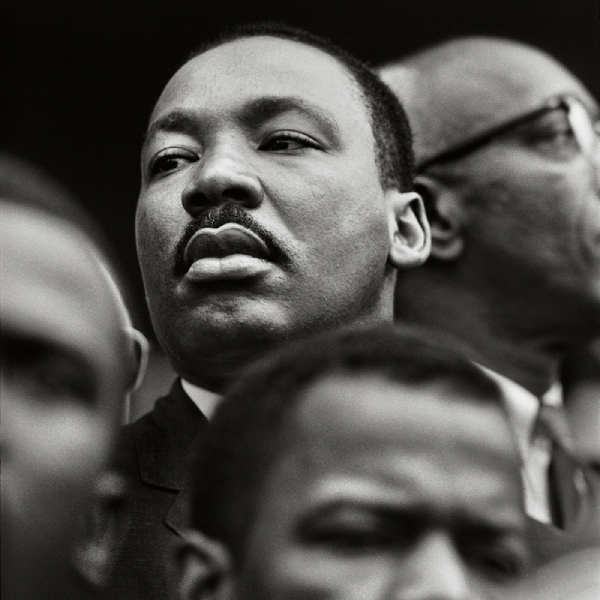
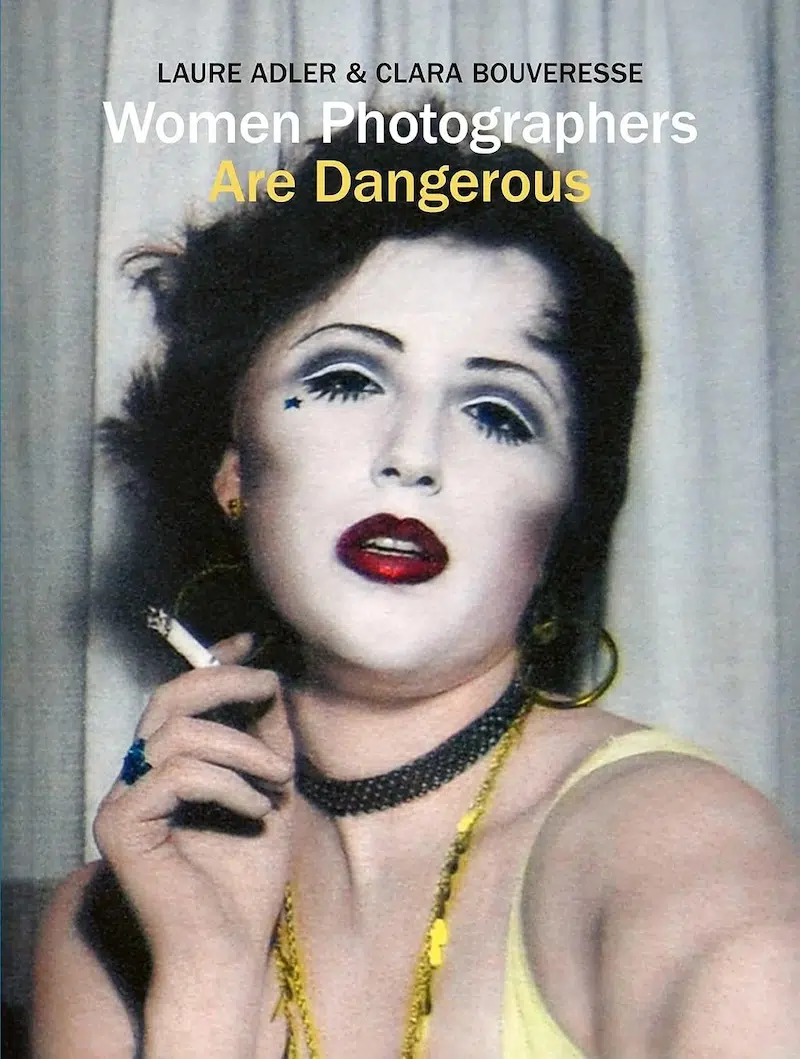
Women Photographers Are Dangerous, a new book from ACC Art Books written and compiled by journalist and historian Laure Adler and photography historian Clara Bouveresse, brings together over 100 photographs by women who challenged both artistic conventions and the expectations placed upon them.
The book hearkens back to some of photography’s earliest female artists. Anna Atkins, for instance, was a pioneering 19th-century photographer who used the cyanotype process to document botanical specimens. Other early figures include Julia Margaret Cameron, Alice Austen, and Frances Benjamin Johnston. They appear alongside some of the most recognizable names in 20th-century photography, including Dorothea Lange, Lee Miller, Diane Arbus, Eve Arnold, and Vivian Maier.
The breadth of the collection also demonstrates just how varied these photographers’ interests were. Lange documented the devastating human consequences of the Great Depression, producing images such as her now-iconic Migrant Mother. Eve Arnold became known for photographs that ranged from intimate portraits of Marilyn Monroe to photojournalism around the world, while Maier quietly photographed life on the streets for decades, with the scale of her archive only becoming known after her death. The book also includes artists such as Cindy Sherman, Nan Goldin, Shirin Neshat, Francesca Woodman, and Zanele Muholi, whose work was central in pushing photography into both personal and experimental directions. Their impact and legacy continues on in many of the photographs that we see today.
One of the earliest images in the book dates to around 1863–1866. Scherzo di Follia (Joke of Madness) depicts Virginia Oldoini, Countess of Castiglione, peering dramatically through an oval picture frame held over one eye. Created in collaboration with photographer Pierre-Louis Pierson, the unusual self-fashioning of the image feels strikingly modern despite being more than 150 years old.
By placing photographs made more than a century apart alongside one another, Women Photographers Are Dangerous offers a broader view of photography’s history, and one in which women were never peripheral to the medium, even when recognition of their work came much later.
Across 160 pages, the book includes 35 color and 75 black-and-white illustrations, moving from photography’s earliest experiments to contemporary artists working today.
Published by ACC Art Books, Women Photographers Are Dangerous celebrates photographers who were willing to cross boundaries, document difficult realities, and turn the camera toward subjects that demanded to be seen.
Women Photographers Are Dangerous brings together over 100 photographs by history’s greatest female photographers.
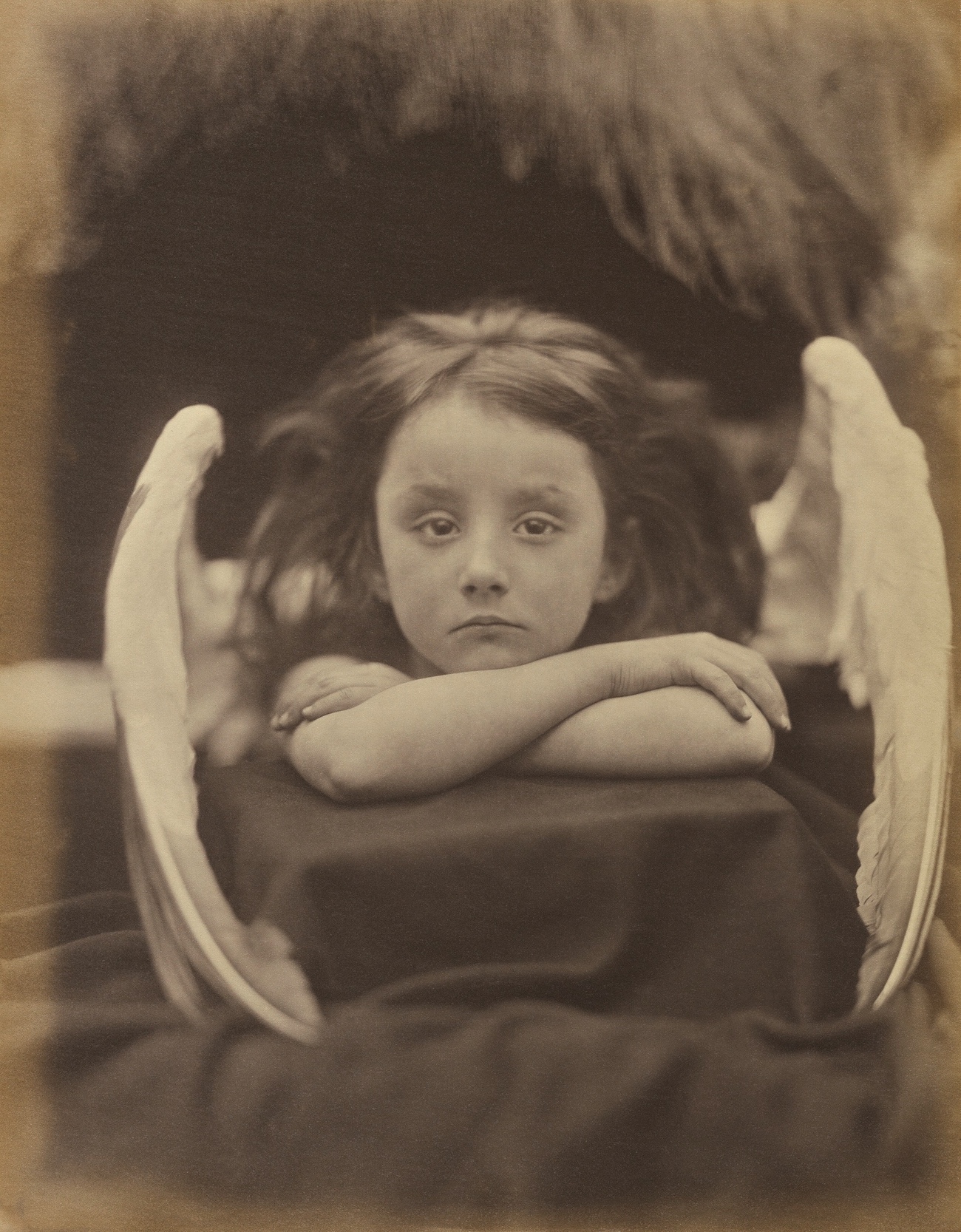
Julia Margaret Cameron, “Study for a Holy Family” [Étude pour une Sainte Famille], 1866-1870, silver albumen print, 33.3 x 26.2 cm, Los Angeles, J. Paul Getty Museum.
Across 160 pages, the book includes 35 color and 75 black-and-white illustrations, moving from photography’s earliest experiments to contemporary artists working today.
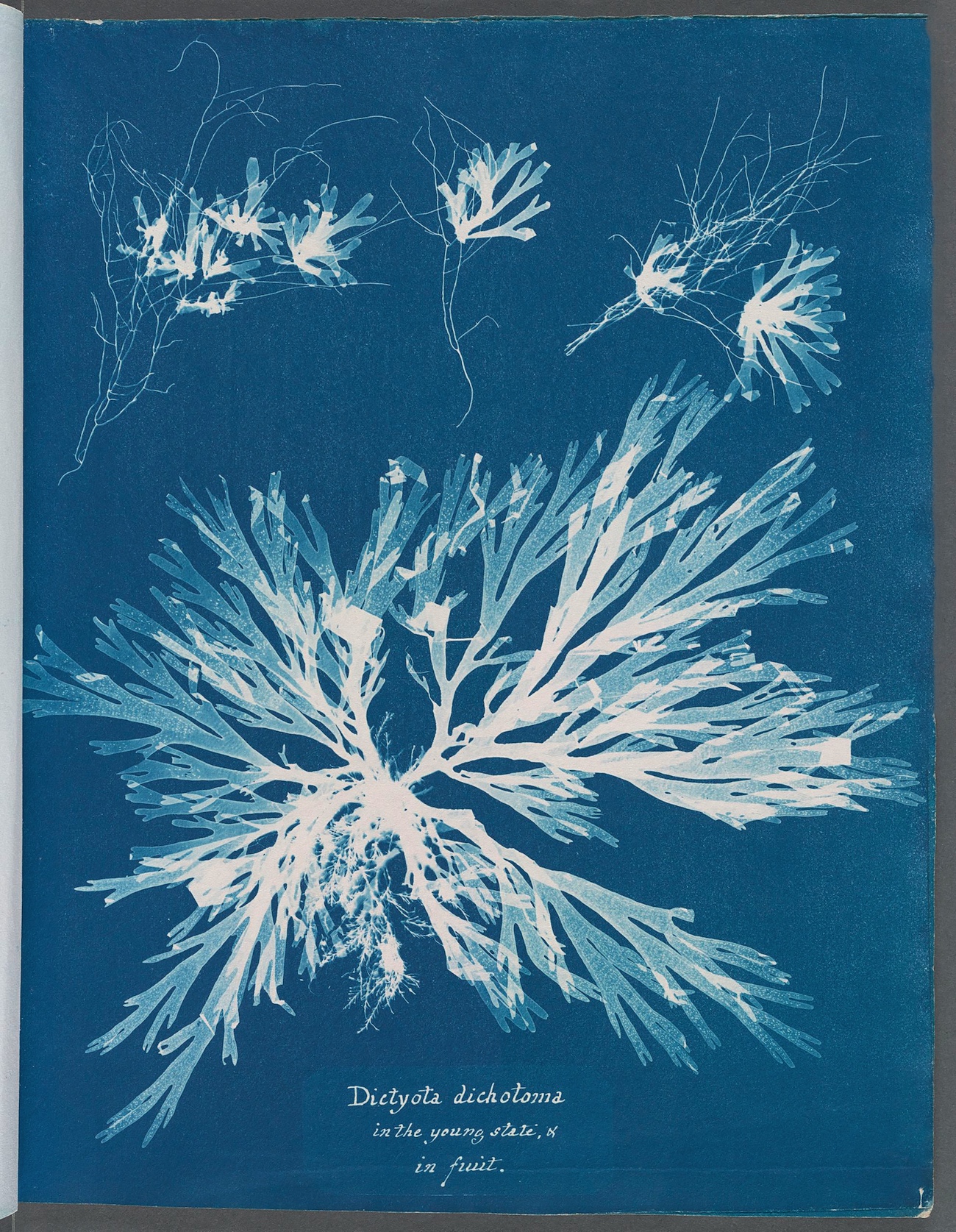
Anna Atkins, “Dictyota dichotoma in the young state; and in fruit” [Dictyota dichotoma in jeune; et en fruits], 1850, extracted from Photographs of British Algae: Cyanotype Impressions, vol. I, 1843-1853 1849-1850, cyanotype on paper, 26 x 21 cm, New York, Public Library.
With photos from Dorothea Lange, Lee Miller, Diane Arbus, Eve Arnold, and Vivian Maier, the book highlights some of the medium’s most recognized voices.
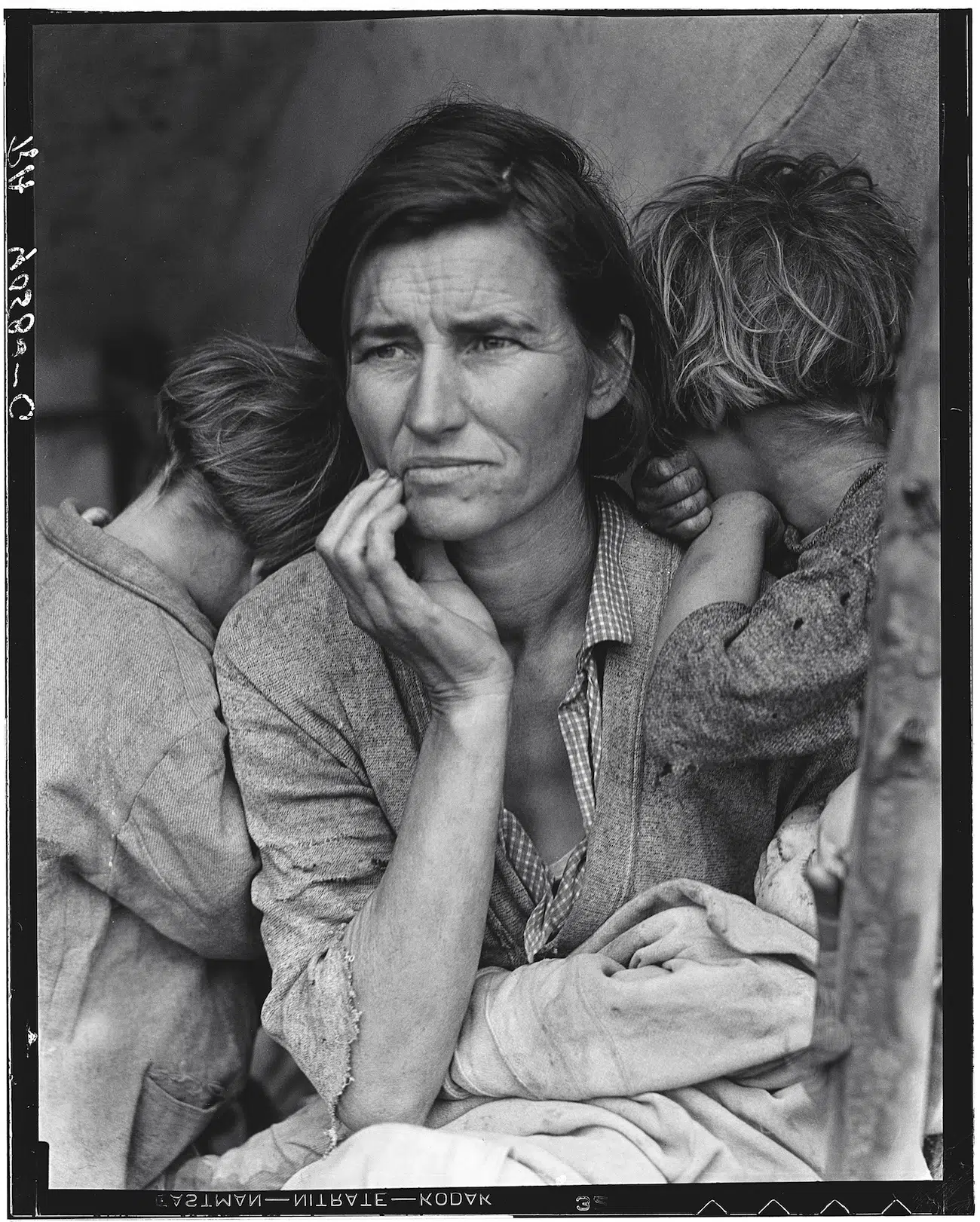
Dorothea LANGE “Migrant Mother”, Nipomo, California, March 1936, digital file of original negative, retouched in the 1930s, 10.2 × 12.7 cm, Washington, Library of Congress.
Women Photographers Are Dangerous celebrates photographers who were willing to cross boundaries, document difficult realities, and turn the camera toward subjects that demanded to be seen.
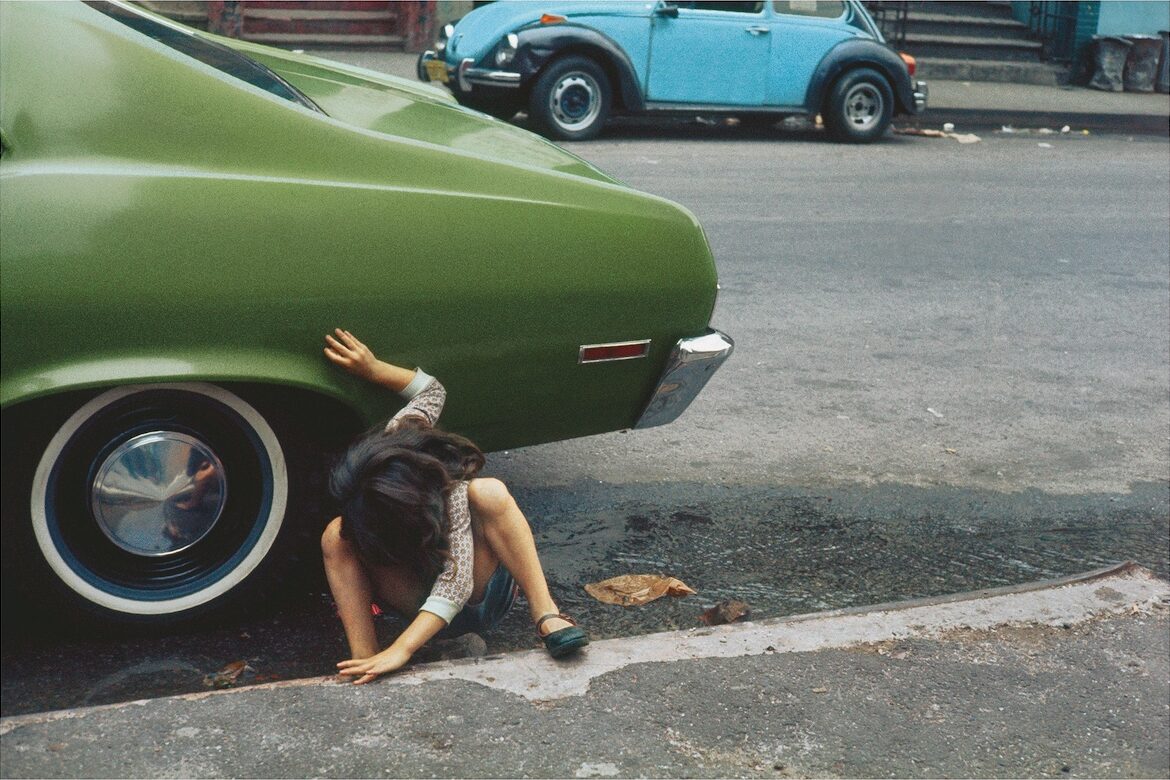
Helen Levitt, “New York”, 1980, colour print, 36 × 40.3 cm, Cologne, Galerie Zander.
ACC Art Books: Website | Instagram | Facebook
My Modern Met granted permission to feature photos by ACC Art Books.
Related Articles:
Jane Goodall’s 90th Birthday Is Celebrated With 90 Photos by 90 Female Photographers
This Exhibition Reveals the Hidden Connections Between Generations of Queer Photographers
10 Independent Female Artists Creating Stunning Framed Art Prints